Leviticus 18
GODE EA SIA: IDA:IWANE GALA · Tap a verse to see its cross-references.
Uda Lasu Hou Sema
1Hina Gode da Mousesema e da Isala:ili dunu ilima amane sia:ma:ne sia:i, “Na da dilia Hina Gode! 3Dilia da musa: Idibidi fi ilia soge ganodini esalu amola Na da wali dili Ga:ina:ne sogega oule ahoa. Be amo dunu fi ilia hou mae fa:no bobogema.
4Na sema amola Na hamoma:ne sia:i liligi amoma fa:no bobogema. Bai Na da dilia Hina Gode. 5Hou huluane amola sema Na da dilima iaha, amoma fa:no bobogema. Agoane hamosea, dilia da dilisu esalusu gaga:mu. Na da Hina Godedafa.”
6Hina Gode da haguduga dedei hamoma:ne sia:i olelei, “Dilia sosogo fi ilima gilisili mae golama. 7Dia ame ema maedafa gilisili golama. Bai dia ada da gogosiamu. Dia ame gogosiama:ne hamomu da sema bagade. 8Dia ada gogosiasa:besa:le, ea uda eno ilima gilisili golamu da sema bagade. 9Dia dalusi o fi dalusi ilima gilisili golamu da sema bagade. E da dia diasuga bugili i, o eno sogebi bugili i galea, amo sema da defele gala. Ilima mae gilisili golama. 10Didiwi ea uda mano ema mae gilisili golama. Amo hou da dima gogosiasu liligi. 11Dia dalusi adagili amola ame higagai, ilima mae gilisili golama. Bai e da dia dalusidafa. 12- 13Dia awa o biya amoma gilisili mae golama. 14Dia adabi o ada o baba o daya amo ea udama gilisili mae golama. Bai e amola da dia awadafa. 15Dia gofe ea idua ema gilisili mae golama. 16Dia ola o diaea uda ilima gilisili mae golama. 17Dia uda amoma di gilisili golai amo ea uda mano o aowailima mae gilisili golama. Bai amo da dia fidafa. Amasa:besa:le, sema bagade gala. 18Dia udadafa esalea, di da dibae lamu da sema bagade.
19Uda da sioi fisia, ema gilisili mae golama. Bai e da sema ganodini, ledo hamoi dagoi. 20Dunu eno ea uda ema mae gilisili golama. Bai amo hou hamosea, di ledo hamoi dagoi ba:mu. 21Dilia da dilia mano amo ogogosu ‘gode’ Moulege ema nodone sia:ne gadomusa:, gobele salasu hamoma:ne mae ima. Bai amo hou da Hina Gode Ea Dio wadela:mu. 22Dunu da dunu eno gilisili golamu (sama da ea sama adole lamu) da sema bagadedafa. Gode da amo hou bagade higasa. 23Dunu o uda da ohe amoma hademu da sema bagadedafa. Amo hou hamosea, di da ledo hamoi dagoi ba:mu.
24Dilia da amo hou hamosea, ledo gala hamoi dagoi, amasa:besa:le, amo hou huluane mae hamoma. Gode Ea hou hame dawa:su dunu da amo ledo bagade hou hamosu. Amo dunu da Ga:ina:ne soge amo ganodini esalu. Be wali, dili amo ganodini golili sa:ima:ne, Hina Gode da amo dunu gadili sefasilala. 25Ilia hou da Ga:ina:ne soge amo ledo gala hamoi dagoi. Amaiba:le, Hina Gode da amo sogega se iaha. Amola fedege agoane, Hina Gode hamobeba:le, soge da ea musa: fi dunu higale ili isolala.
26- 27Ilia da amo wadela:idafa hou hamobeba:le, ilia soge ledo gala hamoi dagoi. Be dilia da agoaiwane mae hamoma. Dilia huluane, Isala:ili dunu amola ga fi dili gilisili esala, Hina Gode Ea hamoma:ne sia:i liligi amola sema huluane amoma fa:no bobogema. 28Amasea soge da hame lalegagui dunu dili bisili amo soge ganodini amo higale fadegai amo defele, soge da dilima higale hame fadegamu. 29Dilia dawa:! Nowa da amo wadela:idafa hou afae hamosea, e da Gode Ea Fidafa dunu agoane hame ba:mu.”
30Amola Hina Gode da eno amane sia:i, “Na hamoma:ne sia:i liligi amoma fa:no bobogema! Dunu amo da dili bisili amo soge ganodini esalu, ilia hou amoma mae fa:no bobogema. Dilia amo hou agoane hamosea, ledo gala hamoi dagoi ba:mu. Amaiba:le, amo hou maedafa hamoma. Na da dilia Hina Godedafa!”
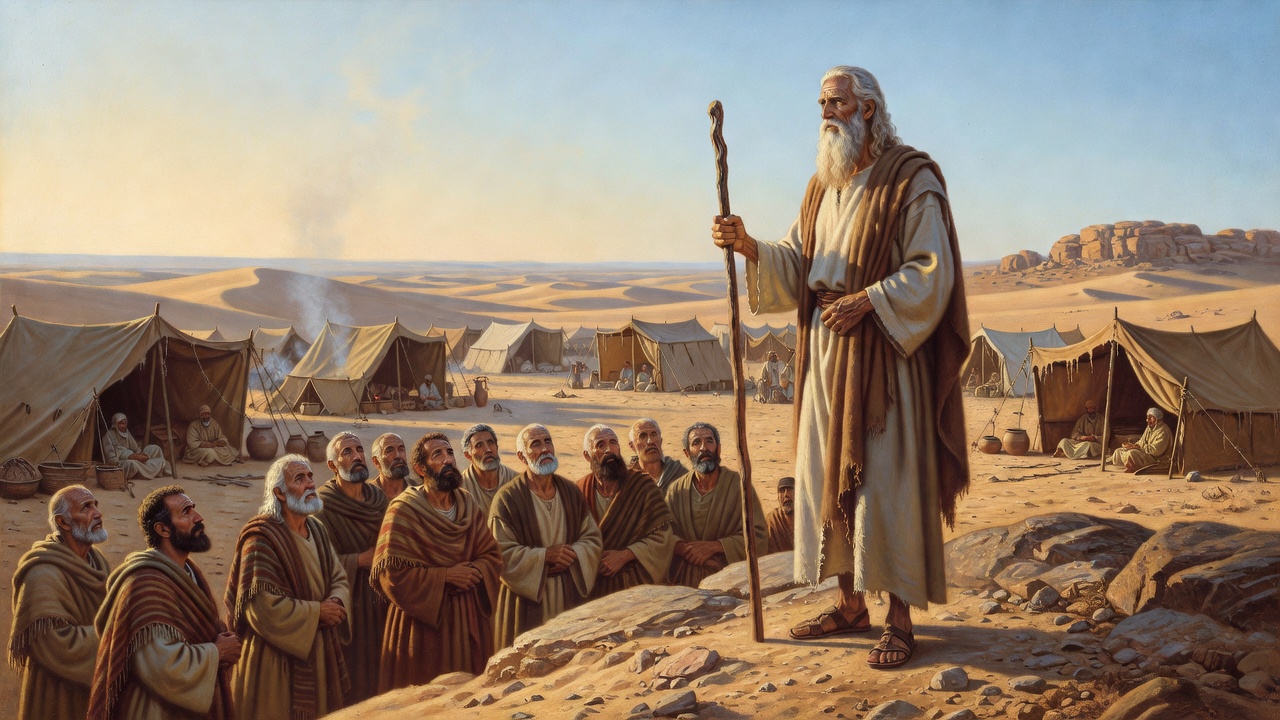
Did you know?
Holiness and Moral Standards
- Leviticus 18 introduces its moral and family regulations by instructing the Israelites not to adopt the customs of Egypt, where they had previously lived, nor those of Canaan, the land they were about to enter.Sources: the Bible text itself · Canaan · Egypt
- The chapter explicitly forbids offering children to Molech, the national deity of the Ammonites whose rites included sacrifices by fire, declaring that such acts profane the name of God.Sources: the Bible text itself · Molech
- The passage uses striking figurative language, warning that corrupt practices defile the land itself and that the land will vomit out anyone who violates these statutes, just as it expelled prior inhabitants.Sources: the Bible text itself
Notes written with AI assistance from open sources (Theographic Bible Metadata, CC BY-SA 4.0; Easton’s Bible Dictionary, public domain) and reviewed before publishing.
Places in this chapter
Only places identified with high confidence are shown (90% or more according to the scholarly sources compiled by OpenBible). Period map: DARE (Digital Atlas of the Roman Empire), CC BY 4.0; modern map: © OpenStreetMap contributors; places: OpenBible.info (CC BY 4.0).
Credits and license for this translation
GODE EA SIA: IDA:IWANE GALA
The Holy Bible in the Bedamuni language of Papua New Guinea
Buk Baibel long tok ples Bedamuni
Copyright © 2000 Tom Hoey
Language: Bedamuni (Beami)
Translation by: Tom Hoey
This translation is made available to you under the terms of the
Creative Commons Attribution Share-Alike license 4.0.
You have permission to share and redistribute this Bible translation in any format and to make reasonable revisions and adaptations of this translation, provided that:
You include the above copyright and source information.
If you make any changes to the text, you must indicate that you did so in a way that makes it clear that the original licensor is not necessarily endorsing your changes.
If you redistribute this text, you must distribute your contributions under the same license as the original.
Pictures included with Scriptures and other documents on this site are licensed just for use with those Scriptures and documents.
For other uses, please contact the respective copyright owners.
Note that in addition to the rules above, revising and adapting God's Word involves a great responsibility to be true to God's Word. See Revelation 22:18-19.
2025-08-30
Source: http://png.bible/beo/ · eBible.org