John 4
Godeya꞉ To Nafayo꞉ We · Tap a verse to see its cross-references.
Ya꞉suwo꞉ Samalia ga o꞉lia꞉ tola꞉len
1Ya꞉su eyo꞉ kaluka꞉isale modo꞉wo꞉ ho꞉na to꞉lolabiki, kaluka꞉isale iliyo꞉ enedo꞉ tili wida꞉sen kalu a꞉no꞉ agelo꞉ amio꞉, Ya꞉su elo꞉ma꞉yo꞉ Yo꞉n elo꞉ tili wida꞉sen kaluwo꞉ tiniab a꞉la꞉liki malola꞉i ane ko꞉lo꞉, Fa꞉lisi kalu iyo꞉ a꞉na dabu. 2Ko꞉sega hendele Ya꞉su eyo꞉ ho꞉n amio꞉ elo꞉ mo꞉to꞉lola꞉len. Enedo꞉ tili wida꞉sen kalu ili to꞉lola꞉len. 3Ya꞉su eyo꞉ malolo꞉ a꞉no꞉ da꞉da꞉sa꞉ga꞉yo꞉, e Yudia heno꞉ ta꞉ta꞉sa꞉ga꞉, a꞉ma꞉la꞉ Ga꞉lili ha꞉na꞉ni ane.
4Ya꞉su e Ga꞉lili a꞉na ha꞉nakiyo꞉, togo꞉ Samalia hen a꞉na ha꞉na꞉sen ko꞉lo꞉ e a꞉na tinia꞉li ane. 5A꞉la꞉fo꞉ko꞉lo꞉ e Samalia hen a꞉namio꞉ Sikal amisa꞉n a꞉na fa꞉la꞉dowo꞉. Sikal amisa꞉n a꞉no꞉ Ya꞉koba꞉ kalu so꞉wa Yosa꞉bo꞉lo꞉ hen dimi anib a꞉na a꞉lab. 6Mo꞉lulo꞉ Ya꞉koba꞉lo꞉ ho꞉n si daido꞉wo꞉ a꞉na elen ko꞉lo꞉, Ya꞉suwo꞉ ko꞉na꞉ ya꞉la꞉ga꞉ disi dowabi bo꞉e yabikiyo꞉, e ho꞉n si daido꞉ anib a꞉na sen.
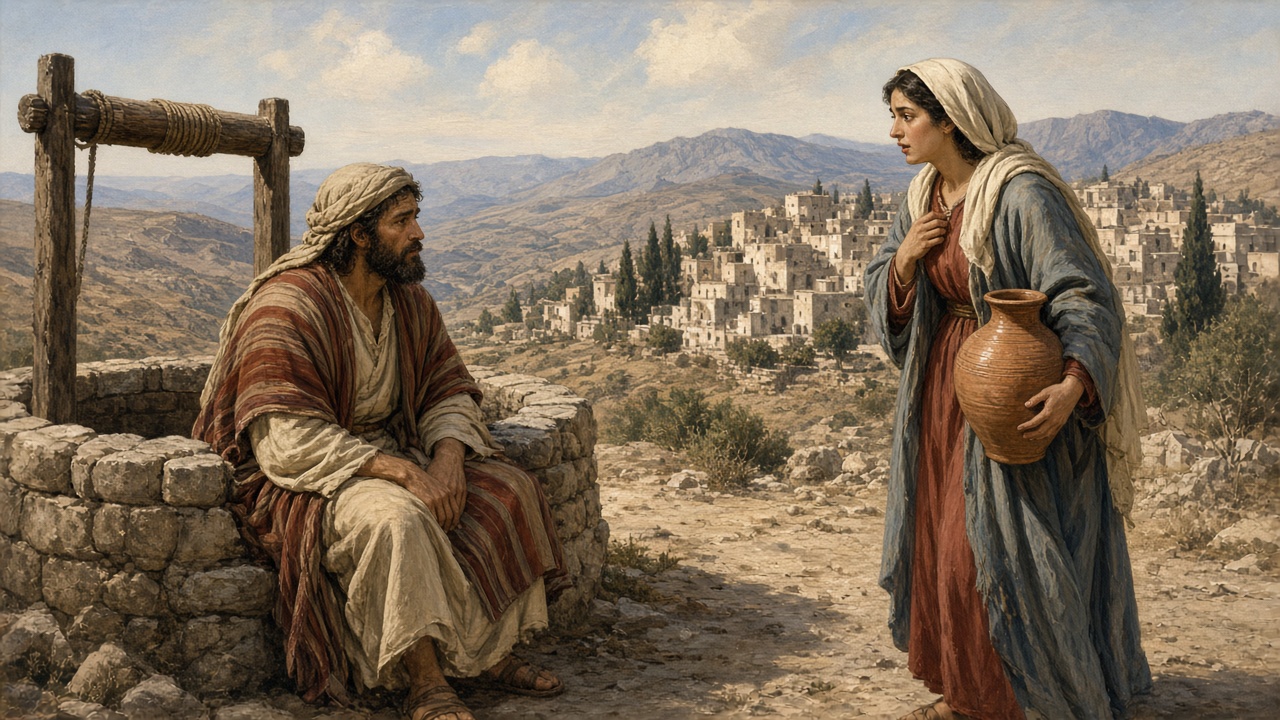
7Samalia ga nowo꞉ ho꞉n wa꞉fa꞉ni a꞉na mio꞉ ko꞉lo꞉, Ya꞉su eyo꞉ emo꞉wo꞉ a꞉la꞉sio꞉, “Giyo꞉ ho꞉no꞉ nelo꞉ ma꞉niki wasu mea꞉no꞉wo꞉ o꞉liyo꞉?” 8Ya꞉suwa꞉ enedo꞉ tili wida꞉sen kalu iyo꞉ ma꞉no꞉ kililia꞉no꞉ a꞉la꞉ta꞉ga꞉ amisa꞉na tiane ko꞉lo꞉, Ya꞉su e ina꞉li a꞉naka sen. 9Ya꞉su eyo꞉ a꞉la꞉dabu ba꞉dabiki, Samalia ga a꞉ma꞉yo꞉ a꞉la꞉sio꞉, “Ge Yu kalu. Ne Samalia ga ko꞉lo꞉ giyo꞉ nemo꞉wo꞉ ho꞉no꞉ waga wasu mena꞉ki sa꞉laya?” Elo꞉ a꞉la꞉do꞉ dabu ba꞉ba꞉yo꞉ mo꞉wo꞉ we. Yu kaluka꞉isale iliyo꞉ Samalia kaluka꞉isale o꞉lia꞉yo꞉ mo꞉ege dowan. 10Ya꞉su eyo꞉ ga o꞉mo꞉wo꞉ a꞉ma꞉la꞉ sa꞉laki a꞉la꞉sio꞉, “Ga ge Godeya꞉lo꞉ boba dimia꞉no꞉ a꞉no꞉lia꞉, kalu gemo꞉lo꞉ ho꞉ndo꞉ wasu mena a꞉lab a꞉no꞉lia꞉yo꞉ ge fanda asulo꞉ kibo꞉bowo꞉, giyo꞉ emo꞉ dabu ba꞉ba꞉ ko꞉lo꞉, eyo꞉ mela꞉no꞉lo꞉ a꞉lab ho꞉n a꞉no꞉ gemo꞉wo꞉ wasu mebabe.” 11A꞉la꞉sa꞉labiki ga a꞉ma꞉yo꞉ a꞉la꞉sio꞉ “Ho꞉n daido꞉ we kiyo꞉ wi henba ko꞉lo꞉, gilo꞉ ho꞉ndo꞉ wasulia꞉sa꞉ga꞉lo꞉ dia꞉ fa꞉la꞉ma꞉no꞉wo꞉ kelego꞉wo꞉ aundo꞉ma. A꞉la꞉fo꞉ko꞉lo꞉ gio꞉ mela꞉no꞉lo꞉ dimia꞉lab ho꞉n a꞉no꞉ o꞉bamida꞉ dia꞉no꞉wo꞉? 12Nili ma꞉mu Ya꞉kob eyo꞉lo꞉, ene so꞉lo꞉wo꞉lo꞉, ene no꞉ fofo꞉wo꞉lo꞉ ho꞉n we na꞉la꞉ga꞉yo꞉, eyo꞉ ho꞉n we nimo꞉ na꞉melea꞉ki ta꞉fo꞉gane ko꞉lo꞉, Ya꞉kobo꞉ gi tinio꞉ a꞉la꞉ sa꞉laya꞉le?” 13A꞉la꞉dabu ba꞉dabikiyo꞉, Ya꞉su eyo꞉ ga o꞉mo꞉wo꞉ a꞉la꞉sio꞉, “Kaluka꞉isale abeyo꞉ ho꞉n welo꞉ nab a꞉no꞉ wa꞉kabiyo꞉ ho꞉n maiyo꞉wo꞉ a꞉doma꞉ib. 14Ko꞉sega kaluka꞉isale abeyo꞉ ho꞉n nilo꞉ dimia꞉no꞉ welo꞉ nab a꞉no꞉, e tif amio꞉ ho꞉n maiyo꞉wo꞉ mo꞉doma꞉ib. A꞉la꞉ba, ho꞉n nilo꞉ emo꞉lo꞉ dimia꞉no꞉ a꞉ma꞉yo꞉ e usamio꞉ ho꞉n si ko꞉lo꞉ foga fa꞉la꞉dowa꞉lo꞉wo꞉ a꞉gaki, emo꞉wo꞉ ko꞉ngo꞉ mela꞉no꞉wo꞉ dimia꞉ib.” 15Ga a꞉ma꞉yo꞉ a꞉la꞉sio꞉, “Kalu Alan, ho꞉n ko nemo꞉ dimina. A꞉la꞉galikiyo꞉ ne ho꞉n maiyo꞉wo꞉ wa꞉kabiyo꞉ mo꞉doma꞉ib ko꞉lo꞉, ne ho꞉n si daido꞉ wenamio꞉ mo꞉wa꞉fa꞉ ya꞉mela꞉no꞉.” Ya꞉su o꞉lia꞉ Samalia ga o꞉lia꞉yo꞉ ho꞉n daido꞉ aniba tola꞉len.|alt="Jesus and the woman at the well" src="BA03029BW.tif" size="col" copy="(SIL) used with permission of Louise Bass." ref="4.7-8"
16Ya꞉su eyo꞉ emo꞉wo꞉ a꞉ma꞉la꞉bo꞉ a꞉la꞉sio꞉, “Ge ha꞉na꞉sa꞉ga꞉, ge kaluwo꞉ wena tililia꞉ ya꞉bi.” 17A꞉la꞉sa꞉labiki, ga a꞉ma꞉ sa꞉laki, “Ne kaluwo꞉ aundo꞉ma” a꞉la꞉sio꞉. Ya꞉su eyo꞉ ga o꞉mo꞉wo꞉ a꞉la꞉sio꞉, “Gilo꞉ ne kaluwo꞉ aundo꞉ma a꞉la꞉do꞉ sa꞉lab a꞉no꞉ hendele. 18Ge kaluwo꞉ bila꞉fo꞉wa ha꞉na꞉sa꞉ga꞉ ta꞉felo꞉ ko꞉lo꞉ a꞉lab. A꞉la꞉ta꞉ga꞉ kalu o꞉gdo꞉ ge o꞉lia꞉lo꞉ sab ko, ge kalulema. A꞉la꞉fo꞉ko꞉lo꞉ giyo꞉ hendele sio꞉.” 19A꞉la꞉sa꞉labikiyo꞉ ga a꞉ma꞉yo꞉ a꞉la꞉sio꞉, “Kalu Alan, niyo꞉ dinali sa꞉lan kaluwo꞉ ge a꞉la꞉asulo꞉ ko꞉lo꞉ giyo꞉ nemo꞉wo꞉ fanda sa꞉ma꞉no꞉wo꞉ o꞉liyo꞉? 20Nili ma꞉mu ima꞉yo꞉ hen misio꞉ wenamio꞉ Godemo꞉ wabulu sa꞉la꞉sen. Ko꞉sega Yu kalu giliyo꞉ Godemo꞉wo꞉ Ya꞉lusalem a꞉naka wabulu sa꞉la꞉lubi a꞉la꞉sa꞉la꞉sen. A꞉no꞉ mo꞉wo꞉ ha꞉?” 21A꞉la꞉sa꞉labiki Ya꞉su eyo꞉ a꞉la꞉sio꞉, “Ni to we ge tili asuluma. Ho꞉len nowo꞉ fa꞉la꞉doma꞉nigab ko꞉lo꞉, ho꞉len a꞉namio꞉ kaluka꞉isaleyo꞉ misio꞉ wenamio꞉lo꞉, Ya꞉lusalem a꞉namio꞉lo꞉ Do Godeyo꞉ mo꞉wabulu sa꞉ma꞉ib. 22Samalia kaluka꞉isale giliyo꞉ gilo꞉ mo꞉asulo꞉ o꞉mo꞉ wabulu sa꞉la꞉sen. Ko꞉sega Yu kalu niliyo꞉ nililo꞉ fanda asulo꞉ o꞉mo꞉ wabulu sa꞉la꞉sen. Mo꞉wo꞉ Gode eyo꞉ Yu kaluka꞉isaleya a꞉la꞉ta꞉ga꞉yo꞉ henfelo꞉ kaluka꞉isaleyo꞉ tambo ga꞉li mesea꞉ki a꞉ma꞉la꞉ gasilia꞉ib. 23Ko꞉sega ho꞉len no amio꞉, Godemo꞉lo꞉ hendele wabudab kaluka꞉isale i a꞉ma꞉yo꞉, Mamaya꞉ halaido꞉ o꞉lia꞉ Godeya꞉ to hendele a꞉na ilikiyo꞉, Domo꞉ wabulu sa꞉la꞉mela꞉ib. Ho꞉len a꞉no꞉ ko꞉na꞉ma fa꞉la꞉doma꞉nigab. Hendele ho꞉len a꞉no꞉ o꞉ma fa꞉la꞉dowab. Dowa꞉yo꞉ emo꞉lo꞉ wabulu sa꞉ma꞉no꞉wo꞉ kaluka꞉isale o꞉leo꞉ngo꞉wo꞉ ko꞉lo꞉ kedab. 24Gode e mama ko꞉lo꞉, kaluka꞉isale elo꞉ wabulu sa꞉lab a꞉ma꞉yo꞉ Mamaya꞉ halaido꞉ o꞉lia꞉ Godeya꞉ to hendele a꞉na ilikiyo꞉, o꞉li wabulu sa꞉ma꞉ib.” 25A꞉la꞉sa꞉labiki ga a꞉ma꞉yo꞉ a꞉la꞉sio꞉, “Niyo꞉ Ma꞉saya e mia꞉nigab a꞉la꞉asulo꞉. Kalu a꞉ma꞉ ene wiyo꞉ nowo꞉ Keliso a꞉la꞉sio꞉. E fa꞉la꞉dowa꞉sa꞉ga꞉yo꞉, nimo꞉wo꞉ kelego꞉ a꞉na tambo fanda sa꞉ma꞉ib, niyo꞉ a꞉la꞉asulab.” 26Ya꞉su eyo꞉ ga o꞉mo꞉wo꞉ a꞉la꞉sio꞉, “Gilo꞉ sa꞉lab ko, ge o꞉lia꞉lo꞉ tola꞉yo꞉ ne.”
27Ya꞉su e to a꞉no꞉ o꞉sa꞉la꞉lena, enedo꞉ tili wida꞉sen kalu iyo꞉ a꞉ma꞉la꞉ fa꞉la꞉dowakiyo꞉, e ga o꞉lia꞉ tola꞉lena ba꞉da꞉sa꞉ga꞉ iyo꞉ iligo꞉. Ko꞉sega iliyo꞉ “ge o꞉b kedaki tola꞉leno꞉?” o꞉ “Ge ga o꞉lia꞉yo꞉ waga tola꞉leno꞉?” a꞉la꞉bo꞉ mo꞉dabu ba꞉ba꞉. 28A꞉la꞉ta꞉ga꞉ ga a꞉ma꞉yo꞉ ene go꞉fo꞉ ho꞉ndo꞉ wa꞉sa꞉sen a꞉no꞉ ho꞉n si daido꞉ anib a꞉na ta꞉taki, e amisa꞉na a꞉ma꞉la꞉ ha꞉na꞉ga꞉yo꞉, kaluka꞉isale imo꞉wo꞉ a꞉la꞉sio꞉, 29“Nilo꞉ wo꞉no꞉lelo꞉ dimido꞉ a꞉no꞉ tambo kalu noma꞉yo꞉ kalaba sio꞉ ko꞉lo꞉, kalu a꞉no꞉ gio꞉ ba꞉ba꞉ni mena. Godeya꞉lo꞉ Da꞉feyo꞉ kaluwo꞉ eya꞉le?” 30A꞉la꞉ malolabikiyo꞉, iyo꞉ amisa꞉no꞉ ta꞉ta꞉sa꞉ga꞉, ha꞉la꞉ya handalowakiyo꞉, Ya꞉sulo꞉wa ya꞉sio꞉.
31Ga a꞉no꞉ amisa꞉na ha꞉na꞉sa꞉ga꞉ o꞉malola꞉lab amio꞉, Ya꞉suwa꞉ enedo꞉ tili wida꞉sen kalu iliyo꞉ Ya꞉sumo꞉wo꞉ “Widan kalu, ge ma꞉no꞉wo꞉ maiya” a꞉la꞉liki dibodo꞉. 32Ko꞉sega Ya꞉su eyo꞉ imo꞉wo꞉ a꞉la꞉sio꞉, “Ma꞉no꞉wo꞉ gilo꞉ mo꞉asulo꞉ a꞉no꞉, ne amio꞉ da꞉lab.” 33A꞉la꞉sa꞉labiki iliyo꞉ egelebo꞉ towo꞉ sa꞉lakiyo꞉, “Kaluka꞉isale noma꞉yo꞉ ma꞉no꞉wo꞉ emo꞉wo꞉ dia꞉ mio꞉wa꞉le?” a꞉la꞉nenelo꞉. 34Ya꞉su eyo꞉ a꞉la꞉sio꞉, “Nelo꞉ iliga꞉fo꞉ kalu a꞉ma꞉ asulo꞉ au kudu ha꞉naki, a꞉la꞉ta꞉ga꞉ nanogo꞉ elo꞉ a꞉no꞉ ko꞉lo꞉ ditandala꞉ma꞉no꞉ a꞉no꞉ ni ma꞉no꞉wo꞉ o꞉m. 35To we giliyo꞉ bale sa꞉lakiyo꞉ a꞉la꞉sa꞉la꞉sen, ‘Ele fa꞉la꞉da꞉ino꞉ ta꞉ta꞉ga꞉yo꞉, egelo꞉ a꞉no꞉ nafalia꞉sen.’ Ko꞉sega niyo꞉ gimo꞉wo꞉ a꞉la꞉so꞉lo꞉l. Gio꞉ dasiliakiyo꞉ egelo꞉ we sigili bo꞉ba. Egelo꞉ amio꞉ fowo꞉ nafale dia꞉no꞉le ko꞉lo꞉lab. 36Hendo꞉ biso꞉ kalu eyo꞉ folo꞉ tulan kalu ili nanog di amio꞉ moleyo꞉ kililia꞉lab, a꞉la꞉ta꞉ga꞉ ililo꞉ fo tulab a꞉no꞉ kaluka꞉isale mela꞉no꞉ mela꞉no꞉lo꞉ dio꞉ o꞉m. A꞉la꞉fo꞉ko꞉lo꞉ elo꞉ gelan kalu o꞉lia꞉ folo꞉ tulan kalu i a꞉no꞉ egelebo꞉ sagala꞉li doma꞉ib. 37To gililo꞉ sa꞉la꞉sen we hendele. ‘Kalu noma꞉yo꞉ eyo꞉ gela꞉sen ko꞉sega, noma꞉yo꞉ fowo꞉ tula꞉sen.’ 38Egelo꞉ amilo꞉ nanogo꞉ gilo꞉ mo꞉dimido꞉ a꞉namio꞉, niyo꞉ gio꞉ fowo꞉ a꞉na tuma꞉ki iliga꞉fo꞉. Nanog halaido꞉wo꞉ kalu nolba꞉ dimido꞉ ko꞉lo꞉, ililo꞉ nanog dimido꞉ a꞉ma꞉ fowo꞉, giliyo꞉ a꞉na tulab.” Ya꞉su eyo꞉ a꞉la꞉sio꞉.
39Ga a꞉ma꞉yo꞉ ene amisa꞉n kaluka꞉isalemo꞉ sa꞉lakiyo꞉, “Nilo꞉ dimida꞉len a꞉no꞉ tambo kalu wema꞉yo꞉ kalaba sio꞉.” A꞉la꞉sa꞉la꞉labikiyo꞉ Samalia kaluka꞉isale a꞉namilo꞉ sa꞉sen modo꞉wo꞉ Ya꞉su amio꞉ a꞉na tilidabu. 40Samalia kaluka꞉isaleyo꞉ Ya꞉sulo꞉wa fa꞉la꞉dowakiyo꞉, e i o꞉lia꞉ doma꞉niki ha꞉nolo sio꞉ ko꞉lo꞉, Ya꞉su e ho꞉len a꞉la꞉yo꞉ i o꞉lia꞉ a꞉na dowo꞉. 41A꞉la꞉fo꞉ko꞉lo꞉ kaluka꞉isale modo꞉wo꞉ elo꞉ to sa꞉lab a꞉no꞉ da꞉da꞉ga꞉yo꞉, Ya꞉su amio꞉ a꞉na tilidabu. 42Iliyo꞉ ga o꞉mo꞉wo꞉ a꞉la꞉sio꞉, “Gilo꞉ sa꞉la꞉lab amio꞉, nio꞉ Ya꞉su amio꞉ tilidabu ko꞉sega, o꞉go꞉ Ya꞉suwa꞉ enedo꞉ widab a꞉no꞉ nio꞉lo꞉ da꞉da꞉sa꞉ga꞉, hendele tili do꞉do꞉l. Niliyo꞉ kalu we henfelo꞉ kaluka꞉isalelo꞉ gasilia꞉nikilo꞉ mio꞉wo꞉ hendele welo꞉b a꞉la꞉asulo꞉l.”
Ya꞉su eyo꞉ gamani nanog dian kaluwa꞉ inso꞉wo꞉ falele alifa꞉
43Ya꞉su e hen a꞉namilo꞉ seno꞉ ho꞉len a꞉la꞉yo꞉ ta꞉ta꞉sa꞉ga꞉yo꞉, e Ga꞉lili ane. 44Tamin amio꞉ Ya꞉suwa꞉ ene sa꞉lakiyo꞉, “Dinali sa꞉lan kaluwa꞉ ene amisa꞉n a꞉namio꞉, kaluka꞉isaleya꞉yo꞉ e mo꞉wabuda꞉sen.” 45A꞉la꞉fo꞉ko꞉lo꞉ Ya꞉su e Ga꞉lili a꞉na fa꞉la꞉dowabikiyo꞉ kaluka꞉isale iliyo꞉ sagala꞉liki ba꞉ba꞉. Mo꞉wo꞉ tamin amio꞉ Tinio꞉ Asulo꞉ Ma꞉no꞉ ho꞉len a꞉namio꞉ iyo꞉ Ya꞉lusalem a꞉na kegeakiyo꞉, Ya꞉su elo꞉ a꞉namilo꞉ dimido꞉ a꞉no꞉ tambo ba꞉ba꞉.
46A꞉la꞉ta꞉ga꞉ Ya꞉suwo꞉ Ga꞉lili hen a꞉na sia꞉la꞉ga꞉yo꞉, elo꞉ tamin amilo꞉ ho꞉ndelo꞉ nodola꞉sa꞉ga꞉ waindo꞉ fa꞉la꞉dowo꞉ amisa꞉n Kana a꞉na wa꞉ka ane. Ho꞉len a꞉namio꞉ Kabaniom amisa꞉n amio꞉ gamani nanogdo꞉ dian kalu nowo꞉ sen ko꞉lo꞉, ene inso꞉wo꞉ walaf delen. 47Kalu a꞉ma꞉yo꞉ Ya꞉suwo꞉ Yudia heno꞉ ta꞉ta꞉ga꞉ Ga꞉lili hen a꞉na mio꞉ka꞉ a꞉la꞉sa꞉labiki dabu ko꞉lo꞉, e Ya꞉sulo꞉wa mio꞉. E a꞉na ha꞉na꞉ga꞉yo꞉, ene so꞉wa ko꞉lo꞉ walaf soma꞉no꞉ da꞉lab a꞉no꞉ Ya꞉suwo꞉ ya꞉sa꞉ga꞉ falele alifoma꞉ki susio꞉. 48A꞉la꞉susiabikiyo꞉ Ya꞉su eyo꞉ a꞉ma꞉la꞉bo꞉ a꞉la꞉sio꞉, “Gio꞉ molo ha꞉na꞉no꞉ dimido꞉ a꞉no꞉lia꞉ ele ba꞉ba꞉no꞉ ko꞉li ko꞉lilo꞉ a꞉no꞉ mo꞉ba꞉dalikiyo꞉, gio꞉ mada mo꞉tilida꞉ba꞉ib.” 49A꞉la꞉sa꞉labiki kalu a꞉ma꞉yo꞉ a꞉la꞉sio꞉, “Kalu Alan, ni so꞉wayo꞉ o꞉soma꞉nigab a꞉naka ge ni amisa꞉na bo꞉e mena” a꞉la꞉li susio꞉. 50Ya꞉su eyo꞉ emo꞉wo꞉ a꞉la꞉sio꞉, “Gi so꞉wayo꞉ o꞉li mesa꞉ib ko꞉lo꞉ ge a꞉ma꞉la꞉ hamana.” Kalu a꞉ma꞉yo꞉ to sa꞉lab a꞉no꞉ tili da꞉da꞉sa꞉ga꞉yo꞉, e a꞉ma꞉la꞉ ane.
51Kalu a꞉no꞉ ene ayamio꞉ o꞉fa꞉la꞉doma꞉ni ha꞉na꞉ga꞉ ha꞉nabikiyo꞉, ene nanogdo꞉ dian kalu nolo꞉ e toga galiliakiyo꞉, gi so꞉wayo꞉ o꞉li saka꞉ a꞉la꞉malolo꞉ me. 52A꞉la꞉malolo꞉ meabikiyo꞉, kalu a꞉ma꞉yo꞉ ene so꞉wayo꞉ ofa꞉siyo꞉ o꞉bami o꞉li dowabeyo꞉ a꞉la꞉dabu ba꞉ba꞉. A꞉la꞉dabu ba꞉dabikiyo꞉ iliyo꞉ a꞉la꞉sio꞉, “Aliyo꞉ ofa꞉siyo꞉ agela dowabiki, ofo꞉ walaf e amilo꞉ elen a꞉no꞉ a꞉na bulutabe.” 53A꞉la꞉sa꞉labiki iyaya꞉yo꞉ ofa꞉si Ya꞉suwa꞉lo꞉ “Gi so꞉wayo꞉ o꞉li mesa꞉ib” a꞉la꞉do꞉ sio꞉, ofa꞉sile a꞉naka o꞉li dowo꞉lo꞉b a꞉la꞉asulo꞉. A꞉la꞉fo꞉ko꞉lo꞉ kalu a꞉no꞉lo꞉, ene ayamilo꞉ sa꞉sen a꞉no꞉lo꞉ tambo Ya꞉su amio꞉ a꞉na tilidabu. 54Ya꞉suwo꞉ Yudia heno꞉ ta꞉ta꞉sa꞉ga꞉, Ga꞉lili fa꞉la꞉dowo꞉ a꞉namio꞉, molo ha꞉na꞉no꞉ andeb dimido꞉wo꞉ o꞉m.
Did you know?
Living Water in Samaria
- Jesus left Judea to return to Galilee, and the Gospel says he had to pass through Samaria. Under the Romans in Jesus' time, Judea was the southernmost of Palestine's three divisions, distinguished from Samaria and Galilee, and the narrative notes that Jews did not associate with Samaritans.Sources: the Bible text itself · Judea
- He came to Sychar, near the plot of ground that Jacob had given his son Joseph, and, weary from the journey, sat down by Jacob's well. Easton's Bible Dictionary (1897) records that from the time of the Crusaders Sychar was usually identified with Shechem, but that explorations had identified it with 'Askar, a small Samaritan town on the southern base of Ebal, about a mile north of the well.Sources: the Bible text itself · Sychar
- The woman contrasted worship on this mountain with the Jewish claim that one must worship in Jerusalem, and she spoke of a coming Messiah, called Christ. When the disciples returned from buying food in the town, they were surprised that Jesus was speaking with a woman.Sources: the Bible text itself
Notes written with AI assistance from open sources (Theographic Bible Metadata, CC BY-SA 4.0; Easton’s Bible Dictionary, public domain) and reviewed before publishing.
Places in this chapter
- Galilee · 32.760, 35.527 · verses 3, 43, 45, 46, 47, 54
- Judea · Today: Judea 1 · 31.777, 35.234 · verses 3, 47, 54
- Samaria · Today: Samaria 2 · 32.276, 35.195 · verses 4, 5, 7, 9
- Jerusalem · 31.777, 35.234 · verses 20, 21, 45
- Mount Gerizim · 32.199, 35.273 · verse 20
Only places identified with high confidence are shown (90% or more according to the scholarly sources compiled by OpenBible). Period map: DARE (Digital Atlas of the Roman Empire), CC BY 4.0; modern map: © OpenStreetMap contributors; places: OpenBible.info (CC BY 4.0).
Credits and license for this translation
Godeya꞉ To Nafayo꞉ We
The New Testament, Genesis, and Ruth in the Kaluli language of Papua New Guinea
Sampela hap Buk Baibel long tokples Kaluli long Niugini
copyright © 1998-2022 Wycliffe Bible Translators, Inc.
Language: Kaluli
Translation by: Wycliffe Bible Translators
This translation is made available to you under the terms of the
Creative Commons Attribution-Noncommercial-No Derivatives license 4.0.
You may share and redistribute this Bible translation or extracts from it in any format, provided that:
You include the above copyright and source information.
You do not sell this work for a profit.
You do not change any of the words or punctuation of the Scriptures.
Pictures included with Scriptures and other documents on this site are licensed just for use with those Scriptures and documents.
For other uses, please contact the respective copyright owners.
2025-03-12
Source: http://png.bible/bco/ · eBible.org