John 3
Godeya꞉ To Nafayo꞉ We · Tap a verse to see its cross-references.
Ya꞉suwo꞉ Nikodimas o꞉lia꞉ tola꞉len
1Fa꞉lisi kalu nowo꞉ Nikodimas ko꞉lo꞉ elen. Yu amilo꞉ ganisolo kalu nowo꞉ e. 2Nulu no amio꞉ e Ya꞉sulo꞉wa ha꞉na꞉ga꞉ a꞉la꞉sio꞉, “Widan kalu, kalu nowo꞉ Godeyo꞉ e o꞉lia꞉ mo꞉dowai kibo꞉bowo꞉, molo ha꞉na꞉no꞉ gilo꞉ dimidab o꞉leaumbo꞉ mada modimidamabe. A꞉la꞉fo꞉ko꞉lo꞉ widan kalu Godeya꞉lo꞉ iliga꞉fo꞉wo꞉ ge, niliyo꞉ a꞉la꞉asulo꞉l.”
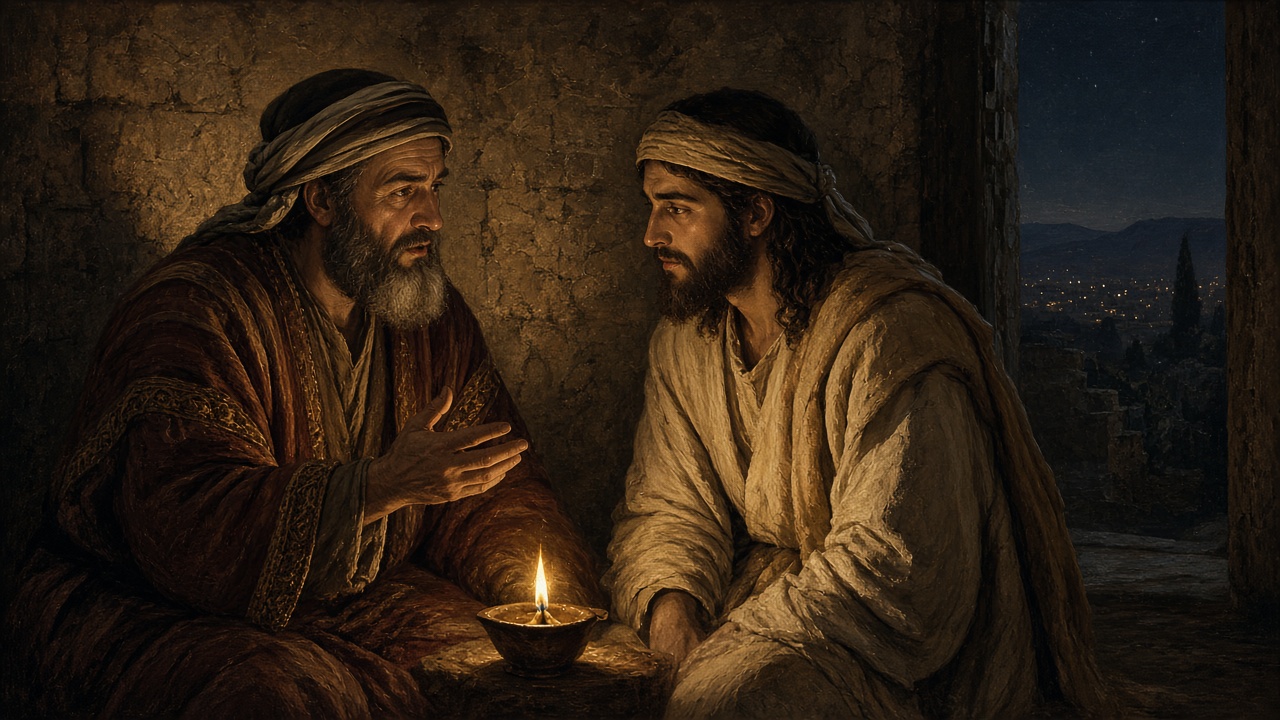
3Ya꞉su eyo꞉ a꞉ma꞉la꞉bo꞉ a꞉la꞉sio꞉, “Niyo꞉ gemo꞉wo꞉ hendele so꞉lo꞉l. Kalu abeyo꞉ e wa꞉kabiyo꞉ mo꞉sa꞉la꞉lialega, Godeya꞉lo꞉ bo꞉fo꞉mela꞉no꞉ hen a꞉no꞉ mo꞉ba꞉ba꞉ib.” 4A꞉la꞉sa꞉labiki Nikodimas eyo꞉ a꞉la꞉dabu ba꞉ba꞉, “Kalu ko꞉go꞉do꞉ dowo꞉ a꞉no꞉ wa꞉ka a꞉sa꞉la꞉lia꞉nikiyo꞉, anowa꞉ kufa꞉ usamio꞉ mada mo꞉tinan ko꞉lo꞉ e waga a꞉sa꞉la꞉lia꞉iba꞉le?” Nulu no amio꞉ Nikodimas e Ya꞉sulo꞉wa fa꞉la꞉doma꞉ni ane.|alt="Jesus and Nicodemus" src="C063_gr.tif" size="col" copy="© 1997 New Tribes Mission/Foreign Mission Board, Southern Baptist Convention. Used with permission." ref="3.1-3"
5Ya꞉su eyo꞉ a꞉ma꞉la꞉ sa꞉laki, “Niyo꞉ gemo꞉wo꞉ hendele so꞉lo꞉l. Kalu abeyo꞉ ho꞉n o꞉lia꞉ Mama o꞉lia꞉ a꞉na ilikiyo꞉ mo꞉sa꞉la꞉lialega, e Godeya꞉lo꞉ bo꞉fo꞉mela꞉no꞉ hen a꞉namio꞉ mo꞉tina꞉ib. 6Do꞉mo꞉wa꞉lo꞉ sa꞉la꞉liab a꞉no꞉ do꞉mo꞉wa꞉no꞉ ka doma꞉ib. Ko꞉sega Mamaya꞉lo꞉ sa꞉la꞉liab a꞉no꞉, mamaya꞉no꞉ doma꞉ib. 7Nilo꞉ ‘Gio꞉ wa꞉ka sa꞉la꞉lia꞉bi’ a꞉la꞉do꞉ so꞉lo꞉l a꞉namio꞉ molo asula꞉so꞉bo. 8Fa꞉fa꞉so꞉ enedo꞉ asulab au ka ha꞉na꞉sen. Giyo꞉ fa꞉fa꞉sa꞉ fowo꞉ da꞉dan ko꞉sega, e o꞉bamida꞉ a꞉la꞉ta꞉ga꞉ yaba꞉le, o꞉ o꞉bamida꞉ ha꞉naba꞉le giyo꞉ mo꞉asulab. A꞉la꞉gab ko꞉lo꞉ kaluka꞉isale Mama amilo꞉ sa꞉la꞉liab a꞉no꞉lo꞉ o꞉lea꞉ngab.”
9Nikodimas eyo꞉ to sa꞉lab a꞉no꞉ da꞉da꞉sa꞉ga꞉yo꞉ a꞉la꞉dabu ba꞉ba꞉, “To gilo꞉ sa꞉lab ko waga fa꞉la꞉doma꞉iba?” 10Ya꞉su eyo꞉ a꞉ma꞉la꞉bo꞉ a꞉la꞉sio꞉, “Isolael kaluka꞉isalelo꞉ widan kaluwo꞉ ge ko꞉sega, ge to we o꞉semo꞉ fanda asulo꞉wo꞉ mo꞉wo꞉ ha꞉? 11Niyo꞉ gemo꞉wo꞉ hendele so꞉lo꞉l. Nililo꞉ asululi a꞉no꞉ widaki, a꞉la꞉ta꞉ga꞉ nililo꞉ ba꞉ba꞉ a꞉no꞉ fanda sa꞉la꞉len. Ko꞉sega gio꞉ to nilo꞉ sio꞉ a꞉no꞉ gola ba꞉ba꞉. 12Niyo꞉ gilido꞉ henfelo꞉ amilo꞉ kelego꞉ ba꞉da꞉sen a꞉no꞉ ko꞉lo꞉ sa꞉lab amio꞉, giliyo꞉ mo꞉tilida꞉dab. A꞉la꞉fo꞉ko꞉lo꞉ niyo꞉ Hebenelo꞉ kelego꞉ halo ko꞉lo꞉ gimo꞉ sa꞉lalega, giliyo꞉ waga tili da꞉ba꞉no꞉wo꞉? 13Kaluka꞉isale nolo꞉ Hebeneyo꞉ mo꞉ane ko꞉lo꞉lab. Kalule Dowo꞉ Hebene a꞉la꞉ta꞉ga꞉lo꞉ mio꞉ imilise e ba꞉ba꞉ ko꞉lo꞉lab. 14Mo꞉sa꞉s elo꞉ kalaleli hen amilo꞉ sowa꞉ ko꞉lo꞉ i amilo꞉ deheda꞉sa꞉ga꞉lo꞉ dulugu alifa꞉ o꞉leaumbo꞉, Kalule Dowo꞉ elo꞉ a꞉la꞉dulugu alifa꞉ib. 15Kaluka꞉isaleyo꞉ e amilo꞉ tilida꞉dab a꞉no꞉ tambo ko꞉ngo꞉ mela꞉no꞉wo꞉ dima꞉kiyo꞉, e a꞉na dulugu alifa꞉ib.
16“Gode eyo꞉ henfelo꞉ kaluka꞉isaleyo꞉ mada alan asulo꞉ ko꞉lo꞉, ene so꞉wa imiligo꞉ a꞉na dimi. A꞉la꞉dimido꞉ ko꞉lo꞉, kaluka꞉isale abeyo꞉ e amilo꞉ tilida꞉dab a꞉no꞉ mo꞉sowaki, mela꞉no꞉ mela꞉no꞉wo꞉ dia꞉ib. 17Gode elo꞉ ene so꞉wa ko꞉lo꞉ henfelo꞉ wenamilo꞉ iliga꞉fo꞉ a꞉no꞉, kaluka꞉isale we ko꞉lo꞉ mo꞉walila꞉sa꞉ga꞉, ge halayo꞉ dimido꞉ a꞉la꞉sama꞉ki iliga꞉foma. Ko꞉sega so꞉waya a꞉la꞉ta꞉ga꞉yo꞉ henfelo꞉ kaluka꞉isale we a꞉ma꞉la꞉ gasilima꞉ki, a꞉na iliga꞉fo꞉. 18Kaluka꞉isale abeyo꞉ e amilo꞉ tili da꞉dab a꞉no꞉ mo꞉walilab amio꞉, e hala dimido꞉ a꞉la꞉bo꞉ mo꞉sa꞉ma꞉ib. Ko꞉sega kaluka꞉isale abeyo꞉ e amilo꞉ mo꞉tili da꞉dab a꞉no꞉ iyo꞉ o꞉ma mo꞉walila꞉sa꞉ga꞉ hala dimido꞉ a꞉la꞉safo꞉lab, mo꞉wo꞉ i a꞉no꞉ Godeya꞉ ene so꞉wa imilise a꞉ma꞉ wi amio꞉ mo꞉tili dabu. 19A꞉la꞉ta꞉ga꞉ mo꞉walilima꞉ib a꞉ma꞉ mo꞉wo꞉ we. Ho꞉lendeyo꞉ henfelo꞉ wenamio꞉ fa꞉la꞉dowo꞉ ko꞉sega, kaluka꞉isale iliyo꞉ man mogago꞉le dimida꞉likiyo꞉ ho꞉leno꞉ mo꞉asulaki, iyo꞉ sololiyo꞉ mada alan asula꞉sen. 20Kaluka꞉isale man mogago꞉le dimida꞉lab a꞉ma꞉yo꞉ ho꞉leno꞉ mada mo꞉beakigab. Mogago꞉ ililo꞉ dimida꞉lab a꞉no꞉ kalab amio꞉ mo꞉walama꞉no꞉ asulaki, iyo꞉ ho꞉len us a꞉namio꞉ mo꞉tina꞉sen. 21Ko꞉sega kaluka꞉isale abeyo꞉ Godeya꞉ to hendelelo꞉ kudu ha꞉na꞉lab a꞉no꞉, ho꞉lena꞉ usa doma꞉ni ya꞉sia꞉lab. Kalu nolba꞉yo꞉ nanog ililo꞉ dimido꞉ a꞉no꞉ Gode eya iliki dimido꞉ a꞉la꞉asuluma꞉kiyo꞉, iyo꞉ ho꞉len usa dowab.”
Yo꞉n ho꞉n amilo꞉ to꞉lolan a꞉ma꞉yo꞉ Ya꞉suwo꞉ fanda wido꞉
22A꞉ma꞉ fa꞉s amio꞉ Ya꞉suwo꞉ o꞉lia꞉ enedo꞉ tili wida꞉sen kalu i o꞉lia꞉yo꞉ Yudia hen a꞉na ane. E ho꞉len nolo꞉ i o꞉lia꞉ a꞉na silikiyo꞉, kaluka꞉isaleyo꞉ ho꞉na to꞉lola꞉len. 23O꞉g a꞉namio꞉ Yo꞉n eyo꞉lo꞉ ho꞉na to꞉lola꞉len. Salim aniba Ainon amisa꞉n a꞉namio꞉ ho꞉no꞉ modo꞉ delen ko꞉lo꞉ kaluka꞉isale modo꞉wo꞉ ho꞉na to꞉loma꞉kiyo꞉, Yo꞉n elo꞉wa ya꞉sia꞉len. 24Ho꞉len a꞉namio꞉ Yo꞉n e dibolo ayamio꞉ o꞉semo꞉ to꞉lolo꞉.
25Yo꞉n enedo꞉ tili wida꞉sen kalu nol o꞉lia꞉ Yu kalu nowo꞉lia꞉yo꞉ towa꞉ mo꞉mo꞉da kego꞉. Godeya꞉ siwa꞉l amio꞉ kaluwo꞉ nafale doma꞉kilo꞉ ho꞉n amilo꞉ to꞉go꞉dan man a꞉no꞉ egelebo꞉ towa꞉yo꞉ kego꞉. 26A꞉la꞉fo꞉ko꞉lo꞉ iyo꞉ Yo꞉n elo꞉wa ya꞉ga꞉yo꞉ a꞉la꞉sio꞉, “Widan kalu, ge Yodano꞉ nodowa silikilo꞉ kalu ge o꞉lia꞉lo꞉ dofo꞉likilo꞉ gilo꞉ fanda sio꞉ kalu a꞉no꞉ asuluma. Kalu a꞉ma꞉yo꞉ kaluka꞉isaleyo꞉ ho꞉na to꞉lola꞉labikiyo꞉, kaluka꞉isale tambowo꞉ elo꞉wa ha꞉na꞉sia꞉lab.” 27A꞉la꞉sa꞉labiki Yo꞉n eyo꞉ imo꞉wo꞉ a꞉la꞉sio꞉, “Gode Hebenelo꞉ a꞉lab eyo꞉ nanog nowo꞉ mo꞉da꞉fea꞉sa꞉ga꞉ ta꞉talega, kaluwa꞉yo꞉ kelego꞉ imilig nowo꞉ mada mo꞉dimidama꞉ib. 28Niyo꞉ gimo꞉wo꞉ tamin amio꞉ a꞉la꞉sio꞉, ‘Godeya꞉lo꞉ Da꞉feyo꞉ kaluwo꞉ nema. Ko꞉sega tamina hamana꞉kilo꞉ iliga꞉fo꞉wo꞉ ne.’ Nilo꞉ sio꞉ a꞉no꞉ gio꞉ dabu ko꞉lo꞉ o꞉li sa꞉ma꞉ib. 29Kaluwa꞉yo꞉ gayo꞉ diab amio꞉, ga ko꞉ kalu elo꞉ samelo꞉wa ha꞉na꞉ib. Kalu ida꞉nido꞉ ege dowan a꞉no꞉ kalu mia꞉no꞉ a꞉no꞉ ka꞉la꞉gede yasila꞉la꞉ga꞉, kalu a꞉ma꞉ towo꞉ da꞉da꞉ga꞉yo꞉, e sagalo꞉wo꞉ alan doma꞉ib. O꞉leaumbo꞉, o꞉go꞉ ne sagalo꞉wo꞉ mada alan dowab. 30Kalu e, wilo꞉ alande doma꞉ib. A꞉la꞉ta꞉ga꞉ ne wilo꞉ma e ha꞉ga doma꞉ib.
31“Halona a꞉la꞉ta꞉ga꞉lo꞉ mio꞉ kalu a꞉ma꞉yo꞉ kaluka꞉isaleyo꞉ tambo e tinio꞉ ko꞉lo꞉lab. Henfelo꞉ kaluwo꞉ henfelo꞉ a꞉ma꞉no꞉ ko꞉lo꞉, henfelo꞉ kelego꞉ a꞉no꞉ ko꞉lo꞉ sa꞉la꞉mela꞉ib. Ko꞉sega Hebene a꞉la꞉ta꞉ga꞉lo꞉ mio꞉ a꞉no꞉, kaluka꞉isaleyo꞉ tambo e tinio꞉ ko꞉lo꞉lab. 32Elo꞉ ba꞉ba꞉ o꞉lia꞉ dabu a꞉no꞉lia꞉yo꞉ eyo꞉ fanda wida꞉len. Ko꞉sega kaluka꞉isale iliyo꞉ elo꞉ to sio꞉ a꞉no꞉ gola ba꞉da꞉len. 33Kaluka꞉isale abeyo꞉ to elo꞉ sio꞉lo꞉ tilida꞉dab a꞉ma꞉yo꞉ Gode eyo꞉ hendele sio꞉lo꞉b a꞉la꞉ widakigab. 34Mo꞉wo꞉ Gode eyo꞉ enedo꞉ iliga꞉fo꞉ o꞉mo꞉wo꞉ ene Mamayo꞉ mo꞉aloba꞉daki, tambo ililo꞉le dimi ko꞉lo꞉ kalu a꞉ma꞉yo꞉ Godeya꞉ toleyo꞉ ko꞉lo꞉ sa꞉la꞉sen. 35Iyaya꞉yo꞉ ene So꞉wayo꞉ mada alan asulab ko꞉lo꞉, e bo꞉fo꞉melea꞉kiyo꞉ kelego꞉ tambowo꞉ e dagiya difa꞉. 36Kaluka꞉isale abeyo꞉ So꞉wa amilo꞉ tili da꞉dab a꞉no꞉, ko꞉ngo꞉ mela꞉no꞉wo꞉ di ko꞉lo꞉lab. Ko꞉sega kaluka꞉isale abeyo꞉ inso꞉wa꞉ tolo꞉ gola ba꞉dab a꞉no꞉, ko꞉ngo꞉ mela꞉no꞉wo꞉ mo꞉dia꞉ib. A꞉la꞉ta꞉ga꞉ Godeya꞉ gadio꞉wo꞉ e amio꞉ dia꞉fo꞉mela꞉ib.”
Did you know?
New birth and John's witness
- Nicodemus, whose name means "the people is victor," was a Pharisee and a member of the Sanhedrin. He came to Jesus at night to learn more of his teaching, and the Gospel calls him a leader of the Jews; Jesus addresses him as Israel's teacher.Sources: Nicodemus · the Bible text itself
- After this conversation, Jesus and his disciples went into the Judean countryside, under the Romans the southernmost of the three divisions of Palestine. John was also baptizing at Aenon near Salim, because water was plentiful there; Salim, whose name means "peaceful," lay west of the Jordan. Aenon means "springs," and Easton's Bible Dictionary (1897) places it probably near the upper source of the Wady Far'ah, an open valley full of springs running from Mount Ebal to the Jordan.Sources: the Bible text itself · Judea · Aenon · Salim
- In this chapter John tells his disciples that he is not the Christ but was sent ahead of him, and the narrative notes that he had not yet been thrown into prison. Easton's Bible Dictionary (1897) describes him as the forerunner of Jesus, of priestly descent, and says that his mission was the subject of prophecy.Sources: the Bible text itself · John the Baptist
Notes written with AI assistance from open sources (Theographic Bible Metadata, CC BY-SA 4.0; Easton’s Bible Dictionary, public domain) and reviewed before publishing.
Places in this chapter
- Jerusalem · 31.777, 35.234 · verse 22
- Judea · Today: Judea 1 · 31.777, 35.234 · verse 22
- Jordan · Today: Jordan River · 31.761, 35.558 · verse 26
Only places identified with high confidence are shown (90% or more according to the scholarly sources compiled by OpenBible). Period map: DARE (Digital Atlas of the Roman Empire), CC BY 4.0; modern map: © OpenStreetMap contributors; places: OpenBible.info (CC BY 4.0).
Credits and license for this translation
Godeya꞉ To Nafayo꞉ We
The New Testament, Genesis, and Ruth in the Kaluli language of Papua New Guinea
Sampela hap Buk Baibel long tokples Kaluli long Niugini
copyright © 1998-2022 Wycliffe Bible Translators, Inc.
Language: Kaluli
Translation by: Wycliffe Bible Translators
This translation is made available to you under the terms of the
Creative Commons Attribution-Noncommercial-No Derivatives license 4.0.
You may share and redistribute this Bible translation or extracts from it in any format, provided that:
You include the above copyright and source information.
You do not sell this work for a profit.
You do not change any of the words or punctuation of the Scriptures.
Pictures included with Scriptures and other documents on this site are licensed just for use with those Scriptures and documents.
For other uses, please contact the respective copyright owners.
2025-03-12
Source: http://png.bible/bco/ · eBible.org