Genesis 9
Godeya꞉ To Nafayo꞉ We · Tap a verse to see its cross-references.
Gode eyo꞉ Noamo꞉ dinali sio꞉
1Gode eyo꞉ Noa o꞉lia꞉ inso꞉ otalen o꞉lia꞉yo꞉ nafale mesea꞉ki, towo꞉ imo꞉wo꞉ a꞉la꞉dinali sio꞉, “Giliyo꞉ so꞉wayo꞉ sa꞉la꞉la꞉i ha꞉nakiyo꞉, modo꞉ fa꞉la꞉dowaki, henfelo꞉ we tambo ilila꞉bi. 2No꞉ ilaboda꞉lo꞉ a꞉lab ko꞉li ko꞉lilo꞉wo꞉lo꞉, o꞉ba꞉ iwalulo꞉ a꞉labo꞉lo꞉, no꞉ kelego꞉ galin hen amilo꞉ dalolia꞉ ha꞉nano꞉lo꞉, a꞉la꞉ta꞉ga꞉ ka꞉ ho꞉n amilo꞉ a꞉labo꞉lo꞉, tambowo꞉ ge ba꞉da꞉ga꞉yo꞉ tagi doma꞉ib ko꞉lo꞉, iyo꞉ gi halaido꞉ a꞉ma꞉ ha꞉ga doma꞉ib. 3Tamin amio꞉ i fo꞉s gemo꞉lo꞉ maiya꞉kilo꞉ dimi o꞉leaumbo꞉, o꞉go꞉ no꞉ henfelo꞉ amilo꞉ dalale san a꞉no꞉ tambo gi na꞉melea꞉ki ta꞉to꞉l. 4Ko꞉sega ho꞉bo꞉ a꞉namio꞉ mela꞉no꞉wo꞉ a꞉lab ko꞉lo꞉, no꞉ ho꞉bo꞉lo꞉ a꞉lab a꞉no꞉ na꞉so꞉boka꞉. 5Noma꞉yo꞉ gio꞉ nowo꞉ ho꞉bo꞉wo꞉ tulaki sana sowalega, elo꞉ hala dimido꞉ amilo꞉ wa꞉l dia꞉ib a꞉no꞉ ni da꞉fema꞉no꞉. No꞉wa꞉le, kaluwa꞉le, ge sana sowalega, e wa꞉dema꞉no꞉wo꞉ ni da꞉fema꞉no꞉. Hendele, kaluka꞉isale abeyo꞉ kalu nowo꞉ ko꞉lo꞉ sana sowalega, wa꞉l elo꞉ dia꞉no꞉ a꞉no꞉ ni da꞉fema꞉no꞉.
6“Kaluka꞉isaleyo꞉ Gode eyo꞉ inin misido꞉ dimido꞉. A꞉la꞉fo꞉ko꞉lo꞉ kalu abeyo꞉ kaluka꞉isale nowo꞉ ko꞉lo꞉ sana sowalega, kalu a꞉no꞉lo꞉ sanala꞉bi a꞉la꞉saeto꞉l.
7A꞉la꞉ta꞉ga꞉ giliyo꞉ so꞉wayo꞉ sa꞉la꞉la꞉i ha꞉nakiyo꞉, modo꞉ fa꞉la꞉dowaki, henfelo꞉ we tambo ilila꞉bi.” Gode eyo꞉ a꞉la꞉sio꞉.
8A꞉la꞉sa꞉la꞉sa꞉ga꞉ Gode eyo꞉ Noa o꞉lia꞉ inso꞉ otalen o꞉lia꞉mo꞉wo꞉ a꞉la꞉sio꞉, 9“Dabuma! O꞉go꞉ niyo꞉ gi o꞉lia꞉ so꞉wa gilo꞉ sa꞉la꞉la꞉i ha꞉na꞉no꞉ o꞉lia꞉mo꞉wo꞉, to nowo꞉ dinali saefa꞉no꞉. 10To a꞉no꞉ henfelo꞉ amilo꞉ mela꞉no꞉lo꞉ kelego꞉ gi o꞉lia꞉lo꞉ a꞉lab a꞉no꞉, o꞉ba꞉yo꞉lo꞉, no꞉ fofano꞉lo꞉, no꞉ ilaboda꞉lo꞉ sano꞉lo꞉ a꞉no꞉ tambo ho꞉n ko꞉su usa a꞉la꞉ta꞉ga꞉ ge o꞉lia꞉ handalowo꞉ ko꞉lo꞉, to saeto꞉l we uaya꞉no꞉ ko꞉lo꞉ saeto꞉l. 11Niyo꞉ to we gi o꞉lia꞉ saetakiyo꞉ a꞉la꞉so꞉lo꞉l. Niyo꞉ henfelo꞉ amio꞉ mela꞉no꞉lo꞉ a꞉lab a꞉no꞉ tambo ho꞉na꞉yo꞉ wa꞉kabiyo꞉ mo꞉yasa danela꞉ma꞉no꞉. A꞉la꞉ta꞉ga꞉ henfelo꞉ wiyo꞉ ho꞉no꞉ galusana yakiyo꞉, wa꞉kabiyo꞉ mo꞉mogagila꞉ma꞉ib.” Gode eyo꞉ a꞉la꞉saefa꞉.
12A꞉la꞉saeta꞉ga꞉yo꞉ Gode eyo꞉ wa꞉ka a꞉la꞉sio꞉, “To saefa꞉ a꞉no꞉ gi o꞉lia꞉, gililo꞉ sa꞉la꞉la꞉i ha꞉na꞉lab o꞉lia꞉yo꞉lo꞉, a꞉la꞉ta꞉ga꞉ mela꞉no꞉lo꞉ a꞉lab kelego꞉ gi o꞉lia꞉lo꞉ a꞉lab a꞉no꞉lia꞉yo꞉lo꞉ tambo dinali saefa꞉ a꞉no꞉, o꞉go꞉lo꞉ tif amio꞉lo꞉ dowa꞉i ha꞉na꞉mela꞉ib ko꞉lo꞉ ele ba꞉da꞉mela꞉no꞉wo꞉ we. 13Ne o꞉lia꞉ henfelo꞉ o꞉lia꞉yo꞉ towo꞉ saeto꞉l ko꞉lo꞉, gio꞉ ele ba꞉da꞉melea꞉kiyo꞉, niyo꞉ kola꞉ us amio꞉ sowa꞉silo꞉wo꞉ dia꞉to꞉l. 14Henfelo꞉ amio꞉ niyo꞉ kolo꞉ iliga꞉takiyo꞉, sowa꞉silo꞉wo꞉ kola꞉ us amio꞉ fa꞉la꞉dowalikiyo꞉, no꞉no꞉ndo꞉ gi o꞉lia꞉ a꞉la꞉ta꞉ga꞉ henfelo꞉ amilo꞉ mela꞉no꞉lo꞉ a꞉lab o꞉lia꞉mo꞉lo꞉ to dinali saefa꞉ a꞉no꞉ niyo꞉ asula꞉mela꞉no꞉. A꞉la꞉fo꞉ko꞉lo꞉ henfelo꞉ wiyo꞉ ho꞉no꞉ galu sana yakiyo꞉, mela꞉no꞉lo꞉ a꞉lab a꞉no꞉ wa꞉kabiyo꞉ mo꞉yasa danela꞉ma꞉ib. 16Kol amio꞉ sowa꞉silo꞉wo꞉ ba꞉dakiyo꞉, no꞉no꞉ndo꞉ i o꞉lia꞉lo꞉ to dinali saefa꞉ a꞉no꞉ a꞉na a꞉asuluma꞉no꞉. To a꞉no꞉ ne o꞉lia꞉ henfelo꞉ amilo꞉ mela꞉no꞉wo꞉ a꞉lab o꞉lia꞉ tambo saefa꞉ ko꞉lo꞉ to a꞉no꞉ ko꞉ngo꞉ dowa꞉i ha꞉na꞉mela꞉ib.” Gode eyo꞉ a꞉la꞉saefa꞉. 17A꞉la꞉fo꞉ko꞉lo꞉ Gode eyo꞉ Noamo꞉wo꞉ a꞉la꞉sio꞉, “Niyo꞉ henfelo꞉ amilo꞉ mela꞉no꞉lo꞉ a꞉lab kelego꞉ o꞉lia꞉lo꞉ tambo to dinali saefa꞉ a꞉no꞉ ele ba꞉da꞉mela꞉no꞉wo꞉ o꞉m.”
Noaya꞉ eso꞉lo꞉wa꞉ wiyo꞉ we
18Noaya꞉ ene inso꞉, e o꞉lia꞉lo꞉ ho꞉n ko꞉suwa a꞉la꞉ta꞉ga꞉lo꞉ handalowo꞉ a꞉no꞉ we, Sa꞉m, Ham, Yafa꞉d. Ham eyo꞉ Ka꞉ina꞉n ko꞉lo꞉ sa꞉la꞉li. 19A꞉la꞉fo꞉ko꞉lo꞉ kaluka꞉isale henfelo꞉ amilo꞉ ta꞉i ha꞉nab we, tambo Noaya꞉ inso꞉ otalen a꞉na a꞉la꞉ta꞉ga꞉ fa꞉la꞉dowo꞉.
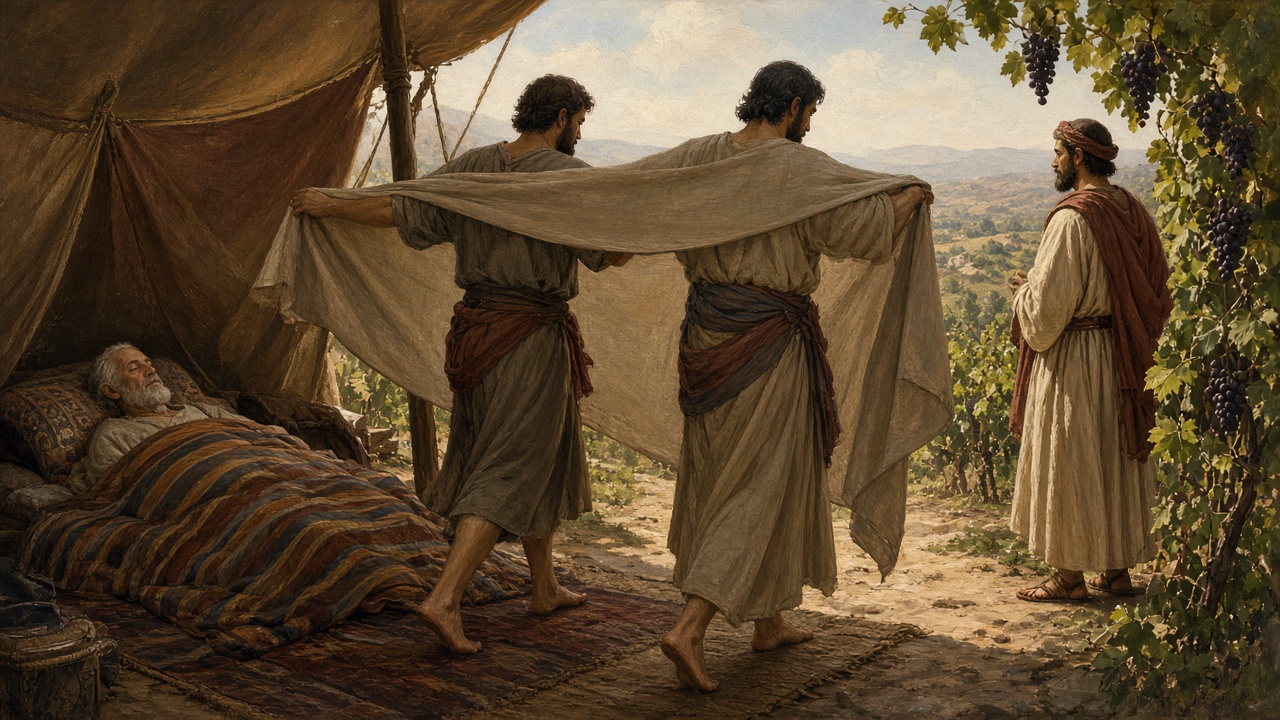
20Noa e, elo꞉ gela꞉mela꞉no꞉ kalu dowo꞉. Eyo꞉ me fo nolo꞉ wain ho꞉n dimidama꞉niki, gela꞉la꞉ga꞉ bo꞉fo꞉len. A꞉la꞉do꞉ dimidama꞉no꞉wo꞉ e mo꞉mo꞉do꞉. 21Tif amio꞉ Noa e wain ho꞉no꞉ na꞉la꞉ga꞉ no꞉nolaki, ene so꞉g a usa hagulabo alifo꞉len. 22A꞉la꞉dimida꞉sa꞉ga꞉ elena, Ka꞉ina꞉na꞉ iya Hamo꞉ ya꞉sa꞉ga꞉, iyayo꞉ hagulabo alifo꞉leno꞉ ba꞉da꞉sa꞉ga꞉, ene ao a꞉la꞉mo꞉wo꞉ ha꞉la꞉ya sa꞉ma꞉ni ane. 23Ko꞉sega Sa꞉m o꞉lia꞉ Yafa꞉d o꞉lia꞉ma꞉yo꞉ helebeso꞉go꞉ fa꞉s doba꞉da꞉ go꞉lufo꞉ ha꞉na꞉ga꞉, iya ko꞉lo꞉ hagulabolo꞉ da꞉lab a꞉no꞉ helebeso꞉g a꞉ma꞉ go꞉lu alifa꞉. A꞉la꞉fo꞉ko꞉lo꞉ a꞉la꞉yo꞉ milifo꞉ iyalo꞉ doba꞉da꞉yo꞉ mo꞉ta꞉fo꞉ ko꞉lo꞉, iya hagulabolo꞉ da꞉lab a꞉no꞉ mo꞉ba꞉ba꞉. 24Noa e no꞉nolo꞉ alifo꞉len a꞉no꞉ a꞉sikaga ga꞉ta꞉ga꞉yo꞉, inso꞉ tifa꞉lo꞉ emo꞉lo꞉ dimido꞉ a꞉no꞉ asulakiyo꞉ a꞉la꞉sio꞉,
25“Hida꞉yo꞉ alano꞉ Ka꞉ina꞉n e dia꞉ib.
E mada wilo꞉ma dowaki,
ene ao iya꞉ madali nanog dian kalu doma꞉ib.”
26A꞉la꞉ta꞉ga꞉ Noa eyo꞉ to nowo꞉ a꞉kudu sa꞉lakiyo꞉ a꞉la꞉sio꞉,
“Niyo꞉ Sa꞉ma꞉ Gode, Yawe emo꞉wo꞉ mada wabudaki so꞉lo꞉l.
Ka꞉ina꞉n e Sa꞉ma꞉ ene nanog dia꞉no꞉ kalu doma꞉ib.
27Yafa꞉da꞉ eso꞉lo꞉wo꞉ modo꞉ doma꞉ki, niyo꞉ Godemo꞉ dulugu so꞉lo꞉l.
Yafa꞉da꞉ eso꞉lo꞉ a꞉no꞉, Sa꞉ma꞉ eso꞉lo꞉ o꞉lia꞉yo꞉ nafale mesea꞉ki so꞉lo꞉l.
A꞉la꞉ta꞉ga꞉ Ka꞉ina꞉n e Yafa꞉da꞉ madali nanog dia꞉no꞉ kalu doma꞉ki so꞉lo꞉l.”
28A꞉la꞉fo꞉ko꞉lo꞉ ho꞉na꞉lo꞉ galu sana mio꞉ a꞉na a꞉la꞉ta꞉ga꞉yo꞉, Noayo꞉ dona nolo꞉ 350 a꞉la꞉fo꞉ ko꞉lo꞉ gulula꞉. 29Noa e henfelo꞉ wenamilo꞉ seno꞉ donayo꞉ dikudu agelo꞉wo꞉ 950 a꞉la꞉fo꞉wo꞉ ta꞉ta꞉ga꞉, e a꞉na sowo꞉.
Did you know?
Noah's Covenant and the Words about His Sons
- God makes a covenant with Noah, with his descendants, and with every living creature that came out of the ark, promising never again to destroy all life by a flood. The sign is a rainbow set in the clouds, for all generations. One chronology dates this covenant to 2346 BC.Sources: the Bible text itself · God makes a covenant with Noah
- Genesis 9 says the whole earth was populated from Shem, Ham, and Japheth. Shem is explained as 'a name' or 'renown,' probably the eldest and the ancestor of the Israelites, though Japheth is also described as perhaps first by birth. Japheth means 'wide spreading,' a play on the Hebrew 'God shall enlarge Japheth,' and is linked to many tribes in the east of Europe and the north of Asia; Ham, meaning 'warm' or 'hot,' and hence the south, is called Noah's youngest son.Sources: the Bible text itself · Shem · Japheth · Ham
- Noah, a man of the soil, plants a vineyard, drinks the wine, and lies uncovered in his tent. Shem and Japheth cover him while walking backward, faces turned away, an act a dictionary calls filial piety and the occasion of the prophecy that Japheth's descendants would spread. The curse is spoken against Canaan, Ham's fourth son, because of what his father had done; one chronology dates the episode to 2345 BC.Sources: the Bible text itself · Japheth · Canaan · Noah gets drunk and Canaan is cursed
Notes written with AI assistance from open sources (Theographic Bible Metadata, CC BY-SA 4.0; Easton’s Bible Dictionary, public domain) and reviewed before publishing.
Credits and license for this translation
Godeya꞉ To Nafayo꞉ We
The New Testament, Genesis, and Ruth in the Kaluli language of Papua New Guinea
Sampela hap Buk Baibel long tokples Kaluli long Niugini
copyright © 1998-2022 Wycliffe Bible Translators, Inc.
Language: Kaluli
Translation by: Wycliffe Bible Translators
This translation is made available to you under the terms of the
Creative Commons Attribution-Noncommercial-No Derivatives license 4.0.
You may share and redistribute this Bible translation or extracts from it in any format, provided that:
You include the above copyright and source information.
You do not sell this work for a profit.
You do not change any of the words or punctuation of the Scriptures.
Pictures included with Scriptures and other documents on this site are licensed just for use with those Scriptures and documents.
For other uses, please contact the respective copyright owners.
2025-03-12
Source: http://png.bible/bco/ · eBible.org