Genesis 8
Godeya꞉ To Nafayo꞉ We · Tap a verse to see its cross-references.
Ho꞉n galumio꞉wo꞉ suguli
1A꞉la꞉dimido꞉ ko꞉sega, Gode eyo꞉ Noayo꞉ a꞉la꞉ta꞉ga꞉ no꞉ ilaboda꞉ sano꞉lo꞉, no꞉ fofano꞉lo꞉, ho꞉n ko꞉su usamilo꞉ e o꞉lia꞉lo꞉ sen a꞉no꞉ tambo o꞉asulo꞉ka꞉. A꞉la꞉fo꞉ko꞉lo꞉ Gode eyo꞉ fa꞉fa꞉so꞉ henfelo꞉ amio꞉ fofa꞉sa꞉ melea꞉ki ta꞉fo꞉, ko꞉lo꞉ fa꞉fa꞉so꞉ folabikiyo꞉, ho꞉no꞉ a꞉ma꞉la꞉ mo꞉mo꞉da tugula꞉i tiane. 2Ho꞉n hena꞉ ha꞉g amilo꞉ deleno꞉ togolia꞉ga꞉lo꞉ ya꞉len a꞉no꞉ kalitaki, a꞉la꞉ta꞉ga꞉ ho꞉n akin halomilo꞉ tinda꞉len a꞉no꞉lo꞉ kalifa꞉. 3A꞉la꞉gabiki ho꞉no꞉ a꞉ma꞉la꞉ elo꞉ delena ha꞉nabikiyo꞉, ololo tugula꞉i tiane. Ho꞉no꞉ tugula꞉likilo꞉ ti ha꞉na꞉leno꞉, ho꞉leno꞉ 150 a꞉la꞉fo꞉ us a꞉namio꞉ ho꞉no꞉ tugula꞉li tiane. 4Ho꞉len a꞉no꞉ kedeta꞉ga꞉yo꞉ ele dom amio꞉, ho꞉len agelo꞉wo꞉ do꞉la꞉ta꞉ga꞉ dom amio꞉, ho꞉n ko꞉su a꞉no꞉ tinda꞉ga꞉, Alalat misio꞉wa ti ali. 5A꞉la꞉ta꞉ga꞉ ho꞉no꞉ ele otaleno꞉ o꞉tugula꞉i tina꞉len ko꞉lo꞉, ele do a꞉na ho꞉len agel amio꞉ hen misio꞉ nolo꞉ kalaba fa꞉la꞉dowabi ba꞉ba꞉.
6A꞉la꞉ta꞉ga꞉ misio꞉wo꞉ ba꞉da꞉ga꞉lo꞉ yasiseno꞉, ho꞉len do꞉la꞉fo꞉ fa꞉la꞉da꞉ino꞉ ta꞉ta꞉ga꞉, Noa eyo꞉ ho꞉n ko꞉su amilo꞉ ho꞉ ko꞉lo꞉ tamin amilo꞉ gulu a꞉no꞉ koda꞉sa꞉ga꞉, salage nowo꞉ iliga꞉fo꞉. O꞉ba꞉ a꞉no꞉ ho꞉n ko꞉su amio꞉ a꞉ma꞉la꞉yo꞉ mo꞉yaki, ho꞉no꞉ semo꞉ suguli amio꞉ e iwalu ha꞉lelia꞉ sia꞉len. 8A꞉la꞉ta꞉ga꞉ a꞉ma꞉ fa꞉s amio꞉, Noa eyo꞉ ho꞉no꞉ henfelo꞉ amio꞉ mada suguliya꞉le a꞉la꞉bo꞉ asuluma꞉ni, o꞉ba꞉ hiyo꞉ a꞉na iliga꞉fo꞉. 9Ko꞉sega henfelo꞉ wiyo꞉ ho꞉no꞉ o꞉delen ko꞉lo꞉, o꞉ba꞉ hi a꞉no꞉ elo꞉ mesa꞉no꞉wo꞉ mo꞉ba꞉dabiki, Noalo꞉wa a꞉ma꞉la꞉ yabiki, Noaya꞉ dagiyo꞉ tandola꞉sa꞉ga꞉, o꞉ba꞉ hiyo꞉ ta꞉ulia꞉ga꞉, ko꞉su usa a꞉ta꞉fo꞉. 10A꞉la꞉fo꞉ko꞉lo꞉ Noayo꞉ ho꞉len dom a꞉la꞉fo꞉wo꞉ o꞉yasisa꞉ga꞉, o꞉ba꞉ hi a꞉no꞉ wa꞉ka iliga꞉fo꞉. 11Ga꞉lowo꞉ o꞉ba꞉ hi a꞉no꞉ a꞉ma꞉la꞉ dalolia꞉ yakiyo꞉, o꞉lif i fo꞉s hondo꞉wo꞉ ma꞉lifo꞉ mio꞉ ko꞉lo꞉, Noa eyo꞉ ho꞉no꞉ henfelo꞉ amio꞉ sugulilo꞉b a꞉la꞉asulo꞉. 12A꞉la꞉ta꞉ga꞉ Noa e ho꞉leno꞉ doma꞉la꞉fo꞉ o꞉yasisa꞉ga꞉, o꞉ba꞉ hi a꞉no꞉ wa꞉ka iliga꞉fo꞉ ko꞉sega, o꞉ba꞉ a꞉no꞉ a꞉ma꞉la꞉bo꞉ wa꞉kabiyo꞉ mo꞉mio꞉.
13Noa e donayo꞉ 601 ta꞉ta꞉sa꞉ga꞉, ele agel a꞉na, ho꞉len agela꞉ dowabiki, henfelo꞉ amio꞉ ho꞉no꞉ suguli ko꞉lo꞉, Noa eyo꞉ ho꞉n ko꞉su wa꞉l amilo꞉ go꞉lo꞉wo꞉ hugula꞉sa꞉ga ba꞉ba꞉ amio꞉, ho꞉no꞉ hendele suguliya ba꞉ba꞉. 14Ele andeb amilo꞉ ho꞉len agelo꞉wo꞉ do꞉la꞉fo꞉ a꞉la꞉ a꞉la꞉ta꞉ga꞉ dom a꞉la꞉fo꞉ a꞉namio꞉ heno꞉ kalalilia꞉sa꞉ga꞉, halaido꞉ fa꞉la꞉dowo꞉. 15Gode eyo꞉ Noamo꞉wo꞉ a꞉la꞉sio꞉, “Ga꞉ ga o꞉lia꞉, ga꞉ so꞉wa otaleno꞉ a꞉la꞉ta꞉ga꞉ ingala꞉la꞉yo꞉, gio꞉ tambo ha꞉la꞉ya hamana. 17Mela꞉no꞉lo꞉ a꞉lab kelego꞉ ho꞉n ko꞉su amilo꞉ disa꞉ a꞉no꞉ tambo, o꞉ba꞉yo꞉lo꞉, no꞉ fofano꞉lo꞉, no꞉ ilaboda꞉ sano꞉lo꞉, no꞉ kelego꞉ galin hen amilo꞉ dalolia꞉ ha꞉nano꞉lo꞉, ge o꞉lia꞉ a꞉ma꞉la꞉ ha꞉la꞉ya tililia꞉ga꞉ handaloma. A꞉la꞉do꞉ dimido꞉ a꞉ma꞉yo꞉, iyo꞉ henfelo꞉wa ha꞉na꞉sia꞉sa꞉ga꞉, inso꞉wo꞉ mo꞉lilo꞉ sugusula꞉i ha꞉naki, henfelo꞉ we ililila꞉ma꞉ki go꞉.” Godeya꞉ a꞉la꞉sio꞉. 18A꞉la꞉sa꞉labiki Noayo꞉, ingayo꞉, inso꞉ otaleno꞉ a꞉la꞉ta꞉ga꞉ inso꞉wa꞉ ingala꞉la꞉yo꞉ ha꞉la꞉ya ua handalowo꞉. 19A꞉la꞉ta꞉ga꞉ no꞉ henfelo꞉ amilo꞉ dalale san a꞉no꞉ tambo, no꞉ fofano꞉lo꞉, no꞉ ilaboda꞉ sano꞉lo꞉, no꞉ kelego꞉ galin hen amilo꞉ dalolia꞉ ha꞉nano꞉lo꞉, o꞉ba꞉yo꞉lo꞉, tambo ho꞉n ko꞉suwa a꞉la꞉ta꞉ga꞉ inin misili alifelo꞉ a꞉no꞉ ua ele handalowo꞉.
20A꞉la꞉dimida꞉sa꞉ga꞉yo꞉, Noa eyo꞉ Yaweya꞉ ene wi duludaki boba so꞉kugulu mea꞉nikiyo꞉, uwo꞉ dibida꞉i fa꞉la꞉nda꞉sa꞉ga꞉, imili alifa꞉. No꞉ o꞉lia꞉ o꞉ba꞉ o꞉lia꞉, kaluwa꞉lo꞉ o꞉li nan i a꞉no꞉ imilida꞉lo꞉wo꞉ dia꞉sa꞉ga꞉, u wa꞉l ami Yawemo꞉ so꞉kugulu me. 21No꞉ mundo꞉ nafa ko꞉lo꞉ kugulu so꞉da꞉lab a꞉no꞉ Yawe eyo꞉ da꞉da꞉sa꞉ga꞉, ene asulo꞉ amio꞉ towo꞉ a꞉la꞉dinali sa꞉laki, “Ho꞉leno꞉ tambowo꞉ kaluka꞉isaleyo꞉ o꞉so꞉waya a꞉la꞉ta꞉ga꞉ ha꞉nakiyo꞉, asulo꞉ inido꞉ma꞉yo꞉ mogago꞉le dimida꞉mela꞉no꞉ asula꞉sen. Ko꞉sega kaluwa꞉lo꞉ mogago꞉ dimido꞉ a꞉no꞉ wa꞉deakiyo꞉, henfelo꞉ we wa꞉kabiyo꞉ mo꞉mogagila꞉ma꞉no꞉. A꞉la꞉ta꞉ga꞉ nilo꞉ o꞉gdo꞉ mela꞉no꞉lo꞉ a꞉labo꞉ tambo yasala꞉ aumbo꞉, wa꞉kabiyo꞉ mada mo꞉dimidama꞉no꞉. Noa o꞉lia꞉ ene so꞉lo꞉ o꞉lia꞉ma꞉yo꞉ Godemo꞉ bo꞉ba dimi.|alt="Noah offers sacrifice, with rainbow" src="C011_gr.tif" size="col" copy="© 1997 New Tribes Mission/Foreign Mission Board, Southern Baptist Convention. Used with permission." ref="8.20-22"
22“Henfelo꞉ we o꞉dofo꞉lalikiyo꞉,
egema꞉no꞉ ho꞉leno꞉lo꞉, hende dia꞉no꞉ ho꞉leno꞉lo꞉ fa꞉la꞉dowa꞉mela꞉ib.
Hido꞉ ho꞉leno꞉lo꞉, ofo꞉ ho꞉leno꞉lo꞉ fa꞉la꞉dowa꞉mela꞉ib.
Ta꞉no꞉lo꞉, imowo꞉lo꞉, donayo꞉lo꞉ fa꞉la꞉dowa꞉mela꞉ib.
Ho꞉lenowo꞉lo꞉, nuluwo꞉lo꞉ fa꞉la꞉dowa꞉mela꞉ib.
Kelego꞉ a꞉no꞉ mo꞉edaki, fa꞉la꞉dowa꞉mela꞉ib.”
Did you know?
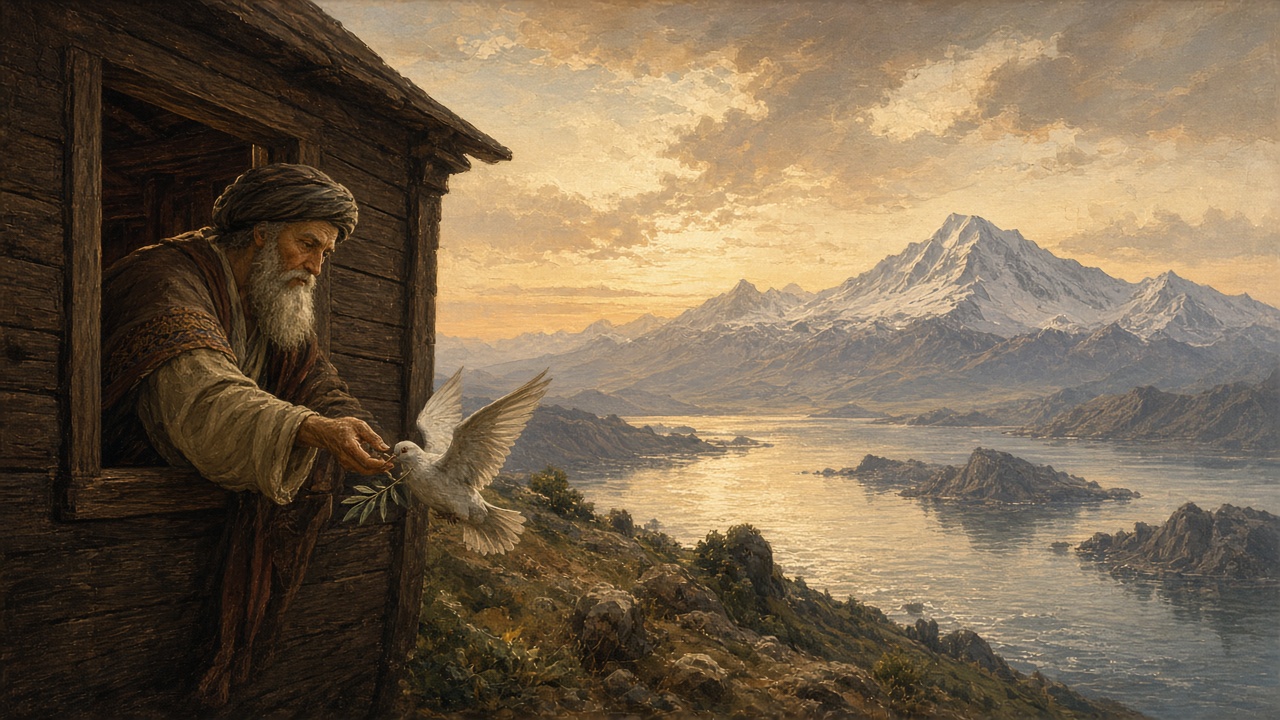
The Waters Recede
- The ark came to rest on the mountains of Ararat, a name meaning “sacred land” or “high land” for a country on whose mountains the ark settled after the flood. Easton's Bible Dictionary (1897) suggests those mountains were probably the Kurdish range of southern Armenia, though the name is also commonly applied to a high, almost inaccessible peak rising from the plain of the Araxes. In 2 Kings 19:37 and Isaiah 37:38 the Authorized Version renders the name “Armenia” and the Revised Version “land of Ararat,” while Jeremiah 51:27 uses it for central or southern Armenia.Sources: Ararat · the Bible text itself
- Noah’s Hebrew name means “rest,” and in this chapter the ark itself comes to rest as the waters go down. He was the son of Lamech and the grandson of Methuselah, and the father of Shem, Ham, and Japheth. Easton's Bible Dictionary describes him as the connecting link between the old world and the new, and as a second great progenitor of the human family.Sources: Noah · the Bible text itself
- Chronological notes place the Great Flood in 2347 BC, lasting one year; the subsiding of the waters in 2346 BC, over 220 days; and the leaving of the ark in 2346 BC, as a single day. In the chapter itself, the waters have gone down after 150 days and the ark rests on the seventeenth day of the seventh month; on the first day of the first month of Noah’s six hundred and first year the waters have dried up, and by the twenty-seventh day of the second month the earth is fully dry.Sources: The Great Flood · The flood subsides · Leaving the Ark · the Bible text itself
Notes written with AI assistance from open sources (Theographic Bible Metadata, CC BY-SA 4.0; Easton’s Bible Dictionary, public domain) and reviewed before publishing.
Places in this chapter
- Ararat · Today: Urartu · 39.703, 44.300 · verse 4
Only places identified with high confidence are shown (90% or more according to the scholarly sources compiled by OpenBible). Period map: DARE (Digital Atlas of the Roman Empire), CC BY 4.0; modern map: © OpenStreetMap contributors; places: OpenBible.info (CC BY 4.0).
Credits and license for this translation
Godeya꞉ To Nafayo꞉ We
The New Testament, Genesis, and Ruth in the Kaluli language of Papua New Guinea
Sampela hap Buk Baibel long tokples Kaluli long Niugini
copyright © 1998-2022 Wycliffe Bible Translators, Inc.
Language: Kaluli
Translation by: Wycliffe Bible Translators
This translation is made available to you under the terms of the
Creative Commons Attribution-Noncommercial-No Derivatives license 4.0.
You may share and redistribute this Bible translation or extracts from it in any format, provided that:
You include the above copyright and source information.
You do not sell this work for a profit.
You do not change any of the words or punctuation of the Scriptures.
Pictures included with Scriptures and other documents on this site are licensed just for use with those Scriptures and documents.
For other uses, please contact the respective copyright owners.
2025-03-12
Source: http://png.bible/bco/ · eBible.org