Genesis 4
Godeya꞉ To Nafayo꞉ We · Tap a verse to see its cross-references.
Ka꞉in o꞉lia꞉ A꞉ibol o꞉lia꞉ma꞉yo꞉ boba kelego꞉wo꞉ Godemo꞉ dimi
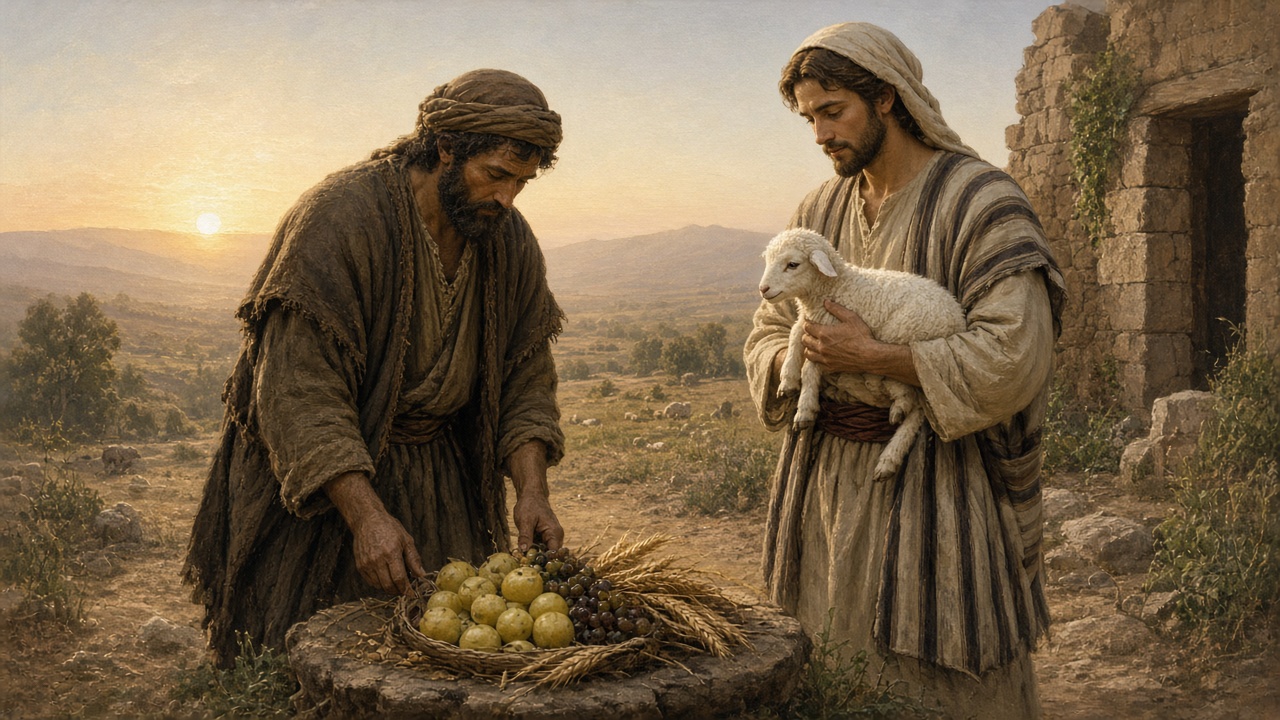
1Adamo꞉ inga If o꞉lia꞉ alila꞉len ko꞉lo꞉, If e so꞉wayo꞉ a꞉na alela꞉sa꞉ga꞉, kalu so꞉wa ko꞉lo꞉ sa꞉la꞉li. Ifa꞉yo꞉ towo꞉ a꞉la꞉sio꞉, “Yawe eyo꞉ ne asufa꞉ ko꞉lo꞉, niyo꞉ kalu so꞉wayo꞉ dio꞉l.” A꞉la꞉sa꞉la꞉sa꞉ga꞉ so꞉wa a꞉no꞉ “Ka꞉in” wikilo꞉. 2Tif amio꞉ If eyo꞉ Ka꞉ina꞉ aowo꞉ sa꞉la꞉lia꞉sa꞉ga꞉, “A꞉ibol” wikilo꞉. A꞉la꞉yo꞉ analia꞉sa꞉ga꞉yo꞉, A꞉ibol e sibilo꞉ bo꞉fo꞉mela꞉no꞉ kalu dowo꞉, a꞉la꞉ta꞉ga꞉ Ka꞉in e egela꞉mela꞉no꞉ kalu dowo꞉. 3Ho꞉len no amio꞉, Ka꞉in eyo꞉ egelo꞉ amio꞉ fowo꞉ dia꞉sa꞉ga꞉, hebo꞉ Yawemo꞉ boba dimi. 4A꞉la꞉ta꞉ga꞉ A꞉ibol eyo꞉lo꞉ sibi inso꞉ wa꞉la꞉b imilig nowo꞉ noba꞉iya꞉sa꞉ga꞉, heb nafale safdo꞉ a꞉lab a꞉no꞉ Yawemo꞉ boba dimi. A꞉la꞉dimidabiki Yawe eyo꞉ A꞉ibol o꞉lia꞉ ene boba dimiab o꞉lia꞉mo꞉wo꞉ sagalo꞉. 5Ko꞉sega Yawe eyo꞉ Ka꞉in o꞉lia꞉ ene boba dimiab o꞉lia꞉mo꞉wo꞉ mo꞉sagalo꞉. A꞉la꞉fo꞉ko꞉lo꞉ Ka꞉in e mada gadiakiyo꞉, ene wo꞉lokano꞉ hida꞉lia꞉ga꞉ dowo꞉. 6A꞉la꞉gabiki Yawe eyo꞉ Ka꞉inbo꞉wo꞉ a꞉la꞉dabu ba꞉ba꞉, “Ge wangabi gadiaya? Ge wo꞉lokano꞉ hida꞉liab ko mo꞉wo꞉ ha꞉? 7Ge man nafa dimidalega, niyo꞉ gemo꞉wo꞉ o꞉li sagalema꞉no꞉. Ko꞉sega ge man nafayo꞉ mo꞉dimidalega, man mogago꞉ a꞉ma꞉yo꞉ ge golula꞉ma꞉niki toga yasisab. Mogago꞉ a꞉ma꞉yo꞉ ge bo꞉fo꞉mela꞉nigab ko꞉sega, giyo꞉ mogago꞉ a꞉no꞉ wa꞉la꞉ sa꞉ndaki tiginila꞉bi.” Gode eyo꞉ a꞉la꞉sio꞉. Ka꞉in o꞉lia꞉ A꞉ibol o꞉lia꞉ma꞉ bobayo꞉ Godemo꞉ so꞉kugulu me.|alt="Cain and Able offer sacrifices" src="01_Ge_04_03_RG_gr.tif" size="col" copy="© Sweet Publishing http://sweetpublishing.com, licensed under a CC: BY-SA 3.0 Unported licence" ref="4.3"
8A꞉la꞉ta꞉ga꞉ Ka꞉in eyo꞉ ene ao A꞉ibolbo꞉wo꞉ a꞉la꞉sio꞉, “Na꞉no꞉ egelo꞉wa ho꞉no꞉ka꞉.” A꞉la꞉ta꞉ga꞉ a꞉la꞉yo꞉ egelo꞉wa ha꞉na꞉sa꞉ga꞉ ilikiyo꞉, Ka꞉in eyo꞉ ao o꞉lia꞉yo꞉ babuma꞉no꞉wo꞉ mo꞉mo꞉da꞉sa꞉ga꞉, ao A꞉ibolo꞉ a꞉na sana sowo꞉. 9Tif amio꞉ Yawe eyo꞉ Ka꞉inbo꞉wo꞉ a꞉la꞉dabu ba꞉ba꞉, “Gao A꞉ibolo꞉ ha꞉?” A꞉la꞉dabu ba꞉dabiki, Ka꞉in eyo꞉, “Ne babalab. Ne naolo꞉ bo꞉fo꞉mela꞉no꞉ kalu dowo꞉ma,” a꞉la꞉sio꞉. 10A꞉la꞉ta꞉ga꞉ Yawe eyo꞉ Ka꞉inbo꞉wo꞉ a꞉la꞉sio꞉, “Gilo꞉ mogago꞉ dimido꞉wo꞉ mo꞉wo꞉ ha꞉? Gaowa꞉ ho꞉bo꞉ hen amilo꞉ tulo꞉ a꞉no꞉ ya꞉la꞉likiyo꞉, ho꞉bo꞉ a꞉ma꞉yo꞉ mogago꞉ gilo꞉ dimido꞉ a꞉no꞉ ko꞉lo꞉ ho꞉ida꞉lab. 11A꞉la꞉fo꞉ko꞉lo꞉ o꞉go꞉ niyo꞉ gemo꞉ towo꞉ halaido꞉ dinali sa꞉ma꞉nigo꞉l. Dagi gilo꞉ma꞉yo꞉ gaowo꞉ sana sowaki, ho꞉bo꞉wo꞉ hen amio꞉ tulo꞉ ko꞉lo꞉, gilo꞉ dimido꞉ a꞉ma꞉yo꞉ o꞉go꞉ hena꞉yo꞉ ge mo꞉asuwa꞉ta꞉mela꞉ib. A꞉la꞉fo꞉ko꞉lo꞉ giyo꞉ eyo꞉ gelalikiyo꞉, hen a꞉ma꞉yo꞉ hendeyo꞉ nafaleyo꞉ mo꞉hele alifa꞉ib. Ge hendo꞉ma dowakiyo꞉, ge mageso꞉ kalu sia꞉mela꞉ib.” Yawe eyo꞉ a꞉la꞉dinali sio꞉. 13Ka꞉ino꞉ Yawe elo꞉ to sa꞉lab a꞉no꞉ da꞉da꞉sa꞉ga꞉, a꞉ma꞉la꞉ sa꞉laki, “Gilo꞉ falasilo꞉ nemo꞉lo꞉ dimiab we mada alan ko꞉lo꞉, ne o꞉lia꞉yo꞉ mo꞉lilo꞉. 14O꞉go꞉ ne hen wilo꞉ doma꞉no꞉wo꞉lo꞉ a꞉la꞉ta꞉ga꞉ ge o꞉lia꞉lo꞉ doma꞉no꞉wo꞉, giyo꞉ ne o꞉lusa꞉ndab ko꞉lo꞉, giyo꞉ ne ba꞉ba꞉no꞉ asulo꞉wo꞉ mo꞉doma꞉ib. Ne heno꞉ aundo꞉ma dowakiyo꞉, mageso꞉ kalu o꞉ngo꞉ iliki henfelo꞉ we tambo sia꞉mela꞉no꞉. A꞉la꞉ta꞉ga꞉ kalu abeyo꞉ ne galilialega, ne sana soma꞉ib.” 15A꞉la꞉sa꞉labiki Yawe eyo꞉ a꞉ma꞉la꞉bo꞉ a꞉la꞉sio꞉, “A꞉la꞉bo꞉ mo꞉auma꞉ib. Kalu noma꞉yo꞉ Ka꞉ino꞉ sa꞉ndalega, niyo꞉ kalu o꞉mo꞉wo꞉ wa꞉dia꞉lowo꞉wo꞉ doma꞉la꞉fo꞉ ko꞉lo꞉ dimia꞉no꞉” Gode eyo꞉ a꞉la꞉saeta꞉ga꞉yo꞉, kalu noma꞉yo꞉ Ka꞉ino꞉ ba꞉da꞉sa꞉ga꞉ sanaetabena꞉kiyo꞉, ele ba꞉ba꞉no꞉ imilig nowo꞉ Ka꞉in eya difa꞉.
Ka꞉ina꞉ ene eso꞉lo꞉wa꞉ wiyo꞉ we
16A꞉la꞉fo꞉ko꞉lo꞉ Ka꞉in e Yawe o꞉lia꞉lo꞉ dofo꞉leno꞉ ta꞉ta꞉sa꞉ga꞉, hen nowa doma꞉ni ane. Hen a꞉no꞉ ene wiyo꞉ Nod. Nod hen a꞉no꞉ Ida꞉n hen ofdo꞉ yan doba꞉da꞉ dowo꞉. 17Ka꞉ino꞉ inga o꞉lia꞉ alila꞉len ko꞉lo꞉, so꞉wayo꞉ a꞉na alela꞉sa꞉ga꞉, kalu so꞉wa ko꞉lo꞉ sa꞉la꞉li. Ene wiyo꞉ Inog. A꞉la꞉ta꞉ga꞉ eyo꞉ amisa꞉n nowo꞉ dimidakiyo꞉, ene inso꞉wa꞉ wi ko꞉ wikilo꞉. 18Inog eyo꞉ kalu so꞉wa sa꞉la꞉lia꞉sa꞉ga꞉yo꞉, Ilad wikilo꞉. A꞉la꞉ta꞉ga꞉ Ilada꞉ inso꞉wo꞉ Mehuyael. Mehuyaela꞉ inso꞉wo꞉ Ma꞉tusael. Ma꞉tusaela꞉ inso꞉wo꞉ Lameg. 19A꞉la꞉ta꞉ga꞉ Lameg e gayo꞉ a꞉la꞉ di. Ga nowo꞉ Ada, nowo꞉ Sila. 20Ada eyo꞉ Yabal ko꞉lo꞉ sa꞉la꞉li. Helebeso꞉g aya ilikilo꞉ no꞉ fofan man a꞉no꞉ Yabal e ho꞉gi asulo꞉ ko꞉lo꞉ man a꞉no꞉ e mo꞉mo꞉do꞉. 21Yabala꞉ ene aowa꞉ wiyo꞉ Yubal. Yubal e uluna sa꞉ndan o꞉lia꞉ folan o꞉lia꞉yo꞉ e asulo꞉ ko꞉lo꞉ man a꞉no꞉ e mo꞉mo꞉do꞉. 22A꞉la꞉ta꞉ga꞉ Sila eyo꞉ kalu so꞉wa, Tubal Ka꞉in ko꞉lo꞉ sa꞉la꞉li. Tubal Ka꞉in e go꞉fo꞉ ki amilo꞉ kelego꞉ ko꞉li ko꞉lilo꞉lo꞉ dimidano꞉ e. Tubal Ka꞉ina꞉ ene adowa꞉ wiyo꞉ Nama.
23Lamega꞉ ene inga a꞉la꞉mo꞉wo꞉ towo꞉ a꞉la꞉sio꞉,
Ada o꞉lia꞉ Sila o꞉lia꞉ ga꞉go꞉ nilo꞉ to so꞉lo꞉l we dabuma.
Ga꞉go꞉, ni to we tilida꞉da꞉sa꞉ga꞉ asulufo꞉lubi.
Kalu noma꞉yo꞉ ne yamilabikiyo꞉,
niyo꞉ e sana sowo꞉.
Hendele kalu so꞉wa a꞉ma꞉yo꞉ ne sa꞉ndabikiyo꞉,
niyo꞉ e sana sowo꞉.
24Kalu noma꞉yo꞉ Ka꞉ino꞉ ko꞉lo꞉ sana sowalega,
kalu emo꞉wo꞉ falasila꞉lowo꞉wo꞉ doma꞉la꞉fo꞉ ko꞉lo꞉ wa꞉dema꞉ib.
A꞉la꞉fo꞉ko꞉lo꞉ kalu noma꞉yo꞉ ne sana sowalega,
kalu emo꞉wo꞉ falasila꞉lowo꞉wo꞉ do꞉la꞉fo꞉ dom a꞉la꞉ta꞉ga꞉ doma꞉la꞉fo꞉ ko꞉lo꞉ wa꞉dema꞉ib.
25Tif amio꞉ Adama꞉ ene inga o꞉lia꞉ wa꞉ka alila꞉sa꞉ga꞉, kalu so꞉wa nowo꞉ sa꞉la꞉li. Eyo꞉ so꞉wa a꞉no꞉ Sa꞉d wikilo꞉. If eyo꞉ a꞉la꞉sio꞉, “Ka꞉in eyo꞉ A꞉ibolo꞉ sana sowo꞉ ko꞉lo꞉, A꞉ibol dowalu aumbo꞉, so꞉wa we Godeya꞉ nemo꞉ dimi.” 26A꞉la꞉ta꞉ga꞉ Sa꞉d eyo꞉ kalu so꞉wa nowo꞉ sa꞉la꞉li ko꞉lo꞉ eyo꞉ Inos wikilo꞉. Ho꞉len a꞉namio꞉ kaluka꞉isaleyo꞉ Yaweya꞉ wiyo꞉ a꞉na mo꞉mo꞉da dulugu sa꞉laki wabulu sio꞉.
Did you know?
Cain, Abel, and Life East of Eden
- Abel’s Hebrew name means “breath” or “vanity.” He kept sheep, while his brother Cain tilled the soil: Abel brought the best portions of the firstborn of his flock, and Cain brought fruit of the ground. Easton's Bible Dictionary (1897) reads the phrase “in process of time” (margin, “at the end of days”) as probably referring to the Sabbath.Sources: Abel · Cain · the Bible text itself
- After Abel’s death, Cain settled in the land of Nod, east of Eden, a name meaning exile, wandering, or unrest. There he built a city and named it after his son Enoch. Easton's Bible Dictionary notes that this is the first city mentioned in Scripture.Sources: Nod · Enoch (son of Cain) · the Bible text itself
- Lamech, fifth in descent from Cain, married two women, Adah and Zillah. Easton's Bible Dictionary calls his address to them the only extant example of antediluvian poetry, sometimes known as “Lamech’s sword-song.” Their children are tied to early ways of life: Jabal with tents and livestock, Jubal with the harp and flute, and Tubal-cain with forging bronze and iron.Sources: Lamech (descendant of Cain) · Adah (wife of Lamech) · Zillah · the Bible text itself
Notes written with AI assistance from open sources (Theographic Bible Metadata, CC BY-SA 4.0; Easton’s Bible Dictionary, public domain) and reviewed before publishing.
Credits and license for this translation
Godeya꞉ To Nafayo꞉ We
The New Testament, Genesis, and Ruth in the Kaluli language of Papua New Guinea
Sampela hap Buk Baibel long tokples Kaluli long Niugini
copyright © 1998-2022 Wycliffe Bible Translators, Inc.
Language: Kaluli
Translation by: Wycliffe Bible Translators
This translation is made available to you under the terms of the
Creative Commons Attribution-Noncommercial-No Derivatives license 4.0.
You may share and redistribute this Bible translation or extracts from it in any format, provided that:
You include the above copyright and source information.
You do not sell this work for a profit.
You do not change any of the words or punctuation of the Scriptures.
Pictures included with Scriptures and other documents on this site are licensed just for use with those Scriptures and documents.
For other uses, please contact the respective copyright owners.
2025-03-12
Source: http://png.bible/bco/ · eBible.org