Genesis 26
Godeya꞉ To Nafayo꞉ We · Tap a verse to see its cross-references.
Aisa꞉g eyo꞉ Abimelego꞉ dikili sio꞉
1Ho꞉len no amio꞉, Ka꞉ina꞉n hen amio꞉ maiyo꞉wo꞉ alan fa꞉la꞉dowo꞉. Tamin amilo꞉ Ablaham ho꞉len amilo꞉ fa꞉la꞉dowo꞉ o꞉ngo꞉ dowabiki, Aisa꞉go꞉ Gela amisa꞉na ha꞉na꞉sa꞉ga꞉, Filistia misa꞉ kalu Abimelego꞉ ba꞉ba꞉ni ane. 2E a꞉na sab amio꞉, Yaweyo꞉ elo꞉wa fa꞉la꞉dowa꞉sa꞉ga꞉, to nowo꞉ a꞉la꞉sio꞉, “Ge Isib hen a꞉namio꞉ ha꞉na꞉so꞉bo! Niyo꞉ hen gelo꞉ mesa꞉no꞉wo꞉ dinali sa꞉ma꞉no꞉ ko꞉lo꞉, ge hen wena dowa꞉bi. 3Ge hen wena mio꞉ kalu o꞉ngo꞉ o꞉ta꞉bi. Ge wenamilo꞉ sab a꞉namio꞉, niyo꞉ ge o꞉lia꞉ dowaki, nafale mesea꞉ki ta꞉fa꞉no꞉. Hen we tambo niyo꞉ ge o꞉lia꞉ so꞉wa gilo꞉ sa꞉la꞉la꞉i ha꞉na꞉lab i o꞉mo꞉ dimia꞉no꞉. Nilo꞉ go꞉l Ablahambo꞉lo꞉ dinali sio꞉ o꞉leau dimidama꞉no꞉. 4Gilo꞉ so꞉wa sa꞉la꞉la꞉i ha꞉na꞉lab i a꞉no꞉ akin amilo꞉ tamin gego꞉ o꞉ngo꞉ fa꞉la꞉doma꞉ki ta꞉takiyo꞉, hen we tambo imo꞉ dimia꞉no꞉. I a꞉na a꞉la꞉ta꞉ga꞉yo꞉, henfelo꞉ amilo꞉ so꞉lo꞉ mesa꞉ib a꞉no꞉ tambo nafale mesea꞉ki ta꞉fa꞉no꞉. 5Mo꞉wo꞉ Ablaham eyo꞉ nilo꞉ to sio꞉wo꞉ da꞉da꞉ga꞉, nilo꞉ asulab a꞉no꞉lo꞉, man nilo꞉ widab a꞉no꞉lo꞉, nilo꞉ to saefa꞉ a꞉no꞉lo꞉, nilo꞉ ele difa꞉ a꞉no꞉lo꞉, eyo꞉ tambo kudu ane.” Yawe eyo꞉ a꞉la꞉sio꞉.
6A꞉la꞉sa꞉labikiyo꞉ Aisa꞉g e Gela hen a꞉na sen. 7Amisa꞉n kaluwa꞉yo꞉ La꞉ba꞉ga we o꞉b gaya꞉le a꞉la꞉liki dabu ba꞉dabiki, Aisa꞉g eyo꞉ a꞉la꞉sio꞉, “Ga we na꞉ nado.” Mo꞉wo꞉ La꞉ba꞉ga e gesego꞉ ko꞉lo꞉, “e ni ga” a꞉la꞉sa꞉lalega, amisa꞉n kaluwa꞉yo꞉ e sa꞉nda꞉sa꞉ga꞉, La꞉ba꞉gayo꞉ ili dia꞉ib a꞉la꞉asula꞉sa꞉ga꞉, Aisa꞉g e tagilaki dikili sio꞉. 8Aisa꞉g e ho꞉len modo꞉wo꞉ a꞉naka o꞉sen ko꞉lo꞉, tif amio꞉ Filistia misa꞉ kalu, Abimelego꞉ ene aya silikiyo꞉, ho꞉guluwa ololo ba꞉ba꞉ amio꞉, Aisa꞉g dia꞉ La꞉ba꞉ga o꞉lia꞉yo꞉ inga o꞉lia꞉lo꞉ ege dowan o꞉leau heya꞉labi ba꞉ba꞉. 9A꞉la꞉dimida꞉labi ba꞉da꞉sa꞉ga꞉, Abimeleg eyo꞉ Aisa꞉go꞉ ho꞉lelia꞉sa꞉ga꞉, emo꞉wo꞉ a꞉la꞉sio꞉, “La꞉ba꞉gako, ga꞉ galo꞉bo꞉ka꞉! Giyo꞉ ‘na꞉ nado’ a꞉la꞉bo꞉ waga dikili sio꞉wo꞉?” A꞉la꞉sa꞉labiki Aisa꞉g eyo꞉ a꞉ma꞉la꞉bo꞉ a꞉la꞉sio꞉, “Kalu noma꞉yo꞉ La꞉ba꞉gayo꞉ e dia꞉no꞉ asulakiyo꞉, ne sa꞉ma꞉ib a꞉la꞉asula꞉sa꞉ga꞉, ne tagilaki a꞉na dikili sio꞉.” 10To a꞉no꞉ da꞉da꞉sa꞉ga꞉, Abimeleg eyo꞉ a꞉la꞉sio꞉, “Man gilo꞉ dimido꞉ a꞉no꞉, mogago꞉ dimido꞉. Mo꞉wo꞉ kalu noma꞉yo꞉ ga gilo꞉ ko hendele tililia꞉ga꞉ e o꞉lia꞉ ali kibo꞉bowo꞉, gilo꞉ hala dimido꞉ a꞉na ilikiyo꞉, ni amio꞉ mogago꞉wo꞉ o꞉li fa꞉la꞉domabe,” a꞉la꞉sio꞉. 11A꞉la꞉fo꞉ko꞉lo꞉ Abimeleg eyo꞉ towo꞉ kalaba saetaki, “Kalu abeyo꞉ kalu we o꞉lia꞉ ene inga o꞉lia꞉yo꞉ golalega, kalu a꞉no꞉ sana soma꞉no꞉ka꞉,” a꞉la꞉saefa꞉.
Ho꞉n daido꞉ tadowo꞉laki kego꞉
12Aisa꞉g eyo꞉ hen a꞉namio꞉ eyo꞉ gelo꞉ ko꞉lo꞉ dona imilig a꞉namio꞉ eyo꞉ fa꞉la꞉nda꞉sa꞉ga꞉ hendeyo꞉ modo꞉ hedakiyo꞉, Aisa꞉g eyo꞉ ma꞉no꞉wo꞉ hendeyo꞉ mada modo꞉ di. Yawe eyo꞉ Aisa꞉go꞉ nafale mesea꞉ki ta꞉fo꞉ ko꞉lo꞉, e wilo꞉ kalu alan dowo꞉. A꞉la꞉ta꞉ga꞉ eyo꞉ kelego꞉ modo꞉ nolo꞉ dia꞉ha꞉na꞉sa꞉ga꞉ e wilo꞉ kalu alan fa꞉la꞉dowo꞉. 14Aisa꞉g eyo꞉ sibiyo꞉lo꞉, kaowo꞉lo꞉, no꞉ fofo꞉wo꞉lo꞉ a꞉la꞉ta꞉ga꞉ ene nanog dian kaluka꞉isaleyo꞉lo꞉ modo꞉ fa꞉la꞉losoda꞉i ane. Filistia kalu iliyo꞉ kelego꞉ elo꞉ a꞉no꞉ nafale fa꞉la꞉dowab a꞉no꞉ ba꞉da꞉sa꞉ga꞉, eteyo꞉wo꞉ e o꞉lia꞉yo꞉ alan fa꞉la꞉dowo꞉. A꞉la꞉go꞉ko꞉lo꞉ iliyo꞉ ene ho꞉n daido꞉ a꞉no꞉ tambo hena꞉ dali ko꞉ne alifelo꞉. Ho꞉n daido꞉ tadowo꞉la꞉i ha꞉nab a꞉no꞉ tamin amio꞉ Ablahama꞉ ene nanog kaluwa꞉ dali alifelo꞉. 16Abimeleg eyo꞉ Aisa꞉gbo꞉wo꞉ a꞉la꞉sio꞉, “Ge mada kalu halaido꞉ fa꞉la꞉dowaki, nio꞉ mada ge tiniab ko꞉lo꞉ ge nio꞉ ta꞉ta꞉ga꞉, hen nowa mesa꞉ni hamana꞉ki asulab.”
17A꞉la꞉sa꞉labikiyo꞉ Aisa꞉g eyo꞉ hen a꞉no꞉ ta꞉ta꞉ga꞉, Gela fua꞉lo꞉ hen a꞉na mesa꞉ni ane. 18Hen a꞉namio꞉ Ablaham elo꞉ ho꞉n dali alifelo꞉ nolo꞉ dowo꞉. Ablaham e sowabikiyo꞉ Filistia kalu iliyo꞉ ho꞉n daido꞉ a꞉no꞉ tambo hena꞉ ko꞉ne alifelo꞉. Ko꞉sega Aisa꞉g eyo꞉ a꞉ma꞉la꞉ dali alifelo꞉. A꞉ma꞉la꞉ dali alitakiyo꞉, ho꞉n daido꞉ a꞉no꞉ iyaya꞉lo꞉ wikilo꞉ o꞉leaumbo꞉ wa꞉ka wikilo꞉. 19A꞉la꞉ta꞉ga꞉ Aisa꞉ga꞉ no꞉lo꞉ bo꞉fo꞉lowan kalu iliyo꞉ Gela fua꞉lo꞉ hen a꞉nami daida꞉sa꞉ga꞉, ho꞉n si nowo꞉ a꞉na fa꞉la꞉dowo꞉. 20Ko꞉sega Gela amisa꞉na꞉ no꞉lo꞉ bo꞉fo꞉lowan kalu iyo꞉ ya꞉sa꞉ga꞉, ho꞉n si a꞉no꞉ inino꞉ a꞉laki balaido꞉. A꞉la꞉gabiki Aisa꞉ga꞉ ene no꞉lo꞉ bo꞉fo꞉lowan kalu i o꞉lia꞉ ho꞉n si a꞉no꞉ tadowo꞉laki kego꞉ ko꞉lo꞉, Aisa꞉g eyo꞉ ho꞉n si a꞉no꞉ Eseg a꞉la꞉wikilo꞉. 21A꞉ma꞉ fa꞉s amio꞉ Aisa꞉ga꞉ ene nanog kalu iliyo꞉ ho꞉n si nowo꞉ daido꞉ ko꞉sega, Gela kalu iliyo꞉ wa꞉ka tadowo꞉labiki, Aisa꞉ga꞉yo꞉ ho꞉n daido꞉ a꞉no꞉ Sitna a꞉la꞉wikilo꞉. 22A꞉la꞉go꞉ko꞉lo꞉ Aisa꞉g eyo꞉ ho꞉n daido꞉ a꞉no꞉ ka ta꞉ta꞉ga꞉, ho꞉n si nowo꞉ daido꞉ amio꞉, amisa꞉n kaluwa꞉yo꞉ e o꞉lia꞉yo꞉ mo꞉kegaki ka ta꞉fo꞉ ko꞉lo꞉, ho꞉n daido꞉ a꞉no꞉ Lehobot a꞉la꞉wikilo꞉. Eyo꞉ a꞉la꞉sio꞉, “Yawe eyo꞉ o꞉go꞉ nimo꞉wo꞉ fogo꞉ dimiabo꞉lo꞉biki, nio꞉ hen wenamio꞉ siliki nanogo꞉ dialikiyo꞉, nafa fa꞉la꞉doma꞉ib” Aisa꞉g eyo꞉ a꞉la꞉sio꞉.
23Tif amio꞉ hen a꞉no꞉ ta꞉ta꞉ga꞉, Aisa꞉g e Bilsiba hen a꞉na mesa꞉ni ane. 24O꞉g elo꞉ fa꞉la꞉dowo꞉ nulu a꞉namio꞉ Yawe e elo꞉wa fa꞉la꞉dowaki a꞉la꞉sio꞉, “Ne gi go꞉l Ablahama꞉ Godeyo꞉ ne. Ne ge o꞉lia꞉ dowo꞉l ko꞉lo꞉, ge tagila꞉so꞉bo! Niyo꞉ ge nafa mesea꞉ki ta꞉fa꞉no꞉, a꞉la꞉ta꞉ga꞉ gilo꞉ so꞉wa sa꞉la꞉la꞉i ha꞉na꞉mela꞉ib a꞉no꞉ modo꞉ fa꞉la꞉doma꞉ki ta꞉fa꞉no꞉. Niyo꞉ ni nanog kalu Ablaham e alan asulo꞉ ko꞉lo꞉, niyo꞉ gemo꞉wo꞉ a꞉la꞉ka dimidama꞉no꞉.” 25Yawe eyo꞉ a꞉la꞉saeta꞉sa꞉ga꞉, Aisa꞉g eyo꞉ bo꞉ba so꞉mea꞉niki uwo꞉ dibida꞉i fa꞉la꞉nda꞉la꞉ga꞉ ilili alitaki, Yaweya꞉ wiyo꞉ a꞉na dulugu sio꞉. E helebeso꞉g ayo꞉ a꞉na dia꞉sa꞉ga꞉, ene nanog kaluwa꞉yo꞉ ho꞉no꞉ a꞉na daido꞉.
Aisa꞉go꞉ Abimeleg o꞉lia꞉yo꞉ towo꞉ saefa꞉
26Ho꞉len no amio꞉ Abimeleg e Gela a꞉la꞉ta꞉ga꞉ Aisa꞉gdo꞉wa fa꞉la꞉dowo꞉. Abimeleg o꞉lia꞉ ene asulo꞉lo꞉ dimian kalu Ahusat o꞉lia꞉, ene ame misa꞉ kalu Fikol, i otalen a꞉no꞉ elo꞉wa fa꞉la꞉dowo꞉. 27Aisa꞉g eyo꞉ imo꞉wo꞉ a꞉la꞉sio꞉, “Tamin amio꞉ ne gili hena sen amio꞉, giliyo꞉ nemo꞉wo꞉ mo꞉beaki o꞉luso꞉no꞉ ko꞉lo꞉, gi ko꞉lo꞉ mio꞉ we, mo꞉wo꞉ o꞉ba?”
28Iliyo꞉ a꞉ma꞉la꞉yo꞉ a꞉la꞉sio꞉, “Yaweyo꞉ ge o꞉lia꞉ iliki asuwa꞉ta꞉lab a꞉la꞉bo꞉ nio꞉ fanda asulo꞉ ko꞉lo꞉, nili asulakiyo꞉, ge ni o꞉lia꞉yo꞉ towo꞉ dinali saetaki ua mesa꞉no꞉ asulaki mio꞉. 29Tamin amio꞉ niliyo꞉ ge dinafa tili dofo꞉la꞉ga꞉, ge ha꞉na꞉nigabikiyo꞉, na꞉no꞉ ko꞉lo꞉ ege dowo꞉ aumbo꞉ ge sagala꞉li iliga꞉fo꞉. A꞉la꞉ta꞉ga꞉ o꞉go꞉ Yawe eyo꞉ gemo꞉wo꞉ nafale mesea꞉ki ta꞉tab. A꞉la꞉fo꞉ko꞉lo꞉ nililo꞉ gemo꞉lo꞉ mo꞉hidalifa꞉ o꞉leaumbo꞉, giyo꞉lo꞉ nimo꞉wo꞉ mo꞉hidalifa꞉no꞉ a꞉la꞉liki dinali saefoma.”
30A꞉la꞉sa꞉labiki Aisa꞉g eyo꞉ ma꞉no꞉wo꞉ alan dowo꞉ta꞉sa꞉ga꞉, kalu i mio꞉ o꞉mo꞉wo꞉ maiya꞉ki dimiabikiyo꞉, iliyo꞉ ma꞉n o꞉lia꞉ ho꞉n o꞉lia꞉yo꞉ a꞉na mo꞉no꞉. 31Kea꞉fole dasila꞉sa꞉ga꞉yo꞉, iyo꞉ egelebo꞉ ege doma꞉no꞉ a꞉la꞉li towo꞉ halaido꞉ dinali saefa꞉. Aisa꞉g eyo꞉ iyo꞉ a꞉ma꞉la꞉ hamana꞉ki iliga꞉tabiki, iyo꞉ sagala꞉i ane.
32Iyo꞉ ha꞉nabikiyo꞉, Aisa꞉ga꞉ ene nanog kalu nolo꞉ elo꞉wa ya꞉ga꞉ a꞉la꞉sio꞉, “Niliyo꞉ hen nowo꞉ daido꞉ amio꞉ ho꞉n siyo꞉ fa꞉la꞉dowo꞉.” 33Iliyo꞉ a꞉la꞉sa꞉labiki, Aisa꞉g eyo꞉ ho꞉n daido꞉ a꞉no꞉ “Siba” wikilo꞉. A꞉la꞉fo꞉ko꞉lo꞉ o꞉g wiyo꞉lo꞉, amisa꞉n a꞉no꞉ Bilsiba a꞉la꞉sa꞉la꞉lab.
34Iso꞉ e donayo꞉ 40 a꞉la꞉fo꞉wo꞉ ta꞉ta꞉ga꞉yo꞉, Hit kalu Beliya꞉ ida꞉, Yudi ko꞉lo꞉ di. A꞉la꞉ta꞉ga꞉ Hit kalu nowo꞉ Elona꞉ ida꞉, Basemat ko꞉lo꞉ wa꞉ka a꞉di. 35Ga a꞉la꞉ma꞉yo꞉ ena꞉su Aisa꞉g o꞉lia꞉ La꞉ba꞉ga o꞉lia꞉yo꞉ dinafa mesea꞉kiyo꞉ mo꞉sagale alita꞉sen.
Did you know?
Isaac in Gerar
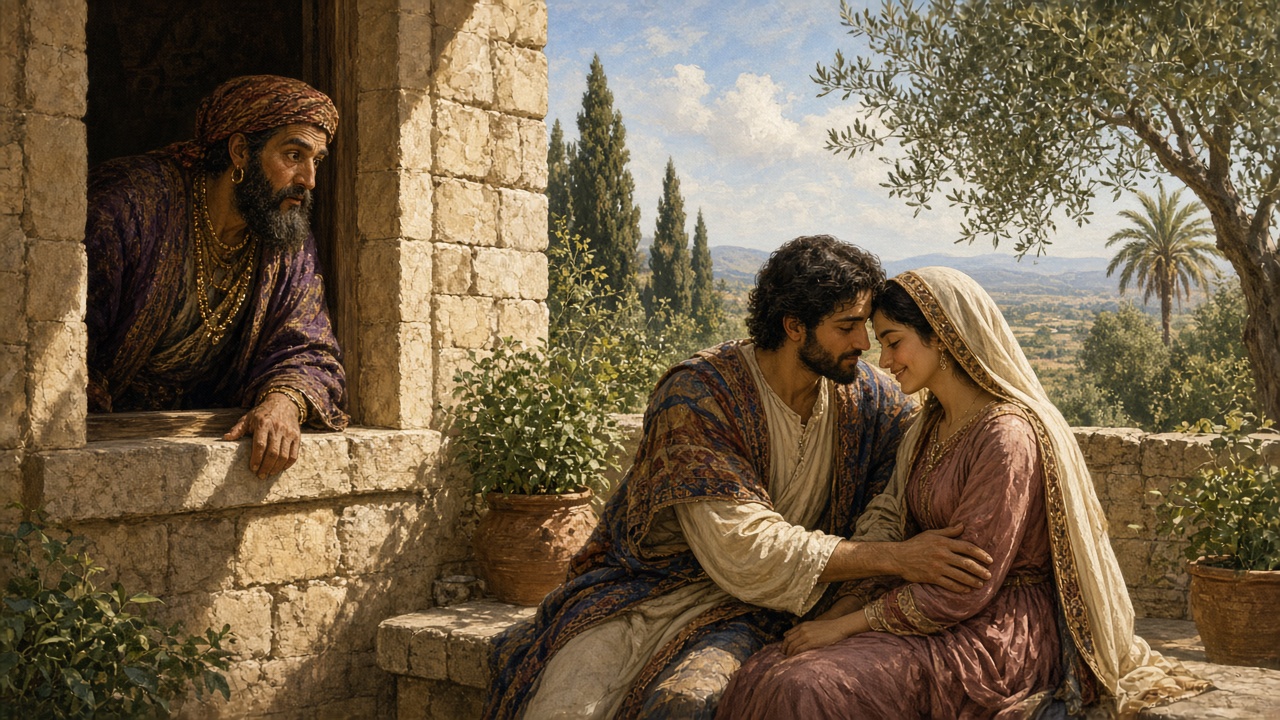
- During a famine, Isaac sought refuge with Abimelech, king of Gerar, an ancient town and district on the southern border of Palestine. Easton's Bible Dictionary (1897) notes that Isaac acted toward his wife Rebekah much as his father Abraham had acted toward Sarah there: he said she was his sister. Abimelech later rebuked him when the deception was discovered.Sources: Abimelech (King of Gerar) · Gerar · the Bible text itself
- The names of wells in the Valley of Gerar recall the disputes over them. Esek means “quarrel,” because the herdsmen of Gerar claimed the water, and Sitnah means “strife.” Isaac also reopened wells that his father Abraham’s servants had dug and that the Philistines had stopped up, and he gave them the same names his father had given them.Sources: Esek · Sitnah · the Bible text itself
- Beersheba means “well of the oath” or “well of seven.” According to Easton's Bible Dictionary (1897), Abraham dug a well there and named it after a compact with Abimelech, and Isaac gave it the same name when he reopened it. The dictionary also identifies Phicol—“great”—as chief captain of Abimelech’s army, and says he took part in Abraham’s alliance over that well.Sources: Beersheba · Phichol · the Bible text itself
Notes written with AI assistance from open sources (Theographic Bible Metadata, CC BY-SA 4.0; Easton’s Bible Dictionary, public domain) and reviewed before publishing.
Places in this chapter
- Egypt · 30.129, 31.308 · verse 2
- Valley of Gerar · Today: about 3 km around Tel Haror · 31.382, 34.606 · verses 17, 19
Only places identified with high confidence are shown (90% or more according to the scholarly sources compiled by OpenBible). Period map: DARE (Digital Atlas of the Roman Empire), CC BY 4.0; modern map: © OpenStreetMap contributors; places: OpenBible.info (CC BY 4.0).
Credits and license for this translation
Godeya꞉ To Nafayo꞉ We
The New Testament, Genesis, and Ruth in the Kaluli language of Papua New Guinea
Sampela hap Buk Baibel long tokples Kaluli long Niugini
copyright © 1998-2022 Wycliffe Bible Translators, Inc.
Language: Kaluli
Translation by: Wycliffe Bible Translators
This translation is made available to you under the terms of the
Creative Commons Attribution-Noncommercial-No Derivatives license 4.0.
You may share and redistribute this Bible translation or extracts from it in any format, provided that:
You include the above copyright and source information.
You do not sell this work for a profit.
You do not change any of the words or punctuation of the Scriptures.
Pictures included with Scriptures and other documents on this site are licensed just for use with those Scriptures and documents.
For other uses, please contact the respective copyright owners.
2025-03-12
Source: http://png.bible/bco/ · eBible.org