Genesis 2
Godeya꞉ To Nafayo꞉ We · Tap a verse to see its cross-references.
1A꞉la꞉fo꞉ko꞉lo꞉ akin o꞉lia꞉ henfelo꞉ o꞉lia꞉, a꞉la꞉ta꞉ga꞉ kelego꞉ a꞉namilo꞉ da꞉lab a꞉no꞉lia꞉yo꞉ tambo dimida꞉sa꞉ga꞉ ta꞉fo꞉. 2Gode eyo꞉ ene nanogo꞉ dia꞉i ya꞉la꞉ga꞉ eletakiyo꞉, ho꞉len dom amio꞉ e ha꞉fo꞉ dowo꞉. 3A꞉la꞉fo꞉ko꞉lo꞉ Gode eyo꞉ ho꞉len dom a꞉no꞉ malilo꞉le da꞉fe alitaki, ho꞉len dom a꞉ma꞉yo꞉ kaluka꞉isaleyo꞉ nafale mesea꞉ki, halaido꞉ dimidalifa꞉. Mo꞉wo꞉ Gode eyo꞉ henfelo꞉ wenamilo꞉ fa꞉la꞉doma꞉kilo꞉ nanog dia꞉len a꞉no꞉ kedela꞉sa꞉ga꞉ eletakiyo꞉, ho꞉len dom a꞉namio꞉ e ha꞉fo꞉ dowo꞉. 4Gode elo꞉ akin o꞉lia꞉ henfelo꞉ o꞉lia꞉ dimido꞉ malolo꞉wo꞉ o꞉m.
Adam o꞉lia꞉ If o꞉lia꞉ dimido꞉
Gode Yawe a꞉ma꞉yo꞉ akin o꞉lia꞉ henfelo꞉ o꞉lia꞉ dimido꞉ amio꞉, 5egelo꞉ amilo꞉ e kelego꞉wo꞉ musug ko꞉li ko꞉lilo꞉wo꞉ semo꞉fa꞉la꞉dowo꞉, a꞉la꞉ta꞉ga꞉ ilaboda꞉lo꞉ inin asulo꞉lo꞉ fa꞉la꞉dowan a꞉no꞉lo꞉ o꞉semo꞉fa꞉la꞉dowo꞉. Mo꞉wo꞉ Gode Yawe a꞉ma꞉yo꞉ henfelo꞉ amio꞉ ho꞉no꞉ timena꞉kiyo꞉ mo꞉ta꞉fo꞉. A꞉la꞉ta꞉ga꞉ elo꞉ gelakilo꞉ nanogdo꞉ dia꞉no꞉ kaluwo꞉ aundo꞉ma. 6Ko꞉sega ho꞉len a꞉namio꞉ kola꞉ mumus ko꞉lo꞉ fa꞉la꞉dowab a꞉ma꞉yo꞉, henfelo꞉wo꞉ tambo ho꞉na꞉ agolo꞉ alita꞉sen. 7A꞉lalitakiyo꞉ Gode Yawe eyo꞉ heno꞉ dia꞉ga꞉ kaluwo꞉ a꞉na dimida꞉sa꞉ga꞉, ene migiya mela꞉no꞉ meho꞉wo꞉ folo alitabiki, kaluwo꞉ mela꞉no꞉wo꞉ a꞉na dia꞉sa꞉ga꞉, mo꞉mo꞉da asifo꞉. 8A꞉la꞉dimida꞉sa꞉ga꞉ Gode Yawe a꞉ma꞉yo꞉ egelo꞉ nowo꞉ ofdo꞉ yan doba꞉da꞉ a꞉na gele alifa꞉. Hena꞉ wi a꞉no꞉ Ida꞉n. Egelo꞉ a꞉namio꞉ kalu elo꞉ dimido꞉ a꞉no꞉ a꞉na ta꞉fo꞉. 9Hen a꞉namio꞉ i ko꞉li ko꞉lilo꞉, i nafalo꞉ ba꞉ba꞉no꞉ o꞉lia꞉ i fo nafa nan o꞉lia꞉yo꞉, Gode Yawe eyo꞉ a꞉na fa꞉la꞉doma꞉ki dimido꞉. Egelo꞉ us amio꞉ mela꞉no꞉lo꞉ dimia꞉sen iyo꞉ a꞉na elen. A꞉la꞉ta꞉ga꞉ i nowo꞉, asulo꞉ nafa o꞉lia꞉ mogago꞉ o꞉lia꞉lo꞉ alobana wida꞉sen i a꞉no꞉lo꞉ a꞉na elen.
10Ho꞉n nowo꞉ Ida꞉n egelo꞉ us a꞉na a꞉la꞉ta꞉ga꞉ ha꞉nakiyo꞉, egelo꞉ a꞉no꞉ ho꞉n a꞉ma꞉ agolo꞉wo꞉ dimia꞉sen. Ho꞉n a꞉no꞉ egelo꞉wo꞉ ta꞉ta꞉ga꞉ kini a꞉no꞉ ha꞉nakiyo꞉ fa꞉la꞉da꞉in dage fufudo꞉. 11Ho꞉n agelo꞉ wiyo꞉ Bison. Ho꞉n a꞉no꞉ Habila hen us a꞉na ha꞉na꞉ni ane. Habila hen a꞉namio꞉ u nafa nowo꞉ ene wiyo꞉ go꞉l, a꞉na delen. A꞉la꞉ta꞉ga꞉ u nafa momado꞉ ko꞉li ko꞉lilo꞉ nolo꞉lo꞉ a꞉na delen. A꞉la꞉ta꞉ga꞉ hen a꞉namio꞉ i ko꞉li nowo꞉, i mak mundo꞉ nafalo꞉ da꞉dan a꞉no꞉ a꞉na elen. 13Ho꞉n andebo꞉ wiyo꞉ Gihon. Ho꞉n a꞉no꞉ Kus hen us a꞉na ha꞉na꞉ni ane. 14Ho꞉n asolo꞉ wiyo꞉ Taigilis. Ho꞉n a꞉no꞉ Asilia hen ofdo꞉ yan doba꞉da꞉ a꞉na ha꞉na꞉ni ane. A꞉la꞉ta꞉ga꞉ ho꞉n fa꞉la꞉lamelo꞉ wiyo꞉ Yufuletis. 15A꞉la꞉ta꞉ga꞉yo꞉ Gode Yawe eyo꞉ kalu elo꞉ dimido꞉ a꞉no꞉ dia꞉sa꞉ga꞉, Ida꞉n egelo꞉ us a꞉na nanogo꞉ dia꞉liki bo꞉fo꞉melea꞉ki ta꞉fo꞉. 16Gode Yawe eyo꞉ kalumo꞉wo꞉ towo꞉ halaido꞉ sa꞉laki, “Egelo꞉ wenamio꞉ i fo a꞉lab a꞉no꞉ tambowo꞉ o꞉li ma꞉ib ko꞉sega, asulo꞉ nafa o꞉lia꞉ mogago꞉ o꞉lia꞉lo꞉ alobana wida꞉sen i a꞉ma꞉ fowo꞉ na꞉so꞉bo. Mo꞉wo꞉ i fo a꞉no꞉ nalega, ho꞉len a꞉namio꞉ ge mada soma꞉ib.” Gode eyo꞉ a꞉la꞉sio꞉.
18A꞉la꞉ta꞉ga꞉ Gode Yawe eyo꞉ a꞉la꞉sio꞉, “Kalu we ina꞉li mela꞉no꞉wo꞉ mo꞉ililo꞉ ko꞉lo꞉, elo꞉ egema꞉no꞉ nowo꞉ dimidama꞉nigo꞉l. A꞉ma꞉yo꞉ e tilidowaki asuwa꞉fa꞉ib,” a꞉la꞉sio꞉. 19Gode Yawe a꞉ma꞉yo꞉ heno꞉ dia꞉sa꞉ga꞉, no꞉ ilaboda꞉lo꞉ san o꞉lia꞉ o꞉ba꞉ dalalelia꞉ga꞉lo꞉ sian o꞉lia꞉ a꞉no꞉ tambo dimida꞉sa꞉ga꞉ ta꞉fo꞉. Gode eyo꞉ no꞉ a꞉no꞉ kaluwa꞉lo꞉ wi wikilab a꞉no꞉ ba꞉ba꞉no꞉ a꞉la꞉ta꞉ga꞉ tililia꞉mio꞉. A꞉la꞉ta꞉ga꞉ kaluwa꞉lo꞉ no꞉ o꞉lia꞉ o꞉ba꞉ o꞉lia꞉ wikili alifelab a꞉no꞉ inin wiyo꞉ o꞉m. 20A꞉la꞉gabiki o꞉ba꞉ dalalelia꞉ siano꞉lo꞉, no꞉ ko꞉li ko꞉lilo꞉, fofan o꞉lia꞉ ilaboda꞉ no꞉ o꞉lia꞉ a꞉no꞉ tambo wikili alifelo꞉. Ko꞉sega no꞉ i a꞉ma꞉yo꞉ kalu asuwa꞉takilo꞉, ege doma꞉no꞉wo꞉ imilo꞉wo꞉ mo꞉dowo꞉ 21A꞉la꞉fo꞉ko꞉lo꞉ Gode Yawe eyo꞉ kaluwo꞉ mida꞉iyo꞉ dimiabiki kogodo꞉. Kalu a꞉no꞉ kogolofolabiki, kalu a꞉ma꞉ tidif imilig nowo꞉ galilia꞉sa꞉ga꞉, do꞉go꞉fo꞉ a꞉ma꞉la꞉ hinsili alifa꞉. 22Gode Yawe eyo꞉ kaluwa꞉ tidif a꞉na a꞉la꞉ta꞉ga꞉yo꞉ gayo꞉ a꞉na dimido꞉. Ga dimido꞉ a꞉no꞉ kalulo꞉wa tililia꞉mio꞉. 23Kaluwa꞉ sa꞉laki,
“Wiso꞉, mada o꞉m,
Ki a꞉no꞉, ki nino꞉,
Do꞉mo꞉ a꞉no꞉, do꞉mo꞉ nino꞉.
E kalu neya a꞉la꞉ta꞉ga꞉ fa꞉la꞉dowab,
Ko꞉lo꞉ e ‘Ga’ a꞉la꞉sa꞉la꞉mela꞉ib.”
24Gayo꞉ kaluwa a꞉la꞉ta꞉ga꞉ fa꞉la꞉dowo꞉ ko꞉lo꞉ a꞉na ilikiyo꞉, kaluwa꞉yo꞉ iya o꞉lia꞉ ano o꞉lia꞉yo꞉ ta꞉ta꞉ga꞉, ene inga o꞉lia꞉ asulo꞉ imilise dowaki, a꞉la꞉yo꞉ do꞉mo꞉ imilise doma꞉ib. 25A꞉la꞉ta꞉ga꞉ kalu o꞉lia꞉ inga o꞉lia꞉yo꞉ hagulabo elen ko꞉sega, a꞉la꞉ amio꞉ sendelowo꞉wo꞉ aundo꞉ma dowo꞉.
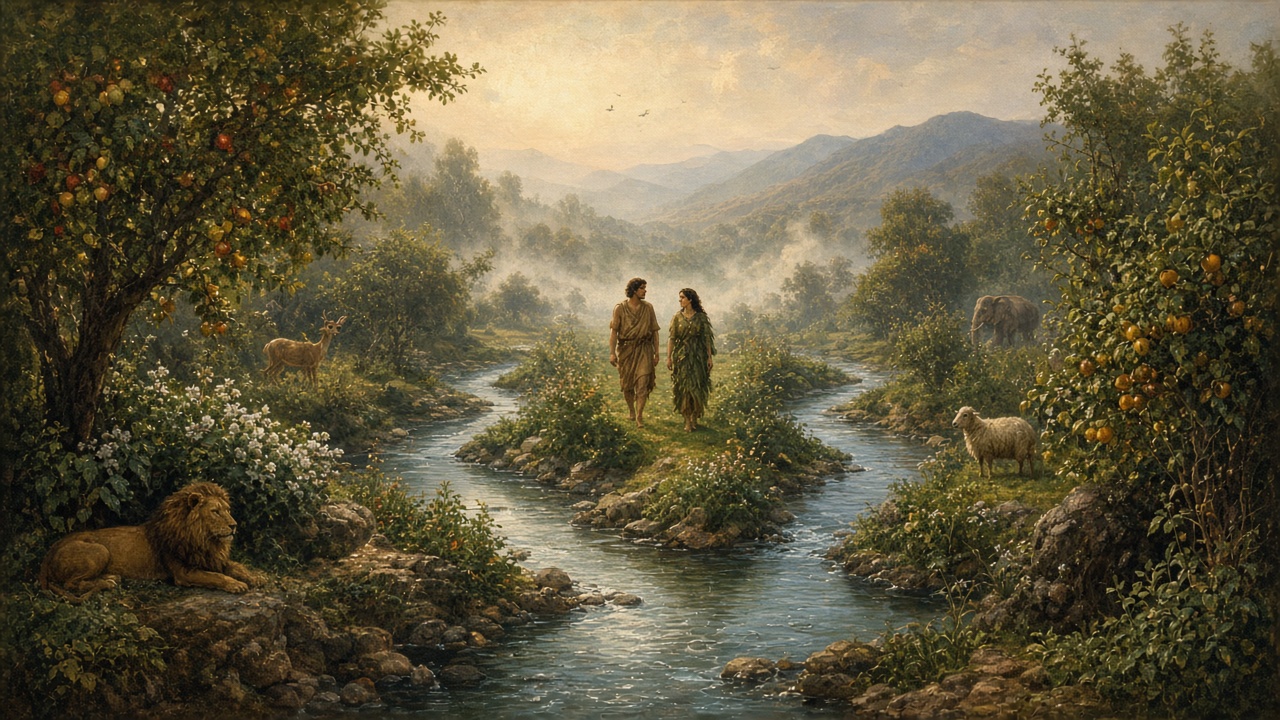
Did you know?
Adam, Eden, and the Four Rivers
- Adam, meaning “red,” is a Babylonian word and the ordinary name for a human being, with the same sense in Hebrew and in Assyrian. It was given to the first man. He was formed from the dust of the ground—hence the name—and God breathed into his nostrils the breath of life.Sources: Adam · the Bible text itself
- A river flowed out of Eden and divided into four headwaters: the Pishon, the Gihon, the Hiddekel, and the Euphrates. Some identify the Pishon with the Phasis or the Halys, others with the Indus, the Ganges, or still other rivers; the Gihon has been identified with the Nile, and others regard it as the Oxus, the Araxes, or the Ganges. The Hiddekel is the Tigris, called by the Accadians the river of Idikla; Gesenius understood the name as “the rapid Tigris.”Sources: the Bible text itself · Pison · Gihon · Hiddekel
- The site of Eden, the garden in which the first parents lived, has been discussed more than almost any other geographical question. It has been placed in Armenia, in the region west of the Caspian Sea, in Media, near Damascus, in Palestine, in southern Arabia, and in Babylonia. Easton's Bible Dictionary (1897) seeks it along the Tigris and the Euphrates of western Asia, in the land of Shinar, or Babylonia.Sources: Eden
Notes written with AI assistance from open sources (Theographic Bible Metadata, CC BY-SA 4.0; Easton’s Bible Dictionary, public domain) and reviewed before publishing.
Places in this chapter
- Assyria · 36.359, 43.153 · verse 14
- Euphrates · Today: Euphrates River · 31.004, 47.442 · verse 14
- Tigris · Today: Tigris River · 31.004, 47.442 · verse 14
Only places identified with high confidence are shown (90% or more according to the scholarly sources compiled by OpenBible). Period map: DARE (Digital Atlas of the Roman Empire), CC BY 4.0; modern map: © OpenStreetMap contributors; places: OpenBible.info (CC BY 4.0).
Credits and license for this translation
Godeya꞉ To Nafayo꞉ We
The New Testament, Genesis, and Ruth in the Kaluli language of Papua New Guinea
Sampela hap Buk Baibel long tokples Kaluli long Niugini
copyright © 1998-2022 Wycliffe Bible Translators, Inc.
Language: Kaluli
Translation by: Wycliffe Bible Translators
This translation is made available to you under the terms of the
Creative Commons Attribution-Noncommercial-No Derivatives license 4.0.
You may share and redistribute this Bible translation or extracts from it in any format, provided that:
You include the above copyright and source information.
You do not sell this work for a profit.
You do not change any of the words or punctuation of the Scriptures.
Pictures included with Scriptures and other documents on this site are licensed just for use with those Scriptures and documents.
For other uses, please contact the respective copyright owners.
2025-03-12
Source: http://png.bible/bco/ · eBible.org