Isaiah 37
Bibeli Gusunɔn Gari · Tap a verse to see its cross-references.
Sinɑ boko u Esɑi bwisi bikiɑ
1Sɑɑ ye sinɑ boko Esekiɑsi u ɡɑri yi nuɑ, yerɑ u win tiin yɑberu nɛnuɑ u ɡĩɑnɑ mɑ u sɑɑki suɑ u sebuɑ nuku sɑnkirɑnun sɔ̃. Mɑ u dɑ Yinni Gusunɔn sɑ̃ɑ yerɔ. 2Yerɑ u Eliɑkimu win sɔm kowobun wiruɡii kɑ mɑɑ Sebinɑ win tire yoro, kɑ yɑ̃ku kowo bukurobu ɡɔrɑ Gusunɔn sɔmɔ Esɑi, Amɔtin biin mi. N deemɑ be kpuro sɑɑkibɑrɑ bɑ sebuɑ bɑ kɑ dɑ mi. 3Ye bɑ turɑ mi, bɑ nùn sɔ̃ɔwɑ bɑ nɛɛ, ɑmɛniwɑ Esekiɑsi u ɡeruɑ. U nɛɛ, ɡisɔn tɔ̃ɔ te, nuku sɑnkirɑnu sɔɔrɑ sɑ wɑ̃ɑ. Bɑ sun sɛɛyɑsiɑmɔ mɑ bɑ sun doke sekuru sɔɔ. Gisɔn wɑhɑlɑ ye, yɑ sɑ̃ɑwɑ nɡe tɔn kurɔ wi u yiire u kĩ u mɑ, ɑdɑmɑ u ǹ dɑm mɔ u kɑ wɛ̃mɑ. 4Sɔrɔkudo Gusunɔ wunɛn Yinni u ko n Asirin sinɑ bokon ɡɔron ɡɑri yi nuɑ wi u nɑ u nùn wɔnwɑ. Ǹ n mɛn nɑ, ɑ kɑnɑru koowo bɛsɛ be sɑ ɡinɑ tien sɔ̃ kpɑ Gusunɔ u nùn sɛɛyɑsiɑ.
5Ye Esɑi u Esekiɑsin bwɑ̃ɑ ben ɡɑri yi nuɑ, yerɑ u bu sɔ̃ɔwɑ u nɛɛ, 6wee, ye i ko bɛɛn yinni sɔ̃. I nɛɛ, ɑmɛniwɑ Yinni Gusunɔ u ɡeruɑ. U nɛɛ, u ku de ɡɑri yi u nuɑ mi, yi nùn bɛrum ko, yi Asirin sinɑ bokon ɡɔro be, bɑ kɑ wi, Yinni Gusunɔ wɔnwɑ mi. 7U koo de Asirin sinɑ boko wi, u lɑbɑɑri ɡɑɑ nɔ kpɑ yu win bwɛ̃rɑ ɡɔsiɑ u wurɑ win temɔ. Miyɑ u koo de bu nùn ɡo kɑ tɑkobi.
Asiriɡibu
bɑ kpɑm Isirelibɑ nɑruɑ
8Asirin sinɑ bokon ɡɔro wi, u ɡɔsirɑ u dɑ Libinɑɔ domi u nuɑ mɑ win yinni u doonɑ Lɑkisin di u dɑ u Libinɑɡibu tɑbu wɔri. 9Sɑɑ ye sɔɔrɑ Asirin sinɑ boko wi, u nuɑ mɑ Tirɑkɑ, Etiopin sinɑ boko u nùn tɑbu wɔrim wee. Yerɑ u mɑɑ Esekiɑsi sɔmɔbu ɡɔriɑ u nɛɛ, 10ɑmɛniwɑ i ko i Esekiɑsi Yudɑbɑn sinɑ boko sɔ̃. I nɛɛ, u ku de Gusunɔ, win Yinni, wi u nɑɑnɛ sɑ̃ɑ mi, u nùn nɔni wɔ̃ke u nɛɛ, nɛ, Asirin sinɑ boko, nɑ ǹ kpɛ̃ n Yerusɑlɛmu mwɑ. 11Wi, Esekiɑsin tii u nuɑ mɑ bɛsɛn sinɑm be bɑ mɑn ɡbiiye kpuro bɑ rɑɑ tem mɛ mu tieɡibu kpuro kɑm koosiɑ. Yerɑ wi, u tɑmɑɑ u koo yɑri nɛn nɔmɑn di? 12Nɛn bɑɑbɑbɑ bɑ Gosɑni kpeerɑsiɑ kɑ Hɑrɑni kɑ Resɛfu kɑ sere Edɛniɡibu be bɑ wɑ̃ɑ Telɑsɑɑɔ. Ben bũnu kpĩɑ nu bu wɔrɑ? 13Nɡe mɑnɑ Hɑmɑtiɡibun sunɔ u wɑ̃ɑ, kɑ Aɑpɑdiɡibun sunɔ kɑ Sefɑɑfɑimuɡibun sunɔ kɑ Henɑɡii kɑ sere mɑɑ Ifɑɡii.
Esekiɑsi u kɑnɑru kuɑ
14Ye Asirin sinɑ bokon sɔmɔ be, bɑ turɑ Esekiɑsin mi, yerɑ bɑ nùn tireru wɛ̃ tè sɔɔ ben yinnin ɡɑri wɑ̃ɑ, mɑ Esekiɑsi u tu ɡɑrɑ. Yen biru u dɑ Yinni Gusunɔn sɑ̃ɑ yerɔ mɑ u tu dɛriɑ mi. 15U kɑnɑru kuɑ Yinni Gusunɔn mi, u nɛɛ, 16Gusunɔ, bɛsɛ Isirelibɑn Yinni, wunɛ wi ɑ sɔ̃ wɔllun kɔ̃sobu yirun suunu sɔɔ, wunɛ turowɑ ɑ sɑ̃ɑ sinɑmbu kpuron Yinni. Wunɑ ɑ wɔllu kɑ tem tɑkɑ kuɑ, mɑ ɑ sɑ̃ɑ mɛn Yinni. 17A nɔni seeyo ɑ mɛɛri, kpɑ ɑ swɑɑ dɑki ɑ nɛn ɡɑri nɔ, kpɑ ɑ Sɑnkeribu, Asirin sinɑ bokon ɡɑri nɔ yi win sɔm kowobun wiruɡii u kɑ nun wɔnwɑ. 18Kɑ ɡem, Yinni, nɑ yɛ̃ mɑ Asirin sinɑmbu bɑ bwese dɑbinu kpeerɑsiɑ mɑ bɑ nin tem sɑnkɑ, 19bɑ nin bwɑ̃ɑrokunu dɔ̃ɔ mɛniki. Domi nu ǹ Gusunɔ. Nu sɑ̃ɑwɑ tɔmbun sɔmɑ ye bɑ kuɑ kɑ dɑ̃ɑ kɑ kpenu. Yen sɔ̃nɑ bɑ kpĩɑ bɑ nu kpeerɑsiɑ. 20Tɛ̃, Yinni Gusunɔ, ɑ sun wɔro sɑɑ Sɑnkeribun nɔmɑn di kpɑ hɑnduniɑn sinɑmbu kpuro bu ɡiɑ mɑ wunɛ turowɑ ɑ sɑ̃ɑ Gusunɔ.
Esɑin ɡɑri
yi u sinɑ boko nɔɔsiɑ
21Yerɑ Esɑi, Amɔtin bii, u Esekiɑsi sɔmɔ ɡɔriɑ u nɛɛ, bu nùn sɔ̃ mɑ Gusunɔ, Isirelibɑn Yinni u win kɑnɑru mwɑ te u kuɑ Sɑnkeribu, Asirin sinɑ bokon sɔ̃. 22Ye Yinni Gusunɔ u ɡeruɑ Sɑnkeribun sɔ̃ wee. U nɛɛ,
Yerusɑlɛmun tɔmbu kpuro bɑ nùn ɡɛmɑ
bɑ nùn yɑɑkoru mɔ̀,
bɑ nùn wii ɡimɑnu koosimɔ.
23Wɑrɑ u kɑm mɛɛrɑ u wɔnwɑ.
Wɑrɑ u kɑ nɔɔ ɡɔmunu mɔ̀.
U ǹ yɛ̃ mɑ wi, Gusunɔ, Isirelibɑn Yinni dɛɛron wuswɑɑɔrɑ u tii sue?
24Win sɔmɔbɑ nɑ bɑ wi, Yinni Gusunɔ wɔnwɑ.
Mɑ Sɑnkeribu wi, u nɛɛ,
kɑ win tɑbu kɛkɛ dɑbirɑ u yɔɔwɑ
Libɑnin ɡuu ni nu ɡunum bon wɔllɔ,
mɑ u duɑ sere sere yen dɑ̃ɑ sɔ̃ɔ burɔn sɔɔwɔ
u ɡen sɛduru kɑ sipɛrɛn dɑ̃ɑ
ye yɑ ɡunum bo bɔɔrɑ.
25U nɛɛ, u bwii ɡbɑ tem tukumɔ
u yin nim nɔrɑ.
Win tɑbu kowobu bɑ bɔsu Eɡibitin nim tori kpuro sɔɔ
bɑ yi tɑɑkɑ bɑ ɡo.
26Adɑmɑ Sɑnkeribu u ǹ yɛ̃
mɑ wi, Yinni Gusunɔn tiiwɑ u yenibɑn himbɑ yi sɑɑ yellun di?
Wee tɛ̃ himbɑ ye, yɑ koorɑ,
mɑ wi, Asirin sinɑ boko u wuu si su dɑm mɔ bɑnsu koosiɑ.
27Wi, Yinni Gusunɔ, u derɑ
wuu sin tɔmbɑ bɛrum soorɑ bɑ sekuru wɑ
bɑ kuɑ dɑm sɑriruɡibu nɡe yɑkɑsu ɡberɔ,
ǹ kun mɛ doo ɡɑ̃ɑru te ɡɛmi di.
28Wiyɑ u mɑɑ nɛɛ,
u yɛ̃ sɑɑ ye Asirin sinɑ boko wi, u rɑ du dirɔ,
kɑ sɑɑ ye u rɑ sinɛ kɑ sɑɑ ye u rɑ yɑri tɔɔwɔ,
kɑ mɑɑ sɑɑ ye u kɑ nùn mɔru mɔ̀.
29Yèn sɔ̃ wi, Yinni Gusunɔ u nuɑ
mɑ u kɑ nùn mɔru mɔ̀,
mɑ u tii sue win wuswɑɑɔ,
u koo win wɛ̃ru yɑbɑ u yɔni doke,
kpɑ u mɑɑ nùn yɑrukɑ dokeɑ nɔɔwɔ,
kpɑ u ɡɔsirɑ u wurɑ mìn di u nɑ.
30Mɑ Esɑi u Esekiɑsi sɔ̃ɔwɑ u nɛɛ, wee, ye yɑ ko n sɑ̃ɑ yĩreru wunɛn mi. Gisɔku kɑ ɡɑsɔkun doo ɡɑ̃riyɑ i ko i di. Adɑmɑ wɔ̃ɔ itɑse i ko duurewɑ kpɑ i ɡɛ̃. Mɛyɑ i ko mɑɑ resɛm duure kpɑ i yen mɑrum di. 31Yudɑbɑn bweseru sɔɔ, be bɑ tiɑrɑ Siɔnin ɡuurɔ Yerusɑlɛmuɔ, bɑ fɑɑbɑ wɑ, bɑ koo kpɑrɑwɑ nɡe dɑ̃ɑ, kpɑ bu ɡbini ko sere tem sɔɔwɔ, kpɑ bu binu mɑ. Yeniwɑ Gusunɔ wɔllu kɑ tem Yinni u koo ko.
33Yen sɔ̃nɑ u ɡeruɑ u nɛɛ, Asirin sinɑ boko wi kun duɔ Yerusɑlɛmuɔ. Mɛyɑ win tɑbu kowobu bɑ ǹ ye susiɔ bɑ n tɛrɛnu nɛni bu kɑ kuku yenu ko bu sere nɛɛ, bɑ koo sɛ̃u to. 34Swɑɑ ye u kɑ nɑ, yerɑ u koo kɑ ɡɔsirɑ. U ǹ duɔ wuu ɡe sɔɔ. Yinni Gusunɔn tiiwɑ u ɡeruɑ mɛ. 35Domi u koo wuu ɡe kɔ̃suwɑ u ɡu fɑɑbɑ ko win tiin sɔ̃ kɑ Dɑfidi win sɔm kowon sɔ̃.
Nɡe mɛ Yinni Gusunɔ
u kɑ Asiriɡibu ɡo
36Ye n kuɑ wɔ̃kuru, yerɑ Yinni Gusunɔn ɡɔrɑdo u yɑrɑ u dɑ Asiriɡibun sɑnsɑniɔ mɑ u tɔnu nɔrɔbun subɑ wunɑɑ wɛnɛ kɑ nɔɔbu (185.000) ɡo. Ye bɑ seewɑ bururu, bɑ deemɑ wee, ɡonɑ nu tɛrie bɑɑmɑ kpuro. 37Yerɑ Sɑnkeribu, Asirin sinɑ boko u ɡɔsirɑ u dɑ u wɑ̃ɑ Ninifuɔ. 38Sɔ̃ɔ teeru u yiire win bũu wi bɑ mɔ̀ Nisɔrɔkun nuurɔ. Miyɑ win bibu yiru beni, Adɑmɛlɛki kɑ Sɑrɛsɛɛ bɑ nùn ɡo kɑ tɑkobi, mɑ bɑ kpikiru suɑ bɑ dɑ tem mɛ bɑ mɔ̀ Arɑrɑti ɡiɑ. Mɑ win bii Esɑɑ Hɑdoni u bɑndu kɔsire kuɑ.
Did you know?
Hezekiah's Prayer and the Deliverance of Jerusalem
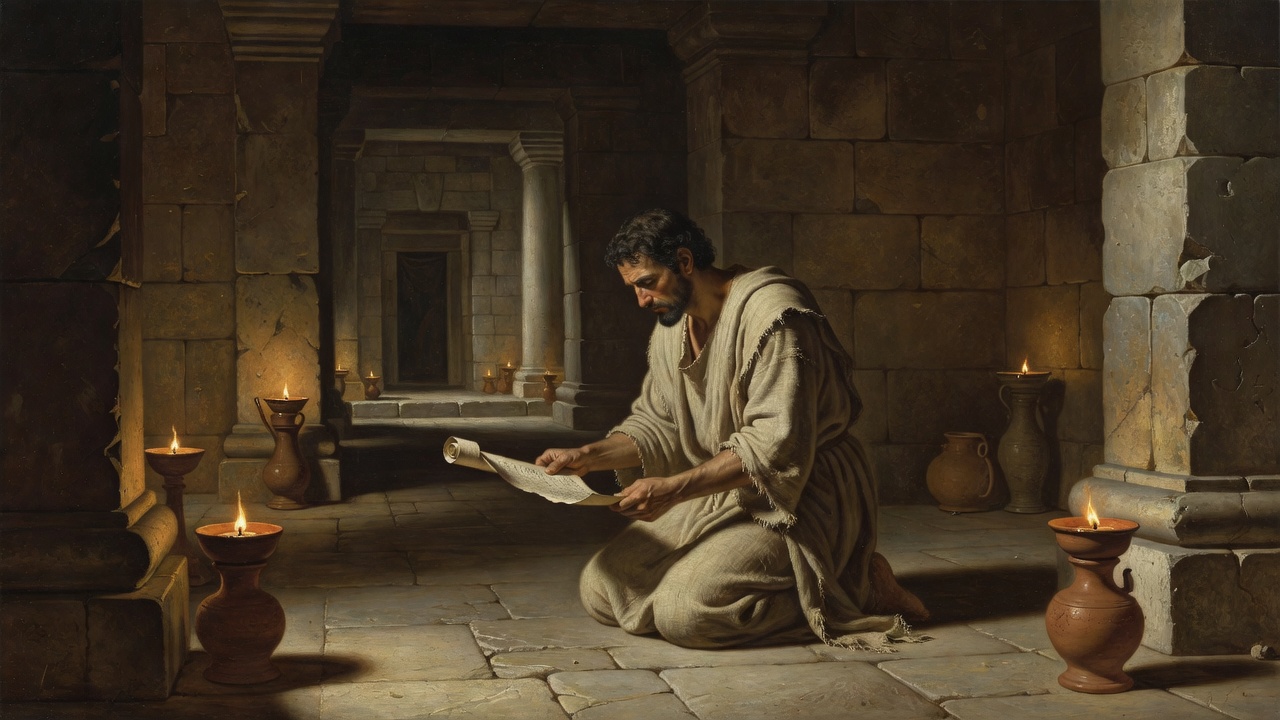
- When King Hezekiah received the threatening letter from the Assyrian king Sennacherib, he went up to the temple in Jerusalem and spread the document out before God in prayer. He emphasized that the deities of other conquered nations had fallen because they were merely human handiwork made of wood and stone, unlike the living God.Sources: the Bible text itself · Hezekiah
- The chapter mentions Tirhakah, king of Cush, who advanced to fight against Sennacherib. Cush and Egypt were unified under Ethiopian rulers during this period, presenting a substantial southern military power that contested Assyrian expansion.Sources: Tirhakah · Cush · the Bible text itself
- After the disaster that decimated his army outside Jerusalem, Sennacherib withdrew to his capital at Nineveh. While he was worshipping in the temple of his god Nisroch, his sons Adrammelech and Sharezer assassinated him.Sources: the Bible text itself · Sennacherib · Adrammelech
Notes written with AI assistance from open sources (Theographic Bible Metadata, CC BY-SA 4.0; Easton’s Bible Dictionary, public domain) and reviewed before publishing.
Places in this chapter
- Assyria · 36.359, 43.153 · verses 4, 6, 8, 10, 11, 18, 21, 33, 37, 38
- Jerusalem · 31.777, 35.234 · verses 8, 9, 10, 22, 32, 33
- Lachish · Today: Tell ed Duweir · 31.565, 34.849 · verse 8
- Cush · Today: Cush 1 · 16.935, 33.751 · verse 9
- Eden · Today: Beth-eden · 36.701, 38.087 · verse 12
- Haran · Today: Harran · 36.864, 39.033 · verse 12
- Hamath · Today: Hama · 35.136, 36.750 · verse 13
- Zion · Today: Jerusalem · 31.777, 35.234 · verse 22
- Lebanon · 33.540, 35.584 · verse 24
- Mount Carmel · 32.672, 35.023 · verse 24
- Egypt · 30.129, 31.308 · verse 25
- Mount Zion · 31.772, 35.229 · verse 32
- Nineveh · 36.359, 43.153 · verse 37
- Ararat · Today: Urartu · 39.703, 44.300 · verse 38
Only places identified with high confidence are shown (90% or more according to the scholarly sources compiled by OpenBible). Period map: DARE (Digital Atlas of the Roman Empire), CC BY 4.0; modern map: © OpenStreetMap contributors; places: OpenBible.info (CC BY 4.0).
Credits and license for this translation
Bibeli Gusunɔn Gari
The Holy Bible in the Baatonum language of Benin, also called the Bariba language
copyright © 2013 SIM
Language: Bariba (Baatonum)
Translation by: SIM International
Bariba, Bibeli Gusunɔn Gari
This translation, published by the UEEB/SIM au Benin, was published in 1996.
If you are interested in obtaining a printed copy, please contact the SIM at SIM, BP 15, Parakou, Benin.
This translation text is made available to you under the
terms of the Creative Commons License: Attribution-Noncommercial-No Derivative Works.
( http://creativecommons.org/licenses/by-nc-nd/3.0/ )
In addition, you have permission to port the text to different file formats, as long as you
do not change any of the text or punctuation of the Bible.
You may share, copy, distribute, transmit, and extract portions
or quotations from this work, provided that you include the above copyright
information:
You must give Attribution to the work.
You do not sell this work for a profit.
You do not make any derivative works that change any of the actual words or punctuation of the Scriptures.
Permissions beyond the scope of this license may be
available if you contact
us with your request.
This translation is made available to you under the terms of the
Creative Commons Attribution-Noncommercial-No Derivatives license 4.0.
You may share and redistribute this Bible translation or extracts from it in any format, provided that:
You include the above copyright and source information.
You do not sell this work for a profit.
You do not change any of the words or punctuation of the Scriptures.
Pictures included with Scriptures and other documents on this site are licensed just for use with those Scriptures and documents.
For other uses, please contact the respective copyright owners.
2014-09-10
Source: http://ebible.org/bba/ · eBible.org