Matthew 11
Azərbaycan dilində Müqəddəs Kitab · Tap a verse to see its cross-references.
İsa Məsih və Vəftizçi Yəhya
1İsa On İki şagirdinə nəsihət verib qurtarandan sonra öyrədərək vəz etmək üçün onların şəhərlərinə getdi.
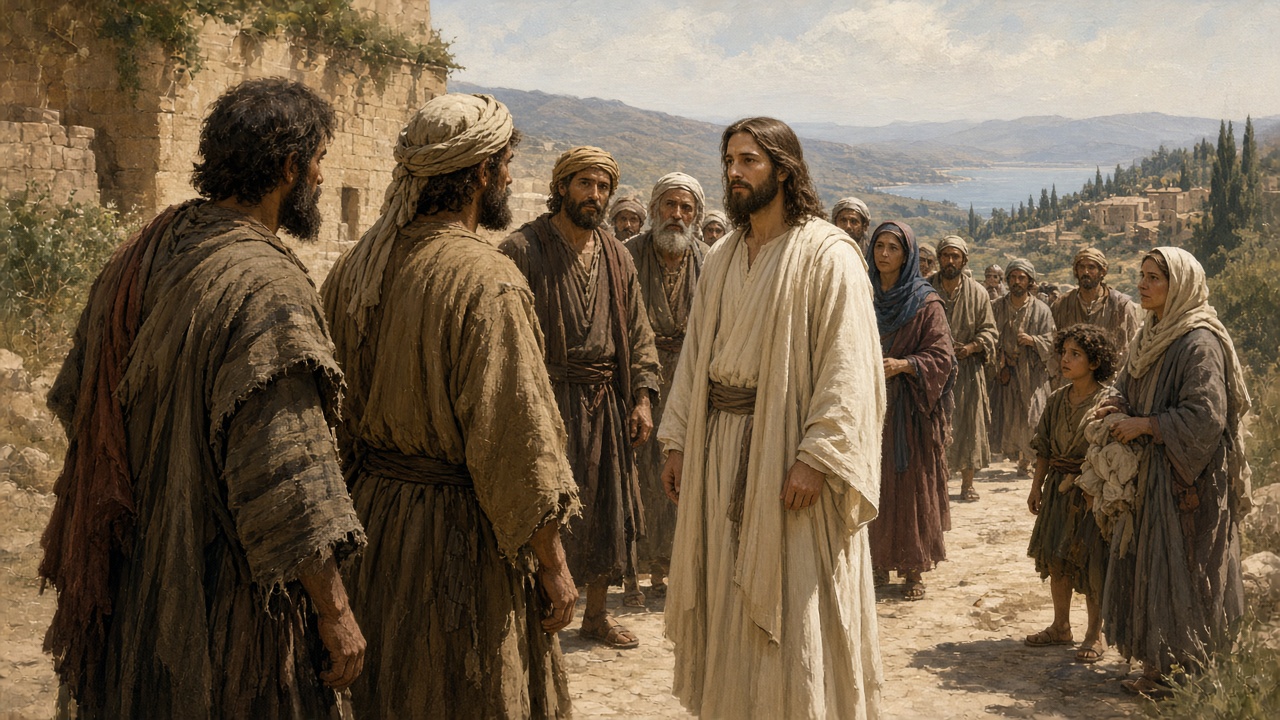
2Yəhya isə Məsihin işlərini zindanda eşidərək öz şagirdlərini göndərib 3Ondan soruşdu: «Gəlməli Olan Sənsənmi, yoxsa başqasını gözləyək?» 4İsa onlara belə cavab verdi: «Gedin, eşidib gördüklərinizi Yəhyaya bildirin: 5korlar görür, axsaqlar yeriyir, cüzamlılar pak olur, karlar eşidir, ölülər dirilir və yoxsullara Müjdə yayılır. 6Kim Mənə görə büdrəməsə, nə bəxtiyardır!»
7Onlar gedərkən İsa camaata Yəhya haqqında danışmağa başladı: «Çölə nəyə baxmağa getmişdiniz? Küləyin sarsıtdığı qamışamı? 8Bəs onda nəyə baxmağa getmişdiniz? Nəfis toxunmuş paltar geymiş bir adamamı? Amma nəfis toxunmuş paltar geyənlər padşahların saraylarında qalır. 9Bəs onda nəyə baxmağa getmişdiniz? Bir peyğəmbərəmi? Bəli, sizə deyirəm, hətta peyğəmbərdən də üstün birinə. 10Bu o adamdır ki, onun haqqında yazılıb:
“Budur, Sənin önündə Öz elçimi göndərirəm,
O Sənin qabağında yolunu hazırlayacaq”.
11Sizə doğrusunu deyirəm: qadından doğulanlar arasında Vəftizçi Yəhyadan daha üstün olan meydana çıxmayıb. Amma Səmavi Padşahlıqda ən kiçik olan ondan üstündür. 12Vəftizçi Yəhyanın günlərindən indiyə qədər Səmavi Padşahlıq zorla alınır və zor işlədənlər onu ələ keçirir. 13Çünki bütün Peyğəmbərlər və Qanun Yəhyaya qədər peyğəmbərlik etdi. 14Əgər onu qəbul etmək istəyirsinizsə, gəlməli olan İlyas odur. 15Qulağı olan eşitsin!
16Bəs bu nəsli nəyə bənzədim? O, bazar meydanlarında oturan və
“Biz sizə tütək çaldıq, sizsə oynamadınız.
Biz mərsiyələr oxuduq, sizsə matəm tutmadınız”
deyib başqalarını səsləyən uşaqlara bənzəyir. 18Çünki Yəhya gəldikdə nə çörək yeyir, nə şərab içirdi və onlar deyirlər: “O, cinə tutulmuşdur”. 19Bəşər Oğlu gəldikdə yeyib-içdi və onlar deyirlər: “Bu qarınqulu və əyyaş adama baxın! Vergiyığanlara və günahkarlara dost oldu!” Amma hikmət öz əməlləri ilə təsdiq olunur».
Tövbə etməyən şəhərlər
20Onda İsa bir çox möcüzələr göstərdiyi şəhərləri tövbə etmədikləri üçün məzəmmət etməyə başladı. 21«Vay halına, ey Korazin! Vay halına, ey Bet-Sayda! Sizdə baş vermiş möcüzələr Sur və Sidonda olsaydı, onlar çoxdan çul geyinib külün üstündə oturaraq tövbə edərdilər. 22Amma sizə deyirəm: qiyamət günü Sur və Sidonun halı sizinkindən daha asan olacaq. 23Sən, ey Kefernahum, göyə qədər ucalacaqsanmı? Ölülər diyarına qədər enəcəksən. Çünki səndə baş vermiş möcüzələr Sodomda olsaydı, o bu günə qədər durardı. 24Ancaq Mən sizə deyirəm: qiyamət günü Sodom diyarının halı səninkindən daha asan olacaq».
Yorğunlara Müjdə
25O vaxt İsa davam edərək dedi: «Ey yerin-göyün Sahibi olan Ata! Səndən razıyam ki, bu şeyləri müdrik və dərrakəli adamlardan gizlədib körpələrə agah etdin. 26Bəli, Ata! Çünki bu Sənin xoş niyyətin idi. 27Atam tərəfindən hər şey Mənim ixtiyarıma verildi. Oğulu Atadan başqa heç kəs tanımaz. Atanı da Oğuldan və Oğulun agah etmək istədiyi şəxsdən başqa heç kəs tanımaz.
28Ey bütün yorğunlar və yükləri ağır olanlar, Mənim yanıma gəlin, Mən sizə rahatlıq verərəm. 29Mənim boyunduruğumu üzərinizə götürün və Məndən öyrənin. Çünki Mən həlim və qəlbən itaətkaram. Bununla canınıza rahatlıq taparsınız. 30Çünki Mənim boyunduruğum rahat və yüküm yüngüldür».
Did you know?
John's question and the cities that did not repent
- From prison, John sent his disciples to ask whether Jesus was the one who was to come. Jesus told the crowds that John was more than a prophet—the messenger sent ahead to prepare the way—and, if they were willing to accept it, the Elijah who was to come. A Bible dictionary calls John the forerunner and says his mission was already the subject of prophecy, citing Isaiah 40:3 and Malachi 3:1; it also introduces Elijah as the Elias of the New Testament.Sources: the Bible text itself · John the Baptist · Elijah
- Jesus then denounced Chorazin, Bethsaida, and Capernaum, where most of his miracles had been performed, because they did not repent. A dictionary identifies Chorazin with modern Kerazeh, about two and a half miles up the Wady Kerazeh from Capernaum, and says that Capernaum, absent from the Old Testament, became Jesus' own city after he left Nazareth. It places Bethsaida on the east side of the lake, two miles up the Jordan in Gaulonitis, enlarged by Philip the tetrarch and named Julias after the emperor's daughter, though some have supposed there was only one Bethsaida, near where the Jordan enters the lake.Sources: the Bible text itself · Chorazin · Capernaum · Bethsaida
- He set those cities against Tyre and Sidon, which he said would have repented long ago in sackcloth and ashes, and against Sodom, which he said would have remained to this day. Sidon, on the Mediterranean coast about twenty-five miles north of Tyre, was the oldest Phoenician city there and the mother city of Tyre. A dictionary says the commerce of the whole world was gathered into Tyre's warehouses, and that Sodom, in the vale of Siddim, was destroyed by fire from heaven so completely that no trace of it has been found.Sources: the Bible text itself · Sidon · Tyre · Sodom
Notes written with AI assistance from open sources (Theographic Bible Metadata, CC BY-SA 4.0; Easton’s Bible Dictionary, public domain) and reviewed before publishing.
Places in this chapter
- Galilee · 32.760, 35.527 · verse 1
- Sidon · Today: Sandikli archaeological site in Sidon · 33.561, 35.372 · verses 21, 22
- Tyre · 33.271, 35.196 · verses 21, 22
Only places identified with high confidence are shown (90% or more according to the scholarly sources compiled by OpenBible). Period map: DARE (Digital Atlas of the Roman Empire), CC BY 4.0; modern map: © OpenStreetMap contributors; places: OpenBible.info (CC BY 4.0).
Credits and license for this translation
Azərbaycan dilində Müqəddəs Kitab
The Holy Bible in the Azerbaijani language, also known as the Azeri language, of Azerbaijan, Iran, Iraq, Syria, and Turkey
Copyright © 2008 Müqəddəs Kitab Sirkəti
Language: Azeri (Azerbaijani, South)
Translation by: Institute for Bible Translation
Contributor: Bible Society of Azerbaijan
This translation text is made available to you under the
terms of the Creative Commons License: Attribution-Noncommercial-No Derivative Works.
( http://creativecommons.org/licenses/by-nc-nd/3.0/ )
In addition, you have permission to port the text to different file formats, as long as you
do not change any of the text or punctuation of the Bible.
You may share, copy, distribute, transmit, and extract portions
or quotations from this work, provided that you include the above copyright
information:
You must give Attribution to the work.
You do not sell this work for a profit.
You do not make any derivative works that change any of the actual words or punctuation of the Scriptures.
Permissions beyond the scope of this license may be
available if you contact
us with your request.
This translation is made available to you under the terms of the
Creative Commons Attribution-Noncommercial-No Derivatives license 4.0.
You may share and redistribute this Bible translation or extracts from it in any format, provided that:
You include the above copyright and source information.
You do not sell this work for a profit.
You do not change any of the words or punctuation of the Scriptures.
Pictures included with Scriptures and other documents on this site are licensed just for use with those Scriptures and documents.
For other uses, please contact the respective copyright owners.
2018-11-09
Source: http://ebible.org/azb/ · eBible.org