Isaiah 20
Azərbaycan dilində Müqəddəs Kitab · Tap a verse to see its cross-references.
Misir və Kuş üçün əlamət
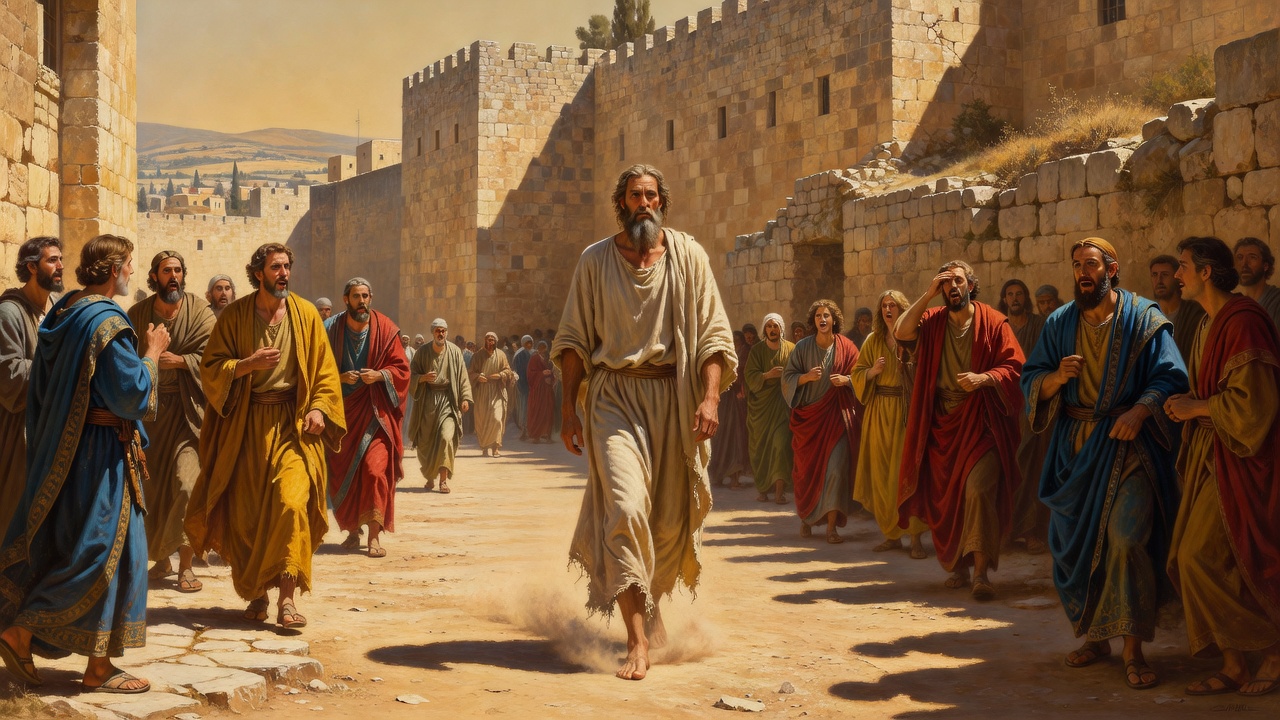
1Aşşur padşahı Sarqonun əmri ilə ordusunun başçısı Aşdoda gəlib onu ələ keçirtdiyi ildə 2Rəbb Amots oğlu Yeşayaya belə dedi: «Get, əynindəki çulunu və ayağındakı çarıqlarını çıxar». Yeşaya elə də etdi, lüt və ayaqyalın gəzməyə başladı. 3Rəbb dedi: «Misir və Kuş üçün əlamət və ibrət olaraq qulum Yeşaya necə üç il ərzində çılpaq və ayaqyalın dolaşdısa, 4elə də Aşşur padşahı Misiri xəcalətli etmək üçün Misirliləri əsir, Kuşluları sürgün edib gəncləri, qocaları çılpaq və ayaqyalın, ayıb yerləri açıq aparacaq. 5Kuşa güvənən, Misirlə fəxr edən xalq qorxacaq və xəcalətə düşəcək. 6O gün bu sahil boyunca yerləşən ölkənin sakinləri deyəcək: “Aşşur padşahının əlindən qurtulmaq üçün köməyinə güvəndiyimiz, bel bağladığımız xalqların başına gör nələr gəldi! Bəs biz nə cür qurtulacağıq?”»
Did you know?
Prophetic Sign Against Egypt and Cush
- Ashdod was a heavily fortified Philistine city situated along the coastal highway linking Palestine with Egypt. The Assyrian king Sargon sent his commander to besiege and capture the city as the Assyrian Empire expanded southward.Sources: the Bible text itself · Ashdod
- God commanded Isaiah to take off his outer sackcloth and sandals, walking stripped and barefoot for three years. This dramatic prophetic act symbolized how Assyria would conquer and lead away the captives of Egypt and Cush in humiliation.Sources: the Bible text itself · Isaiah · Cush
Notes written with AI assistance from open sources (Theographic Bible Metadata, CC BY-SA 4.0; Easton’s Bible Dictionary, public domain) and reviewed before publishing.
Places in this chapter
- Ashdod · Today: Tel Ashdod · 31.757, 34.658 · verse 1
- Assyria · 36.359, 43.153 · verses 1, 4, 6
- Cush · Today: Cush 1 · 16.935, 33.751 · verses 3, 4, 5
- Egypt · 30.129, 31.308 · verses 3, 4, 5, 6
Only places identified with high confidence are shown (90% or more according to the scholarly sources compiled by OpenBible). Period map: DARE (Digital Atlas of the Roman Empire), CC BY 4.0; modern map: © OpenStreetMap contributors; places: OpenBible.info (CC BY 4.0).
Credits and license for this translation
Azərbaycan dilində Müqəddəs Kitab
The Holy Bible in the Azerbaijani language, also known as the Azeri language, of Azerbaijan, Iran, Iraq, Syria, and Turkey
Copyright © 2008 Müqəddəs Kitab Sirkəti
Language: Azeri (Azerbaijani, South)
Translation by: Institute for Bible Translation
Contributor: Bible Society of Azerbaijan
This translation text is made available to you under the
terms of the Creative Commons License: Attribution-Noncommercial-No Derivative Works.
( http://creativecommons.org/licenses/by-nc-nd/3.0/ )
In addition, you have permission to port the text to different file formats, as long as you
do not change any of the text or punctuation of the Bible.
You may share, copy, distribute, transmit, and extract portions
or quotations from this work, provided that you include the above copyright
information:
You must give Attribution to the work.
You do not sell this work for a profit.
You do not make any derivative works that change any of the actual words or punctuation of the Scriptures.
Permissions beyond the scope of this license may be
available if you contact
us with your request.
This translation is made available to you under the terms of the
Creative Commons Attribution-Noncommercial-No Derivatives license 4.0.
You may share and redistribute this Bible translation or extracts from it in any format, provided that:
You include the above copyright and source information.
You do not sell this work for a profit.
You do not change any of the words or punctuation of the Scriptures.
Pictures included with Scriptures and other documents on this site are licensed just for use with those Scriptures and documents.
For other uses, please contact the respective copyright owners.
2018-11-09
Source: http://ebible.org/azb/ · eBible.org