Genesis 4
Awara Baibel · Tap a verse to see its cross-references.
Ken Abel yangge wam
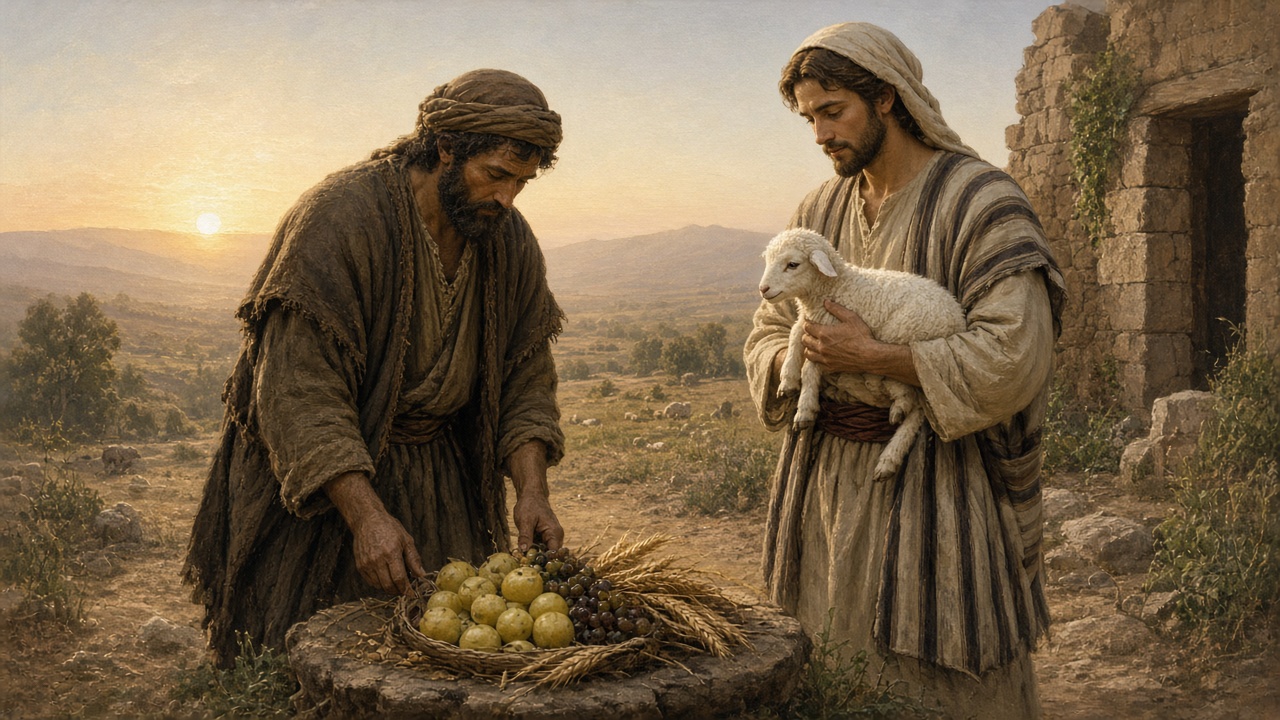
1Adamu mängätnä Ivkät yiwikumäläk. Tiwän tängene käyä tiwänä, wawakngä täpätu dukngikut. Tikengä “Yawetä gatängamän, wäwi täpätu kake tät,” yake, umanä Ken yang inikut. 2Tikengä yiwitäke kuhika, Kende ulawu, Abel, dukngikut. Uläpäyalu inulung täpäyat tike, Abelu sipsip daying yiwixawän, Kenu nak puyä pahakakut.
3Gwendune Kendä naxu puyäne nanä päke, Yawele ofa tahakut. 4Tixawän Abelu sipsip mätexu yakap pekin gwengwenu ofale päkut. Tikengä sipsip mätexu sipmäke matäke, gwaxu nomängän tahakut, ofanän. Unin imän, Yawetä Abelkät ofanäxätde täke natäpgut. 5Tike Kenkät ofanäxätde mähe natäpgut. Ile tiwän Kenu tokngä hikngä natäpän, nomnä malikin.
6Tiwän Yawetä Kenu using inikut. “Tokngä inale natäxaläk? Nomda inale malikaying? 7Nomän täknga tahawi gandupa, täke tiwik yangu donatäläk? Tike nomänu dolahawi, wäyi täknga angguwikge yämäkane yiwixak. Kuhitdale yiwikge natänggämatanggak. Tiwändeyä gäta yapmike, ile kuhiläle yiwike, wäyi täknga mawahayo,” yang inikut.
8Tiwänä Kendä ulapnä iniwän, songäxätan kukumäläk. Täku une tänguwän kumgut.
9Tiwänä Yawetä Kenu using inikut. “Ulapda Abelu sandan?” yang iniwän, Kendä using inikut. “Doxat. Inale naninggaläk? Nä ile kula tahanggalunin?” yang inikut.
10Tiwän Yawetä using inikut. “Wäyi uläknga inale tahaläk? Natäpso. Ulapdale daxu kepkätandä kwänämu näle tikgak. 11Gätä notda tänguwi kupän, ile daxu kepkätan kuying. Ge tokngä wam yake, kewu awomunetä gäwämba kuwiläk. 12Ku kewune puyä pahawi, naxu doalätning. Tiwän gä yotda wenä tiwän, kep gomune täwake tihikuwiläk,” yang inikut.
13Tiwän Kendä yakut. “Meyä namiläxu inulung hikngä. Nätä pänangäsändo. 14Kewu awomunetä gäle nomune doyiwitde anäwaxaläk. Yotna wenä tiwän, kep gomune tawake tihikuwa, imindäka nandukengu, anuwän kupit,” yang yakut.
15Yawän Yawetä inikut. “Äminu täpätutä guwän kupi, meyä gäle gamilu ayapmike, meyä 7 inulung äminu uläpätä päpik,” yang inikut. Tikengä “Ämindä kake, tänguwä kumsäk,” yake, Kenu tuwäng tengämikut.
16Tiwän Kenu Yawe äwä kewu Idenu uwom yang peke, gusitdä akonggak käwutkätan kewu womdu, umanä “Tihikuktihikuk” uwomune päku yiwikut.
17Tikengä mängätnäxät yiwihika, mängätnä tängene käyä tiwän, wawakngä Enok dukngikut. Tiwän Kendä yolu gäpanggu tahake, unggäpangu Enok yang inikut. 18Tiwänä yiwitäke kuhika, Enokgä wawakngä Irat towimbänä, Iratdä Mehujael towimbänä, Mehujaeldä Metusael towimbänä, Metusaeldä Lamek towikut.
19Tiwänä Lamexu mängätnä täpäyalä päkut. Täpätu umanä Ada, tiwän täpätu Sila. 20Ada Jabal dukngikut. Tiwänä Jabalde bapunä mahande alakindä selyot päku kewu womduwomdu tapike yiwixäwik, kälawu äminsak towikakin. 21Jabalde ulawu umanä Jubal. Tiwänä Jubalde bapunä mahande alakindä gita sipmäxäwik, pipip puyäkakin. 22Silaxäyä wawakngä dukngikut. Umanä Tubal-Ken. Itä hängä puyä pahanangäsä bä amäk pahanangäsa yangu ain äwä kapa yanggä pahakut. Tiwän haminäle umanu Nama.
23Gwendune Lamekgä mängätnä using yänikut.
“Adaxät Silaxät, natäxasol.
Mängätna, wamu nätä yäwa, mäläk pähol.
Äminu täpätutä dak nuwänu, nätä äminu uläpä alänguwa kupik.
Tike wawakdäkä täpätutä nä nuwänu, ixäyä kupsäle tänguwit.
24Äminu täpätutä Ken tängukengu, meyä 7 inulung päpik.
Tiwändeyä äminu täpätu nä nukengu, meyä Kendäne ayapmike, inulung hikngä 77 päpik,” yang yänikut.
25Adamu mängätnäxät hipdu yiwikumäläk. Tiwänä mängätnätä wawakngä täpätu dukngike, “Kendä Abel tänguwän kumgutde, Anätutä engangu Abelde tangge namik,” yake, umanä Set yang inikut. 26Tiwänä yiwitäke kuhika, Selu wawakngä towike, umanä Enos yang inikut. Täpduxu unggwenggwenkätanu ämindä tumuxu Yawele käluk yakin.
Did you know?
Cain, Abel, and Life East of Eden
- Abel’s Hebrew name means “breath” or “vanity.” He kept sheep, while his brother Cain tilled the soil: Abel brought the best portions of the firstborn of his flock, and Cain brought fruit of the ground. Easton's Bible Dictionary (1897) reads the phrase “in process of time” (margin, “at the end of days”) as probably referring to the Sabbath.Sources: Abel · Cain · the Bible text itself
- After Abel’s death, Cain settled in the land of Nod, east of Eden, a name meaning exile, wandering, or unrest. There he built a city and named it after his son Enoch. Easton's Bible Dictionary notes that this is the first city mentioned in Scripture.Sources: Nod · Enoch (son of Cain) · the Bible text itself
- Lamech, fifth in descent from Cain, married two women, Adah and Zillah. Easton's Bible Dictionary calls his address to them the only extant example of antediluvian poetry, sometimes known as “Lamech’s sword-song.” Their children are tied to early ways of life: Jabal with tents and livestock, Jubal with the harp and flute, and Tubal-cain with forging bronze and iron.Sources: Lamech (descendant of Cain) · Adah (wife of Lamech) · Zillah · the Bible text itself
Notes written with AI assistance from open sources (Theographic Bible Metadata, CC BY-SA 4.0; Easton’s Bible Dictionary, public domain) and reviewed before publishing.
Credits and license for this translation
Awara Baibel
Genesis, Ruth, and Jonah in the Awara Language of Papua New Guinea
Buk Stat, Rut, na Jona long tokples Awara long Niugini
copyright © 2011 Wycliffe Bible Translators, Inc.
Language: Awara
Translation by: Wycliffe Bible Translators
This translation is made available to you under the terms of the
Creative Commons Attribution-Noncommercial-No Derivatives license 4.0.
You may share and redistribute this Bible translation or extracts from it in any format, provided that:
You include the above copyright and source information.
You do not sell this work for a profit.
You do not change any of the words or punctuation of the Scriptures.
Pictures included with Scriptures and other documents on this site are licensed just for use with those Scriptures and documents.
For other uses, please contact the respective copyright owners.
2025-04-26
Source: http://png.bible/awx/ · eBible.org