Genesis 21
Awara Baibel · Tap a verse to see its cross-references.
Saratä Aisak kake täkut
1Yawetä Sarale natäke apuke, yakäp wamu hiyäkän täknga yakulu tahawän bulä tikut. 2Abrahamu äminäläke aliwänä, Sara tängene käyä tiwän, täpduxu Anätutä yakut gwenune, engangu wäwi täpä kake täkut. 3Täpänä Abrahamdä umanä Aisak yang inikut. 4Tixawän täpduxu 8 gwendä apän, Abrahamdä engangäle gup matäkut, tupä mämä wam täknga Anätutä yakut using. 5Abrahamu krismasnä 100 yiwixawän, Aisaxu alakut.
6Saratä using yakut. “Anätutä bänip gwaläng täknga namän, axuläkake mikgat. Ge äminbamdä ile natäkengu, näxät axuläkake mitnim,” yang yakengä, 7unetäkän yakut. “Tupä äminbamu ‘Abrahamde mängälu Sara engangä dombä kake täpik?’ yang natäpgin. Tiwändeyä Abrahamu äminäläke aliwänä, engangä kake tänggat,” yang yakut.
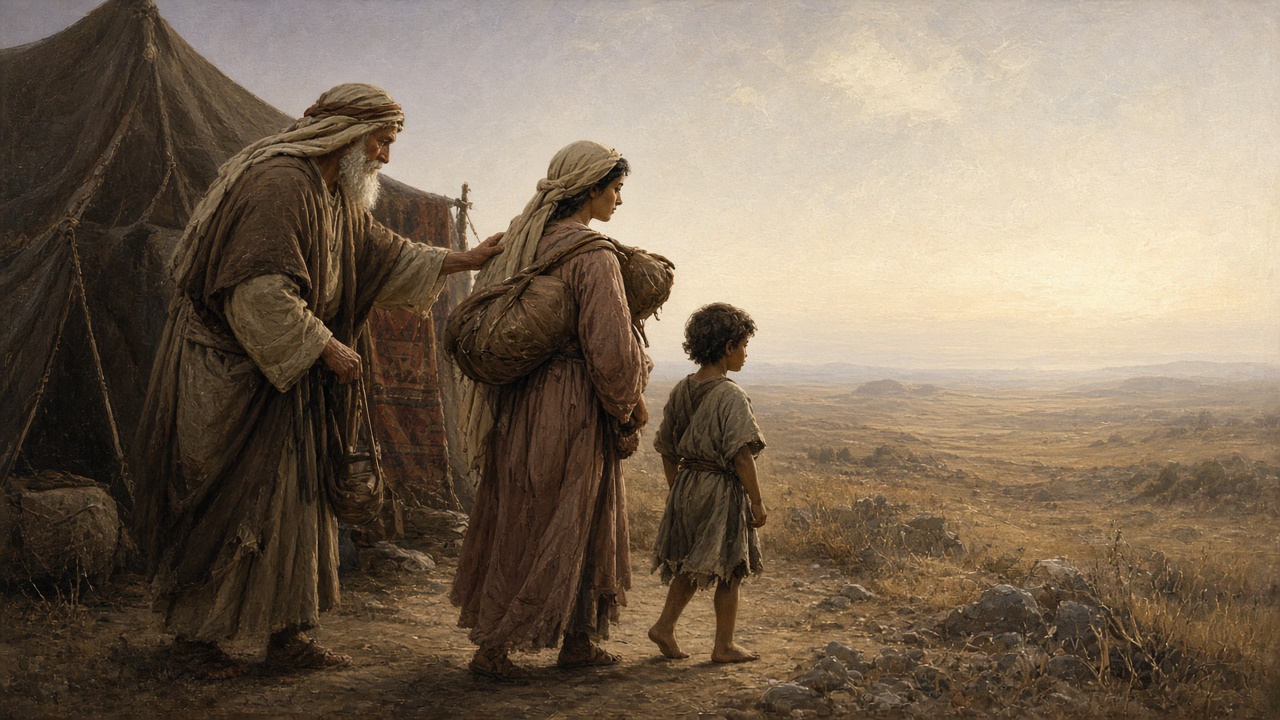
Abrahamdä Hagarxät Ismaelkät yangyäwämbän kukumäläk
8Aisaxu bulämbam tike, mämu tewän kakengä, Abrahamdä naxu bulämbam gwen hawän nakin. 9Tiwänä Saratä kaxawänu, wawakngä Aisaxu Abrahamdä Isip nanä mängälä Hagar uläpä täkutde wawakgä wäyi täkngaläknga inixäwik inimikut. 10Kakengä Abrahamu inikut. “Mängälä puyä äminda uläpäxät wawakngäxälu yangyäwämbi kukakun. Axungwäxawi, puyä äminda uläpäle wawakgä hängä täpäka dowäpik. Tike näle wawaxu Aisakgäkän päpik,” yang inikut.
11Ismaelu Abrahamdä inä wawak. Ge ayangyäwämbikge yawänu, meyä päkut. 12Tiwän Anätutä Abrahamu using inikut. “Wawakga Ismael äwä puyä äminda Hagar yangyäwämbiläkge, meyä mawäyo. Saratä dasingga yak using tahayo, inale ‘Bapukambamu meyä hikngä tiwik,’ yangu hiyäkän wam täknga ganikumu, wawakga Aisakge tiwän yakum. 13Tike puyä ämindale wawakäyä tahawa, meyä sakngälake kantrinä inätä täke yiwitning, inale ixäyä wawakga,” yang inikut.
14Kwepdätä gwäsi hikngä, Abrahamdä nak, yanggä kälap guwune uhike pekinunin yang päkapu, Hagarde gwälamune pekut, wawakngäxät. Pewän päke, Berseba kepgän womune päke tihikukut. 15Yanggä kälap guwune päkulu alängopät puluwän, wawakngä pa mätekngä kwämbätsimde gepmä tekut. 16Teke “Wawaknga kayitä hikngä doxaxawa kupik,” yake, inäkän päku malähimsim yiwixäwik, kwänämnä tikut.
17Engängä kwänäm tiwän, Anätutä natäpgut. Tiwän Anätule ängelatä Hagaru yekäwunetä using inikut. “Hagar, inale tikgaläk? Engang täpä awexäwik tixu, Anätutä anatäk. Ge manaxälayo. 18Ku kätakngäne täke täpi enawän, inale nätä tahawa ile engangu meyä sakngälake, kantrinä inätä täke yiwitning,” yang inikut.
19Tiwänä Anätutä tahawän, kayi kakalä tiwän, gäpma yanggäle kwayikinu däkätu kake, täku kälap guwu une tewän pukuwän dopän, täkapu wawakngä imän tängopgut.
20Wäwi mätexu uläpä aläkaxawän, Anätu ixät yiwikumäläk. Paran kepgän womune yiwixäwik, kwalemu mutnatäpgut. 21Tixawän mingätä mängätnä Isip nanä täkapu imikut.
Abrahamkät Abimelekät wam yakumäläk
22Täpduxu gwendune Abimelekät Fikol amäk äminäle kuhiläle yiwixakut uläpäxät ku, Abrahamu using inikumäläk. 23“Inaka pahaläxu, Anätutä gatänggaminggak. Ge Anätule umande wamu kitokngä hikngä naniyo. ‘Gä, wawakga, bapuka yangu kemu dondaniwit,’ yang niniyo. Nätä gäle nomän tahakum usinggän, gätäxäyä nä äwä kantri anggäpang apuyiwitde päkapu yiwixaläk yangge usinggän tahayo,” yang inikut.
24Iniwän Abrahamdä “Anätule umande kitokngä hikngä yänggat. U yänggaläk usingu äpme tahawit,” yang inikut.
25Tikengä using inikut. “Yanggä gäpma däkätu kwayikumu, puyä ämindatä kukäle inale täke towikngä däkngaying?” yang inikut.
26Tiwändeyä Abimelekgä “Ngä, itä täkin yangu donatät. Moyokän tahawä donanikuläk. Ngä äpmangän yawi natäxat,” yang inikut.
27Tiwänä Abrahamdä sipsip, towiyä gämän yang päkapu, Abimelekge imän, kontrak tahakumäläk. 28Unetäkän Abrahamdä sipsip mätexu mängälä 7 päkapu inätä pekut.
29Pewänä Abimelekgä Abrahamu using inikut. “Sipsip mätexu mängälä 7-u uläkwäxu, inätä yäpuli dasingge peläk?” yang inikut.
30Iniwän “‘Yanggä gäpma unggwenu Abrahamdä kwayikut,’ yake, sipsip mätexu 7-u uläkwäxu näle kätaxune awäyo,” yang inikut.
31Äminu uläpäyatdä Anätule umande wamu kitokngä yakumäläkge, kewu uwomu umanä Berseba yang inikaying.
32Unin tahawät wenä tiwän, Abimelekät Fikol amäk äminäle kuhilä uläpä yangu hipdunä Filistia nanäle kewune kukumäläk. 33Tixawän Abrahamu pa däkätu Berseba kwayike, Anätu Iwikge Yiwixak Täpäle tumuxu une yakut. 34Tikengä Filistia nanäle kewune belakngä yiwikut.
Did you know?
Isaac’s birth, Hagar’s departure, and Beersheba
- Abraham was a hundred years old when Sarah bore him Isaac, their only son together, and he circumcised the child at eight days old, as God had commanded. Sarah said that God had made her laugh, and that everyone who heard of this would laugh with her. Easton's Bible Dictionary (1897) notes that a great feast was held when Isaac was weaned, probably when he was about two years old.Sources: the Bible text itself · Isaac
- Hagar, whose name is explained as “flight” or, according to others, “stranger,” was an Egyptian and Sarah’s handmaid, whom Sarah gave to Abraham as a secondary wife. After Isaac’s birth, Abraham sent Hagar and their son Ishmael into the Wilderness of Beersheba with bread and a skin of water. Ishmael later settled in the Wilderness of Paran, a desert tract in the northeastern Sinai Peninsula between the Arabah on the east and the wilderness of Shur on the west, became a great archer, and his mother got him a wife from Egypt.Sources: the Bible text itself · Hagar · Paran
- Beersheba, “well of the oath” or “well of seven,” was named when Abraham and Abimelech swore an oath there over a well that Abraham said he had dug; he set apart seven ewe lambs as a witness, and the two made a covenant. Phicol, chief captain of the army of Abimelech, the Philistine king of Gerar, entered that alliance with Abraham. Abraham then planted a tamarisk at Beersheba and lived for a long time in the land of the Philistines.Sources: the Bible text itself · Beersheba · Phichol
Notes written with AI assistance from open sources (Theographic Bible Metadata, CC BY-SA 4.0; Easton’s Bible Dictionary, public domain) and reviewed before publishing.
Places in this chapter
Only places identified with high confidence are shown (90% or more according to the scholarly sources compiled by OpenBible). Period map: DARE (Digital Atlas of the Roman Empire), CC BY 4.0; modern map: © OpenStreetMap contributors; places: OpenBible.info (CC BY 4.0).
Credits and license for this translation
Awara Baibel
Genesis, Ruth, and Jonah in the Awara Language of Papua New Guinea
Buk Stat, Rut, na Jona long tokples Awara long Niugini
copyright © 2011 Wycliffe Bible Translators, Inc.
Language: Awara
Translation by: Wycliffe Bible Translators
This translation is made available to you under the terms of the
Creative Commons Attribution-Noncommercial-No Derivatives license 4.0.
You may share and redistribute this Bible translation or extracts from it in any format, provided that:
You include the above copyright and source information.
You do not sell this work for a profit.
You do not change any of the words or punctuation of the Scriptures.
Pictures included with Scriptures and other documents on this site are licensed just for use with those Scriptures and documents.
For other uses, please contact the respective copyright owners.
2025-04-26
Source: http://png.bible/awx/ · eBible.org