Genesis 20
Awara Baibel · Tap a verse to see its cross-references.
Abimelekgä Abrahamde mängät täkut
1Abrahamu Mamrele pa gänang teke, Negep päku, Kadeskät Surxätde bänäkan yiwikut. Päku Geraru mätekngä wesim yiwixäwikngä, 2mängätnäle “Hamina” yang yakut. Tiwänä Gerarle kingu Abimelekgä puyä äminä yäningyäpiwän, ku Sara täkapu imä, yotnäne tekut.
3Tiwän kupilä gwendune Anätutä dambu tängäne apuke, Abimelexu inikut. “Gä axumnangge tinggaläk, inale gä mängälä uläpä täkuläxu ayä käyä,” yang inikut.
4Tiwändeyä Abimelexu Saraxät däpmunu dowekumäläk. Ge Abimelekgä using inikut. “Täkeläpä, äminu gutongänä wenä asipiläk? 5Abrahamdä Sarale ‘Hamina,’ yawän, Saratäxayä ‘Hamina,’ yakut. ‘Ayä wenämbä,’ yake yäwa ku täkapgin. Tiwändeyä nätä gutongä täkngatu ile dolahakum. Ge undanu gutongä wenä,” yang inikut.
6Iniwän Anätutä dambu tängäne inikut. “Hiyäkände. Gä donatäxäwik tahakuläk yangu anatät. Ile tiwän, nätä natäpa, mängälä uläpä doläke, wäyi täknga dolahakuläk, nälen. 7Ge mängälä uläpä hipdu ayäle imiyo. Äminu uläpä profet. Ge aimi, itä gäle tumuk wam yawänu, gä doxupiläk. Tike doimiläxu, yäko! Gä äwä gikaxät nanä yangu undä axumning,” yang inikut.
8Kwepdätä gwäsi hikngä, Abimelekgä puyä äminä undä yangyäwämbän apä, meyä apgutdäne yäniwän, anaxälakin. 9Tiwänä Abraham yatäwämbän apän, inikut. “Gä ninde dasing tahanggaläk? Nätä gäle meyä täkngatu dolahakum. Tiwändeyä gä kem yake, meyä täknga ninde täkapunggaläk. Äminbamdä dowahakaying täknga, gätä ninde tahanggaläk. 10Yäpuli inale hikngä tahakuläk?” yang inikut.
11Tiwänä Abrahamdä inikut. “‘Ane nanä Anätule donaxäläke, nuke mängätna tänäng,’ yang natäpgum. 12Tike ‘Hamina’ yangu hiyäkände yakum. Nanilu uläpäninggän. Tike mingilu inäinä. Tiwändeyä mängätnale täkum. 13Tiwänä Anätutä natäpän, yotna teke, kewu womduwomdu tihikuxäwik, mängätna using inikum. ‘Gätä näle nomän tahaxawi, yotyotbä säneka kuhimu, näle gätä “Hamina” yang yäniyo,’ yang inikum,” yang yakut, Abrahamdän.
14Tiwänä Abimelekgä Sara Abrahamde hipdu imikut. Imike towiyä gämän, sipsip, puyä ämin yang imikut. 15Imikengä Abrahamu using inikut. “Awomu näle kepgän. Gika sawomuneka yiwitnangge natäkengu, une yiwiyo,” yang inikut.
16Inikengä Sara using inikut. “Nätä hamindale moningu silwa meyänä 1000 sekel imit, gutongä uläknga gäle tahakumden. Tiwän äminbamu gäxät yiwixayinggä using natäpning. ‘Gä gutongä täkngatu dolahakuläk,’ yang natäpning,” yang inikut.
17Tiwänä Abrahamdä Anätule tumuk wam yakut. Tupä Abimelekgä Abrahamde mängät täpän, Yawetä mängälä undä Abimelekät nanä engang dayike pänangäsä bäniyä umukut. Tiwäna Abrahamdä ile tumuk wam yawän, Anätutä Abimelek, mängätnä, mängälä puyä äminä yang gatängyämän, hipdu engang dayike pänangäsä täke tikin.
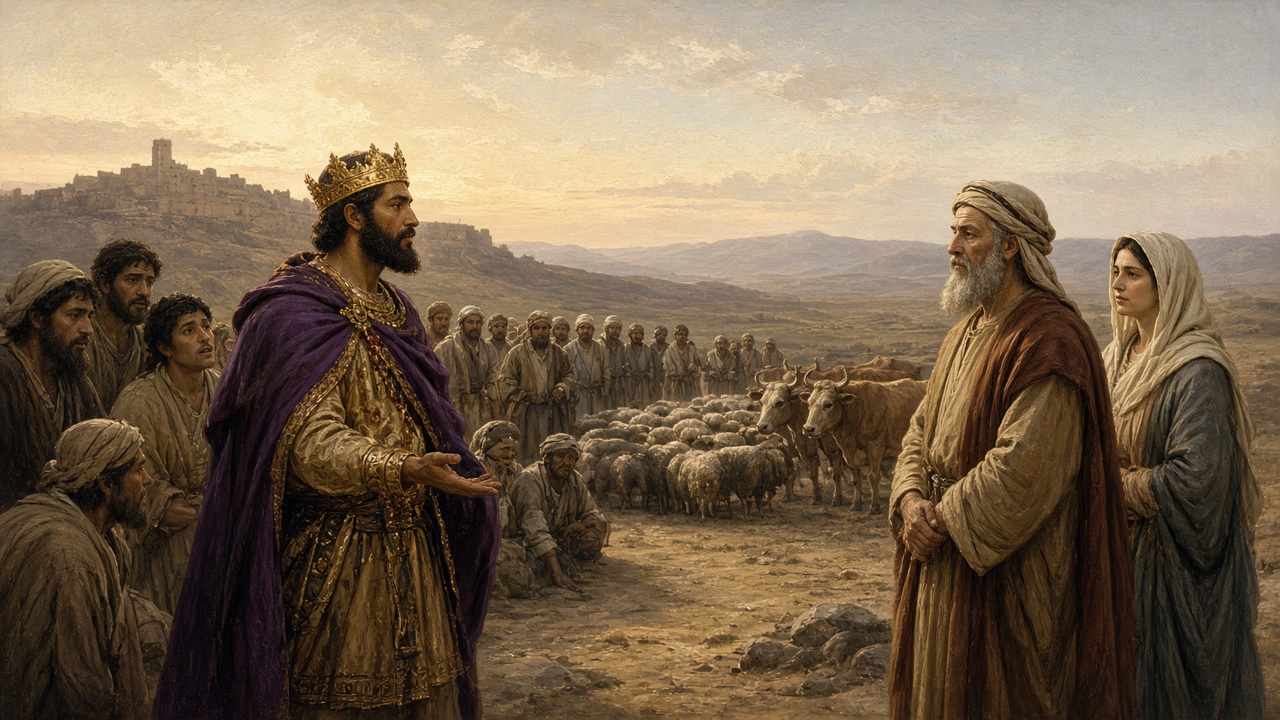
Did you know?
Sister and Wife in Gerar
- Abraham was staying in Gerar, a very ancient town and district on the southern border of Palestine, then ruled by a king named Abimelech. He had journeyed to the Negev, the arid district south of Palestine on the caravan route toward Egypt, and settled between Kadesh and Shur. Shur, a name meaning “wall,” was a desert region on Egypt’s northeastern edge, probably named for the frontier wall the Egyptians built there.Sources: the Bible text itself · Gerar · Negeb · Shur
- When Abraham said that Sarah was his sister, the kinship was not wholly invented: she was also his half-sister, the daughter of his father but not of his mother. Easton's Bible Dictionary (1897) gives the name Sarah as meaning “princess,” and says that name was given when it was announced that she would be the mother of the promised child.Sources: the Bible text itself · Sarah
- The name Abimelech appears again at Gerar in Isaac’s story. Easton's Bible Dictionary (1897) describes that later king as probably the son of the Abimelech Abraham met, and says he rebuked Isaac for a similar deception about his wife Rebekah, which the king discovered by accident. The same work says Gerar seems to have been a rich pastoral country.Sources: Abimelech (King of Gerar) · Gerar
Notes written with AI assistance from open sources (Theographic Bible Metadata, CC BY-SA 4.0; Easton’s Bible Dictionary, public domain) and reviewed before publishing.
Places in this chapter
- Negeb · 31.245, 34.841 · verse 1
Only places identified with high confidence are shown (90% or more according to the scholarly sources compiled by OpenBible). Period map: DARE (Digital Atlas of the Roman Empire), CC BY 4.0; modern map: © OpenStreetMap contributors; places: OpenBible.info (CC BY 4.0).
Credits and license for this translation
Awara Baibel
Genesis, Ruth, and Jonah in the Awara Language of Papua New Guinea
Buk Stat, Rut, na Jona long tokples Awara long Niugini
copyright © 2011 Wycliffe Bible Translators, Inc.
Language: Awara
Translation by: Wycliffe Bible Translators
This translation is made available to you under the terms of the
Creative Commons Attribution-Noncommercial-No Derivatives license 4.0.
You may share and redistribute this Bible translation or extracts from it in any format, provided that:
You include the above copyright and source information.
You do not sell this work for a profit.
You do not change any of the words or punctuation of the Scriptures.
Pictures included with Scriptures and other documents on this site are licensed just for use with those Scriptures and documents.
For other uses, please contact the respective copyright owners.
2025-04-26
Source: http://png.bible/awx/ · eBible.org