Genesis 2
Awara Baibel · Tap a verse to see its cross-references.
1Anätutä kepkät yekäpkät pahake, hängäläpä undä inäinäne nomän hikngä pepulukut.
2Tiwänä täpduxu 7 gwendä kwakawänu, puyä awahapulukutde, moyo yiwikut. 3Tike täpduxu 7 gwenu wam gwaläng imike, tahawän takwän tikut, inale puyä awahapulukutde, täpduxu unggwenune, inä Anätu moyo yiwikut.
Anätutä ämin pahakut
4Wamu aläknga kepkät yekäpkät yawän yiwikindäne. Anätu Yawetä kepkät yekäpkät pahakutkätanu, 5naxu puyäne nanä kep däkäne dondopgin, inale Anätu Yawetä kep gomune hopä dolewän takut, tiwän äminu täpätu kep gomune doyiwike, puyä dowahakut. 6Tiwändeyä yanggä kewunetä akoxäwik, kep däkä tänguxawä kwikakut. 7Tiwänä Anätu Yawetä kewu päke, ämin kwätäluke, inä kwämanu käluk yiwitnangäsä täknga nomnä gwäk puyäpän, äminu uläpä käluk yiwikut.
8Tiwänä Anätu Yawetä gusitdä akonggak käwulune, Idenkätan puyä womdu pahakut. Tikengä äminu uläpä kwätälukulu une tewän yiwikut. 9Tixawän Anätu Yawetä pahawän, puyä ulängäne pa kepkätandä inäinäne meyä dopgin. Pa kayitä dayipä täkäningge äwä salinä alawä näningge yang pekut. Ile bänäkänkätanu pa däkäyalä. Däkätule salin nakengu käluk yiwitnangäsä, tiwän däkätule salin nakengu nomän bä wäyi yang natäpnangäsä pekut.
10Puyä ulängäle yanggä imikge, yanggä dupitu Idenkätandä tewän sipgut. Yanggä undupinetäkän upuke, inäinä sipmäke kukinu unekänu 4. 11Yakap dupi umanä Pison. Undupi asipmäke, ku Hawilale kewune kunggak. Kewu uwomu golu käyä. 12Golu uwomune nanä nomän. Tiwän uwomune pa inuxu käpängä gwälam hikngä äwä huwu gwälam hikngä umanä oniks yang yänikayingu käyä. 13Yanggä käwutdu dupi umanä Gihon. Undupi asipmäke, ku Käs kep womune kunggaxunin. 14Yanggä käwutdu 3 dupi umanä Taigris, Asutde gusitdä akonggak käwut sipmänggaxunin. Tiwän 4 dupi umanä Yupretis.
15Anätu Yawetä äminu uläpä puyä ulängä kang yiwikge une tekut. 16Teke wamu kitokngä hikngä täkngatu using inikut. “Gä pa salinu puyä alängäne nanä täkekän näyo. 17Tiwändeyä pa nomän bä wäyi yang natäpnangäsä däkätäne salinä manäyo, inale änakengu, täpduxu inä unggwenunekän kupiläk,” yang inikut.
18Tikengä Anätu Yawetä “Äminu inäkän yiwänu nomänundo. Ge gatäkgatäkngäle notnä täpätu tahawit,” yake, 19kepdä kälawu kewune nanä äwä kwäwilu enetängä nanä pahakut yangu “Äminu uläpätä dayike umanä dasingga yäniwik?” yake, päkapgut. Tiwän itä dayike, umanä dasingga yänikulu, umanä unin. 20Äminu uläpätä kälap, kwäwit äwä hängäläpä ämindä daying yiwitnangäsä yangu umanä undä yänikut. Tike teyä gatäkgatäkngäle äläwambän malikut.
21Ge Anätu Yawetä tahawän, äminu uläpä däpmunä kupsä hikngä pekut. Awexawänä, äminu uläpäle täkäpulä täpätu täkengä, hipdu gupnätä tahang umukut. 22Tikengä mängälä täpä äminu uläpäle täkäpulä täkutdä kwätälukut. Tikengä mängälä uläpä wäwi uläpätä käwikge täkapgut.
23Täkapän kakuläkaxäwik using yakut. “Ile kwätänu näle kwätän, tiwän ile guwu näle gup. Äminu uläpä wäwile tängänetä kwätälukut. Ge umanä ‘mängälä,’” yang yakut. 24Ge ile tiwän, wäwi nanämingä peke, mängätnäxät unekän gatäke yiwä, gupnä buläkänu däkngäkaying.
25Wäwi uläpäxät mängätnäxälu belum yiwixäwik geyä, domäyäkakumäläk.
Did you know?
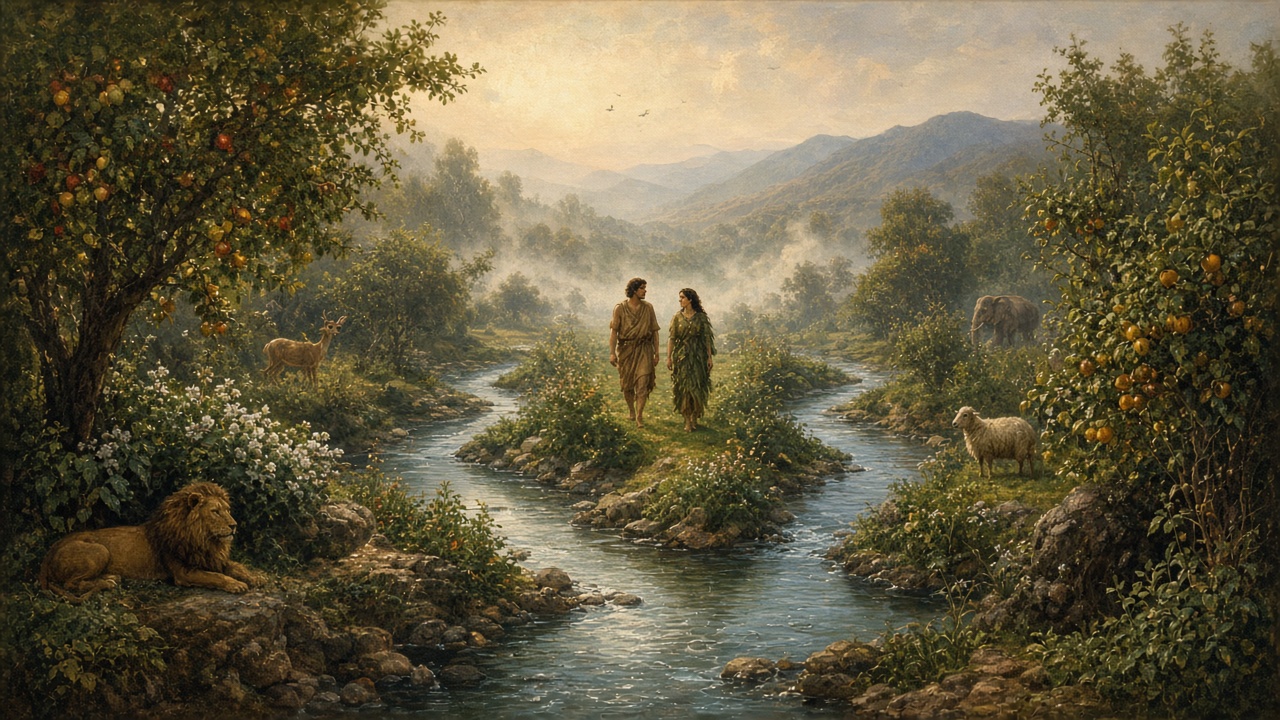
Adam, Eden, and the Four Rivers
- Adam, meaning “red,” is a Babylonian word and the ordinary name for a human being, with the same sense in Hebrew and in Assyrian. It was given to the first man. He was formed from the dust of the ground—hence the name—and God breathed into his nostrils the breath of life.Sources: Adam · the Bible text itself
- A river flowed out of Eden and divided into four headwaters: the Pishon, the Gihon, the Hiddekel, and the Euphrates. Some identify the Pishon with the Phasis or the Halys, others with the Indus, the Ganges, or still other rivers; the Gihon has been identified with the Nile, and others regard it as the Oxus, the Araxes, or the Ganges. The Hiddekel is the Tigris, called by the Accadians the river of Idikla; Gesenius understood the name as “the rapid Tigris.”Sources: the Bible text itself · Pison · Gihon · Hiddekel
- The site of Eden, the garden in which the first parents lived, has been discussed more than almost any other geographical question. It has been placed in Armenia, in the region west of the Caspian Sea, in Media, near Damascus, in Palestine, in southern Arabia, and in Babylonia. Easton's Bible Dictionary (1897) seeks it along the Tigris and the Euphrates of western Asia, in the land of Shinar, or Babylonia.Sources: Eden
Notes written with AI assistance from open sources (Theographic Bible Metadata, CC BY-SA 4.0; Easton’s Bible Dictionary, public domain) and reviewed before publishing.
Places in this chapter
- Assyria · 36.359, 43.153 · verse 14
- Euphrates · Today: Euphrates River · 31.004, 47.442 · verse 14
- Tigris · Today: Tigris River · 31.004, 47.442 · verse 14
Only places identified with high confidence are shown (90% or more according to the scholarly sources compiled by OpenBible). Period map: DARE (Digital Atlas of the Roman Empire), CC BY 4.0; modern map: © OpenStreetMap contributors; places: OpenBible.info (CC BY 4.0).
Credits and license for this translation
Awara Baibel
Genesis, Ruth, and Jonah in the Awara Language of Papua New Guinea
Buk Stat, Rut, na Jona long tokples Awara long Niugini
copyright © 2011 Wycliffe Bible Translators, Inc.
Language: Awara
Translation by: Wycliffe Bible Translators
This translation is made available to you under the terms of the
Creative Commons Attribution-Noncommercial-No Derivatives license 4.0.
You may share and redistribute this Bible translation or extracts from it in any format, provided that:
You include the above copyright and source information.
You do not sell this work for a profit.
You do not change any of the words or punctuation of the Scriptures.
Pictures included with Scriptures and other documents on this site are licensed just for use with those Scriptures and documents.
For other uses, please contact the respective copyright owners.
2025-04-26
Source: http://png.bible/awx/ · eBible.org