Genesis 1
Awara Baibel · Tap a verse to see its cross-references.
About this book
About Genesis
- Among Jews the book is called Bereshith, meaning in the beginning, from its first word; Christians know it as Genesis, the Greek name used in the Septuagint, meaning creation or generation, because it tells of the origin of all things. It is the first of the five books that Jews call the Torah, the law, and that are collectively known as the Pentateuch, a Greek term for the five-fold book. Easton thinks the division into five books probably came from the Greek translators, and that the familiar book names are Greek.Sources: Easton: Genesis
- Easton's Bible Dictionary (1897) attributes Genesis to Moses and allows that he may have used older documents or traditions already current in his time. It gives no date of composition. By what Easton calls the usual computation, the narrative spans about 2,369 years.Sources: Easton: Genesis
- Easton divides Genesis into two principal parts. Chapters 1-11 give a general history of humankind down to the Dispersion; chapters 12-50 give the early history of Israel down to the death and burial of Joseph. Five figures organize the successive periods: Adam, Noah, Abraham, Isaac, and Jacob.Sources: Easton: Genesis
- Abram sojourned in Chaldea until he left Ur and traveled some three hundred miles north to Haran. Jacob later fled to Laban's house at Haran in Mesopotamia and married Laban's daughters, Leah and Rachel. The narrative then reaches Egypt: Easton takes Joseph's Pharaoh to be probably Apopi, the last Hyksos king, while some argue for the reign of Thothmes III.Sources: Abraham · Laban · Pharaoh (of Joseph)
- Easton notes that Sarah, Abraham's wife, died at one hundred and twenty-seven, the only woman's age recorded in Scripture, and that her death led Abraham to buy the cave of Machpelah as a family burial place.Sources: Sarah
Notes written with AI assistance from open sources (Theographic Bible Metadata, CC BY-SA 4.0; Easton’s Bible Dictionary, public domain) and reviewed before publishing.
Anätutä hängäläpä pahawän yiwikin
1Yakapde hikngä Anätutä kepkät yekäpkät yawän yiwikin. 2U yawän yiwikin gwenune, kewu moyo wom yiwikut. Tiwän kupilä täkngatä yanggä gwende enetängä yiwikut. Tiwän Anätule Wawunggä yanggä unggwende enetängä kungapgut.
3Tixäwik Anätutä using yakut. “Kwakäpä täknga tingalayok,” yawän, kwakäpä täknga tingalakut. 4Tiwän kwakäpä uläknganin kake, täke natäpgut. Tikengä kwakäpä täkngaxät kupilä täkngaxät matäkut. 5Matäke, kwakäpätäne umanä “kwakäpä” yang inikut. Tikengä kupilätäne umanä “kupilä” yang inikut. Tiwän täpduxu yakawu unggwenu tukwake kwakakut.
6Tiwänä Anätutä using yakut. “Yanggä matäwikge, wangga womdu yanggä bänäkängän tingalayok,” yawän, 7inä u yakut using tike, uwomdä yanggä bänäkängän matäwän, yanggä käwutdu uwomde enetängä yiwän, käwutdu kematde yiwikut. 8Tiwän wangga uwomu umanä “yekäp” yang inikut. Tiwän täpduxu 2 unggwenu tukwake kwakakut.
9Tiwänä Anätutä using yakut. “Yanggä yekäp gepbine yiwixaxu womdunekän täku yiwän, womdu koxolä yiwiyok,” yawän, inä u yakut using tikut. 10Tiwän koxolä yiwikulu uwomu umanä “kep” yang inike, yanggä u päku yiwikulu umanä “yanggä gwen” yang inikut. Tikengä unin dayike, täke natäpgut.
11Tikengä hipdu using yakut. “Kep däkänetä songäsongä, pa, äwä nak yang alätnong. Tike salinä inäinäne alätnong,” yawän, inä u yakut using alakin. 12Kep däkäne songäsongä, pa äwä nak yang doke, salinä inäinäne alakin. Tiwän unin dayike, täke natäpgut. 13Tiwän täpduxu 3 unggwenu tukwake kwakakut.
14Tiwänä Anätutä using yakut. “Kwakäpä täknga äwä kupilä täknga yang tuwängutningge, kakalä gwenggwenu yekäwune alätnong. Tikengä hopä täpduk, gusit täpduk, äwä täpduxu inulung gwenggwen yangu tuwängutning. 15Itä yekäwune yiwike, kep däkäle kwakäpä imining,” yäwan, inä u yakut using alakin.
16Anätutä kakalä inulungu gwenalä pahakut. Kakalänä inulung hikngä gwenu, kwakäpänele tahakut. Tikengä kakalänä mätekngä bimä gwenu, kupilänele tahake, kuminamkäyä pahakut. 17Tikengä kep däkäle kwakäpä imike, kupilä täknga kwakäpä täknga yang matäke daying yiwitningge, yekäwune pewän yiwikin. Tikengä unin dayike, täke natäpgut. 19Tiwän täpduxu 4 unggwenu tukwake kwakakut.
20Tiwänä Anätutä using yakut. “Yanggä gwenkätanu pis, hängä ulung pahanangäsä yangu meya yiwitnong. Tixawän kwäwitkäyä alake, enetängä wepmähikunong,” yang yakut. 21Hängä inulung hikngä täpäläpä yanggä gwenkätan yiwixaying äwä hängä undä ulung tahake yanggä gwenkätanu meyä yiwixaying yangu, inäinäne pahakut. Tixäwik kwäwitkäyä inäinäne undä pahakut. Tikengä unin dayike, täke natäpgut.
22Tikengä hängä u pahakulu, wam gwalängu using yämikut. “Pisu duksäng sakngälake, yanggä gwenu yiwä dopsok. Tixawän kwäwitkäyä kewune meyä sakngälätnong,” yakut. 23Tiwän täpduxu 5 unggwenu tukwake kwakakut.
24Tiwänä Anätutä using yakut. “Kälawu kep däkäne nanä inäinäne alätnong. Kälawu songäne nanä, kälawu äminsak äwä gwakgwak yangu inäinäne alätnong,” yawän, hängä inä u yakut using alakin. 25Anätutä kälawu songäne nanä, kälawu äminsak, äwä gwakgwak yangu inäinäne pahake, unin dayike, täke natäpgut.
26Tikengä using yakut. “Äminu nihä bimä pahanim. Tiwän itä hängäläpä yanggäne nanä, kwäwilu enetängä nanä, kälawu songäne nanä, kälawu äminsak, äwä hängäläpä undä kep däkäne nanä yang daying yiwitning,” yake, 27Anätutä äminu inä bimä pahakut. Wäwi mängälä yangu inä hikngä bimä pahakut.
28Tikengä wam gwalängu using yämikut. “Engangu meyä dukngisol. Tiwän unetä sakngälake, kewune yiwitäke kuwä dopän, hänga undä daying yiwitnong. Tike pisu yanggäne nanä, äwä kwäwilu enetängä nanä, äwä kälawu kep däkäne nanä yangge kuhiläle yiwitnong,” yang yakut.
29Tikengä hipdu using yänikut. “Kätak natäpsol. Nätä naxu tämbam salin bimä, pa salin yangu undä naksäle daminggat. 30Tiwän songäsongä undä kälap, kwäwit yanggä näningge yäminggat,” yawän inä u yakut using tikin.
31Tiwän Anätutä hängä undä u pahakulunin dayike, täke hikngä natäpgut. Tiwän täpduxu 6 unggwenu tukwake kwakakut.
Did you know?
The creation of heaven and earth
- The chapter tells the making of the heavens and the earth over six days, and each day closes with the same refrain: there was evening, and there was morning. Light is brought into being on the first day and named “day,” while the darkness is named “night.” Only on the fourth day are two great lights and the stars set in the expanse of the sky, to separate day from night and to mark seasons, days, and years.Sources: the Bible text itself
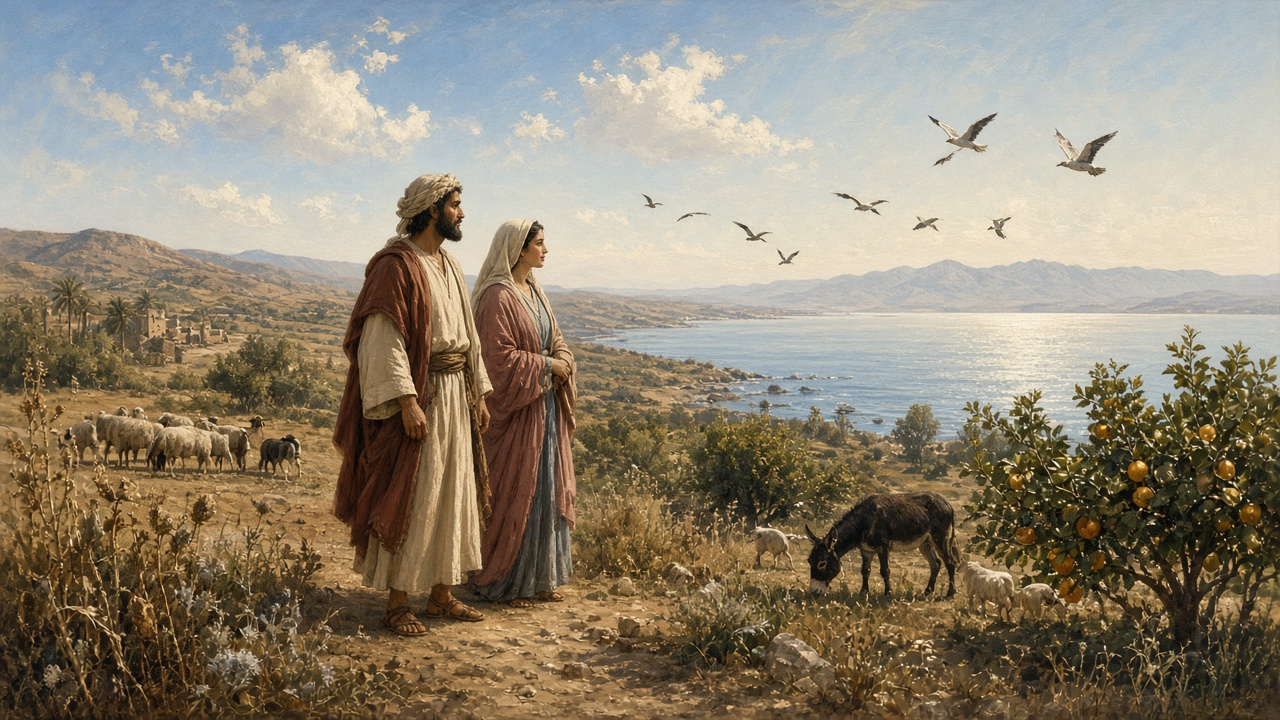
- The story opens on an earth that is formless and void, with darkness over the surface of the deep and the Spirit of God hovering over the waters. God makes an expanse and calls it “sky,” separating the waters above from the waters below. The waters under the sky are gathered into one place so that dry land, called “earth,” and the seas appear, and the earth brings forth seed-bearing plants and fruit trees.Sources: the Bible text itself
- On the sixth day livestock, land crawlers, and beasts of the earth are made, and human beings are created male and female in the image of God, blessed, and told to fill the earth and rule the other creatures. Seed-bearing plants and fruit trees are given to them for food, and every green plant to every creature that has the breath of life, and God looks at all that has been made and calls it very good. One event chronology places the start of the creation of all things in 4003 BC and gives it a duration of seven days.Sources: the Bible text itself · Creation of all things
Notes written with AI assistance from open sources (Theographic Bible Metadata, CC BY-SA 4.0; Easton’s Bible Dictionary, public domain) and reviewed before publishing.
Credits and license for this translation
Awara Baibel
Genesis, Ruth, and Jonah in the Awara Language of Papua New Guinea
Buk Stat, Rut, na Jona long tokples Awara long Niugini
copyright © 2011 Wycliffe Bible Translators, Inc.
Language: Awara
Translation by: Wycliffe Bible Translators
This translation is made available to you under the terms of the
Creative Commons Attribution-Noncommercial-No Derivatives license 4.0.
You may share and redistribute this Bible translation or extracts from it in any format, provided that:
You include the above copyright and source information.
You do not sell this work for a profit.
You do not change any of the words or punctuation of the Scriptures.
Pictures included with Scriptures and other documents on this site are licensed just for use with those Scriptures and documents.
For other uses, please contact the respective copyright owners.
2025-04-26
Source: http://png.bible/awx/ · eBible.org