Galatians 6
Manikáne O Ehwehne · Tap a verse to see its cross-references.
Iteite we séhréh atéhoro i ehwéhne.
1Néne iyahnabo anímáríno, Sísa tagaríéh ánínká ahbabáréna Sísane sánsá suena peh túbáh agínawe íre kawerire. Mi anínká mónkakáq Sísane sánsá kawerue sehginkeheéq ite Manikáne Awane sansá tábúsoqme sehgíó kégá mi aní pehwehrue séhréh atáhro. Owainawanka ite moq ahbabáq iwiáh aitehnehboq kawerurero. 2Iteite we séhréh atéhéq aru ukiq átéhoro. Mirairataqmé Sísa Karáhéga sehgíóro i ehwéh kawerue sehgioráhowe.
3Pehgáriq anínká iwíáhéna, Íné anotah aní múge ime wewensabé péhe íwíáhire. 4Ómiga wene wene arambehri tagéra, Aiq kawerugapómo éra iwíáhue tagahro. Arerene arambehriga mó aníné arambehri kiotaikínayabé iwíáh íwíáhiyehboq peh morá arerene arambehriyabé iwíáh íwíáhoro. 5Minayabe arerene arambehri kawerue sehgio.
6Manikáne ehweh áwáhnorinana íréh ánínkáwé moke kaweq naneq áwáhnori aní náwino.
Kaweq ayúnkákáq íre kaweq ayúnkákáqsábé pabeqme ehwéhne.
7Péhe íwíáhiyehboq tábúsoqme iwíáhoro. Manikánsabe anetaníbo íwíáho ke kamah arinawire. Wehukenínká abehq náneq ayú uqmarahnaraq íre kaweq será iyanae. Kaweq naneq ayú uqmarahnaraq kaweq será iyanae. 8Mina inserah arene arupipeqté áhbábáq íwíáh sehgínaraq kaweqtapéq íre awaqme iraipéq pokiniewóne. Manikáne Awanka iwíáh atéh íwíáh sehgínaraq oga mérapeq awaq miankéhe.
9Kaweq sansánéq arambehri túbáh agiyehboq mi sansá íre susa peh kawerue sehgírataq Manikánka sainsuahna tanáhráq kagai apéq náinkéhe. 10Minayabe séhréh arite tanahráq kahnaraq ómi kawerarítáhro. Sísa tagaríáh ké anotahtaq séhréh ariteq kawerarítáhro.
Poraga Sísa awankátaq táhpagúnsabe iwíáh íwíáh ú ehwehne.
11Moke mahna parabarúó éhwéhmé ínéga peh ehweh teawúgana mó anínká sehiranéwéhre. Amahnága ínénéga sehirankara mewe mah pahsí sehiranue parabaruaníe. Néne anotah sehirá tagahro. 12Síú amurúrúáh kégá peh wehuke suwahbeh sansánsábé iwíáh íwíáhéra íú amurúrúáhro aitera pagu pagunowe. Pagu pagunéra peh morá Sísa awankátaq táhparó ehweh teri terinotaq tahirímé mó Asiu kegá síwíoqnah irino. 13Síú amurúrúáh kégá Mósísine ehweh moke íre sehgira peh ákáhtaq sehgirowe. Itega íú amurúrúáhro e ehwéh sehgírataq sega iwíáh íwíáhigehe. Itene ehweh kawerue sehgíówe éra iwíáh íwíáhigeheéra ite pagu pagunowe.
14Ínéga mirauraunsabé íre iwíáh íwíáhéna peh morá Sísaga miraúnsabe iwíáh íwíáhinauge. Sísa awankátaq táhpawe putionka mah marákóípéqté sánsánsábé néne iwíáhipeq aiq sutauge. We putio tanáhráq íné moq pukuraunsabé mah marákóípéqté sánsá sehgieyabe íre nuwahbehre.
15Síú amurúrúáh sánsánsábé íre iwíáh íwíáhorahi naneq mire. Síú íre amurúrúáh sánsánsábé moq monserahnire. Peh Manikáne Awanka wehukeníné arupipeq kaweratéhrana o aní úkinsabé minawé anotah iwíáh íwíáhorahi naneq mire. 16Manikánka mi iwíáh sehgíó ké wene animárínsábé arutaboiréna siru ukiq sitéhre. Mi ke aiq pútaq Ísara kahnáh móe.
17Mó kegá niru págege aintéhoéna ínéwé Sísane arambehriu aní ména wene sánsá sehgiráuge. Mirauraunsabé mó kegá nubiq matowana ninonkataq náonabí kéhre.
18Néne iyahnabo anímáríno, itene Wahnah Sísa Karáhéga séhréh aitéhre. Aiq míre.
Did you know?
Burdens, the Harvest, and the Cross
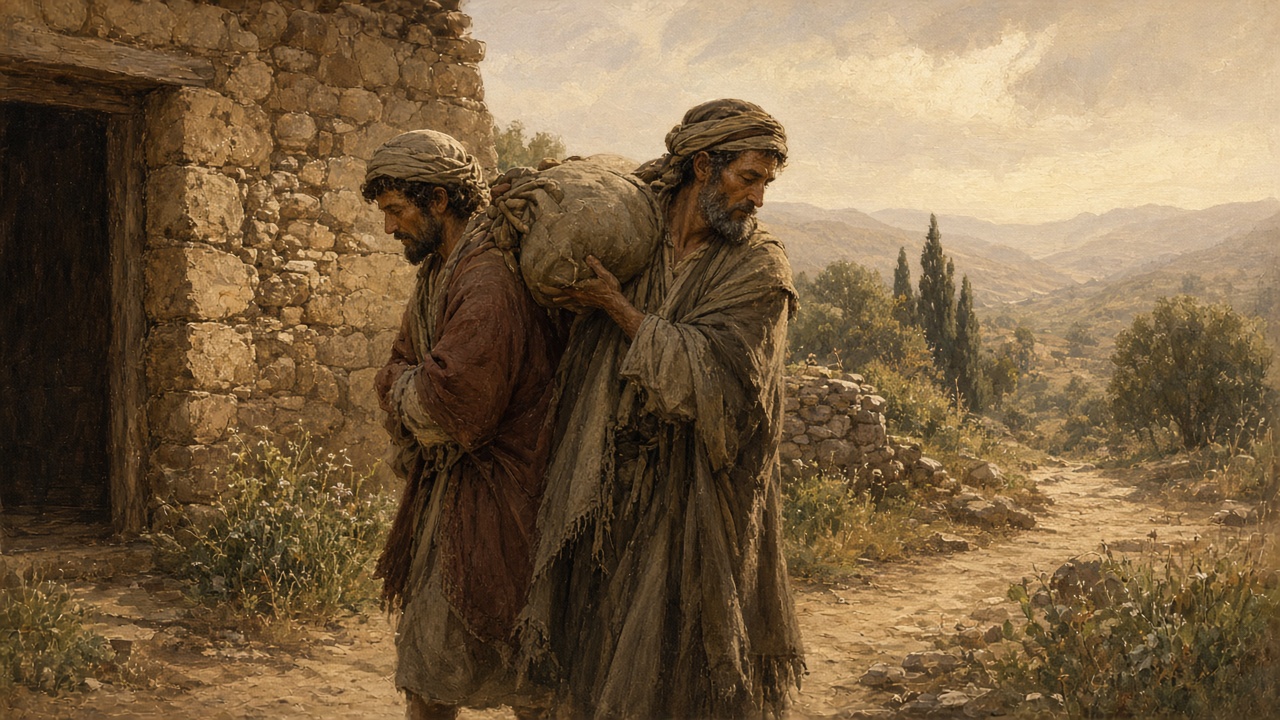
- The chapter sets two duties side by side. Those who are spiritual should restore with gentleness someone caught in a trespass, and carry one another's burdens, which the letter calls fulfilling the law of Christ. Each person, however, should test his own work and carry his own load, rather than think he is something when he is nothing and boast by comparing himself with someone else.Sources: the Bible text itself
- The writer uses the image of sowing and reaping: God is not to be mocked, and a person reaps what he sows. The one who sows to please the flesh reaps destruction from the flesh; the one who sows to please the Spirit reaps eternal life from the Spirit. Readers are urged not to grow weary in doing good, for in due time they will reap a harvest if they do not give up, and to do good to all, especially to the family of faith.Sources: the Bible text itself
- The writer calls attention to the large letters he is using as he writes with his own hand. He says that some try to compel circumcision in order to make a good outward impression, to avoid persecution for the cross of Christ, and to boast in the flesh of others, though the circumcised do not themselves keep the law. He asks never to boast except in the cross of our Lord Jesus Christ, says that neither circumcision nor uncircumcision means anything and that what counts is a new creation, and states that he bears on his body the marks of Jesus.Sources: the Bible text itself
Notes written with AI assistance from open sources (Theographic Bible Metadata, CC BY-SA 4.0; Easton’s Bible Dictionary, public domain) and reviewed before publishing.
Credits and license for this translation
Manikáne O Ehwehne
God's New Talk: The New Testament in the Awa Language of Papua New Guinea
Nupela Testamen long tokples Awa long Niugini
copyright © 1974, 1997 Wycliffe Bible Translators, Inc.
℗ Faith Comes by Hearing
Language: Awa
Translation by: Wycliffe Bible Translators
This translation is made available to you under the terms of the
Creative Commons Attribution-Noncommercial-No Derivatives license 4.0.
You may share and redistribute this Bible translation or extracts from it in any format, provided that:
You include the above copyright and source information.
You do not sell this work for a profit.
You do not change any of the words or punctuation of the Scriptures.
Pictures included with Scriptures and other documents on this site are licensed just for use with those Scriptures and documents.
For other uses, please contact the respective copyright owners.
2013-12-11
Source: http://png.bible/awb/ · eBible.org