Galatians 5
Manikáne O Ehwehne · Tap a verse to see its cross-references.
Wehukene sánsánká ite saiqnariehneho i ehwéhne.
1Mósísine ehwehnka saiqnariarairaq Sísa Karáhénsabe aiq pútare atáráúnaga ite sabi iuwátáire. Mi ehwéhnká mónkakáq saiqnariehnehboq peh morá Sísansabé aiq pútare ate sansanoro.
2Íné Poraga teiníboq írátíáhro. Asiu kegá síú amurúrúáhnserah itega itene íú amurúrúáhnaraq Manikánka itensabé, Kawerowe aitankéhe íwíáhoo? Mira íwíáhirataq Sísa Karáhéga miraú arámbéhrígá ite íre séhréh aitahráhire. 3Mónkakáq teiníboq írátíáhro. Asiu kené síú amurúrúáh sánsá miraonehe íwíáhirataq moke Mósísine ehweh sehgíóro aitankéhe. 4Mósísine ehweh sehgioneheqmúne íwíáho keo, mira íwíáhonka Sísa Karáhéga séhréh aitéh sánsá aiq súáhwana wega íre séhréh aitéhre.
5Sísa Karáhénsabe aiq pútare atonayabé Manikáne Awanka séhréh aitéhrana Manikánka, Kaweqtaq mía míaowe aitankéhe. Itega mira íwíáhéq áwénunúne. 6Sísa Karáhéreq mía míao kegá síú amurúrúáh sánsánkákáq síú íre amurúrúáh sánsánkákáq monseráhnire. Mi sansátáré mirairanka íre séhréh aitahráhire. Peh morá Sísansabé aiq pútare ateq mó keyábé irutaboiro sansánká séhréh aitahráhire.
7Menahmé itega aiq pútaq sansá kawerue sehgirowe. Mi sansá súáhro insega teiena pagu pagunurairo? 8Minawé íre Maniká, ite omaq itárái anínká iwíáh aitárái ehwéhne. Mó iwíáhigeheéna aneq ehwéh teinínkono?
9Iteriborehga mah pabéqmé éhwéh iraréra, Páráwahipéq pehgáriq muoráhi naneq maréhrataq mi paráwáh moke muinae ewe.
10Péhe éhwéh irari anínká mó ehwéh teínsábé itene irupipeq iwíáh kikirowe. Mi pehe éhwéhni aní insebómo. Manikánka we tagéna kamah awinkéhe. Itene Wahnahnka séhréh aitahna puaq péhe éhwéh sueq ínéga teiú éhwéh mónkakáq sehgioneheqmóe íwíáhuge.
11Néne iyahnabo anímáríno, Manikánka kawerowe aitankéhboq itene íú amurúrúáhro tei teinutaq tahirímé mó kegá íre níwíoqnah irino. Sísa Karáhéga itene ahbabáq kaqsuena ite kaweraitanieéna awankátaq táhpawe putio ehweh tei teinunsabé mó kegá abiahnsa aintera níwíoqnahwe. 12Itene íú amurúrúáhro tei teino kegá seyene áwáhnta pirúéhrataq aiq kawerinae.
Mó keyábé irutaboiréq we séhréh atéhoro i ehwéhne.
13Néne iyahnabo anímáríno, mó naneqka ite íre saiqnariankeheéna Manikánka itensabé, Ínéba sero ue omaq itáráire. Mó naneqka ite íre saiqnaríéhnsábé ite iuwahbeh sansá íre kaweq sansá pehipi miraoneheqmúne íwíáhiyehboq peh mó keyábé irutaboiréq we séhréh atéhoro. 14Mósísiga sehgíóro ú ehweh áwahewé Sísaga aiq mahraréna, Arerensabé iwíáhue arutaboirónanserah mó keyábé moq iwíáhue arutaboiroro. 15Póéráhqka tópah nehtaq mó áwáhu poeráhq pawe kaqsúéh serahniyeho. Mirairataq tobehue kobeq séberiyehboq kawerurero.
Manikáne Awanka iwíáh aitéhnserahnoro i ehwéhne.
16Teiníboq írátíáhro. Manikáne Awanka iwíáh aitéh serahnoro. Manikáne Awanka iwíáh aitéh íwíáh sehgírataq itene irupipeqté áhbábáq íwíáh íre sehgioneheqmóe. 17Itene irupipeqté áhbábáq íwíáhákáq Manikáne Awanka iwíáh aitéh íwíáhákáq íre monseráh púana tobehinonóye. Minayabe ite iuwahbeh sansá íre miraorahowe. 18Manikáne Awanka iwíáh aitéh íwíáh sehgírataq Mósísine ehwehnka ite íre wahnahnaitahráhire.
Irupipeqté áhbábáq íwíáhgá miraúna sansánsábé éhwéhne.
19Itene irupipeqté áhbábáq íwíáhgá mirai sansá tagaríáhwe. Mahna tahnsane. Mó aníné ahre weh abariéwé, íre kaweq iwíáhwé, ahbabáq sansamé, 20péhepehe maníkánsábé iwíáh íwíáh atewé, ánéhgiewé, ebehwe, tobehwé, ehwehwé, mó anínsábé aru págege atewé, ménsámehnsánsabe aigárá pabekime, abiahnsa atewé, peh morá arerensabé iwíáh íwíáhéwé, sainkéwé, 21mó keyábé íre kaweq iwíáh aritewé, píah néra múguwahgu agéwé, píribahriwe, ahriahri ehwehwehéwé, irupipeqté áhbábáqká moke mahna tahnsa ahbábáq áhwárehre. Menah teiátáu ehwéh mónkakáq teiníe. Mina tahnsano ke Manikánka wahnah wahnahnirabeq íre kioráhowe.
Manikáne Awanka iwíáh aitéhnsábé éhwéhne.
22Manikáne Awanka iwíáh aitéh sánsámárí teiníe. Mó keyábé arutaboiréwé, aru eyoyówé, aru ukiqme méwé, uwaréqme méwé, séhréh atewé, tábúsoqme ah nogewé, tábúsoqme arámbéhríéwé, 23mó ke suwahbeh sansá miraéwé, we awahbeh sansá suena kaweq sansánéwé, minawari moke Manikáne Awanka iwíáh aitéh sánsáne. Sehgíóro i ehwéhnká mah kawéq sánsá íre ahqáho aitahráhire.
24Sísa Karáhé tagaríáh kégá iwíáhéq Sísa pukú awánkátaq itene irupipeqté áhbábáqsábé iuwahbeh iwíáhwé, igárá pabeki iwíáhwé aiq sutaune.
25Manikáne Awanka oganúq ítárái puaq wega iwíáh aitéhnsábé sehgioneheqmúne. 26Mó ke kiotaikuge éq píribahriiyeho. Mó ke ahbabárarítého. Mó kené ménsámehnsánsabe igárá pabekíneho.
Did you know?
Freedom, the Law, and the Spirit
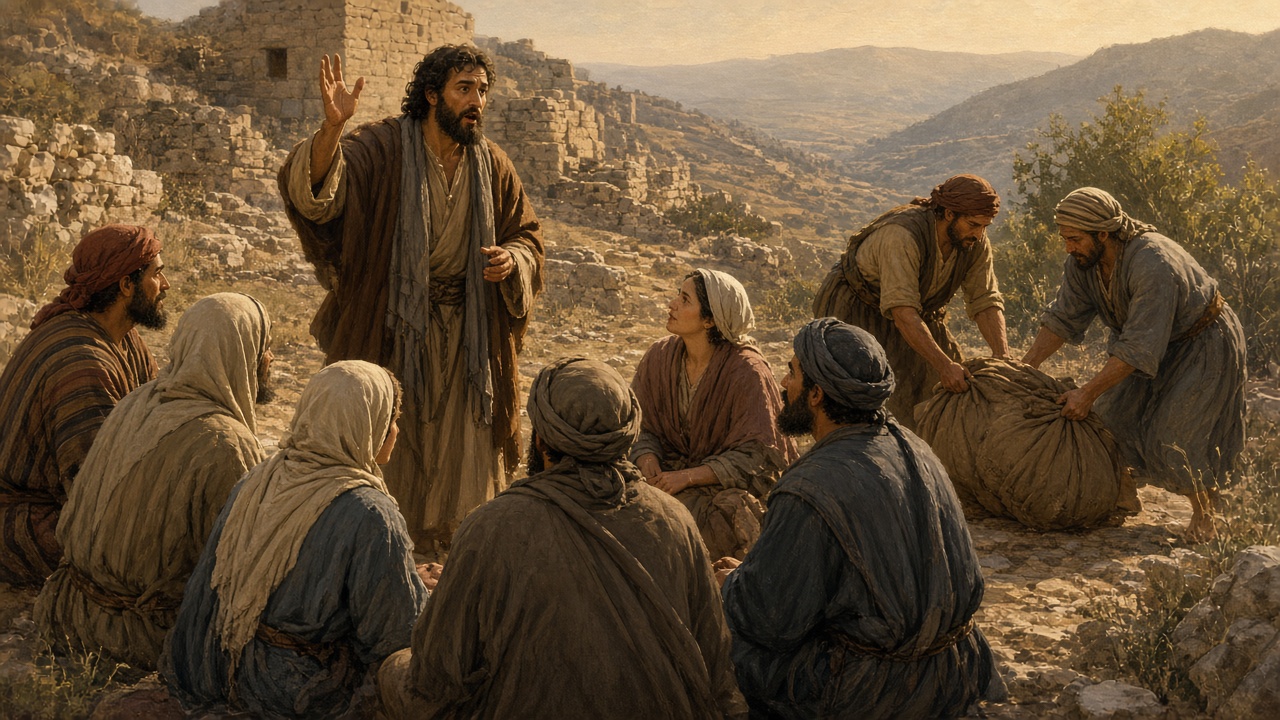
- The speaker identifies himself as Paul and warns that if those he addresses let themselves be circumcised, Christ will be of no value to them, and that every man who gets himself circumcised is obligated to obey the whole law. A biographical account says that Paul's circumcision-name was Saul, and that the name Paul was probably given to him in infancy for use in the Gentile world, while Saul would be his Hebrew home-name.Sources: the Bible text itself · Paul
- Freedom is set against a yoke of slavery: the chapter says Christ has set them free and tells them to stand firm and not be burdened again by that yoke. They were called to freedom, not as an opportunity for the flesh, but to serve one another in love, and the entire law is fulfilled in the single decree to love one's neighbor as oneself.Sources: the Bible text itself
- Walking by the Spirit is contrasted with gratifying the desires of the flesh, which are opposed to each other. If people are led by the Spirit, they are not under the law; the chapter lists the acts of the flesh and the fruit of the Spirit, and says that against such things there is no law.Sources: the Bible text itself
Notes written with AI assistance from open sources (Theographic Bible Metadata, CC BY-SA 4.0; Easton’s Bible Dictionary, public domain) and reviewed before publishing.
Credits and license for this translation
Manikáne O Ehwehne
God's New Talk: The New Testament in the Awa Language of Papua New Guinea
Nupela Testamen long tokples Awa long Niugini
copyright © 1974, 1997 Wycliffe Bible Translators, Inc.
℗ Faith Comes by Hearing
Language: Awa
Translation by: Wycliffe Bible Translators
This translation is made available to you under the terms of the
Creative Commons Attribution-Noncommercial-No Derivatives license 4.0.
You may share and redistribute this Bible translation or extracts from it in any format, provided that:
You include the above copyright and source information.
You do not sell this work for a profit.
You do not change any of the words or punctuation of the Scriptures.
Pictures included with Scriptures and other documents on this site are licensed just for use with those Scriptures and documents.
For other uses, please contact the respective copyright owners.
2013-12-11
Source: http://png.bible/awb/ · eBible.org