Luke 9
Ebe-No-Pfuasẹ Ishobọ Onogbọ · Tap a verse to see its cross-references.
IJesu ọ ghie eniyẹ odukhokho ogbava fiẹ
1IJesu ọ lu eniyẹ odukhokho ogbava eyọli kugbe, ọ ri itoto ali afu na wẹ ni e rọ ke khu ẹgbọ iyẹmhẹ ni ẹa ti egbe lasele, ali ni e gbo ri ẹgbọ ni e mhuẹ ighuamhi ọdọda toto. 2Ọ ghie wẹ fiẹ e ke ya tse abọ ungmemhi oyi Eghiele oyi Ẹshinẹgba kiakia ali ni e gbo ke ri ẹgbọ ze. 3Ọ́ọ́ wẹ, “A khi tsua emhikhọghuo abi a liẹ le ena, a khi tsua ukpokpo wẹkhi akpaba wẹkhi eminale wẹkhi ikpaghọ wẹkhi iku itsua eva ni a sọ. 4Owa ni a da lo ne, a la aghọ ramhi ni a rọ ya te oni ẹoli vu. 5Ini ẹgbọ ẹa da mie ẹ ne, a kpishi itutu ni e la ẹ awẹ-a shi oni ekẹ ini a rọte oni ẹoli ẹ vu, ni o khi ọtsẹlẹ ni a ya pfi mu wẹ.” 6Ighọ eni eniyẹ odukhokho e vu, rọte ẹoli je ẹoli. E ri usomhi onete oyi Ẹshinẹgba tse abọ kiakia. E ri ẹgbọ ọ toto ashakpa.
Oghie Erọdu ọ́ọ́ khọkhọ ọni iJesu ọ khi
7Ighọ Erọdu ni ọ khi oghie shi ekẹ iGalili ọ suọ ikanya ọnyaloa ni iJesu ọọ gbe. Abọ e sha li itobọ khi ẹgbọ eghuo e liẹ khi iJọni Ọni ọọ batazi ẹgbọ lọ ni ọ rọte eghuli guale. 8Eghuo ẹ khi Elaja ọ khi ni ọ bhale, eghuo elese e liẹ khi ọghuo ọmekẹguele enediọ ọ khi ni ọ nyenẹ egbe bhale agbọ. 9Ama, Erọdu ọ́ọ́, “Mhẹmhẹ mhi khi iJọni ukhomhi ọ. Ọghuo ọnana ọ khi ni mhia suọ eko?” Ọọ dua abi ọ li ya mẹ ọli.
IJesu ọ ri eminale na ẹgbọ agbẹlẹ ishe (5,000) le
10Abi eni ighiusomhi na kẹẹ e rọ jele, e gueyẹ iJesu abi e li kia. Ighọ ọ rue wẹ vu je epfẹ ẹoli na lu iBẹtisaida, 11Ama eni ebubu ẹgbọ e suọ obini ọ je, e deba li. Ọ mie wẹ, ọ gue ungmemhi Eghiele oyi Ẹshinẹgba yẹ wẹ, ọ ri eni e mhuẹ ighuamhi toto.
12O te aghọ li dẹnẹ abi ogbọmhi o ke rọ mu ekẹ, eniyẹ odukhokho ogbava e bhale deba li, ẹẹ ọli. “Gueyẹ eni ẹgbọ e vu je ẹoli ni e ti mama ana ni e ya nono ashini e ya ku shi ali eminale ni e ya le, irari khi ifui ọdagbe ifufu awa la.”
13Ọ sọ wẹ ọ, ọ́ọ́ wẹ, “A ri eminale na wẹ le.”
Ẹ ọli, “Ibulẹdi eva ali ifẹlẹ aava e lẹsẹ la ana, sẹ ni awa vu ya dẹ eminale ghi wẹ.” 14Irari khi emọse agbẹlẹ asha ishe e la aghọ.
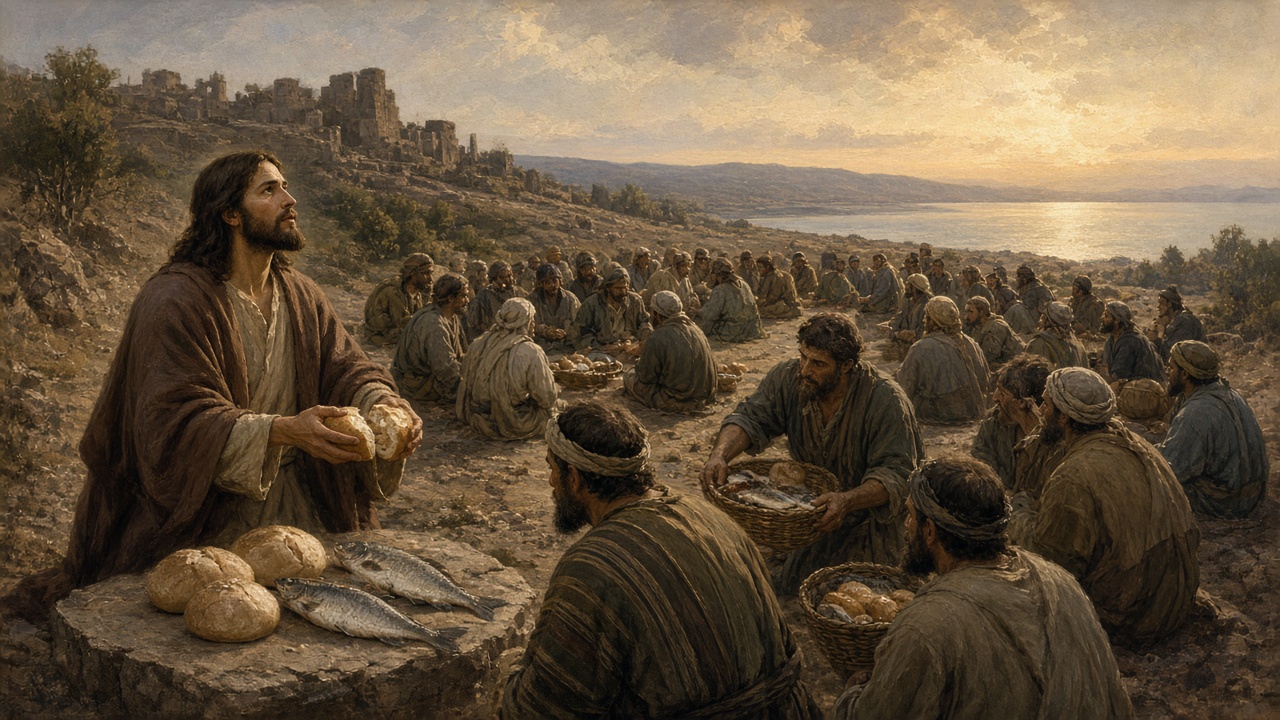
Ama ọ́ọ́ eni eniyẹ odukhokho, “A rẹ wẹ shitọ ikui-iku ẹgbọ egbhuẹva ali igbigbe.” 15Eni eniyẹ odukhokho e li ghọ, ọgbọkpa ọ shitọ. 16IJesu ọ rue eni ibulẹdi ishe ali ifẹlẹ aava eghọ, ọ bino idane, ọ kphẹmhi shi eni eminale, ọ kholo wẹ a. Ọ rue wẹ na eniyẹ odukhokho eyọli ni e kemhi wẹ na eni ẹgbọ. 17Ighọ wẹwẹ nya e le, e khue. Eni eniyẹ odukhokho e wolọ eni e le kpọle shi ighughu igbẹva.
IPita ọ guele ọni iJesu ọ khi
18Ẹlẹghuo khi iJesu ọ la ashini o da-ya ẹ sọ iromhi, eniyẹ odukhokho eyọli e nu ọli la aghọ, ọ mhila wẹ, “Ọghuo ẹgbọ e fẹ ẹ liẹ khi mhi khi?”
19Ẹ oli, “Ẹgbọ eghuo ẹ khi iJọni Ọni ọọ batazi ẹgbọ u khi, elese ẹ liẹ Elaja, elese ghọ ẹ khi ọmekẹguele ọnọdiọ u khi ni u nyenẹ egbe bhale agbọ.”
20Ọ rọ mhila wẹ “Ọghuo ẹẹ ẹ khi mhi khi?”
IPita ọọ li, “Yẹyẹ u khi Ọmiepfuese ọnayi Ẹshinẹgba.”
IJesu ọ gue ingme osoli, ali eghuli, ali iguale oyọli le
21IJesu ọ tse agua yẹ wẹ e khi gueyẹ ọgbọkhọghuo. 22Ighọ, Ọ́ọ́ wẹ, “Omi Ọgbọ ọ mema ya mẹ osue emhi ebubu. Eni egbhali ali ighie eyi ekpodalo-ugamhi ali esẹsẹ Ishi eyi iMosisi, e kie ọli. E mema ya gbe ọli-a, ama ẹlẹnuzi-esẹ, ọ ya guale.”
23Ighọ ọ gueyẹ wẹ nya, “Ini ọgbọkhọghuo ọ́ nono ni lọli khi ọmọ odukhokho ọyẹmhẹ, ọ mema ya kie egbọli, ọ rue apfida oyọli ogbẹlẹ kpa, ọ́ọ́ deba mhẹ. 24Itobọ khi ọni ọ da nono ni lọli tsumhi agbọ oyọli ne, ọ ya wasẹ ọli-a, ama ọni ọ da wasẹ agbọ oyi ọli-a ne shi itobọ oyẹmhẹ, ọ ya tsumhi ọli. 25Ighe eleli ni ọgbọ ọ ya mẹ ini ọ mhuẹ agbọ ona nya ni ọ rọ wasẹ ayẹmhẹ oyọli-a? 26Ini ọgbọ ọ da na omama mhẹ ali ungmemhi oyẹmhẹ ne, Mhẹmhẹ Omi Ọgbọ mhi li ya na omama oyi oni ọgbọ, ini mhi bhale elemhi ufumhi oyẹmhẹ, ali ufumhi oyi Ita ali oyi igẹni ni e pfuasẹ 27Mhi gue ọli ẹ yẹ ẹ abi o li, khi, ẹgbọ eghuo e la ana ni ẹa ya ghu ne, neni e rọ ya mẹ oni Eghiele oyi Ẹshinẹgba.”
IJesu ọ mu imamachi
28Abi ogbẹlẹ nuzi eleli o rọ gba abi iJesu ọ te ngme eni ingme, ọ rue iPita ali iJọni ali iJemhisi nga ute ya lema. 29Abi ọ li sọ iromhi eghọ, alo eyọli e mu nyenẹ, itsua ni ọ sọ e gẹ nyanyanya abi ákpá. 30Ighọ Emọse aava, iMosisi ali Elaja, 31e li lasele e gẹ nyanyanya, e nu iJesu u ngme, e ghẹta eghuli ni iJesu ọ ya ghu obini iJerusalẹmu. 32Olesẹ o mema rẹ IPita ali apfọli. Abi e rọ guale ni olesẹ o rọ kala wẹ alo-a, e mẹ ufumhi oyi iJesu ali emọse aava ni e nu ọli migha. 33Abi eni emọse aava e li vu, iPita ọ́ọ́ iJesu, “Ọga, oo ga guẹ ti khi anye la akana. Zẹ ni anye tọnọ okholo esẹ, oghuo oyẹ, oghuo oyi iMosisi, onokpọle oyi Elaja.” Eri ọ li ngme tsẹ, ọa lẹsẹ emini ọ ngme.
34Ọ kie lighọ ngme, otughunu o bhale ya khukhu wẹ-a. Ulishi o mu wẹ abi e rọ lo elemhi oni otughunu. 35Ighọ uruli o rọte oni otughunu ngme, ọọ, “Omimhẹ na ni mhi zẹ, a ri esọ shi emini ọ ngme.” 36Abi oni uruli o rọ ngme se, e mẹ khi iJesu luẹghuo ọ ke migha. Eni eniyẹ odukhokho e ri ingme ona shi udu, ẹa gueyẹ ọgbọkhọghuo emini e mẹ ẹghẹghẹ aghọ.
IJesu ọ ri ọzẹo ni ughuamhi ọ́ mu ze
37Ogbeakọlọ abi e rọte ukhomhi ute tiemhile, ebubu ẹgbọ e bhale deba li. 38Ighọ ọmọse ọghuo ọ rọte elemhi eni ebubu ẹgbọ tsẹsẹ leghe, ọ li “Ọsẹsẹ, kpẹkpẹ bino omimhẹ, lọli ọ khi ọmọ ọghuo kpe ni mhi mẹ bia. 39Ayẹmhẹ obe ó tsua mu ọli, eri ọọ mu ọli pfi ekẹ, ọọ kpi awẹ-a, o rọli ẹ chi ofulu unu. Ọa ga nono ni lọli rue ọli obọ-a kpa. Eri ọọ nono ni lọli pfuse ọli ayẹmhẹ-a. 40Mhi she lema eniyẹ odukhokho eyẹ e khu ọli oni ayẹmhẹ egbe-a, ẹa dobẹ.”
41IJesu ọọ wẹ, “Ẹẹ ẹgbọ ni aa mhuẹ irudunga wẹkhi ilẹsẹ. Ẹlẹ ingme mhi dobẹ ya ri egbe mie umhalẹsẹ oyẹ ẹ ramhi? Ẹlẹ ingme mhi ke nu ẹ ya la akana?” Ọọ ọni ọmọse, “Rue omiẹ bhale ana ghi mhẹ.”
42Abi ọni ọmọ ọ li bhale, oni ayẹmhẹ ọkphaghiẹ o mu ọli pfi ekẹ jighise, ọọ chi ofulu unu. Ighọ iJesu ọ dese oni ayẹmhẹ ọkphaghiẹ, ọ ri ọni ọmọ ze. Ọ rue ọli na itali. 43Abọ e sha eni ẹgbọ nya shi ekpabọ oyi Ẹshinẹgba ni e funẹ.
IJesu ọ gbo gue ingme eghuli oyọli le shi ekẹ
Abọ e kie lighọ sha eni ẹgbọ shi emini iJesu ọ riẹlẹ, iJesu ọ́ọ́ eniyẹ odukhokho eyọli, 44“A ri esọ shi ekẹ shi ingme ni mhi ya gueyẹ ẹ ena. A ya ri Omi Ọgbọ na ẹgbọ dẹ.” 45Eri-tsẹ khi eni eniyẹ odukhokho ẹa lẹsẹ abi oni ungmemhi o ngme. Irari khi eri a rọli sheli wẹ ini e khi lẹsẹ emini a rọli ngme. Ama ulishi oo mu wẹ shi abi e liẹ mhila li.
Ọghuo ọ funẹ
46Ekhakọ o bhale iteva oyi eniyẹ odukhokho eyọli shi ọni ọ ya funẹ elemhi wẹ. 47IJesu ọ lẹsẹ emini ee sa udu oyẹwẹ, ọ rue ukuku ọmọ lasele migha wẹ iteva. 48Ọ́ọ́ wẹ, “Ọnini ọ da ri eva oyẹmhẹ mie ọmọ ọna ne, mhẹmhẹ ọ mie. Ọnini ọ da mie mhẹ ne, ọni ọ ghie mhẹ ọ mie. Irari khi ọnini ọ da ri egbọli tiemhie-ekẹ nẹ elemhi ẹ, lọli ọ khi ọni ọ funẹ nya.”
Ọni ọa da khi ọbe awa ne ọyi awa ọ khi
49IJọni ọ́ọ́, “Ọga, anye mẹ ọmọse ni ọ ri eva oyẹ ẹ khu ayẹmhẹ ọkphaghiẹ lase, anye nono ni anye gueyẹ ọli ọ khi ke lighọ irari khi ọa ya debẹ abi anye liẹ debẹ.” 50IJesu ọọ wẹ, “A khi ke lighọ, irari khi ọgbọ ni ọa da khi ọbe awa ne, ọnayi awa ọ khi.”
Ẹgbọ iSameria ẹa lama mie iJesu
51Abi ẹghẹghẹ o rọ ramhi ni a rọ ya rue iJesu je iloghie, ọ mhọli ọli shi udu khi lọli ya je iJerusalẹmu. 52Ọ ghie ighiusomhi ralo, ni e lo elemhi ẹoli nikeke na elemhi iSameria ni e ya mu egbe emhikpa shi ekẹ khẹ ọli. 53Ama eni ẹgbọ iSameria ẹa lama mie ọli irari khi e lẹsẹ khi iJerusalẹmu ọọ je. 54Abi eniyẹ odukhokho eyọli ikhi iJemhisi ali iJọni e rọ mẹ ghọ, ẹ ọli, “Ọnọmhuẹ, waa ke zẹ ni anye lu erali rọte idane tiemhie rọ tosẹ wẹ a nya?”
55IJesu ọ nyenẹ alo ukhokho, ọ dese wẹ, ọọ wẹ, aa lẹsẹ ayẹmhẹ ni a mhuẹ. Ọa khi eri omi ọgbọ ọ bhale ya yese ẹgbọ agbọ-a, ama eri ọ bhale ya tsumhi wẹ. 56Ighọ iJesu ali eniyẹ odukhokho eyọli e vu je ẹoli olese.
Emini ideba-iJesu-kia o ya mie ọgbọ ọ rue
57Abi e li lẹẹ eghọ, ọmọse ọghuo ọ́ọ́ iJesu, “Ọga mhi ya ke debẹ je obiobini wa je kpa.”
58IJesu ọ́ọ́ li, “Inyakọ e mhuẹ esẹ, ipfeli e mhuẹ eko, ama Omi Ọgbọ ọa mhuẹ ashini ọ dọ ukhomhi ẹ gbe.” 59IJesu ọ gueyẹ ọmọse ọlese, “Deba mhẹ.” Ọni ọgbọ ọ́ọ́ li, “Ọga, kpẹ zẹ ni mhi ya ri itamhẹ tọ.”
60IJesu ọ́ọ́ li, “Zobẹ ni eni e ghu-a e ri eni e ghu-a tọ. Yẹyẹ fiẹ ke ya gue ungmemhi Eghiele oyi Ẹshinẹgba le.” 61Ọlese ọ́ọ́ li, “Ọga mhi ya debẹ, kpẹ zẹ ni mhi ya tsẹ apfẹmhẹ, okhila.”
62IJesu ọọ li, “Ọgbọ ni ọ da ri obọ nga ẹgba ni ọọ she ẹ gua ẹsẹ, ni ọ da bino ukhokho ne, ọa tẹ ni ọ lo Eghiele oyi Ẹshinẹgba.”
Did you know?
Mission, identity, and the road to Jerusalem
- Herod the tetrarch, perplexed by reports about Jesus, is Herod Antipas, Herod's son by Malthace. He said he had beheaded John, while some claimed that John had risen from the dead, others that Elijah the Tishbite, the "Elias" of the New Testament, had appeared, and still others that a prophet of old had arisen. One chronology of these events dates John's beheading to AD 29.Sources: Herod Antipas · Elijah · John Beheaded · the Bible text itself
- After the apostles returned, Jesus withdrew with them to a town called Bethsaida, where he welcomed the crowds, spoke about the kingdom of God, and fed about five thousand men with five loaves and two fish. Easton's Bible Dictionary (1897) places this Bethsaida on the east side of the lake, two miles up the Jordan, in the region of Gaulonitis; Philip the tetrarch enlarged it and called it Julias, after the emperor's daughter. Some have supposed there was only one Bethsaida, built on both sides of the lake near where the Jordan enters it; the entry identifies the ruins as et-Tel.Sources: Bethsaida · the Bible text itself
- Peter, originally called Simon, answered that Jesus is "the Christ of God." About eight days later Jesus took Peter, James, and John up a mountain to pray; Moses and Elijah appeared in glory and spoke about the departure Jesus was about to accomplish at Jerusalem. James, elder brother of John and a fisherman in partnership with Peter, was with them; he and John were called Boanerges, "sons of thunder," probably because of their boldness and energy, and later they asked whether they should call down fire from heaven on a village of the Samaritans that would not welcome Jesus because he was heading for Jerusalem.Sources: Simon Peter · James (Son of Zebedee) · the Bible text itself
Notes written with AI assistance from open sources (Theographic Bible Metadata, CC BY-SA 4.0; Easton’s Bible Dictionary, public domain) and reviewed before publishing.
Places in this chapter
Only places identified with high confidence are shown (90% or more according to the scholarly sources compiled by OpenBible). Period map: DARE (Digital Atlas of the Roman Empire), CC BY 4.0; modern map: © OpenStreetMap contributors; places: OpenBible.info (CC BY 4.0).
Credits and license for this translation
Ebe-No-Pfuasẹ Ishobọ Onogbọ
New Testament in Ivbie North-Okpela-Arhe (NI:atg:Ivbie North-Okpela-Arhe)
copyright © 2012 Wycliffe Bible Translators, Inc.
Language: Ivbie North-Okpela-Arhe
Translation by: Wycliffe Bible Translators, Inc.
Copyright Information
© 2012, Wycliffe Bible Translators, Inc. All rights reserved.
This translation text is made available to you under the
terms of the Creative Commons License: Attribution-Noncommercial-No Derivative Works.
( http://creativecommons.org/licenses/by-nc-nd/3.0/ )
In addition, you have permission to port the text to different file formats, as long as you
do not change any of the text or punctuation of the Bible.
You may share, copy, distribute, transmit, and extract portions
or quotations from this work, provided that you include the above copyright
information:
You must give Attribution to the work.
You do not sell this work for a profit.
You do not make any derivative works that change any of the actual words or punctuation of the Scriptures.
Permissions beyond the scope of this license may be
available if you contact
us with your request.
Printed book ISBN 9789789194797
The New Testament
in Ivbie North-Okpela-Arhe
© 2012, Wycliffe Bible Translators, Inc. All rights reserved.
This translation is made available to you under the terms of the
Creative Commons Attribution-Noncommercial-No Derivatives license 4.0.
You may share and redistribute this Bible translation or extracts from it in any format, provided that:
You include the above copyright and source information.
You do not sell this work for a profit.
You do not change any of the words or punctuation of the Scriptures.
Pictures included with Scriptures and other documents on this site are licensed just for use with those Scriptures and documents.
For other uses, please contact the respective copyright owners.
2019-08-09
Source: http://ebible.org/atgNT/ · eBible.org