Acts 16
Ebe-No-Pfuasẹ Ishobọ Onogbọ · Tap a verse to see its cross-references.
ITimoti ọ deba iPọlu ali iSalasi
1IPọlu ọ bhale ẹoli iDẹbi ali iLisitira, ashini ọmọ odukhokho ni a lu iTimoti ọ la. Inyọli ni ọ li miesuọ ọ khi ọngi iJu, ama itali ọ khi ọngi iGiriki. 2Igbaa oyi eni e mie iJesu iKirisiti suọ ni e la iLisitira ali iKoniọmu nya e ngme onete oyi iTimoti. 3IPọlu ọọ nono ni lọli ri iTimoti ma egbe vu, ighọ ọ shẹlẹ ọli-a. Itobọ khi ẹgbọ iJu ni e la oobọ e ga lẹsẹ khi ita iTimoti khi ọngi iGiriki lọ. 4Abi e li kia ẹoli i gasẹ, e sẹsẹ eni e miesuọ ilamashi ni ighiusomhi na kẹẹ ali eni egbhali ni e la iJerusalẹmu e kẹkẹ shi ebe na wẹ, e gueyẹ wẹ, e rẹwẹ gbe akanya. 5Ighọ igbaa nya eyi eni e mie iKirisiti suọ, e fu u shi irudunga, ee bua shi ọ ẹlẹkpa.
IMekẹ ni iPọlu ọ mẹ obini iTiroasi
6IPọlu ali eni e ga kia, e rọte ekẹ iFirigia ali iGalesha, itobọ khi Ayẹmhẹ-nọ-pfuasẹ ọa zẹ wẹ gue usomhi onete le ekẹ Esha. 7Abi e rọ ramhi ekẹ iMisia, ee nono ni wẹwẹ e lo elemhi ekẹ iBitinia, ama Ayẹmhẹ oyi iJesu ọa zẹ wẹ lo. 8Ighọ e rọte ekẹ iMisia dọsẹ je iTiroasi. 9Ẹliyọsẹ ẹlẹghọ iPọlu ọ mẹ imẹ-alo, ọ mẹ khi ọngi iMasidonia ọ migha a lema, “Bhale iMasidonia ni u ya kpaghiẹ anye obọ!” 10Abi iPọlu ọ rọ mẹ oni imekẹ se, anye mu egbe e lẹ iMasidonia, itobọ khi anye lẹsẹ khi Ẹshinẹgba ọ she lu anye, anye je aghọ ya gue usomhi onete le.
ILidia ọ mu pfi
11Anye rọte iTiroasi lo ọkọ-okẹ oniẹmhi da okẹ oniẹmhi je iSamotirasi, ogbeakọlọ, anye te aghọ je iNiapolisi.
12Aghọ anye te je ifuapfẹ oyi iFilipi ni o khi ẹoli ni o mu ẹloe shi ekẹ iMasidonia ni ebubu ẹgbọ iRomu e ngeli. Anye ga la aghọ ebubu ogbẹlẹ.
13Ogbẹlẹ iyẹmhẹa oyi ẹgbọ iJu, anye te oni ẹoli vu je oni okẹ, ashini anye khọkhọ khi ẹgbọ iJu ee lona shi iromhi isọsọ. Anye shitọ nu ikpotso ni e legba aghọ ngme. 14Ọkpotso ọghuo elemhi wẹ ni ọ ri esọ shi ekẹ khi iLidia ọngi iTiatira, ọni ọ ri ide eyilẹ ẹ dẹ. Ọ khi ọkpotso ni ọọ na ulishi Ẹshinẹgba. Abi iPọlu ọ li i ngme, Ẹshinẹgba ọ khueghie ọli udu-a shi oni ungmemhi. 15Abi a rọ batazi ọli ali apfọli se, ọ lu anye je owa oyọli, ọọ anye, “A kha lẹsẹ khi egbegbi ọni ọ miesuọ mhi khi, a bhale ya ku shi na mhẹ.” Ọ ti anye shi ọ ramhi ni anye rọ lama shi ọli ọ.
A mu iPọlu ali iSalasi shi igha
16Ẹlẹghuo abi anye li i je ashini anye la a sọ iromhi, ọmueshi oghumha ọghuo ni ọ mhọli ayẹmhẹ obe ni ọ rọ ọ mekẹ guele emini a ya mẹ, ọ ya to anye ukhomhi. Eri ọ ri oni ekpabọ imẹguele ona a gbe ikpaghọ na eni e mhọli ọli. 17Ọọ deba iPọlu ali anye, ọọ tsẹsẹ, ọọ liẹ, “Eni ẹ ga Ẹshinẹgba ni ọ funẹ eni ẹgbọ ena e khi! Eri ẹ tse abọ guele abi a li ya mhọli imiepfuese!” 18Ina ọ li i riẹlẹ ọli ogbẹlẹ kpa ya ramhi ni oni ingme o rọ ri elemhi i bi iPọlu, ighọ iPọlu ọ nyenẹ egbe gueyẹ oni ayẹmhẹ, ọọ li, “Mhi ri eva oyi iJesu mhẹsẹ nẹ, fiẹ ọli idiegbe ya lase!” Aghọaghọ oni ayẹmhẹ o fiẹ ọli idiegbe ya lase. 19Abi eni e mhọli ọli e rọ mẹ khi ẹa ke mẹ ikpaghọ afa ni e kpẹ te ẹ ọli obọ ọ mẹ, e mu iPọlu ali iSalasi tialọ ghi enighie obini agbala oyẹwẹ. 20E wolọ wẹ bhale odalo oyi esọ-ẹzọ, ẹẹ wẹ, “Emọse ena, ẹgbọ iJu e khi ni e pfi ozughu ẹ shi awa ifuapfẹ. 21E kia a sẹsẹ ẹgbọ imu ni e khi ọda shi eyi awa. Awa ni awa khi iRomu, awa aa ya dobẹ ri osẹsẹ oyẹwẹ gbe akanya.” 22Eni ebubu ẹgbọ e kuma wẹ ọ gue ẹzọ shi iPọlu ali iSalasi egbe. Ighọ eni esọ-ẹzọ e gueyẹ wẹ e banọ wẹ a, e gbe wẹ itali. 23Abi e rọ gbe wẹ egbegbọ se, e tigbe pfi wẹ lo owa ighumha. E gueyẹ ọni ọọ khẹ-ekhẹ ọ pfi okpẹ ashini ọ rẹwẹ shi egbegbọ. 24Abi a rọ ri oni omhẹsẹ na li se, ọ mu wẹ kulo owa aza elemhi oni owa ighumha, ọ sọ wẹ awẹ igha. 25Abi itsotso ogbiẹ o rọ mu ekẹ, iPọlu ali iSalasi ee sọ iromhi, ee to uwolo kuẹghiẹ Ẹshinẹgba. Ighumha eni e kpọle e ri esọ shi wẹ ekẹ. 26Udemhija, ekẹ o ri itoto nighise. Oni owa ighumha o rọte ekẹ jighise egbegbọ. Eloawẹ eloawẹ, odẹ nya ni e lo oni owa le e khueghie-a. Iwẹghẹ ni e rọ gẹ eni ighumha nya e ku wẹ awẹ-a. 27Abi ọni ọọ khẹ ekhẹ aghọ ọ rọ mẹ khi odẹ ni e la oni owa ighumha nya khi e khueghie-a, ọ dabi khi ighumha ni e la aghọ nya e she pfue. Ighọ ọ ji itakobi emhi lasele ni luẹ rọ gbe egbeluẹ-a. 28Ama iPọlu ọ tsẹsẹ leghe, ọọ li, “Khi gbe egbe ẹ-a! Anye nya anye la ana.”
29Ọni ọọ khẹ ekhẹ ọghọ ọ lu ọgbọ ọ nyanya rue ugbili bhale. Ọ ri ulishi-ulishi na buẹ buẹ, ọ de ya wugha odalo oyi iPọlu ali iSalasi. 30Ighọ ọ rue wẹ lasele, ọ mhila wẹ, “Elọ mhi ya li ni mhi rọ ya mhọli imiepfuese?”
31Ẹẹ ọli, “Yẹyẹ ali apfẹ nya a mie iJesu Ọnọmhuẹ suọ khi a ya mhọli imiepfuese.” 32Ighọ e gue ungmemhi oyi Ọnọmhuẹ ye ọli ali apfẹ ọli. 33Ighọ ọni ọmọse ọ wolọ wẹ, ọ dua wẹ utse ni a kuali wẹ. IPọlu ali iSalasi e rue ọli ali apfọli ya batazi na aghọaghọ. 34Ighọ ọ rue iPọlu ali iSalasi nga owa oyọli ya ri eminale na le. Oghẹlẹ o vọ ọli ali apfọli nya udu irari khi e she mie Ẹshinẹgba suọ.
35Ẹlẹ uzogbe ogbeakọlọ, eni esọ-ẹzọ e ri unu na ipolisi e ka gueyẹ ọni ọọ khẹ-ekhẹ ọghọ, “Zobẹ emọse eghọ obọ ni e vu.” 36Ighọ ọni ọọ khẹ ekhẹ ọghọ ọọ iPọlu, “Esọ-ẹzọ e she ri unu bhale a wolọ ẹ abọ-a ni a ke vu. Opfọmhẹ o ka nu ẹ kia.” 37Ama iPọlu ọọ li, “Anye a li ingme okhọghuo ni a rọ mu anye gbe itali ukpẹloe oyi ẹgbọ nya, aboriẹkhia khi ẹgbọ iRomu anye khi! Ama e mu anye kulo owa ighumha. Memena, ẹẹ nono ni wẹwẹ e bẹna rue anye abọ-a, ọa ya tsẹ e! Eni esọ-ẹzọ wẹwẹ-ghuo e bhale ya wolọ anye lasele.”
38Eni ipolisi e lẹ ya gueyẹ eni enighie abi e ngme. Abi e rọ suọ khi ẹgbọ iRomu iPọlu ali iSalasi e khi, ulishi o mu wẹ. 39Ighọ e vu ya kuegbe-a lema wẹ, e wolọ wẹ owa ighumha le, e lema wẹ e kpẹkpẹ e lase ẹwẹ ifuapfẹ le. 40Ighọ iPọlu ali iSalasi e lase oni owa ighumha le, e ya je apfẹ oyi iLidia. E bhale ya ẹ eni e miesuọ aghọ. E ri udu shi wẹ ọ, e rọte aghọ vu.
Did you know?
From Lystra to Philippi
- At Lystra, Paul met Timothy, a disciple of whom the brothers in Lystra and Iconium spoke well, the son of a believing Jewish woman and a Greek father. Wanting him as a companion, Paul had him circumcised on account of the Jews there, who knew that his father was Greek. Easton's Bible Dictionary (1897) says Timothy probably lived in Lystra and seems to have been converted during Paul's earlier visit.Sources: the Bible text itself · Timotheus
- After being kept from speaking in the province of Asia, Paul and his companions traveled through Phrygia and Galatia. At the border of Mysia they were not permitted to enter Bithynia, so they went down to Troas, Mysia's chief port on the northwest coast of Asia Minor, a city named for ancient Troy about four miles to the north. There a night vision of a man of Macedonia pleading for help led them to sail to that Roman province north of Greece.Sources: the Bible text itself · Mysia · Troas · Macedonia
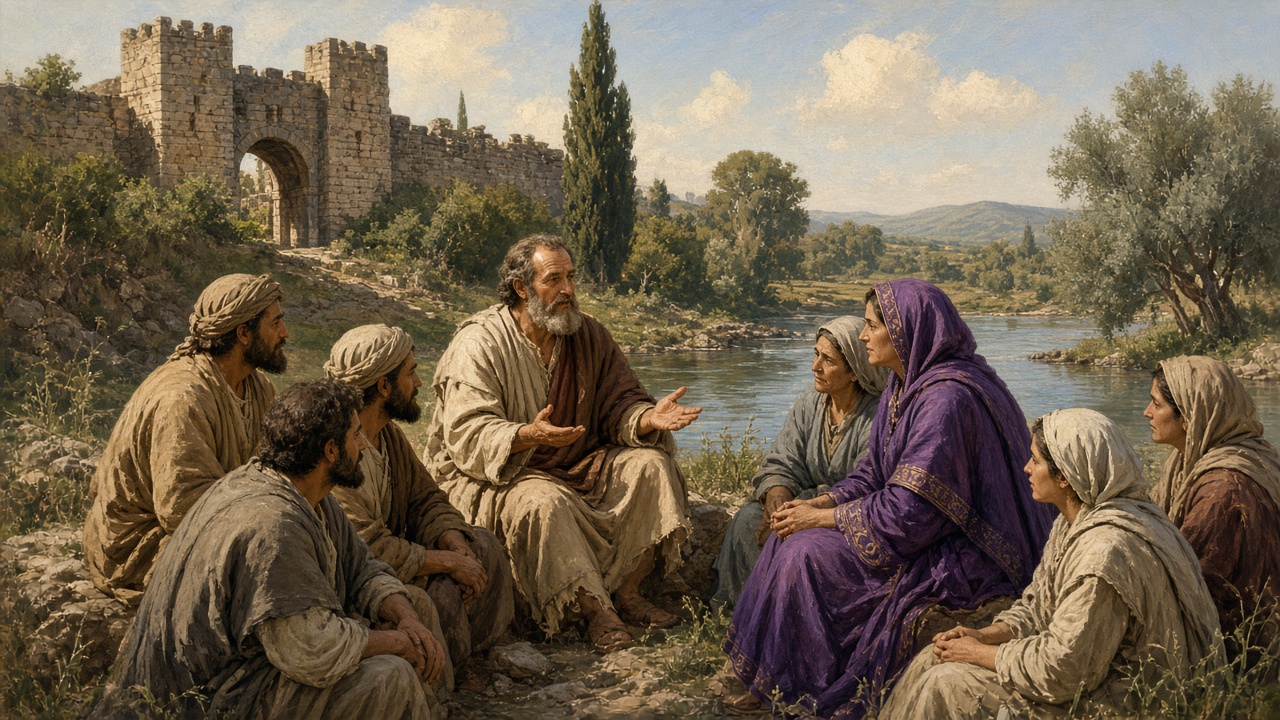
- In the Roman colony of Philippi, Paul and his companions found a customary place of prayer by the river outside the city gate, where women had gathered. Among them was Lydia, a dealer in purple cloth from Thyatira and a worshiper of God; after she and her household were baptized, she persuaded the travelers to stay at her house. Easton's Bible Dictionary (1897) describes her as a proselyte of considerable wealth and as the first person in Europe to embrace Christianity.Sources: the Bible text itself · Lydia
Notes written with AI assistance from open sources (Theographic Bible Metadata, CC BY-SA 4.0; Easton’s Bible Dictionary, public domain) and reviewed before publishing.
Places in this chapter
- Lystra · Today: Tel Lystra · 37.602, 32.338 · verses 1, 2
- Iconium · Today: Konya · 37.872, 32.492 · verse 2
- Jerusalem · 31.777, 35.234 · verse 4
- Asia · 38.400, 28.300 · verse 6
- Galatia · 39.267, 32.983 · verse 6
- Phrygia · 39.000, 31.000 · verse 6
- Bithynia · 40.500, 31.000 · verse 7
- Mysia · 40.000, 28.500 · verses 7, 8
- Troas · Today: Alexandria Troas · 39.752, 26.159 · verses 8, 11
- Greece · 37.972, 23.727 · verse 9
- Macedonia · 41.600, 22.540 · verses 9, 10, 12
- Neapolis · Today: Kavala · 40.935, 24.415 · verse 11
- Samothrace · Today: Samothraki · 40.450, 25.583 · verse 11
- Philippi · 41.012, 24.285 · verse 12
- Thyatira · Today: Akhisar · 38.920, 27.837 · verse 14
Only places identified with high confidence are shown (90% or more according to the scholarly sources compiled by OpenBible). Period map: DARE (Digital Atlas of the Roman Empire), CC BY 4.0; modern map: © OpenStreetMap contributors; places: OpenBible.info (CC BY 4.0).
Credits and license for this translation
Ebe-No-Pfuasẹ Ishobọ Onogbọ
New Testament in Ivbie North-Okpela-Arhe (NI:atg:Ivbie North-Okpela-Arhe)
copyright © 2012 Wycliffe Bible Translators, Inc.
Language: Ivbie North-Okpela-Arhe
Translation by: Wycliffe Bible Translators, Inc.
Copyright Information
© 2012, Wycliffe Bible Translators, Inc. All rights reserved.
This translation text is made available to you under the
terms of the Creative Commons License: Attribution-Noncommercial-No Derivative Works.
( http://creativecommons.org/licenses/by-nc-nd/3.0/ )
In addition, you have permission to port the text to different file formats, as long as you
do not change any of the text or punctuation of the Bible.
You may share, copy, distribute, transmit, and extract portions
or quotations from this work, provided that you include the above copyright
information:
You must give Attribution to the work.
You do not sell this work for a profit.
You do not make any derivative works that change any of the actual words or punctuation of the Scriptures.
Permissions beyond the scope of this license may be
available if you contact
us with your request.
Printed book ISBN 9789789194797
The New Testament
in Ivbie North-Okpela-Arhe
© 2012, Wycliffe Bible Translators, Inc. All rights reserved.
This translation is made available to you under the terms of the
Creative Commons Attribution-Noncommercial-No Derivatives license 4.0.
You may share and redistribute this Bible translation or extracts from it in any format, provided that:
You include the above copyright and source information.
You do not sell this work for a profit.
You do not change any of the words or punctuation of the Scriptures.
Pictures included with Scriptures and other documents on this site are licensed just for use with those Scriptures and documents.
For other uses, please contact the respective copyright owners.
2019-08-09
Source: http://ebible.org/atgNT/ · eBible.org