Acts 15
Ebe-No-Pfuasẹ Ishobọ Onogbọ · Tap a verse to see its cross-references.
Ilegba ni a mhọli shi iJerusalẹmu
1Ẹgbọ eghuo e rọte ekẹ iJudia bhale Atiọki, ee sẹsẹ eni e miesuọ khi, Ini aa li shẹlẹ wẹ-a abi Ushi oyi iMosisi o ngme ẹa ya khi eni a miepfuese. 2Onana o pfi ingme ni o zẹ khi iPọlu ali iBanabasi e nu eni ẹgbọ ni e rọte iJudia bhale e khakọ. Irarighọ, a zẹ iPọlu ali iBanabasi ali eni e miesuọ elese e nga iJerusalẹmu ya mẹ ighiusomhi na kẹẹ ali eni egbhali shi oni ingme.
3Ighọ e ghie wẹ e ke lẹ, abi e li rọte ekẹ iFonisha ali iSameria dọsẹ ẹ lẹ, ee gueyẹ ẹgbọ abi ẹgbọ iJẹta e li mu pfi deba Ẹshinẹgba. Onana o pfi oghẹlẹ oniẹmhi na eni e miesuọ. 4Abi e rọ ramhi iJerusalẹmu, eni e miesuọ ali eni egbhali ali ighiusomhi na kẹẹ, e mu wẹ epfẹse. Eni a ghie usomhi e gueyẹ wẹ ikanya ọdọda ni Ẹshinẹgba ọ rọte obọ oyẹwẹ gbe. 5Ama eni e miesuọ eghuo ni e la otu iFarisi e vule, ẹẹ li, “Ẹgbọ iJẹta e mema shẹlẹ-a. A gueyẹ wẹ e ri Ushi oyi iMosisi ke gbe akanya.”
6Ighiusomhi na kẹ ali eni egbhali e ye ochi shi oni ingme ona. 7Abi e rọ khakọ shi ọ tẹsẹ se, iPita ọ vule, ọọ wẹ, “Inyọghuo, a lẹsẹ khi ẹghẹghẹ ni o dọsẹ, Ẹshinẹgba ọ rọte iteva oyẹ ẹ zẹ mhẹ mhi ka gue oni usomhi onete yẹ ẹgbọ iJẹta ni e mẹ asha suọ, ni e miesuọ. 8Ẹshinẹgba ni ọ lẹsẹ isamhi ni e la ọgbọkpa udu, ọ ri Ayẹmhẹ-nọ-pfuasẹ na ẹgbọ iJẹta, rọ rọli khasẹ khi lọli li mie wẹ, ẹzẹzẹ abi ọ li li mie awa. 9Ọa ri ikhiọda shi iteva oyawa ali wẹwẹ, irari khi ọ khuẹsẹ udu oyẹwẹ-a pfuasẹ itobọ khi e imiesuọ. 10Memena, elọ o zẹ khi a nono ni a mhẹsẹ Ẹshinẹgba bino, ni a rọ ọ sheli iJẹta ni e miesuọ itsua ni awa ali eni e bia awa ẹa dobẹ tsua? 11Iiye e! Awa lama shi ọ khi okhale oyi iJesu iKirisiti Ọnọmhuẹ o mie awa pfuese, ighọ li khi wẹwẹ.”
12Oni igbaa e tsaghiẹ-a tsukẹ, abi e rọ suọ ọlẹlẹ eyi ọnyaloa ali ọshabọ nya ni Ẹshinẹgba ọ rọte obọ oyi iPọlu ali iBanabasi gbe iteva oyi ẹgbọ iJẹta. 13Abi e rọ ngme se, iJemhisi ọọ, “Inyọghuo, a ri esọ shi mhẹ ekẹ! 14ISamọ iPita ọ lẹsẹ guele abi Ẹshinẹgba ọ li mhọli ọmuegbe shi ingme oyi ẹgbọ iJẹta, ni ọ rọte elemhi wẹ sanọ ẹgbọ, rọ mele ẹgbọ eyọli-a. 15Onana o ri emini emekẹguele e kẹkẹ shi Ebe-no-pfuasẹ bhale ya tsẹ, ni ọọ,
16“ ‘Ini a mẹ enana se,
mhi ya nyenẹ egbe bhale,
mhi rue eghiele oyi iDefidi
gbo nyenẹ egbe bhale,
mhi riẹlẹ ikpukpu-igbe
ni e de kua oyọli ma,
mhi gbo zese ọli-a.
17Isheghọ ẹgbọ ni e kpọle nya
e nyenẹ egbe bhale deba Ọnọmhuẹ,
ẹgbọ iJẹta nya ni mhi lu,
e bhale ya khi eyẹmhẹ,
Ọnọmhuẹ ọ ngme ghọ,
ni ọ riẹlẹ emhi ena.’
18Lọli ọ she kpẹ zẹ
ni a lẹsẹ ona shi ekẹ agbọagbọ.
19“Abi mhi sọ ọ shi khi, awa khi pfi ẹgbọ iJẹta ni e nyenẹ egbe bhale deba Ẹshinẹgba lo ọmunu. 20Awa ri ochoghọ kẹkẹ ebe ya gueyẹ wẹ, e khi ke le eminale ni a rọ luasẹ ikhumhi. Awa gbo gueyẹ wẹ e khi ke ku itsẹbọ, e khi ke le ẹlamhi ni aa fa uruli, e khi ke da ọlia. 21Irari khi o she tẹsẹ ni a te la owa ugamhi ẹ zẹ ebe Ushi oyi iMosisi ẹlẹ Iyẹmhẹa kpa, a ri ingme oyọli ẹ tse abọ ifui ẹoli kpa.”
22Ighọ ighiusomhi na kẹẹ ali eni egbhali ali eni e miesuọ nya e te eni ẹgbọ zẹ emọse aava ni a mu ekpẹ ẹ na ma iPọlu ali iBanabasi egbe, je Atiọki. IJudasi iBasabasi ali iSalasi e zẹ. 23Ebe ni e kẹkẹ rọ ghie wẹ usomhi na:
Anye ighiusomhi na kẹẹ ali eni egbhali ni anye khi inyọghuo ẹ, anye tsẹ ẹẹ Inyọghuo anye ni a khi ẹgbọ iJẹta ni a la Atiọki ali iSiria ali iSilisha.
24Anye suọ khi ẹgbọ eghuo e rọte anye iteva vu ni o khia khi ọa khi anye ghie wẹ, ni e bhale ya nu ẹ ngme ingmemhi ni oo yese ẹ elemhi-a ali ni oo nasẹ ẹ udu. 25Irarighọ, anye rọ kugbe ghie emọse eghuo ghi ẹ, e deba iBanabasi ali iPọlu emọle anye bhale. 26Emọse ena e she ri agbọ oyẹwẹ shi okhẹna itobọ eva oyi iJesu iKirisiti Ọnọmhuẹ. 27Irarighọ, anye rọ ghie iJudasi ali iSalasi ni e ri unu gue emini anye kẹkẹ shi ebe yẹ ẹ. 28O ti Ayẹmhẹ-nọ-pfuasẹ ali anye ẹloe, ini anye khi ri itsua elese nasẹ ẹ tsua dọsẹ ishi enana. 29A ti egbe eminale ni a rọ luasẹ ikhumhi le, a khi ke da ọlia, a khi le ẹlamhi ni aa fa uruli. A khi ku itsẹbọ. O ma a ti ẹ egbe ini a lase emhi enana le.
Ẹshinẹgba ọ nu ẹ la.
30Eni emọse ni a ghie usomhi e vu ya tiemhi Atiọki. E ti eni e miesuọ nya gbili, e ri oni ebe na wẹ. 31Abi eni ẹgbọ e rọ zẹ oni ebe se, oghẹlẹ o vọ wẹ elemhi itobọ khi usomhi onete ni o ri udu ẹ shi ọgbọ ọ o tsua. 32IJudasi ali iSalasi ni e khi emekẹguele e nu wẹ ngme ebubu ingmemhi ri udu shi wẹ ọ, e zese wẹ-a. 33E nu wẹ la aghọ ukuku ẹghẹghẹ, eni e miesuọ e tsẹ wẹ okhila. Wẹwẹ ni a ghie usomhi e nyenẹ egbe je iJerusalẹmu deba eni e ghie wẹ. 34[Ama iSalasi ọ lama nu wẹ la aghọ.] 35IPọlu ali iBanabasi e la Atiọki, wẹwẹ ali ẹgbọ elese e la aghọ ọ sẹsẹ, ee tse abọ ungmemhi oyi Ọnọmhuẹ.
IPọlu ali iBanabasi e vasẹ egbe-a
36Abi ebubu ogbẹlẹ e rọ dọsẹ, iPọlu ọ gueyẹ iBanabasi, ọọ li, “Awa nyenẹ egbe je ẹoli ni awa te dọsẹ ni awa ya bino ẹgbọ ni awa gue ungmemhi oyi Ọnọmhuẹ yẹ, ni awa mẹ abi e ke laọ shi.” 37O ghọle iBanabasi ni e tsua iJọni ni a gbolo ẹ lu iMaki ma egbe vu. 38Ama ọa ghọle iPọlu ni e tsua li. Itobọ khi ọni iJọni ni a gbolo ẹ lu iMaki ọa nu wẹ gbe ikanya ramhi ukpẹsẹ ni ọ rọ tsua wẹ kua ekẹ iPafilia vu, ọ sọ ukhokho gbe wẹ. 39IPọlu ali iBanabasi e mhọli ekhakọ ni o toto shi ingme ona, e kemhi egbe. IBanabasi ọ rue iJọni iMaki ma egbe, e lo ọkọ-okẹ oniẹmhi da je iSapurọsi. 40Ama iPọlu ọ pfi obọ rue iSalasi, e vu abi eni e miesuọ e rọ sọ iromhi na wẹ, rẹ wẹ nga okhale irẹloe-khu oyi Ọnọmhuẹ se. 41E kia rọte ekẹ iSiria ali iSilisha, e ri udu u shi igbaa nya eyi eni e mie iKirisiti suọ ọ. Okiali onuzi-eva oyi iPọlu |src="ATG Paul2-BW.ai" size="span" loc="ACT 15.36--18.22" ref="15.36--18.22"
Did you know?
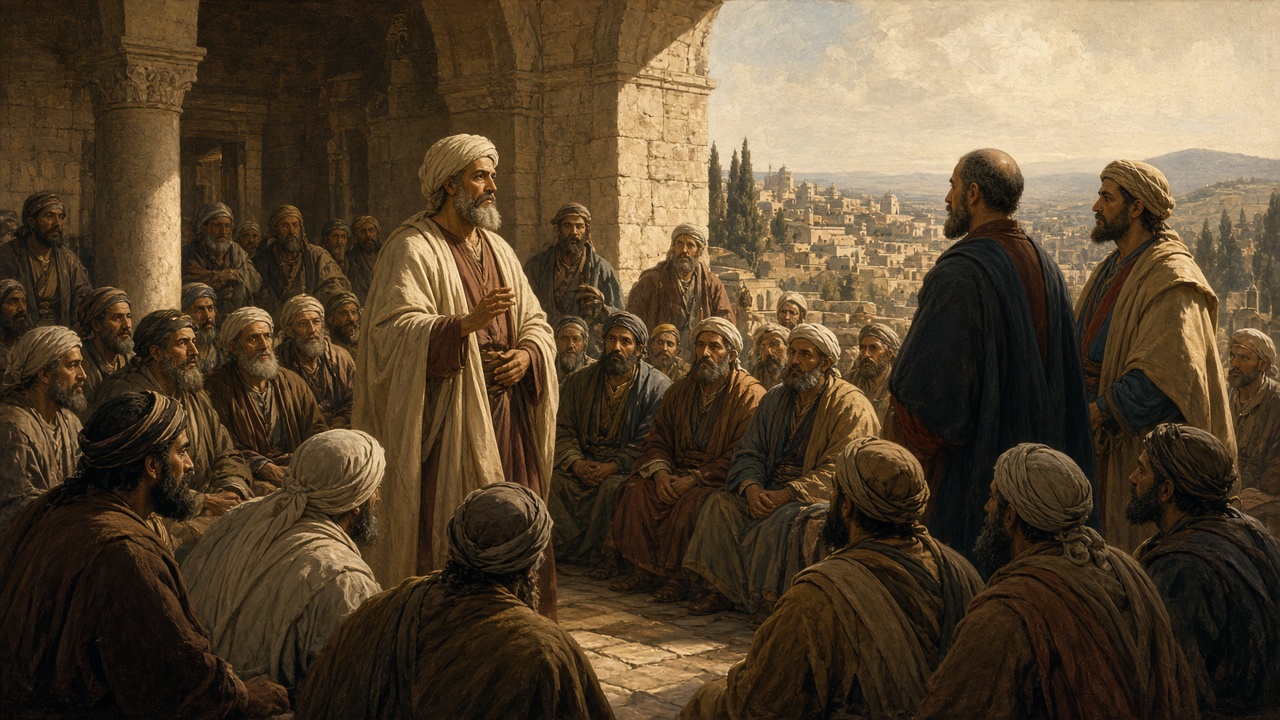
The Council on Gentile Believers
- The dispute began in Antioch, on the Orontes about three hundred miles north of Jerusalem, then ranked third among the cities of the Roman empire, after Rome and Alexandria. On the way to the council, Paul and Barnabas passed through Phoenicia, a coastal strip about one hundred twenty miles long, and through Samaria. A chronological note dates the Jerusalem Council to AD 46.Sources: Antioch (Syria) · Phenicia · the Bible text itself · Jerusalem Council
- Easton's Bible Dictionary (1897) says that James, whom it calls the brother or near kinsman of Jesus, headed the church in Jerusalem and presided at the council on the Gentiles. The letter that followed was addressed to Gentile believers in Antioch, Syria, and Cilicia. Cilicia, Paul's home province and a maritime Roman province in the southeast of Asia Minor since 67 BC, included his native city of Tarsus.Sources: James (Brother of Jesus) · the Bible text itself · Cilicia · Paul
- Judas, called Barsabbas, and Silas, also known as Silvanus, were prophets and leading men of the Jerusalem church, sent to confirm the council's decision in person. A later sharp disagreement over John Mark, cousin of Barnabas, separated the two missionaries: Barnabas took Mark and sailed for Cyprus, while Paul chose Silas. A chronological note dates that parting to AD 47.Sources: the Bible text itself · Silas · John Mark · Paul and Barnabas part ways
Notes written with AI assistance from open sources (Theographic Bible Metadata, CC BY-SA 4.0; Easton’s Bible Dictionary, public domain) and reviewed before publishing.
Places in this chapter
- Antioch · Today: Antioch on the Orontes · 36.227, 36.172 · verses 1, 22, 23, 30, 35
- Judea · Today: Judea 1 · 31.777, 35.234 · verse 1
- Jerusalem · 31.777, 35.234 · verses 2, 3, 4, 22, 23, 33
- Phoenicia · 33.271, 35.196 · verse 3
- Samaria · Today: Samaria 2 · 32.276, 35.195 · verse 3
- Cilicia · 36.913, 34.892 · verses 23, 41
- Syria · Today: Syria 2 · 33.511, 36.306 · verses 23, 41
- Pamphylia · 37.000, 31.000 · verse 38
- Cyprus · 35.000, 33.000 · verse 39
Only places identified with high confidence are shown (90% or more according to the scholarly sources compiled by OpenBible). Period map: DARE (Digital Atlas of the Roman Empire), CC BY 4.0; modern map: © OpenStreetMap contributors; places: OpenBible.info (CC BY 4.0).
Credits and license for this translation
Ebe-No-Pfuasẹ Ishobọ Onogbọ
New Testament in Ivbie North-Okpela-Arhe (NI:atg:Ivbie North-Okpela-Arhe)
copyright © 2012 Wycliffe Bible Translators, Inc.
Language: Ivbie North-Okpela-Arhe
Translation by: Wycliffe Bible Translators, Inc.
Copyright Information
© 2012, Wycliffe Bible Translators, Inc. All rights reserved.
This translation text is made available to you under the
terms of the Creative Commons License: Attribution-Noncommercial-No Derivative Works.
( http://creativecommons.org/licenses/by-nc-nd/3.0/ )
In addition, you have permission to port the text to different file formats, as long as you
do not change any of the text or punctuation of the Bible.
You may share, copy, distribute, transmit, and extract portions
or quotations from this work, provided that you include the above copyright
information:
You must give Attribution to the work.
You do not sell this work for a profit.
You do not make any derivative works that change any of the actual words or punctuation of the Scriptures.
Permissions beyond the scope of this license may be
available if you contact
us with your request.
Printed book ISBN 9789789194797
The New Testament
in Ivbie North-Okpela-Arhe
© 2012, Wycliffe Bible Translators, Inc. All rights reserved.
This translation is made available to you under the terms of the
Creative Commons Attribution-Noncommercial-No Derivatives license 4.0.
You may share and redistribute this Bible translation or extracts from it in any format, provided that:
You include the above copyright and source information.
You do not sell this work for a profit.
You do not change any of the words or punctuation of the Scriptures.
Pictures included with Scriptures and other documents on this site are licensed just for use with those Scriptures and documents.
For other uses, please contact the respective copyright owners.
2019-08-09
Source: http://ebible.org/atgNT/ · eBible.org