Exodus 15
Cishingini Agwara Kambari [asg] · Tap a verse to see its cross-references.
Vishipa vu Musa
1Ɗa Musa n aza a Isaraila a yaꞋin vishipa vu nampa va a kubana a̱ ubuta̱ u Vuzavaguɗu, mi ta̱ a kuyaꞋan vishipa vu kucikpa Vuzavaguɗu, adama a na a̱yi ɗa u ciya̱i ulyaꞋi u gbayin. U vakangi kodoku n kakumbi ka̱ ni dem a mala. 2Vuzavaguɗu ɗa katsura ka̱ va̱ a̱yi ɗa kpamu vishipa vu va̱, a̱yi ɗa wishi u va̱. A̱yi ɗa Ka̱shile ka̱ va̱, mi ta̱ a kucikpa yi, Ka̱shile ke esheku a̱ va̱, n kucikpa yi ta̱. 3Vuzavaguɗu kovonshi kaꞋa, kula ku ni ku ɗa feu Vuzavaguɗu. 4Ekeke o odoku a FiriꞋauna n osoji a̱ ni, u vakangi le a mala. Aza a̱ gba̱ra̱-gba̱ra̱ a uzagbi a FiriꞋauna u niꞋwa̱nta̱ngi le a Mala ma Shili. 5Ɗa mini mu uga̱vi ma palai le, ɗa a liɓai sai ɗaka tsu katali. 6Kukiye ku singai ku nu Vuzavaguɗu ki ta̱ n tsugbayin n utsura, n kukiye ku singai ku nu ku ɗaɗa vu la̱nga̱sa̱i irala. 7N tsugbayin tsu utsura tsu nu tsu ɗa vu poloi aza a na i a tsurala n avu. Ɗa vu tsunki le wupa u nu, vu songi le n akina a̱ nu tsu mita̱ me ɗekpu. 8N utsura wa ayinviki a na a̱ uta̱i a̱ vunu vu nu, ɗa mala mo ɓolongi a̱ ubuta̱ u te. Mini ma̱ a̱bunda̱i mo bonoi ma yaꞋin mashilya, mala ma̱ kutsa̱i an katali e mere ma mala ma. 9<<Vurala vi le vu danai,
<N kusaɓa le ta̱, n kulyaꞋa le ta̱,
n ku pecuku ta̱ ucanuku wa,
n kuɗika ta̱ ili i na mi a kuciga,
n kutala ta̱ kotokobi ka̱ va̱
ka̱ta̱ ekiye a̱ va̱ a una le.>
10Ama ɗa vu uvula̱i n ayinviki a̱ nu,
ɗa mala ma palai le,
ɗa a liɓai tsu ka̱ta̱mba̱
punu a̱ mini ma gbayin.
11<<Yayi a̱ ka̱tsuma̱ ka̱ a̱ma̱li wi uteku tsu nu Vuzavaguɗu?
Yayi wi uteku tsu nu a̱ ka̱tsuma̱ ka tsugbayin n ciɗa, n utsura n tsugbayin a kuyaꞋan ili i mereve?
12Vu ba̱ra̱kpa̱i kukiye ku usingai ku nu
ɗa iɗika i soɗongi le.
13<<N ucigi u gbayin u nu u ɗa vu ci yaꞋan kaguɓa
ka uma a̱ nu a na vi isai.
A̱ ka̱tsuma̱ ku utsura u nu u ɗa va kuguɓa le
a kubana ubuta̱ wi ida̱shi u ciɗa u nu.
14Iɗika kakau yi ta̱ a kupana ka̱ta̱ i dagaza,
una̱mgbi u ka̱tsuma̱ u ka̱na̱ ta̱ aza a Filisitiya.
15Ngono n Edom mi ta̱ a kudagaza,
aza a̱ gba̱ra̱-gba̱ra̱ a Mowabu i ta̱ a̱ kulima̱ adama atakaci,
aza KanaꞋana i ta̱ a̱ kuniꞋwa̱n,
16wovon n udagaji wi ta̱ a kuka̱na̱ le.
Ama adama a utsura u kukiye ku nu,
i ta̱ a kushamgba n utsura an katali,
ali sai ayin a na uma a̱ nu a lazai, Vuzavaguɗu,
ali sai ayin a na uma a na vu uta̱ka̱i a lazai.
17Vi ta̱ a̱ kuɗika le ka̱ta̱ vu shikpa̱ le,
a kusan ku nu,
ubuta̱ u na avu Vuzavaguɗu vu lapulukai ka̱ci ka̱ nu,
A̱ A̱Ꞌisa̱ a na avu Vuzavaguɗu, vu lapulukai ka̱ci ka̱ nu.
18Vuzavaguɗu wi ta̱ a kulyaꞋa tsugono,
ali ayin babu uteku.>>
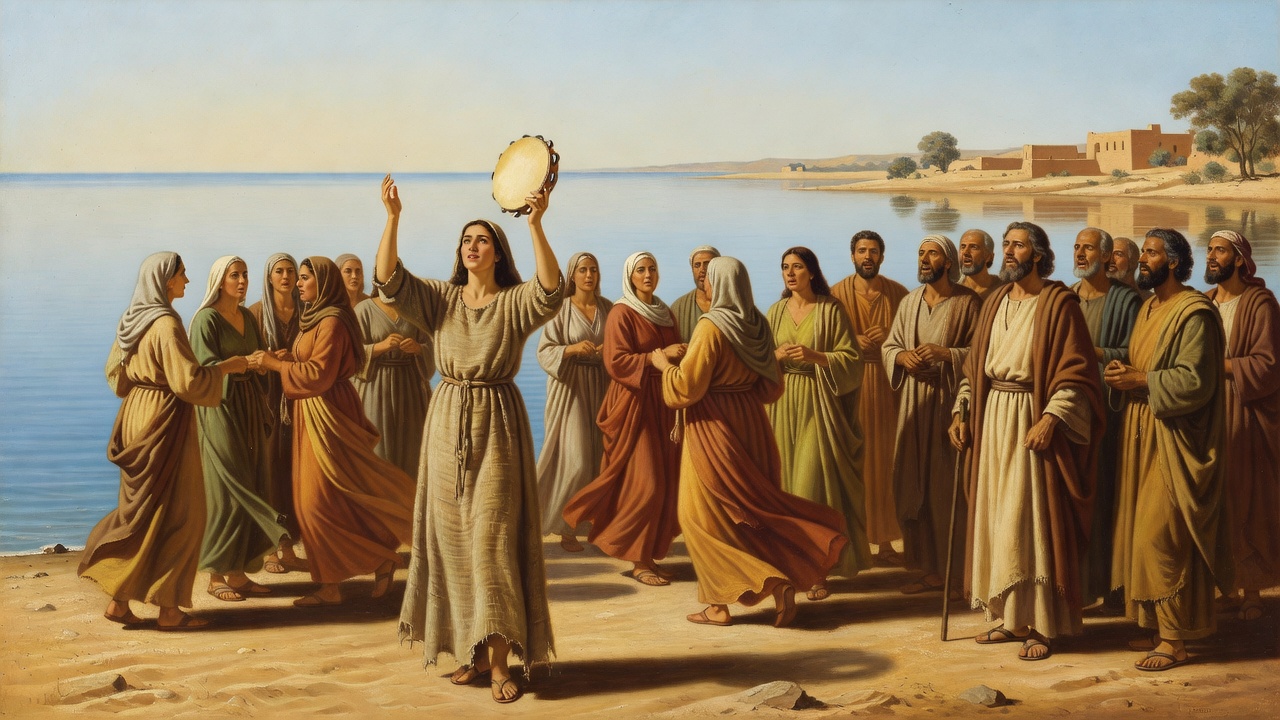
19Ana odoku a FiriꞋauna n ekeke o odoku n akumbi e le a uwai a mala ma, ɗa Vuzavaguɗu u bonokoi m mini ma, u palai le m maꞋa, ama aza a Isaraila a walai a iɗika i ɗekpu punu e mere ma mala ma. 20Ɗa taku vu Haruna Miriyamu keneki, u ɗikai ma̱ka̱nlu e ekiye a̱ ni ɗa ta na a̱ma̱ci n a̱bunda̱i o tonoi ni, a̱ ka̱na̱i tsuwaꞋi n e jeꞋi. 21Ɗa Miriyamu u yaꞋin vishipa vu nampa, <<Ci yaꞋankai Vuzavaguɗu vishipa, adama a na a̱yi ɗa u ciya̱i ulyaꞋi u gbayin. A̱yi ɗa u niꞋwa̱nta̱ngi odoku n akumbi e le dem a mala.>>
Mini mo okono mo okpoi mu uyoꞋo
22Ɗaɗa Musa u tonoi n aza a Isaraila, ana a̱ ka̱sukpa̱i Mala ma Shili, ɗa u zuwai le a wala e meremune ma na e ci ɗeke Shuru. A yaꞋan ta̱ ayin a tatsu, ele a kuwala e meremune ma nanlo ama e ene mini ba. 23Ana a yawai a Mara a fuɗa o soꞋo mini ma ba, adama a na mini ma mi ta̱ n okono. (I ɗaɗa i zuwai ɗa e ɗekei ubuta̱ wa Mara.) 24Ɗa uma a yaꞋankai Musa mololo, a danai, <<Yiɗa̱i tsa ɗamgba tso soꞋo?>>
25Ɗa Musa u shiꞋika̱i Vuzavaguɗu, ɗa Vuzavaguɗu u yotsongi ni kacaka ka maɗanga. Ɗa u ɗikai u vakangi kaꞋa punu a̱ mini ma, ɗa mini ma mo bonoi uyoꞋo. A̱ ubuta̱ wa ɗe ɗa Vuzavaguɗu u nekei le kupiꞋisa n wila̱, ɗa kpamu u kondoi le. 26Ɗa u danai, <<I pana baci ka̱la̱ka̱tsu ka Vuzavaguɗu Ka̱shile ka̱ ɗa̱ mayin, ɗa i yaꞋin ili i na i gaꞋin ni kpamu, ɗa i tonoi ili i na u danai derere. Ɗa kpamu i tonoi wila̱ u ni ra̱ka̱, mpa mi a̱ kutuka̱ ɗa̱ n ila̱nishi tsu na n suꞋuki aza a Masar ba, adama a na mpa ɗa Vuzavaguɗu vu na u tsu potsotongu ɗa̱.>>
27Ɗaɗa uma a a yawai e Elim, a̱ ubuta̱ u na wi n a̱shi a̱ mini kupa n e re ni nshuwa amangatatsunkupa. Ɗa a vaki lo ɗevu n ubuta̱ u mini wa.
Did you know?
The Song at the Red Sea
- Miriam, sister of Moses and Aaron, is called a prophetess in this chapter. She took the lead in the song of triumph after Israel passed through the Red Sea, and the women followed her with tambourines and dancing.Sources: Miriam · the Bible text itself
- From the Red Sea, Moses led Israel into the Desert of Shur, a wilderness on Egypt’s northeastern border extending toward Philistia. The name, meaning a wall, was probably taken from Egyptian fortifications, running from Pelusium to Heliopolis, built to defend that frontier from desert tribes. For three days they walked without finding water, and at Marah the water was bitter, which is why the place was so named.Sources: Shur · the Bible text itself
- The song says that anguish will grip Philistia, the land of the Philistines; that the chiefs of Edom, a rugged mountain land on the east side of the Arabah, from the head of the Gulf of Akabah to the foot of the Dead Sea, will be dismayed; and that trembling will seize the leaders of Moab, east of the Jordan and the Dead Sea and south of the Arnon. It also says that those who dwell in Canaan will melt away.Sources: the Bible text itself · Philistia · Edom · Moab
Notes written with AI assistance from open sources (Theographic Bible Metadata, CC BY-SA 4.0; Easton’s Bible Dictionary, public domain) and reviewed before publishing.
Places in this chapter
- Philistia · 31.664, 34.546 · verse 14
- Canaan · 32.767, 35.333 · verse 15
- Edom · 30.746, 35.604 · verse 15
- Moab · Today: Moab 1 · 31.181, 35.701 · verse 15
- Egypt · 30.129, 31.308 · verse 26
Only places identified with high confidence are shown (90% or more according to the scholarly sources compiled by OpenBible). Period map: DARE (Digital Atlas of the Roman Empire), CC BY 4.0; modern map: © OpenStreetMap contributors; places: OpenBible.info (CC BY 4.0).
Credits and license for this translation
Cishingini Agwara Kambari [asg]
Cishingini: Cishingini Agwara Kambari [asg] (Bible)
copyright © 2025 Language Development and Translation Initiative (LDTI)
Language: (Cishingini)
Contributor: The Seed Company
This translation is made available to you under the terms of the
Creative Commons Attribution Share-Alike license 4.0.
You have permission to share and redistribute this Bible translation in any format and to make reasonable revisions and adaptations of this translation, provided that:
You include the above copyright and source information.
If you make any changes to the text, you must indicate that you did so in a way that makes it clear that the original licensor is not necessarily endorsing your changes.
If you redistribute this text, you must distribute your contributions under the same license as the original.
Pictures included with Scriptures and other documents on this site are licensed just for use with those Scriptures and documents.
For other uses, please contact the respective copyright owners.
Note that in addition to the rules above, revising and adapting God's Word involves a great responsibility to be true to God's Word. See Revelation 22:18-19.
2025-07-09
Source: http://ebible.org/asg/ · eBible.org