Deuteronomy 19
Cishingini Agwara Kambari [asg] · Tap a verse to see its cross-references.
Likuci i kusheɗeku
1<<Ayin a na baci Vuzavaguɗu Ka̱shile ka̱ ɗa̱ wu unai uma a iɗika i na wi a kuciga we neke ɗa̱, e megeshe ma na baci kpamu i lokoi le, ɗa i da̱sa̱ngi a̱ likuci i le n iꞋuwa i le, 2ka̱ta̱ i pecuku iɗika i na Vuzavaguɗu Ka̱shile ka̱ ɗa̱ u nekei ɗa̱ yo okpo ubuta̱ wu uka̱ni u ɗa̱ wa kutatsu, ka̱ta̱ i zagbaka ka̱ci ka̱ ɗa̱ likuci i tatsu punu e mere mi iɗika i na wi a kuciga kuneke ɗa̱ va. 3YaꞋin uye punu adama na ɗa baci vuza wu unai vuma n ucikali u ni ba, u suma u bana ɗe.
4<<Na ɗa wila̱ adama vuza na wu unai vuma babu ucikali, kpamu i a maꞋiwansanai ba, wi ta̱ a kufuɗa kusuma u bana ɗe adama a na wi isa wuma u ni. 5Agisana, vuza u bana baci a kakamba n ka̱ja̱Ꞌa̱ ka̱ ni kukapa nɗanga, ɗa u ɗa̱ngusa̱i kogovu an wa kapa maɗanga, ɗa kaꞋa ke shemgbei ali ka kapai toku ni ɗa u kuwa̱i. Vuza va wi ta̱ a kufuɗa wa suma u bana a̱ likuci i te i nanlo ya adama a na u laꞋaka n wuma u ni, 6ta lo toku vu vuza na a unai va wa saɓa yi n wupa ali u cina yi, adama na ubuta̱ wa wi ta̱ daꞋin, ka̱ta̱ wu una yi gbani ko an wo okpoi u yotso a una yi ba, adama a na i a tsurala ko vishili ba. 7Adama a nampa a ɗa n danai, i zagbaka ka̱ci ka̱ ɗa̱ likuci i tatsu. 8Kpamu ɗa baci Vuzavaguɗu Ka̱shile ka̱ ɗa̱ ko doki ɗa̱ ka̱bunda̱i ki iɗika, uteku tsu na u yaꞋankai ikaya i ɗa̱ uzuwakpani n akucina, ɗa u nekei ɗa̱ iɗika ra̱ka̱ i na u yaꞋankai le uzuwakpani. 9I tono baci wila̱ u na n nekei ɗa̱ mayin anana, i ciga Vuzavaguɗu Ka̱shile ka̱ ɗa̱ ayin tutu, i wala a uye u ni, yi ta̱ o kudoku ya zagba likuci i tatsu kpamu. 10I yaꞋan nannai adama a na ka̱ta̱ a una aza a na i babu unushi a̱ ka̱tsuma ki iɗika i na Vuzavaguɗu Ka̱shile ka̱ ɗa̱ ki e kuneke ɗa̱ yo okpo ubuta̱ wu uka̱ni u ɗa̱ ba, adama a na ka̱ta̱ mpasa n vuza vu babu unushi m bono a kaci ka̱ ɗa̱ ba.
11<<Ama ɗa baci vuza u iwain toku ni, ɗa u vaꞋwain ni ɗa wu unai ni, ɗa u sumai a kubana a̱ ka̱tsuma̱ ka̱ likuci i te i nampa, 12nkoshi m gba̱ra̱-gba̱ra̱ n likuci n ni mi ta̱ a̱ kusuku a bana a̱ ka̱na̱ vuza munuka va a̱ tuka̱, ka̱ta̱ e neke yi e ekiye a uma a vuza na wu unai va adama a na a una yi feu. 13Ka̱ta̱ i pana asuvayali a̱ ni ba, tsu nanlo tsu ɗa i kusa̱nka̱ munuka u vuza na wi babu unushi a̱ ka̱tsuma̱ ka aza a Isaraila, adama a na i ciya̱ ma̱ta̱na̱.>>
14<<Ka̱ta̱ vu takpa katali ku urotu u kureꞋe u tovu u na ikaya i ɗa̱ i shikpa̱i a̱ ubuta̱ wu uka̱ni u na Vuzavaguɗu Ka̱shile ka̱ ɗa̱ ke nekei ɗa̱ i ka̱na̱ ba.>>
Wila̱ adama a ngan
15<<Magan me te ma yawa tsu na a kudana vuza u yaꞋan ta̱ unushi ko ili i gbani-gbani ba, sai de a pana una̱ wu ngan n re ko n tatsu, kafu a̱ ushuku n kadanshi ka. 16Ɗa baci vuza vu kusheshe ku gbani-gbani wu uta̱i adama na u dansa kakuna ka aꞋuwa u vuza yoku, 17uma e re a na i a̱ vishili va i ta̱ a kubana u Vuzavaguɗu, e kelime ka anan ganu n a yaꞋin a fada a na i ulinga a makyan ma nanlo. 18A yaꞋin afada i ta̱ a̱ kula̱na̱ kadanshi ka mayin, ɗa baci a cinai kakuna ka aꞋuwa ɗa u yaꞋankai toku ni va, 19yaꞋankai ni uteku tsu na u sheshei kuyaꞋanka toku ni va. Nannai ɗa ya kutakpa ka gbani-gbani a̱ ka̱tsuma ka̱ ɗa̱. 20Ka̱ta̱ aza na a buwai a pana, ka̱ta̱ a pana wovon u na o kudoku kuyaꞋan ka gbani-gbani tsu nanlo a̱ ka̱tsuma̱ ka̱ ɗa̱. 21Ka̱ta̱ i pana asuvayali ba. Wi ta̱ o kokpo wuma n wuma, ka̱shi n ka̱shi, kanga n kanga, kukiye n kukiye, kune n kune.>>
Did you know?
Cities of Refuge, Boundaries, and Fair Justice
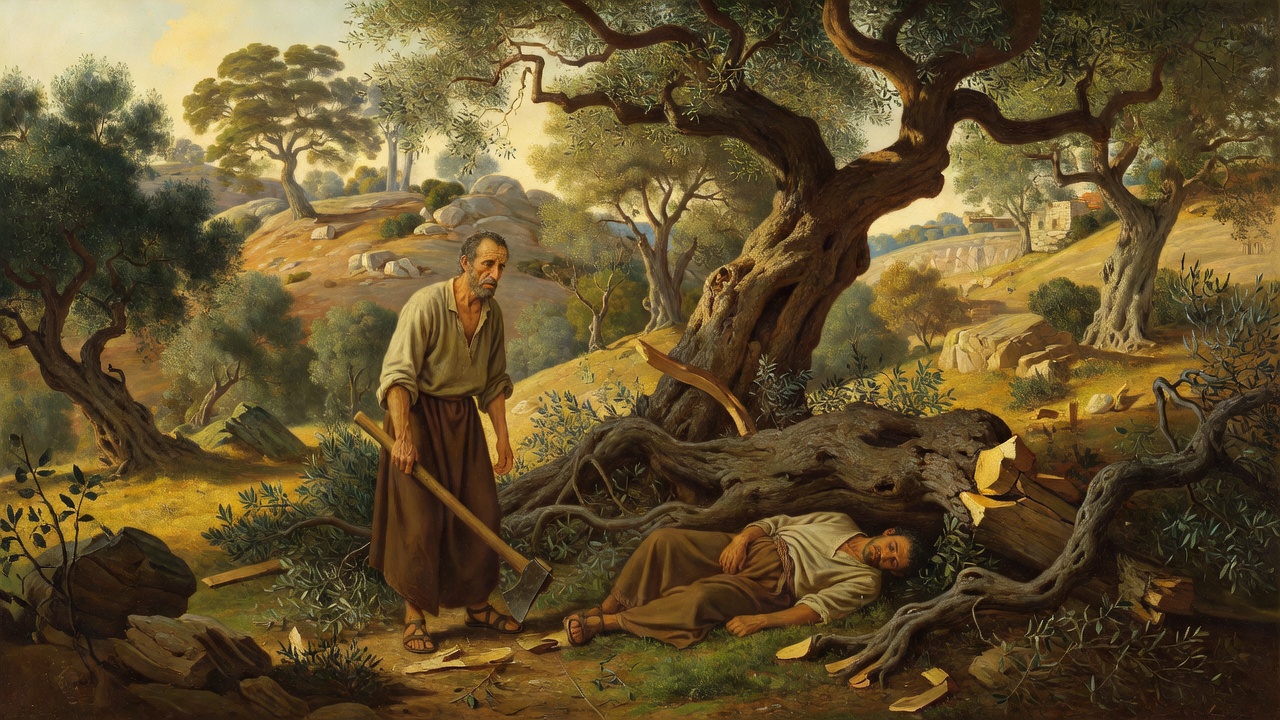
- The law commanded Israel to set aside three cities of refuge and build clear roads to them across three regions of the land. These designated cities allowed someone who accidentally killed a neighbor, such as by an axe head slipping off its handle, to safely escape an avenger of blood before being overtaken.Sources: the Bible text itself
- Moving an ancestral boundary stone or marker was strictly forbidden. These markers defined land inheritances assigned to families, and shifting them was considered an unjust seizure of a neighbor's property.Sources: the Bible text itself
- To prevent false convictions, a single witness was never sufficient to convict someone of a crime; at least two or three witnesses were required. If an investigation by priests and judges proved a witness had lied maliciously, the false accuser received the exact penalty intended for the accused.Sources: the Bible text itself
Notes written with AI assistance from open sources (Theographic Bible Metadata, CC BY-SA 4.0; Easton’s Bible Dictionary, public domain) and reviewed before publishing.
Credits and license for this translation
Cishingini Agwara Kambari [asg]
Cishingini: Cishingini Agwara Kambari [asg] (Bible)
copyright © 2025 Language Development and Translation Initiative (LDTI)
Language: (Cishingini)
Contributor: The Seed Company
This translation is made available to you under the terms of the
Creative Commons Attribution Share-Alike license 4.0.
You have permission to share and redistribute this Bible translation in any format and to make reasonable revisions and adaptations of this translation, provided that:
You include the above copyright and source information.
If you make any changes to the text, you must indicate that you did so in a way that makes it clear that the original licensor is not necessarily endorsing your changes.
If you redistribute this text, you must distribute your contributions under the same license as the original.
Pictures included with Scriptures and other documents on this site are licensed just for use with those Scriptures and documents.
For other uses, please contact the respective copyright owners.
Note that in addition to the rules above, revising and adapting God's Word involves a great responsibility to be true to God's Word. See Revelation 22:18-19.
2025-07-09
Source: http://ebible.org/asg/ · eBible.org