Deuteronomy 13
Cishingini Agwara Kambari [asg] · Tap a verse to see its cross-references.
A̱ sa̱nka̱ ta̱ kutono ka̱ a̱ma̱li
1Ɗa baci keneki ko vuza na u ce ene a̱ ubuta̱ wa alatani, wu uta̱i punu a̱ ka̱tsuma̱ ka̱ ɗa̱ ɗa u danai ɗa̱ ukuna wu urotu wi ili i mereve i na i kuta̱wa̱, 2ali ɗa baci ili i mereve i na u danai va i yaꞋin mayun, ɗa u danai <<Ta̱wa̱i tsu tono a̱ma̱li o yoku, ka̱ta̱ ci cikpa le.>> A̱ma̱li a na i yevei ba, 3ka̱ta̱ i pana kadanshi ke keneki ka ko vuza na u ce ene a̱ ubuta̱ wa alatani ba. Vuzavaguɗu Ka̱shile ka̱ ɗa̱ ka ciga ta̱ ko kondo ɗa̱ adama a na u yeve ko i ciga yi ta̱ n a̱ɗu a̱ ɗa̱ koɓolo n wuma u ɗa̱ ra̱ka̱. 4Vuzavaguɗu Ka̱shile ka̱ ɗa̱ kaꞋa ya kutono, a̱yi ɗa koci ya kucikpa. Tonoi wila̱ u ni, ka̱ta̱ i pana kadanshi ka̱ ni, a̱yi ɗa koci ya kukuɗa̱nku, ka̱ta̱ i gbaga yi. 5Ama a̱yi keneki ko vuza na u ce ene a̱ ubuta̱ wa alatani wa, mayun ɗa yu una yi, adama a na u yaꞋan ta̱ kuyotsongusu ku gbani-gbani a̱ ubuta̱ u Vuzavaguɗu Ka̱shile ka̱ ɗa̱, ka na ka̱ uta̱ka̱i ɗa̱ a iɗika i Masar, ɗa kpamu u shiba̱i ɗa̱ a kpaꞋa ku ugbashi. U ciga ta̱ u zuwa ɗa̱ i ka̱sukpa̱ uye u na Vuzavaguɗu Ka̱shile ka̱ ɗa̱ ka danai ɗa̱ i tono. Mayun ɗa yu uta̱ka̱ ukuna u gbani-gbani a̱ ka̱tsuma̱ ka̱ ɗa̱.
6<<Ɗa baci tovu, ko kolobo ka̱ nu ko mekere ma̱ nu, ko vuka vu na vi cigai, ko kpamu ka̱ja̱Ꞌa̱ ka̱ nu, ɗa baci u ta̱wa̱i wa̱ nu adama na u doro wu usokongi, ɗa u danai, <Ta̱wa̱ tsu tono a̱ma̱li o yoku,> a̱ma̱li a na a̱ɗa̱ n ikaya i ɗa̱ i yevei ba, 7a̱ma̱li a uma a na i uka̱ra̱Ꞌi n a̱ɗa̱, ko aza daꞋin ko aza e ɗevu, aza na i a uteku wi iɗika n tsu nampa a kubana uteku u nan ɗe, 8ka̱ta̱ yu ushuku ko i panaka yi ba. Ko i pana asuvayali a̱ ni ba. Ka̱ta̱ feu i ka̱sukpa̱ yi n wuma ko i sokongu yi ba. 9Mayun ɗa yu una yi, a̱ɗa̱ vu na yi aza a̱ ni, a̱ɗa̱ ɗa i kugita̱ kuvara yi, ka̱ta̱ aza na a buwai feu ra̱ka̱ a̱ ka̱na̱ kuvara yi ali u kuwa̱. 10Varai ni n atali ali u kuwa̱. Adama na u sheshe ta̱ u kpatala ɗa̱ ciya̱ i ka̱sukpa̱ kutono uye u Vuzavaguɗu Ka̱shile ka̱ ɗa̱, vuza na wu uta̱ka̱i ɗa̱ a iɗika i Masar, a̱ ubuta̱ u tsugbashi. 11Aza a Isaraila ra̱ka̱ i ta̱ a kupana ka̱ta̱ a pana wovon, babu vuza te kpamu a̱ ka̱tsuma̱ ka̱ ɗa̱ u kuyaꞋan ili i gbani-gbani tsu nanlo.
12<<A ayin a na baci i panai a̱ ka̱tsuma̱ ka̱ likuci i ɗa̱ i yoku i na Vuzavaguɗu Ka̱shile ka̱ ɗa̱ wi e kuneke ɗa̱ i da̱sa̱ngu punu, a danai, 13aza a gbani-gbani o yoku a̱ ka̱tsuma̱ ka̱ ɗa̱ uta̱ ta̱ ɗa a ukai aza a̱ likuci i le a kakamba, a danai, <Ka̱sukpa̱ tsu bana tsu tono a̱ma̱li o yoku,> a na a̱ɗa̱ i yevei ba, 14to sai i la̱na̱ mayin ka̱ta̱ i goɗumo kpamu i yaꞋan keci, mayun ɗa baci icuꞋu yi ili yu unata i nampa i gita̱i a̱ ka̱tsuma̱ ka̱ ɗa̱, 15mayun ɗa yu una aza a̱ likuci a ra̱ka̱ n otokobi, ali n ilikuzuwa i likuci ya dem. 16I ɓolongu ucanuku u na i pura̱i gbani va e keteshe e mere ma̱ likuci, ka̱ta̱ i songu likuci ya koɓolo n ili i na i pura̱i va dem tsu kuneꞋe ku kusongu u Vuzavaguɗu Ka̱shile ka̱ ɗa̱. Likuci i nanlo yi ta̱ o kokpo agali ali ko wannai, i o kudoku kumaꞋasaka i ɗa ba. 17Ka̱ta̱ i ka̱sukpa̱ a̱ ciya̱ ɗa̱ n ili i na a zuwai adama a kuna e ekiye a̱ ɗa̱ ba, ciya̱ Vuzavaguɗu u ka̱sukpa̱ wupa wa̱ a̱bunda̱i u ni, ka̱ta̱ u pana asuvayali a̱ ɗa̱ a̱ ubuta̱ u kasingai ka̱ ni. Ka̱ta̱ kpamu u zuwa ɗa̱ i yimkpa n ka̱bunda̱i uteku tsu na u yaꞋankai ikaya i ɗa̱ uzuwakpani n akucina. 18Wi ta̱ a kuyaꞋan nannai ɗa baci i tonoi kadanshi ka Vuzavaguɗu Ka̱shile ka̱ ɗa̱, ɗa kpamu i ka̱na̱i wila̱ u ni ra̱ka̱ u na mi e kuneke ɗa̱ anana, ɗa i yaꞋin i na yi derere a̱ ubuta̱ u Vuzavaguɗu Ka̱shile ka̱ ɗa̱.>>
Did you know?
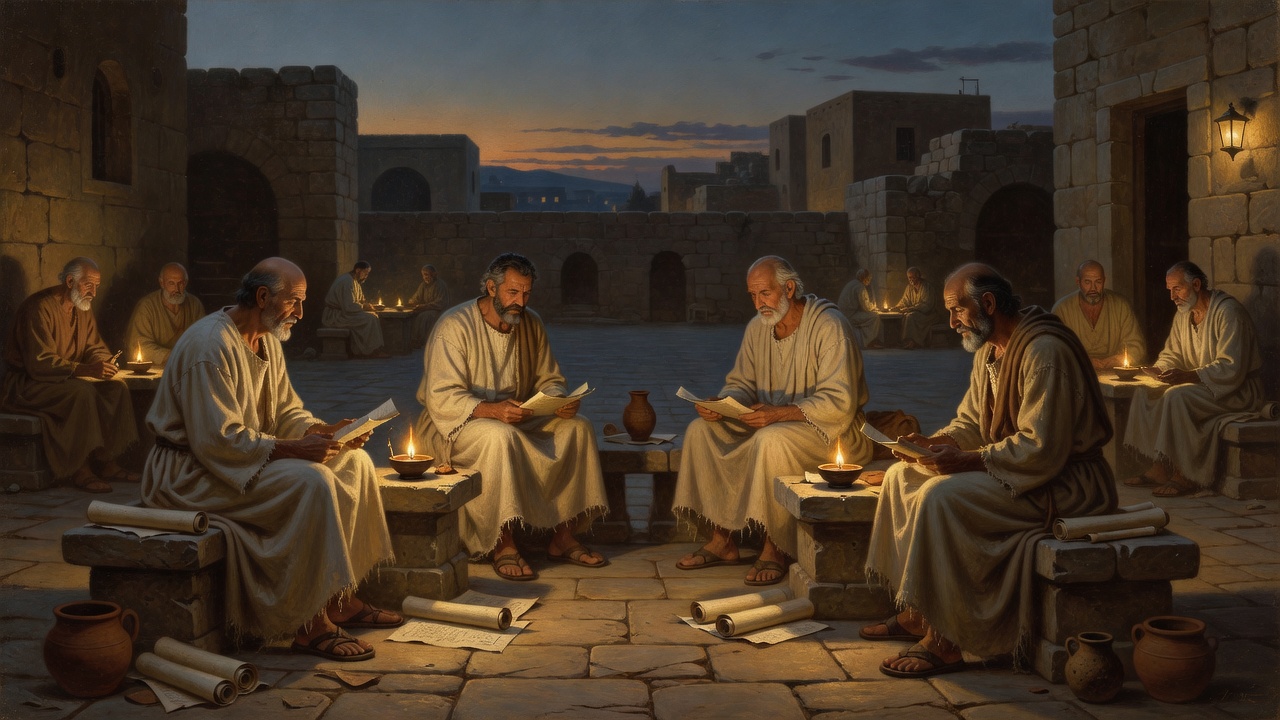
Safeguarding Loyalty and Warning Against Apostasy
- Deuteronomy specifies that a sign or wonder coming to pass does not automatically authenticate a prophet. If the prophet advocates following other gods, the message is considered a test of the community's loyalty rather than genuine divine guidance.Sources: the Bible text itself
- When addressing secret enticements to idolatry by close family members or friends, the law required the accuser to cast the first stone. This placed immediate personal responsibility on the witness and discouraged false accusations.Sources: the Bible text itself
- Before taking collective action against an entire town accused of apostasy, the community was strictly required to conduct a thorough inquiry and investigation to verify the facts with certainty.Sources: the Bible text itself
Notes written with AI assistance from open sources (Theographic Bible Metadata, CC BY-SA 4.0; Easton’s Bible Dictionary, public domain) and reviewed before publishing.
Places in this chapter
Only places identified with high confidence are shown (90% or more according to the scholarly sources compiled by OpenBible). Period map: DARE (Digital Atlas of the Roman Empire), CC BY 4.0; modern map: © OpenStreetMap contributors; places: OpenBible.info (CC BY 4.0).
Credits and license for this translation
Cishingini Agwara Kambari [asg]
Cishingini: Cishingini Agwara Kambari [asg] (Bible)
copyright © 2025 Language Development and Translation Initiative (LDTI)
Language: (Cishingini)
Contributor: The Seed Company
This translation is made available to you under the terms of the
Creative Commons Attribution Share-Alike license 4.0.
You have permission to share and redistribute this Bible translation in any format and to make reasonable revisions and adaptations of this translation, provided that:
You include the above copyright and source information.
If you make any changes to the text, you must indicate that you did so in a way that makes it clear that the original licensor is not necessarily endorsing your changes.
If you redistribute this text, you must distribute your contributions under the same license as the original.
Pictures included with Scriptures and other documents on this site are licensed just for use with those Scriptures and documents.
For other uses, please contact the respective copyright owners.
Note that in addition to the rules above, revising and adapting God's Word involves a great responsibility to be true to God's Word. See Revelation 22:18-19.
2025-07-09
Source: http://ebible.org/asg/ · eBible.org