Colossians 3
Ŋwɛ menomenyɛɛ́ mekɛ́ · Tap a verse to see its cross-references.
1Geŋwá gekɛ ɛyigé Ɛsɔwɔ achyɛ ɛnyú gelu wyɛ ɛké ji apyɛ ɛnyú dekeré né geŋwá ne Kras. Ndɛre ɛlúmbɔ, nɛrege matɔɔ́ nyú né mbaá unó bi úlú né mfaánebuú né mbaá ayi Kras ajwɔle né ɛgbɛ ɛbwɔnyɛ Ɛsɔwɔ. 2Belegé wyɛ ufɛre nyú né depɔré mfaánebuú, debélégé fɔ́ mbaá depɔré mme. 3Kage nno ɛnyu debɔ degbo mɛ ne geŋwáge nyu gélú né amu Kras muú alu chóncho ne Ɛsɔwɔ. 4Ne gébégé Kras muú achyɛge ɛnyu geŋwá ɛyigé na amage kere meso fa mme, ɛnyú ntó debɛɛ́ nyɛ wyɛɛ ne gekpɛkpɛge ŋgɔ wuú.
Geŋwá gekwene ne ɛyi gekɛ
5Ndɛré ɛlúmbɔ, ferege amu kaŋka né yɛ́ndégenó ɛyi gebɔ́ getome ne gekwenege geŋwá ɛyigé ɛnyú debɔ dewyaá fa mme. Dekwɔlege se depɔré manane tametame ne yɛ́ndé gepɔ ɛyi gegboó mmyɛ. Défɛrégé fɔ gabo mampyɛ, ne débɛ́gé fɔ ne mmwɔlé né gefwa. Deke depyɛ mbɔ dechyɛge geji ɛnógé ɛwé debɔɔ manchyɛɛ́ Ɛsɔwɔ. 6Ɛlé gétúgé unó bina ne Ɛsɔwɔ achyɛge nyɛ ɛfwyale mbaá bɔɔ́ abi álá nogé ji. 7Mbɔ ne geŋwáge nyu gebɔ gelu nya gébégé ɛnyu depyɛɛ́ ufɔɔ́ uno bina.
8Yɛ́mbɔ, nana depyɛge se ufɔɔ́ unó bina. Desɔge se metɔɔ́ ne atɛ, debálégé se metɔɔ́, depyɛge fɔ́ nchyɛ. Déchɔge bɔɔ́ mabɔ. Ne dékámégé fɔ́ mejɔɔ́ mebomebo ɛtanege ɛnyú né meno. 9Ɛ́kágé debyɔge gebyɔ mbaá atɛ, nendé defere mɛ gekwenege geŋwá nyu ne gekwenege gepɔ ɛyi debɔ déwyaá défómé ndɛre muu áfomege gekwenege nkú. 10Ne nana ɛnyú defyɛ gepɔ gekɛ ndɛre muu áfyɛɛ́ nkú mekɛ. Ɛle gepɔ ɛyigé na ne Ɛsɔwɔ muú ákwyɛɛ́gé geji áchyɛge ɛnyu nnó ɛnyu débɛ ɛke ji, nnó ápyɛɛ́ ɛnyú dekaá ji cháŋéné. 11Né geŋwá gekɛ ɛyigé na, aŋgya apɔ se né géluágé bɔɔ́ Ɛsɔwɔ. Yɛ́ wɔ ɔlú lé muú jus yɛ muú ayi ála pɔ muú jus, yɛ́ asɔ wɔ nsɔ yɛ asɔ wɔ́, yɛ ɔlú lé chogéchogé, yɛ́ ɔlú mefwɛ, yɛ́ ɔlú mmyɛmmyɛ jyɛ, ɛwémbɔ ɛpyɛ yɛ genó wɔ́. Genó ɛyi geŋeá gemɛ gepwɔɔ́ ɛlé Kras, ne ji alu né mmu matɔɔ́ ufɔɔ́ bɔɔ́ bina ako.
12Tɛ mbaá Ɛsɔwɔ ajyaá ɛnyú nnó debɛ bɔɔ́ bií, ɛnyú delu bɔɔ́ ukpea ne ji agboó ne ɛnyú dɔɔ́. Ndɛ́ré ɛlúmbɔ, bɛge ne gepɔ ɛyi gelɛ́régé nnó ɛnyú dégɛne atɛ meshwɛ, delɔme melu, débwɛge fɔ mmyɛ, désɛle depɔré nyu peré, ne dekoge metɔɔ́ né uno bi bɔɔ́ ápyɛɛ́. 13Debɔ́ mambyage ntó depɔ ɛtire atɛ aŋmɛ apyɛ. Ntɛ meŋmɛ apyɛge genó ɛyi gesɔɔ́ ɛnyú metɔɔ́, jige ji nte. Ɛnyú debɔ manjigé nte gabo ayi atɛ aŋmɛ apyɛ ne ɛnyú, wyɛ ndɛre Ata Jisɔs ajinte gabo awe nyu. 14Menɔ genó ayi ɛnyú debɔɔ́ mampyɛ, ayi apwɔɔ́ unó bina uko alu nnó ɛnyú debɔ gejeé ne atɛ, néndé gejeé ne gepyɛ bɔɔ́ áchóme mmyɛ ne atɛ cháŋéné. 15Pyɛge wyɛ unó gefɔɔ́ ɛyige nesɔ ɛniné Kras áchyɛge nebɛɛ́ né muú matɔɔ́ nyu néndé ɛlé gétúgé Ɛsɔwɔ akɛlégé nnó ɛnyú debɛ́ né nesɔ, ne ji akuú ɛnyú. Choge mmyɛ ne atɛ, debɛ ndɛre upɔ menyammyɛ uchome né menyammyɛ ama, nnó detámégé ji né unó bi ji apyɛɛ. 16Gɔge abya Kras abɛ ɛnyú né matɔɔ́ gbɛne. Lɛ́régé ji mbaá atɛ ne chyɛge atɛ majyɛ né deŋga deko. Kwage makwa ayi atanege né bɔ ŋwɛ Ɛsɔwɔ ne ayi atomé ne Kras ne ayi Mendoó Ukpea ɛlɛrege. Kwage áji ne metɔɔ́ megɔmegɔ né mbaa Ɛsɔwɔ. 17Ne yɛ́ndégenó ɛyigé ɛnyú dépyɛɛ́, yɛ déjɔ́gé lé mejɔɔ́, yɛ́ depyɛ́ lé unó, pyɛgé ubí ukó gefɔɔ́ ɛyi gelɛ́rege nnó ɛnyú delu bɔɔ́ Ata Jisɔs. Dekɛ ne ji detamégé ntɛ se Ɛsɔwɔ yɛ́ndégébé.
Pɔl achyɛge majyɛ mbaá mala upú bɔɔ́ Ɛsɔwɔ
18Ɛnyú andeé anɔ wúgé ne anɔ nyú yɛndégébé, mbɔ ne andeé abi áfyɛɛ́ metɔɔ́ ne Ata ápyɛɛ́.
19Ɛnyú anɔ, yɛ́ndémuú nyu abɔgé gejeé ne mendée wuú. Ɛ́kágé achyɛge ji genyane.
20Ɛnyú baá, wúgé ne ama ne antɛ nyú yɛ́ndégébé néndé gɛ genó ɛyigé gepyɛɛ́ metɔɔ́ ɛgɔɔ́ Ata mbɔ.
21Ɛnyú antɛ, ɛkágé depyɛge matɔɔ́ asɔge baá nyú, deke depyɛ mbɔ defyɛɛ́ ɛbwɔ́ gebwa mmyɛ ne apyɛ se genó gelɔ́gelɔ́.
22Ɛnyú afwɛ yɛ́ndegébé wugé né bɔɔ́ abi abɔɔ́ ɛnyú fa mme. Deke depyɛɛ́ utɔɔ́ nyú, ɛkágé dépyɛge lé nnó ɛbwɔ́ agɛ́né utɔɔ́ bi ɛnyú depyɛ́ ne áfɛɛ́ge ɛnyú. Pyɛ́ge utɔɔ́ nyú metɔɔ́ ɛma gétúgé denógé Ata. 23Yɛ́ndé utɔɔ́ bi achyɛge ɛnyú nnó depyɛ, pyɛge ubi cháŋéné ne metɔɔ́ ɛma, ndɛre bɔɔ́ abi apyɛ lé utɔɔ́ Ata, ɛ́pɔ́ fɔ́ lé mbaá akwaá. 24Ne kágé nnó Ata achyɛge nyɛ ɛnyú nsa. Ne nsa yimbɔ ɛlé unó bi ji ákwyɛɛ́ ábelé mbaá bɔɔ́ bií. Ne yɛnde utɔɔ́ ɛbi ɛnyu depyɛɛ́, depyɛɛ́ mbɔ ɛlé mbaa Kras muú abɔɔ́ ɛnyú. 25Yɛ́ndémuú ayi apyɛ gabo agɛne nyɛ ɛfwyale ndɛré ji apyɛɛ gabo néndé Ɛsɔwɔ asɔɔ́ mpa yɛ́ndémuú alɛrégé fɔ aŋgya.
Did you know?
New life in one body and at home
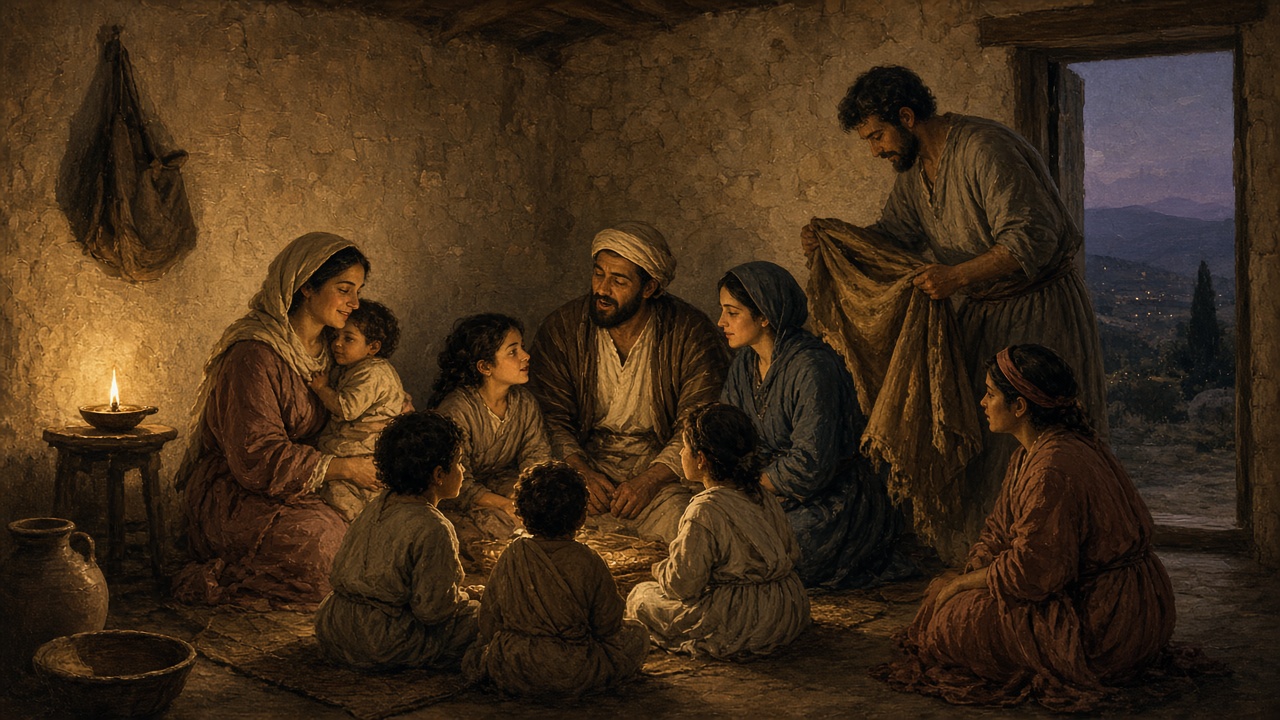
- This chapter pictures a changed life as a change of clothing. Readers are said to have taken off the old self with its practices and put on the new self, which is being renewed in knowledge in the image of its Creator. They are then told to clothe themselves with hearts of compassion, kindness, humility, gentleness, and patience, and to put on love over all these virtues as the bond of perfect unity.Sources: the Bible text itself
- The chapter lists Greek and Jew, circumcised and uncircumcised, barbarian, Scythian, slave and free, and declares that here none of these distinctions remains, because Christ is all and is in all.Sources: the Bible text itself
- The chapter then gives instructions for household relationships: wives and husbands, children and parents, and slaves and their earthly masters. Fathers are warned not to provoke their children, so that the children will not become discouraged. Slaves are told to obey with sincerity of heart, not only while they are being watched, and to work with their whole being for the Lord rather than for men, with the promise of an inheritance from the Lord as a reward; whoever does wrong will be repaid, and there is no favoritism.Sources: the Bible text itself
Notes written with AI assistance from open sources (Theographic Bible Metadata, CC BY-SA 4.0; Easton’s Bible Dictionary, public domain) and reviewed before publishing.
Credits and license for this translation
Ŋwɛ menomenyɛɛ́ mekɛ́
New Testament in Denya (CM:anv:Denya)
copyright © 2010 Wycliffe Bible Translators, Inc.
Language: Denya
Translation by: Wycliffe Bible Translators, Inc.
Copyright Information
© 2010, Wycliffe Bible Translators, Inc. All rights reserved.
This translation text is made available to you under the
terms of the Creative Commons License: Attribution-Noncommercial-No Derivative Works.
( http://creativecommons.org/licenses/by-nc-nd/3.0/ )
In addition, you have permission to port the text to different file formats, as long as you
do not change any of the text or punctuation of the Bible.
You may share, copy, distribute, transmit, and extract portions
or quotations from this work, provided that you include the above copyright
information:
You must give Attribution to the work.
You do not sell this work for a profit.
You do not make any derivative works that change any of the actual words or punctuation of the Scriptures.
Permissions beyond the scope of this license may be
available if you contact
us with your request.
The New Testament
in Denya
© 2010, Wycliffe Bible Translators, Inc. All rights reserved.
This translation is made available to you under the terms of the
Creative Commons Attribution-Noncommercial-No Derivatives license 4.0.
You may share and redistribute this Bible translation or extracts from it in any format, provided that:
You include the above copyright and source information.
You do not sell this work for a profit.
You do not change any of the words or punctuation of the Scriptures.
Pictures included with Scriptures and other documents on this site are licensed just for use with those Scriptures and documents.
For other uses, please contact the respective copyright owners.
2024-02-11
Source: http://ebible.org/anvNT/ · eBible.org