Colossians 2
Ŋwɛ menomenyɛɛ́ mekɛ́ · Tap a verse to see its cross-references.
1Me nkɛlegé ɛnyú dekaá ndɛre me mmyɛ ne ɛshyɛ mampyɛge utɔɔ́ gétúgé nyú ne bɔɔ́ Ɛsɔwɔ abi alú né Laodisha chóncho ne gejamégé abi me nla nlú dantuú ntó amɛ ne ɛbwɔ́. 2Me mpyɛ mbɔ nnó mfyɛɛ́ ɛnyú ako ɛshyɛ nnó gejeé ɛyigé ɛnyú debɔɔ́ ne atɛ genywere ɛnyú. Ne nkɛlege ɛnyú déneré mankaá genó ɛyigé Ɛsɔwɔ ábelé nya bíbí, nnó ɛnyú débɛ ne gefɔgé metɔɔ́ ɛwé ɛla ɛnyigé fɔ́. Ne genó ɛyigémbɔ ɛlé Kras Jimbɔɔ́. 3Ɛlé Kras ne apyɛɛ́ nnó ɛsé debɛ ne defɔɔ́ ne deŋga dékágé unó. Unó bina ne uchwɔɔ́ ne gefwa ɛyi gepwɔɔ́ ámu, ɛyigé Ɛsɔwɔ ábɔ́ ábelé nya bíbí.
4Me njɔ́gé mbɔ nnó ɛ́kágé ɛnyú delyaá muú fɔ akpa gélɔge mejɔɔ abwɔlé ɛnyú. 5Kágé nnó yɛ ɛlé me nla mpɔ ne ɛnyú ɛwú mbɔ, metɔɔ́ wa ɛlú ne ɛnyú yɛ́ndégébé. Ne metɔɔ́ ɛgɔɔ́ me ndɛré nwuú nnó ɛnyú défyɛ́ metɔɔ́ ne Kras ne nnó decho mmyɛ ne atɛ dégbarege yɛ́ndégenó cháŋéné.
Belege geŋwáge nyú ndɛre bɔɔ́ abi áchome mmyɛ ne Kras
6Ne tɛ mbaá ɛnyú dekame nnó Kras Jisɔs abɛ Ata nyu, belege geŋwáge nyú ndɛre bɔɔ́ abi áchome mmyɛ ne ji. 7Pɛ́régé wyɛ uka nyú mme cháŋéné ndɛré déchomé mmyɛ ne Kras, débɛ́ ɛke genɔɔ́ ɛyi gefyɛɛ́ maka ajyɛ tɛ mme. Gbarege uno ɛbi álɛre ɛnyu dékame ne ubi cháŋéné. Ne tamege wyɛ Ɛsɔwɔ gétúgé unó uko ɛbi ji apyɛɛ́.
8Sɛge gebé nnó ɛkágé muú fɔ́ abɔ́ gelɔge mejɔɔ́ ne deŋgáré akwaá abwɔlé ɛnyú dekwe ɛké afwɛ mbaá unó ɛbí ɛbwɔ́ alɛ́régé. Unó bi ɛbwɔ́ álɛ́régé utanege fɔ mbaá Kras utanege ɛlé mbaá gépɔ́gé akwaá ne aló nchyɛ abi ágbarege gefwa fa mme. 9Dékámégé fɔ ábwɔ́lé ɛnyú néndé ɛlé Kras ne áchwɔɔ́ ndɛre mekwaa ne áwyaá gépɔ́gé Ɛsɔwɔ geko. 10Ne ndɛ́ré ɛnyú ntó dechome mmyɛ ne Kras, yɛ geno fɔ ɛyi gelii ɛnyu né depɔre Ɛsɔwɔ gepɔ, nendé Kras ne apwɔɔ́ unó uko bi ugbarege gefwa ne ɛbi uwyaá utó né mfaá ne mme.
11Ndɛ́ré ɛnyú dechome mmyɛ né Kras, ɛlu ɛké nsɔ ne asɔɔ́ ɛnyú. Ɛ́pɔ́ fɔ́ nsɔ ayi akwaá asɔɔ́ ne amu. Ne nsɔ yimbɔ alú nnó Kras afere né menyammyɛ nyu gepɔge mekwaa ɛyi gétene ji apyɛ gabo. 12Gébégé áwyaá ɛnyú manaá Ɛsɔwɔ, genó ɛyi gepyɛɛ́ gelu nnó, anií ntó ɛnyú ne Kras. Né gébé ɛyigé mbɔntó, Ɛsɔwɔ apyɛ ɛnyú dekwilé né negbo ne Kras gétúgé dekame ne uto Ɛsɔwɔ ɛbimbɔ, nnó apyɛɛ́ Kras akwilé né negbo. 13Mbɛ mbɛ ɛnyu debɔ depyɛɛ́ gabo gétúgé álá lu dansɔ ɛnyú nsɔ áyi átome ne Kras. Ndɛre ɛlúmbɔ, ɛnyú debɔ degbo né depɔré Ɛsɔwɔ. Yɛ́mbɔ Ɛsɔwɔ ajinte gabo se meko ne apyɛ ɛse debɔ geŋwá choncho ne Kras. 14Ati amma mpa né mmú ŋwɛ ayi alɛrege nnó ɛsé dekwe mpa, choncho ne mabɛ ayi atome ne ama mpa yimbɔ. Achɔ ji kaŋka ndɛre áwɔmé ji né mfaá gekwa. 15Né mfaá gekwa ɛyigémbɔ, Kras áwá gelúgé aló nchyɛ ako abi ágbárégé gefwa ne abi áwyaá uto. Ne achyɛɛ́ ɛbwɔ́ mekpo unɔɔ́ né mbɛ ushu bɔɔ́ ako ndɛre ji apwɔɔ́ ɛbwɔ́ gébégé ji agboó mfaá gekwa.
16Ndɛre ɛlúmbɔ, déwúgé fɔ́ mejɔɔ́ ɛwé bɔɔ́ ajɔ́gé nnó ɛnyú delu gyɛ gétúgé unó abi ɛnyú denyɛ ne ɛbi denyuú. Ne gétúgé delá denyɛɛ́ fɔ ufɔɔ́ mapaá ayifɔ ndɛré ɛpaá ŋmɛ nekɛ, mfaá mekɛ ne ɛpaá bií uwyua. 17Unó nkane bina úlú lé dendoré unó bi uchwɔɔ́ nyɛ. Ne toŋ́gése genó ɛyigé unó bina ulɛ́régé ɛlé Kras. 18Ndɛre ɛlúmbɔ, dekámégé fɔ́ ne bɔɔ́ abi áshyií wyɛ nnó muú nyú abɔ mánshule gemɛ jií mme ne nnó debɔ manoge wyɛ makiɛ́nné Ɛsɔwɔ ndɛré ɛbwɔ́ ápyɛ. Ɛbwɔ́ ábwɔ́lege ɛnyú nnó dépyɛ́ge unó bina. Ágáré nnó Ɛsɔwɔ alɛre ɛbwɔ́ unó né amɛ gejya. Yɛ́mbɔ unó bina utanégé ɛbwɔ́ né metɔɔ́ ne upyɛɛ́ ɛbwɔ́ ábwɛge mmyɛ. Ne wáwálé alu nnó unó bi ɛbwɔ́ álɛ́régé úlú lé ubyaŋkwɔ unó. 19Ne ɛbwɔ́ áfa mbwa ne Kras muú alu ndɛre mekpo né mbaá menyammyɛ. Ɛlé Kras ne apyɛ nnó menyammyɛ akɛne chaŋéné ne ji ne apyɛɛ́ nnó upɔ menyammyɛ uko ucho mbaá ama. Anɔɔ́ mali ne ufɛre ne ápyɛɛ́ nnó upɔ menyammyɛ uko uchome mbaá ama nnó menyammyɛ awɛne ndɛre Ɛsɔwɔ aké ɛ́bɛ́.
Ula nnó ɛnyú délú nóge ubyańkwɔ mabɛ
20Tɛ mbaá ɛnyú degboó ne Kras, ɛwena ɛlɛré nnó Ɛsɔwɔ afere ɛnyú né uto aló nchyɛ. Aló nchyɛ apɔ sé ne utó bi ápyɛɛ́ ɛnyú dewuú ne ɛbwɔ́. Ndɛre ɛlúmbɔ, ula nnó ɛnyú delu depyɛɛ́ depɔ ɛke bɔɔ́ abi alú bɔɔ́ mme? Ula nnó ɛnyú delu nóge mabɛ ayi bɔɔ́ áfyɛɛ́ nnó: 21“Dégbárégé gefɔgé geno ɛyigé na. Dényɛ́gé ɛyi ne détagé ɛyigé na”? 22Ufɔɔ́ mabɛ yina alú le mabɛ akwaá ne unó bi ɛbwɔ́ alɛ́régé. Áji átome le ne unó mme ɛbi muú apyɛge mɛ ubi ula ubyaŋkwɔ unó. 23Mabɛ yina ápyɛ ɛke áfyɛɛ́ muú defɔɔ́, néndé álɛrégé bɔɔ́ nnó ábɔ́ gejeé mampyɛ́gé unó bi ulɛré nnó ɛbwɔ́ álu bɔɔ́ Ɛsɔwɔ, álɛregé bɔɔ́ nnó abwɛge fɔ́ mmyɛ. Ápyɛ bɔɔ́ atulege mmyɛ detu, yɛ́mbɔ mabɛ yina apɔ́ ne uto mangbɛ muú nnó abɔgé fɔ́ gejeé mampyɛge gabo.
Did you know?
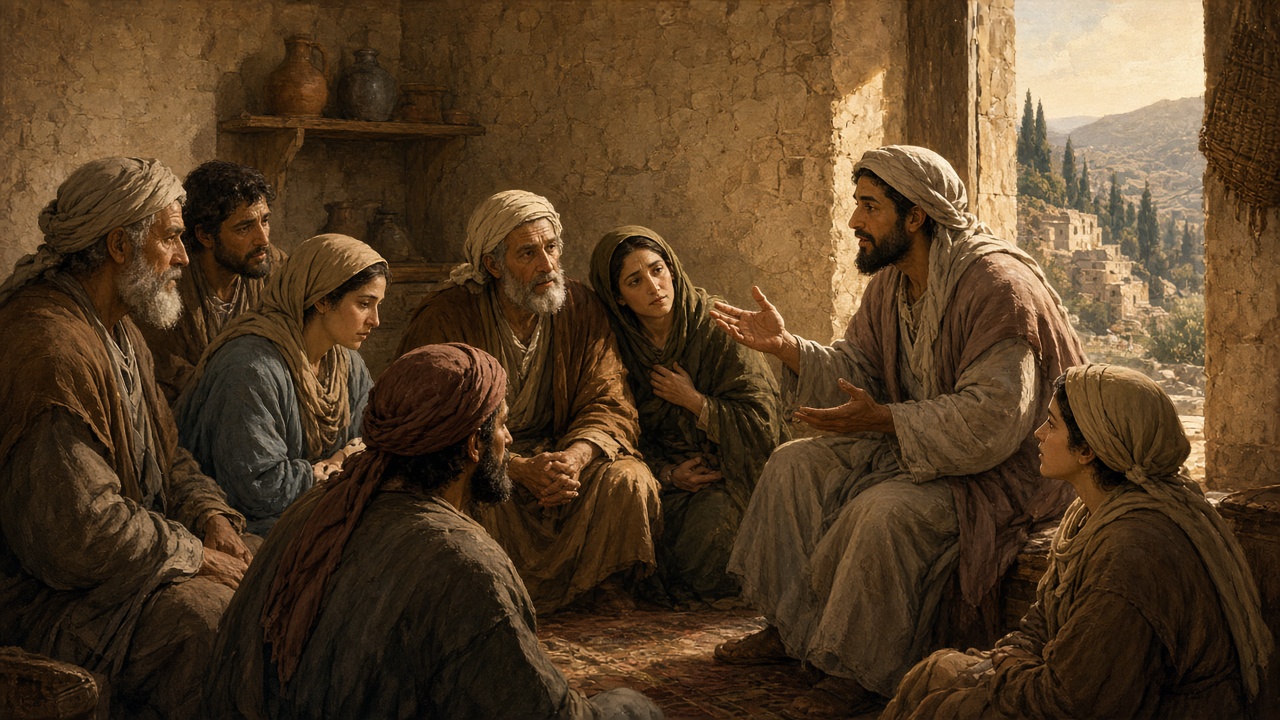
Fullness in Christ, Not Empty Teaching
- The writer says he is struggling for the readers, for those at Laodicea, and for all who have not met him face to face. Laodicea lay on the border of Phrygia and Lydia, on the banks of the Lycus, about forty miles east of Ephesus, and was one of the most important and flourishing cities of Asia Minor.Sources: the Bible text itself · Laodicea
- He warns them not to be taken captive by philosophy and empty deception based on human tradition and the spiritual forces of the world, and not to be deceived by smooth rhetoric.Sources: the Bible text itself
- The chapter also says they should not let anyone judge them by what they eat or drink, or by a feast, a New Moon, or a Sabbath—these are called a shadow of things to come—and should resist false humility, the worship of angels, and rules against handling, tasting, and touching that rest on human commands.Sources: the Bible text itself
Notes written with AI assistance from open sources (Theographic Bible Metadata, CC BY-SA 4.0; Easton’s Bible Dictionary, public domain) and reviewed before publishing.
Places in this chapter
- Laodicea · Today: Laodicea on the Lycus · 37.836, 29.108 · verse 1
Only places identified with high confidence are shown (90% or more according to the scholarly sources compiled by OpenBible). Period map: DARE (Digital Atlas of the Roman Empire), CC BY 4.0; modern map: © OpenStreetMap contributors; places: OpenBible.info (CC BY 4.0).
Credits and license for this translation
Ŋwɛ menomenyɛɛ́ mekɛ́
New Testament in Denya (CM:anv:Denya)
copyright © 2010 Wycliffe Bible Translators, Inc.
Language: Denya
Translation by: Wycliffe Bible Translators, Inc.
Copyright Information
© 2010, Wycliffe Bible Translators, Inc. All rights reserved.
This translation text is made available to you under the
terms of the Creative Commons License: Attribution-Noncommercial-No Derivative Works.
( http://creativecommons.org/licenses/by-nc-nd/3.0/ )
In addition, you have permission to port the text to different file formats, as long as you
do not change any of the text or punctuation of the Bible.
You may share, copy, distribute, transmit, and extract portions
or quotations from this work, provided that you include the above copyright
information:
You must give Attribution to the work.
You do not sell this work for a profit.
You do not make any derivative works that change any of the actual words or punctuation of the Scriptures.
Permissions beyond the scope of this license may be
available if you contact
us with your request.
The New Testament
in Denya
© 2010, Wycliffe Bible Translators, Inc. All rights reserved.
This translation is made available to you under the terms of the
Creative Commons Attribution-Noncommercial-No Derivatives license 4.0.
You may share and redistribute this Bible translation or extracts from it in any format, provided that:
You include the above copyright and source information.
You do not sell this work for a profit.
You do not change any of the words or punctuation of the Scriptures.
Pictures included with Scriptures and other documents on this site are licensed just for use with those Scriptures and documents.
For other uses, please contact the respective copyright owners.
2024-02-11
Source: http://ebible.org/anvNT/ · eBible.org