Acts 5
Ŋwɛ menomenyɛɛ́ mekɛ́ · Tap a verse to see its cross-references.
Gebyɔgé Ananiya ne Safira
1Ne mende fɔ ayi ákuú ji, Ananiya ne mendée wuú Safira abɔ́ ákame maŋkpó melu mme bwɔ́ ɛma. 2Yɛ́mbɔ ɛbwɔ́ ne mendée wuú ákame mambi ŋka ɛyifɔ, ne ákpá ɛyi ɛlaá áchwɔ chyɛ́ɛ áŋgbá Jisɔs. 3Ne Pita agií Ananiya aké, “Ulannó ɔlyaá danchɔmeló akpɛne mmu metɔɔ́ wyɛ? Nde gepyɛ́ɛ ɔbií gebagé ŋka ɛyigé ɔsɛle ne ɔchwɔ́ byɔ gebyɔ mbaá Mendoó Ukpea? 4Mekɔɔ́ ɛwé ɔkpoó ɛbɔ ɛlu ɛwyɛ, ne ŋka yi ɔsɛle ɛle ɛjyɛ. Nde gepyɛɛ́ ɔpyɛ gefɔge mechɔ ɛwéna? Ɔfɛré nnó ɔbwɔlege mbɔ le bɔɔ́ ayi ɔbyɔge mbɔ le gebyɔ mbaá Ɛsɔwɔ.” 5Ananiya awúge mbɔ, akwé mme, agbó. Njyɛ usa akɛle ndeé, afyale geŋkwɔ́ jií, ákpá ájyɛ nií. Bɔɔ́ ako bi áwuú mechɔ ɛwé, ɛfɔ́ɔ ɛkwɔ́ ɛbwɔ́ matɔɔ́.
7Nchwanekɛ ɛlɛɛ́ ɛke ɛkwɔnege mendée wuú achwɔ kpɛ mmu, ayi álá kaá mechɔ ɛwé ɛpyɛ menɔ wuú wɔ́. 8Ne Pita agií ji aké, “Gare me wáwálé wyɛ, nnó ŋka ɛyi ɛnyú ne menɔ wyɛ desɛlé né mekɔɔ́ ɛwé dekpó ná”? Ne Safira akame aké ɛbyɛmbɔ.
9Ne Pita ama gií ji aké, “Ndé gepyɛ ɛnyú ne menɔ wyɛ dekame manchwɔ mua Mendoó Ata Ɛsɔwɔ? Gɛ́ majyá bɔɔ́ né menombi, ɛlé bɔɔ́ bi ajyɛ nií menɔ wyɛ, ákpáne nyɛ wɔ ntó áfɛ́ anií.” 10Pita ajɔge mbɔ, tɛ́netɛne Safira akwé mbɛ ushu wuú, agbó. Njɛ usa bimbɔ ákpɛgé mmu, ágɛ́ nnó ágbo ne ákpá, ji ajyɛ nii kwɔ́kwɔ́lé ne menomé menɔ wuú. 11Bɔɔ́ Jisɔs ne bɔɔ́ bifɔ́ ako abi abɔ́ áwuú mechɔ ɛwé, ábɔ́ ɛfɔ́ɔ.
Áŋgbá Jisɔs ápyɛ́ ufélekpá ne ukpɛ́kpɛ́ unó
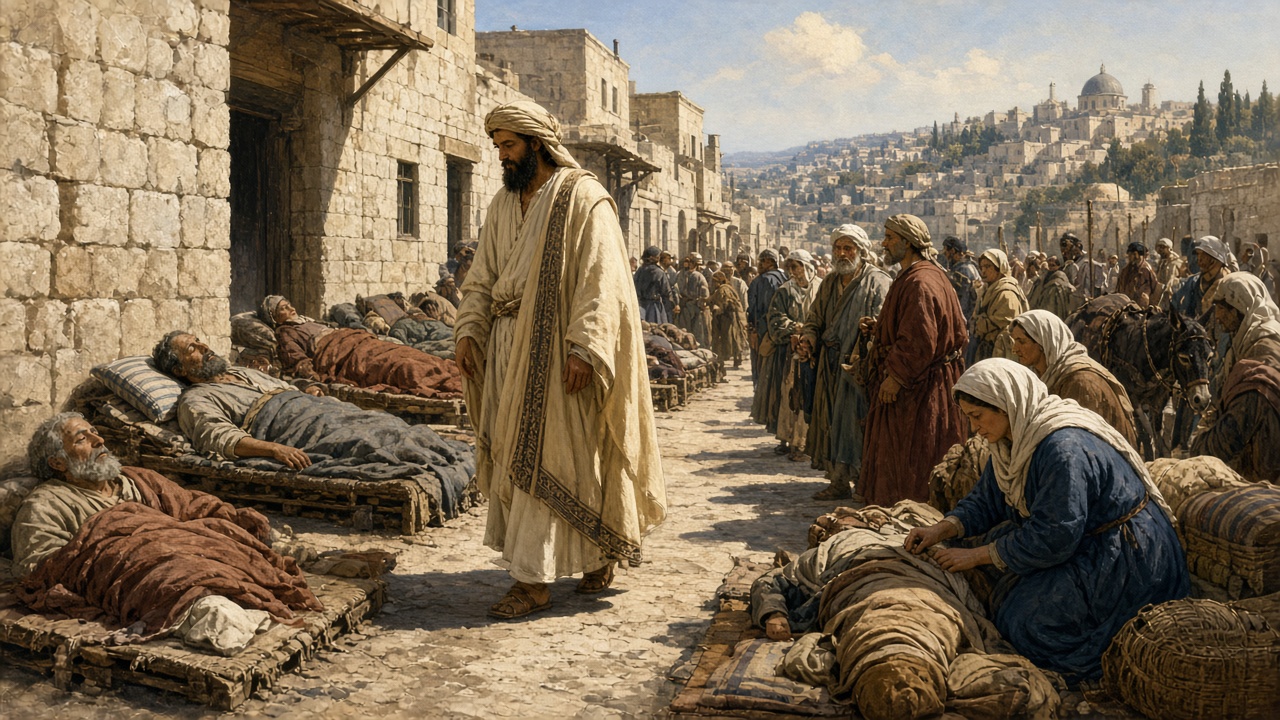
12Áŋgbá Jisɔs ábɔ ápyɛ́ɛ gejamégé ufélekpa ne ukpɛ́kpɛ́ uno ɛbi ulɛré utó Ɛsɔwɔ né metɔɔ́ metɔɔ́ bɔɔ́. Ɛbwɔ́ ne bɔɔ́ bi akame ne Jisɔs ako achwɔ́ yɛndégébé né ɛcha upɛ Ɛsɔwɔ, ajwɔlege né melu ɛwé ákuú ɛgbɛ ɛwé Solomun. 13Yɛ muú yi akya manchó ne ɛbwɔ́ apɔ́. Yɛ́mbɔ bɔɔ́ ako áfɛ́ge bwɔ́ dɔɔ́. 14Yɛ nkane ɛlúmbɔ gejamégé bɔɔ́ áfyɛɛ́ matɔɔ́ ne Jisɔs ne gejamégé andée ne ande akpɛ́ne né ɛchomele bɔɔ́ bií. 15Gétúgé ufélekpá ɛbi aŋgbá Jisɔs apyɛ́ɛ, bɔɔ́ ákpáne bɔɔ́ mameé bwɔ́ né ulɔ́ ne ábélege né anɔɔ́ mati nnó Pita ake akóge ɛfɛɛ́, mendoó wuú ɛkage kóo ɛbwɔ́ mmyɛ. 16Ne gejamégé bɔɔ́ ntó ábɔ́ átané né malɔ ayi álu kwɔ́kwɔ́lé ne Jɛrosalɛ, áchwɔ́ ne bɔɔ́ mameé ne abi aló nchyɛ achyɛge bwɔ́ ɛfwyale mbaá áŋgba Jisɔs, ápyɛ ɛbwɔ́ ako átóoge.
Áchyɛ́ áŋgbá Jisɔs ɛfwyale
17Ɛtukpɛ ampyɛ upɛ Ɛsɔwɔ ne ɛkwɔ wuú, abi alu né geluage bɔɔ́ Sadusi awya gembya né matɔɔ́ bwɔ́ ne aŋgbá Jisɔs, 18ne átɔ́ bɔɔ́ ájyɛ pyɛ áŋgbá Jisɔs, áfyɛ́ denɔ. 19Yɛ́mbɔ, né utuú bimbɔ, ɛkiɛ́nné Ɛsɔwɔ ɛchwɔ néné manombi gepúge denɔ ɛbwɔ́ átané ne ɛké ne ɛbwɔ́, 20“Chóge mmu ɛcha upɛ Ɛsɔwɔ, detɛne, degare bɔɔ́ bi alu ɛfɛɛ́ mekomejɔɔ́ yi áchwɔ ne geŋwá gekɛ.”
21Ne ɛbwɔ́ áwúge mbɔ ujyage ájyɛ kpɛ mmu ɛcha upɛ Ɛsɔwɔ, alɔ manlɛrege bɔɔ́.
Ɛke ɛwyage ɛtukpɛ ampyɛ́ɛ upɛ Ɛsɔwɔ ne ɛkwɔ wuú ne ákpakpa bɔɔ́ Isrɛli áchomé né ɛso. Átɔ́ bɔɔ́ bee né gepúge denɔ nnó ajyɛ gbaré aŋgbá Jisɔs bimbɔ áchwɔ ne ɛbwɔ́. 22Ɛbwɔ́ ájyɛ́gé ɛwu ágɛ́ bwɔ wɔ́, ne ákeré meso áké, 23“Ɛse defɛ́ né gepúge denɔ, degɛ́ nnó ágbɛ́ manombi chancha, ne bɔɔ́ bi ábáme átɛné wyɛ. Ne gébégé ɛbwɔ́ ánené manombi, degɛ yɛ muú né mmu wɔ́.” 24Muu kpa bɔɔ́ bi ábáme ɛcha upɛ Ɛsɔwɔ ne anɔ́ baá bi apyɛ upɛ Ɛsɔwɔ áwuge mbɔ makpo átya bwɔ́ mmu. Ne álɔ mangií gemɛ bwɔ́ áké, “Mechɔ ɛwé ɛbɛ nyɛ nnó?” 25Wyɛ gébé ɛyigembɔ muú fɔ́ atané né dafyɛ, áchwɔ ajɔɔ́ aké, “Gɛge bɔɔ́ abi ɛnyú degbɛ́ mmu gepúge denɔ, álu nana mmu ɛcha upɛ Ɛsɔwɔ, álɛrege bɔɔ́.” 26Ájɔge mbɔ muu kpa bɔɔ́ abi ábáme ɛcha upɛ ne ɛkwɔ wuu áfɛ́ ásɛ́ ɛbwɔ́ alɔ manchwɔ. Yɛ́mbɔ ája bwɔ́ jame wɔ́, getúgé áfɔ́ɔ nnó bɔɔ́ bi álu mmu, átóme nyɛ ɛbwɔ́ né mataá.
27Áchwɔgé ne ɛbwɔ́, ápyɛ aŋgbá Jisɔs átɛné mbɛ ushu ákpakpa melɔ. Ne ɛtukpɛ ampyɛ́ɛ upɛ Ɛsɔwɔ agií bwɔ́ ake, 28“Pɔ ɛsé debɔ́ dekwelé ɛnyú mbeé nnó degarege sé bɔɔ́ depɔré Jisɔs. Ne nana depyɛ mekomejɔɔ́ ayi akɛ agyaá Jɛrosalɛ meko, ɛnyú dekɛlege nnó bɔɔ́ áshúle ɛsé ndo nnó ɛsé dékaá ula negboné Jisɔs.”
29Pita ne áŋgbá Jisɔs abifɔ áshuú meko áke, “Ɛse debɔ́ mampyɛ le genó ɛyige Ɛsɔwɔ akɛlege, ɛpɔ́fɔ́ ɛyigé akwaá ákɛlege. 30Ɛsɔwɔ yi ukwené antɛ sé, ne apyɛ Jisɔs akwíle né negbo, Jisɔs ayi ɛnyú dewáné né gekwa. 31Ne Ɛsɔwɔ abwɛ mabɔ mií, apyɛ ji ajwɔle né geluɔ ɛyi gelu né ɛ́gbɛ́ ɛbwɔnyɛ́ wuú nnó ji abɛ Menɔmbɛ ne Menchyɛ́ geŋwá. Apyɛ mbɔ nnó bɔɔ́ Isrɛli ákwɔre matɔɔ́ bwɔ́, ne ji ajinte gabo bwɔ́. 32Ɛse delu bɔɔ́ abi áfyɛ nnó degarege uno bi, ne ɛse degarege chóncho ne Mendoó Ukpea ɛwé Ɛsɔwɔ abɔ achyɛ mbaá bɔɔ́ abi awuú ne ji.”
33Bɔɔ́ ɛso áwuge mbɔ, nchyɛ anwyɔné ɛbwɔ́ tɛ ábɔ́ ákɛlege manwá áŋgbá Jisɔs. 34Gamalya, muú ama né geluage bwɔ akwile ka aké, ásɛ́ kpɛ́ bɔɔ́ bimbɔ átáné dafyɛ. Gamalya alu muú Farasi ne ménlɛré mabɛ́ Ɛsɔwɔ, bɔɔ́ ako ntó anogé ji, ajɔɔ́ aké, ásɛ bɔɔ́ bimbɔ átané kpɛ dafyɛ. 35Ɛwyagé ajɔɔ́ ne bɔɔ́ ɛso aké, “Bɔɔ́ Isrɛli fɛrege mechɔ ɛwé dekɛlege mampyɛ ne bɔɔ́ bina cháŋéné. 36Tɛge, gébé gefɔ́, mende fɔ ayi ákuú ji Tɛudas, alomé ne ɛwu nnó ji alu menɔ muú. Bɔɔ́ bi akwɔle ji, álu genóge melɛɛ́. Gébégé áwáné ji, bɔɔ́ bi átyaá uchome bií ukwé. 37Ne mende fɔ nto abɔ́ ama lome ne ɛwu né gébé ɛyige ápáné bɔɔ, ákuú ji Judas abɔ atane melɔ Galilií. Apyɛ gejamégé bɔɔ́ ákwɔlé ji. Yɛ́mbɔ gébégé áwané ji, bɔɔ́ bi átyaá ne mabɔ mií mánó. 38Ndɛre mechɔ ɛwé ɛlúmbɔ, nchyɛge ɛnyú majyɛ́ nnó delya bɔɔ́ bi ajyɛ, ɛ́kágé dépyɛ ɛbwɔ́ genó. Mbɔgé unó bi ɛbwɔ́ ágarege ne ápyɛ utané né amu ákwaá, unómé nyɛ. 39Ne mbɔgé utané né amu Ɛsɔwɔ, dekágé tɛne fɔ ukɔ́lɔ́ ne ɛbwɔ́. Ɛnyú dekage gɛ́ nnó demyɛ mbɔ le ne Ɛsɔwɔ. Ne bɔɔ́ ɛso ako awúge mbɔ, ákamé ne ji.”
40Ne ɛbwɔ́ áku áŋgbá Jisɔs nnó ákéré mmu, áchwɔge ásɛ́ bwɔ́ ne matúle, ne ákwelé bwɔ́ mbeé nnó ámage gare se bɔɔ́ mechɔ Jisɔs. Ɛfɛɛ́ ne álya bwɔ́ nno ájyɛ́. 41Ndɛre ɛbwɔ́ átané né ɛso, ájyɛ́, álu ne metɔɔ́ megɔmegɔ, nnó Ɛsɔwɔ agɛ́ nnó ɛbwɔ́ ákwane mankpa mekpo genɔɔ́ né getuge Jisɔs. 42Yɛndé bií álɛrege bɔɔ́ né ɛcha upɛ Ɛsɔwɔ ne ákɛne ntó upú upú ágarege bɔɔ́ abya melɔ́mélɔ́ nnó Jisɔs alu Muú yi Ɛsɔwɔ akweré ji ɛlá gefwa.
Did you know?
Deceit, wonders, and the Sanhedrin
- Ananias, a member of the Jerusalem church, and his wife Sapphira, whose name means beautiful, sold a piece of land and, with her knowledge, kept back part of the price while bringing the rest to the apostles. He could have kept the property; Peter reminded him that it remained at his disposal both before and after the sale. The wrong was the lie: he professed to give it all, Sapphira confirmed the false price, and both died, she sharing his guilt and his punishment.Sources: Ananias (Husband of Sapphira) · Sapphira · the Bible text itself
- The believers gathered with one accord in Solomon’s Colonnade, where the apostles performed many signs and wonders. That colonnade probably stood on the eastern side of the temple. It is not mentioned in connection with the first temple, though Josephus refers to a porch of that name in Herod’s temple.Sources: Solomon's Portico · the Bible text itself
- When the high priest and his associates, who belonged to the party of the Sadducees, had the apostles arrested, a Pharisee named Gamaliel stood up in the Sanhedrin. He is described as a teacher of the law honored by all the people, the son of Rabbi Simeon and grandson of the famous Rabbi Hillel, and as an opponent of the Sadducees; he urged the council to leave the men alone. He pointed to Theudas, who had led an insurrection against Roman authority and, as Gamaliel told it, gathered about four hundred men before the rising came to nothing—beyond that, nothing else is known of Theudas—and to Judas the Galilean, who perished in the days of the census.Sources: Gamaliel · Theudas · the Bible text itself
Notes written with AI assistance from open sources (Theographic Bible Metadata, CC BY-SA 4.0; Easton’s Bible Dictionary, public domain) and reviewed before publishing.
Places in this chapter
- Solomon’s Portico · Today: in Jerusalem · 31.777, 35.234 · verse 12
- Jerusalem · 31.777, 35.234 · verses 16, 28
- Galilee · 32.760, 35.527 · verse 37
Only places identified with high confidence are shown (90% or more according to the scholarly sources compiled by OpenBible). Period map: DARE (Digital Atlas of the Roman Empire), CC BY 4.0; modern map: © OpenStreetMap contributors; places: OpenBible.info (CC BY 4.0).
Credits and license for this translation
Ŋwɛ menomenyɛɛ́ mekɛ́
New Testament in Denya (CM:anv:Denya)
copyright © 2010 Wycliffe Bible Translators, Inc.
Language: Denya
Translation by: Wycliffe Bible Translators, Inc.
Copyright Information
© 2010, Wycliffe Bible Translators, Inc. All rights reserved.
This translation text is made available to you under the
terms of the Creative Commons License: Attribution-Noncommercial-No Derivative Works.
( http://creativecommons.org/licenses/by-nc-nd/3.0/ )
In addition, you have permission to port the text to different file formats, as long as you
do not change any of the text or punctuation of the Bible.
You may share, copy, distribute, transmit, and extract portions
or quotations from this work, provided that you include the above copyright
information:
You must give Attribution to the work.
You do not sell this work for a profit.
You do not make any derivative works that change any of the actual words or punctuation of the Scriptures.
Permissions beyond the scope of this license may be
available if you contact
us with your request.
The New Testament
in Denya
© 2010, Wycliffe Bible Translators, Inc. All rights reserved.
This translation is made available to you under the terms of the
Creative Commons Attribution-Noncommercial-No Derivatives license 4.0.
You may share and redistribute this Bible translation or extracts from it in any format, provided that:
You include the above copyright and source information.
You do not sell this work for a profit.
You do not change any of the words or punctuation of the Scriptures.
Pictures included with Scriptures and other documents on this site are licensed just for use with those Scriptures and documents.
For other uses, please contact the respective copyright owners.
2024-02-11
Source: http://ebible.org/anvNT/ · eBible.org