John 7
Wakʉ Itekare: Emenna' Pe Ekonekan Nɨto' · Tap a verse to see its cross-references.
Sises Utɨ Surusiran Pona
1Mɨrɨ tʉpo, Sises esi'pʉ upinin nɨ pɨ' Kiyarari awɨrɨ. Isutiya pona ɨtɨpai pʉra iyesi'pʉ, apʉne pʉra Esuwerʉ amʉ' epuru ton esi pɨ' tʉwɨnɨ i'se mɨrɨ yau. 2Tʉusiwʉtʉntɨpɨ'se Esuwerʉ amʉ' nʉkupʉnʉ weyu e'seporo esi'pʉ. 3Mɨrɨ pɨ' si, iyakon non uya ta'pʉ Sises pɨ', “Serɨ tʉnɨnse, Isutiya pona enta, ɨpoitorʉ ton uya eke Papa tʉrawasooi kupʉ auya ento' pe. 4Ɨnʉ' uya rɨ tʉnkupʉnʉ tʉtʉrawasooi onamʉ pʉra rɨ iyesi mɨrɨ ti'tu i'se e'nɨ yau. Serɨ ton amʉ' kupʉ auya pɨ', tɨwɨ tanporon pata ɨi'tui',” ta'pʉ to' uya. 5Iyakon non uya rɨ nɨrɨ apurɨ pʉra iyesi'pʉ.
6Sises uya ta'pʉ to' pɨ', “Uweyu pe kuru te'sen e'seposa' pʉra iyesi. Ɨweyu kon nin esi mɨrɨ ti'tui' pʉra rɨ. 7Pata uya ɨyewaruma'tɨ kon pʉra iyesi, e'tane uyewaruma'tɨ iya, apʉne pʉra ɨri pe ɨyeseru man ta uya pɨ' tʉpɨ'. 8Entantɨ' tʉku'sen ya'. Mɨrɨ ya' nin utɨ pʉra man, apʉne pʉra uweyu pe kuru te'sen e'seposa' pʉra iyesi pɨ',” ta'pʉ iya to' pɨ'. 9Serɨ ta tʉpo, Kiyarari po iye'nɨmɨ'pʉ.
Sises Tʉusiwʉtʉntɨpɨ'se Tʉku'sen Yau
10Takon non utɨ'pʉ tʉku'sen ya' tʉpo, Sises rɨ nɨrɨ si utɨkaa'pʉ, e'tane ama'ai rɨ nin itɨ'pʉ, eke pe ti'tui' pen. 11Esuwerʉ amʉ' epuru ton uya iwarinpa esi'pʉ tʉku'sen yau. “Nai kʉrɨ si?” ta'pʉ to' uya.
12Mɨ awɨrɨ rɨ anpisin koro'tawɨrɨ etarerun nɨ pɨ' to' esi'pʉ ipɨ'. “Wakʉ kuru sa'ne,” ta'pʉ tʉron kon ka'pon amʉ' uya.
“Kane,” ta'pʉ tʉron kon uya, “Ka'pon amʉ' rɨ enku'tɨ iya,” ta'pʉ to' uya. 13E'tane eke pe annau to' usaurokʉ'pʉ pen ipɨ', apʉne pʉra Esuwerʉ amʉ' epuru ton pɨ' tenari'nʉmʉ kon pɨ'.
14To' nʉkupʉnʉ e'nonkakapʉ iwa koro'tau rɨ, Sises ewomʉ'pʉ Esuwerʉ amʉ' use'mato', ɨpʉremato' iwʉ' ta', mɨrɨpan e'sara'tɨ'pʉ to' enupa pɨ'. 15Esuwerʉ amʉ' epuru ton usewansiuka'pʉ ipan pe rɨ, mɨrɨpan kon uya ta'pʉ, “Nai kasa pʉse rɨ uya eke pe rɨ i'tu, urɨ'nokon kasa enupasa' kasa rɨ?” ta'pʉ to' uya.
16Sises uya to' eikʉ'pʉ, “Ɨyenupato' kon uya ike esi uwinon pen nɨ, e'tane Papa, uyenno'nin nʉ'pʉ winɨ iyepʉ. 17Ɨnʉ' rɨ Papa e'to' i'se ɨnku'pai na'ne' uya i'tuto' oton kɨnyenupayatʉi'ne' esi Papa winon pe mɨrɨ pe pʉra uiwano' pe rɨ tukai'. 18Ka'pon tiwano' pe rɨ nʉsauro'ai'ne' esi tapurɨto' ipɨkɨrɨ rɨ i'se, kʉrɨ tenno'nin nʉ'pʉ apurɨto' ipɨkɨrɨ i'se te'sen esi mɨrɨ, usenku'tɨn ipɨ' pen nɨ. 19Mosi' uya Main ke ɨrepa'pʉ kon, pen nɨ katɨ? E'tane tikin nan nɨ iyawɨron pʉra rɨ iyesi. Ɨ'rɨ wenai uwɨpai ɨwesi kon?” ta'pʉ iya.
20Ka'pon amʉ' anpisin ton uya eikʉ'pʉ, “Ene rɨ esi mɨrɨ ayau! Ɨnʉ' nai ɨwɨnɨ i'se?” ta'pʉ to' uya.
21Sises uya to' eikʉ'pʉ, “Tikin nɨ eke Papa tʉrawasooi kupʉ'pʉ uya, mɨrɨpan pɨ' ɨusewansiuka'pʉ kon. 22Mosi' uya ayapiyontɨ'pʉ kon ɨmunkɨ kon yun pi'pɨ puturʉkapɨtʉ kon pa (Mosi' pen nɨ e'tane atamokori kon amʉ' uya isara'tɨ'pʉ), Sapa' a'tai si warawo' mʉre yun pi'pɨ puturʉka auya'nokon. 23Warawo' mʉre yun pi'pɨ si puturʉka yau Sapa' a'tai, Mosi' maimu si e'kwɨtʉ namai', ɨ'rɨ pɨ' ken si upɨ' ausakorota kon ka'pon epi'tɨsa' uya pɨ' Sapa' a'tai? 24Kɨpo'po rɨ ka'pon eseru aimenkato' auya'nokon ereutanʉ'tɨ', i'napairon yai eseru aimenkato' iku'tɨ',” ta'pʉ iya.
Sises Pe' Esi Kʉrai Pe?
25Mɨrɨ a'tai, tʉron kon ka'pon amʉ' Surusiran pon kon usekama'po'pʉ, “Pʉse rɨ pen pe' iwɨnɨ i'se to' na'ne'? 26Apʉne entɨ', iye'nama pʉra rɨ annau isaurokʉ, ɨnʉ' uya ɨ'rɨ ta pʉra rɨ ipɨ'. Pata epuru ton uya pe', Kʉrai rɨ ta pe iyesi ipɨ'? 27E'tane sa'ne, Kʉrai uye'sa' a'tai, ɨnʉ' uya rɨ mɨrɨ winon tukai' i'tuto' pʉra rɨ nin iyesi. E'tane i'tu'nokon mɨrɨ winon pe tukai',” ta'pʉ to' uya.
28Esuwerʉ amʉ' use'mato', ɨpʉremato' iwʉ' tau ka'pon amʉ' enupai'ma eke pe tʉmaimu tʉku'se Sises uya, “Ui'tu auya'nokon kuru rɨ si, mɨrɨ winon tukai' kuru rɨ nɨrɨ. E'tane sa'ne uiwano' pe uye'sa' pen, e'tane rɨ uyenno'nin nʉ'pʉ esi ikasima auya'nokon pokena' pen nɨ. Ɨni'tunʉ kon pen nɨ, 29e'tane uni'tunʉ, apʉne pʉra iwinon pe esi, mɨrɨ awonsi'kɨ inennoko'pʉ pe esi,” ta'pʉ iya.
30Mɨrɨpan a'si i'se to' esi'pʉ, mɨrɨ e'tane ɨnʉ' uya rɨ a'pɨ'pɨtʉ'pʉ pen nɨ, apʉne pʉra iweyu e'seposa' pʉra rɨ marɨ iyesi'pʉ. 31E'tane tu'kan kon anpisin tonpa ton uya rɨ apurɨ'pʉ, mɨrɨpan kon uya, “Kʉrai uye'sa' a'tai, pʉse rɨ nʉku'ai'ne' entai kuru nɨrɨ ken pe' eke Papa tʉrawasooi ti'tuto' ipɨkɨrɨ ku'to' iya oton?” ta'pʉ to' uya.
Erasu Ton Ennoko'pʉ Sises A'sise'na
32Pari'si amʉ' uya serɨ ton pɨ' ka'pon amʉ' etarerumʉ eta'pʉ, mɨrɨpan kon uya use'man nɨto' tʉrawasomanin nan epuru ton mɨrɨ awonsi'kɨ Pari'si amʉ' uya use'man nɨto', ɨpʉreman nɨto' iwʉ' erasu ton ennoko'pʉ Sises a'sise'na. 33Sises uya ta'pʉ, “Ɨpiyau'nokon esi serɨ mara rʉ'kwɨ parɨ, mɨrɨ awonsi'kɨ nin si utɨ mɨrɨ uyenno'nin nʉ'pʉ piya'. 34Uwarinpato' auya'nokon oton e'tane uyepoto' auya'nokon oton pen, apʉne pʉra iyau e'ai'ne' ya' ɨutɨ kon pʉra iyesi,” ta'pʉ iya.
35Esuwerʉ amʉ' epuru ton usekama'po'pʉ tʉtonpa kon amʉ' pokon pe esii'ma, “Nai ya' mairɨ itɨ eporo poken pʉra? Kiri' amʉ' pata'se' airɨ katɨ itɨ Esuwerʉ amʉ' na'ne' airɨ, Kiri' amʉ' enupai'? 36‘Uwarinpato' auya'nokon oton e'tane uyepoto' auya'nokon oton pen,’ mɨrɨ awonsi'kɨ, ‘Iyau e'ai'ne' ya' ɨutɨ kon pʉra iyesi,’ ta iya pɨ' sa'ne. Ɨ'rɨ ta iya e'kwa pe iyesi?” ta'pʉ to' uya.
To'panʉ'nin Tuna
37Tʉku'sen weyu u'matʉ esi'pʉ ipan pe, eke pe kuru te'sen pe. Mɨrɨ wʉi a'tai, Sises e'soto'kasa' uya ta'pʉ eke pe tʉmaimu tʉku'se, “Ɨnʉ' rɨ tuna'kiri' ke te'sen nʉyepʉi upiya' tʉyuku epose. 38Ɨnʉ' uya rɨ uyapurɨ pe iyesi a'tai, iye'menukasa' itekare nɨkayai'ne' kasa rɨ, ‘I'napaino rɨ to'panʉ'nin tuna epa'ka mɨrɨ iyapai,’” ta'pʉ iya. 39Serɨ ta'pʉ Sises uya mɨrɨ, A'kwarʉ pɨ' kamoro tapurɨnin nan pe te'san nepoton pɨ'. Mɨrɨ a'tai, A'kwarʉ e'tʉsa' pʉra rɨ marɨ iyesi'pʉ, apʉne pʉra Sises enasa' pʉra iyesi'pʉ tapurɨpɨ'to' ya'.
Ka'pon Amʉ' Epantakapɨtʉ'pʉ
40Tu'kan kon ka'pon amʉ' anpisin koro'tawon kon uya serɨ ta iya eta'pʉ, mɨrɨpan kon uya, “Pʉserɨ rɨ esi serɨ Pu'kena' pe,” ta'pʉ to' uya.
41Tʉron kon uya, “Kʉrai pʉse rɨ,” ta'pʉ.
Mɨrɨ e'tane tʉron kon uya, “Kʉrai uye'to' pʉra rɨ iyesi Kiyarari winɨpai. 42Iye'menukasa' itekare uya ta, Kʉrai e'to' pe iyesi kin Tepi' pa rʉ'pʉ pe, Pe'teri'en po iyentu, Tepi' uko'mamʉ'pʉ rʉ'pʉ yau,” ta'pʉ to' uya. 43Mɨrɨ pɨ' si ka'pon amʉ' epantakapɨtʉ'pʉ kʉrɨ rɨ uriya'. 44Tʉron kon esi'pʉ a'si i'se, e'tane ɨnʉ' uya rɨ temiyatʉ tʉrʉ'pʉ pen ipɨ'.
Apurɨnin Nan Pen Esuwerʉ Amʉ' Epuru Ton
45Erasu ton enna'po'pʉ use'man nɨto' tʉrawasomanin nan epuru ton mɨrɨ awonsi'kɨ Pari'si amʉ' piya', mɨrɨpan kon uya ta'pʉ to' pɨ', “Ɨ'rɨ pɨ' tʉne'se pʉra ɨwesi'pʉ kon?” ta'pʉ to' uya.
46Mɨrɨ pɨ' erasu ton uya, “Ɨnʉ' rɨ usaurokʉ pʉra iyesi pʉse rɨ kasa,” ta'pʉ to' uya.
47“Ɨyenku'tɨsa' iya 'nokon kanan na'kɨ?” ta'pʉ Pari'si amʉ' uya to' pɨ'. 48“Itepuru tonpa ton nɨ mɨrɨ pe pʉra Pari'si amʉ' tonpa ton nɨ uya pe' apurɨ tukai' mi'tuyatʉu? 49Pʉsamoro uya main, Mosi' winon i'tu pʉra iyesi mɨrɨ; mɨrɨ wenai, Papa nʉpa'nʉkʉ'san pe to' esi mɨrɨ,” ta'pʉ to' uya.
50Nekutimas esi'pʉ to' tonpa pe, wapiya ewarupɨ nau itɨsa' rʉ'pʉ Sises piya', 51mɨrɨpan uya, “Main uya, ‘Ka'pon pɨ' ɨri ta pʉra iyesi eta tʉpo pʉra rɨ mɨrɨ awonsi'kɨ inkupʉ'pʉ eposa' pen nɨ e'tane,’ tasa',” ta'pʉ iya.
52“Kiyarari pon nɨ marɨ pe' ɨmɨrɨ? Iye'menukasa' itekare pɨ' ɨsenupa'; mɨrɨ a'tai, i'tu auya mɨrɨ Pu'kena' uye'to' pʉra rɨ iyesi Kiyarari winɨ,” ta'pʉ to' uya.
[Wapiyaro' iwa ton mɨrɨ awonsi'kɨ en yawo'nan penaro' ton parɨ yau Isaan 7:53—8:11 pʉra iyesi.]
53Mɨrɨ a'tai, tanporon kon utunta'pʉ.
Did you know?
Jesus at the Feast of Tabernacles
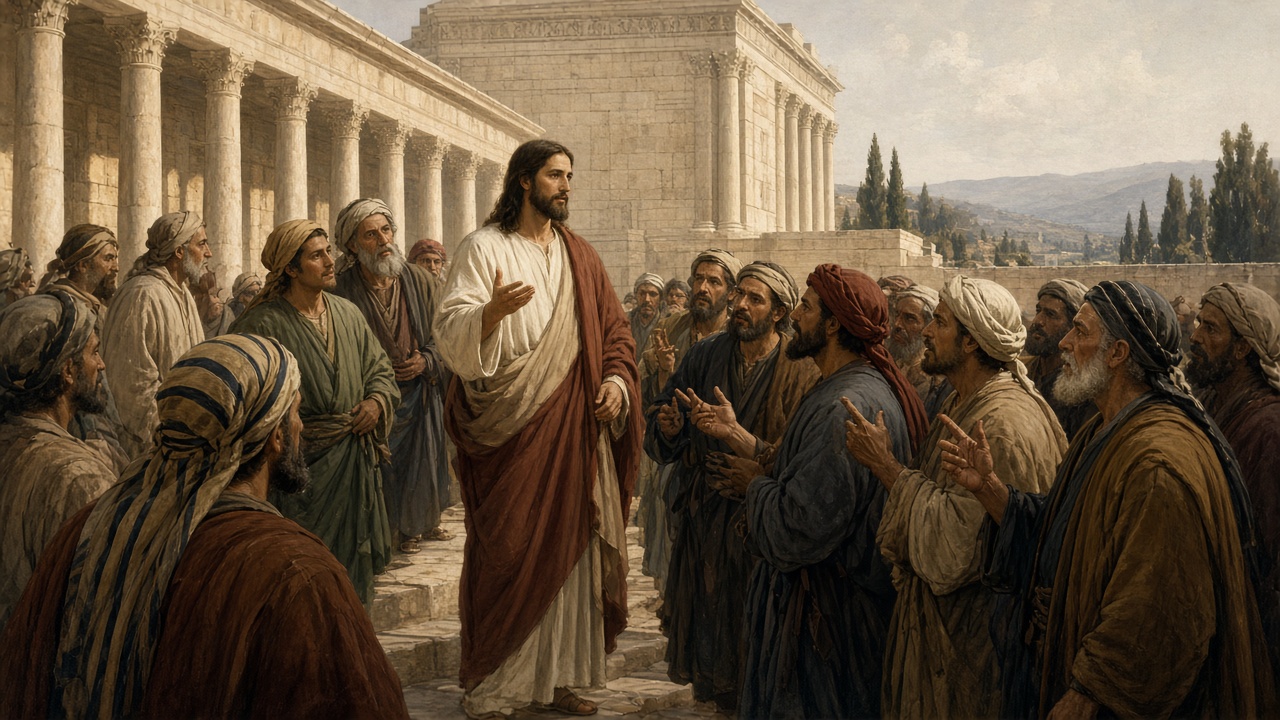
- As the Jewish Feast of Tabernacles, a seven-day feast, drew near, Jesus stayed in Galilee and avoided Judea, where people were trying to kill him. In his time Judea was the southernmost of the three Roman divisions of Palestine, distinct from Galilee and Samaria; he later went up to the feast in secret and taught in the temple courts.Sources: the Bible text itself · Feast of Tabernacles · Judea
- The crowds were divided over where the Christ would come from. Some said that Scripture places him in David's line and in Bethlehem, the village where David, the eighth and youngest son of Jesse, lived; others objected that he could not come from Galilee, a region long called Galilee of the Gentiles, and the Pharisees insisted that no prophet comes from there.Sources: the Bible text itself · David · Galilee
- Nicodemus, a Pharisee and a member of the Sanhedrin, had earlier come to Jesus at night. When the officers sent to arrest Jesus returned without him, Nicodemus protested and asked whether their law condemned a man before hearing him and finding out what he had done.Sources: the Bible text itself · Nicodemus
Notes written with AI assistance from open sources (Theographic Bible Metadata, CC BY-SA 4.0; Easton’s Bible Dictionary, public domain) and reviewed before publishing.
Places in this chapter
- Galilee · 32.760, 35.527 · verses 1, 3, 9, 41, 52
- Judea · Today: Judea 1 · 31.777, 35.234 · verses 1, 3
- Jerusalem · 31.777, 35.234 · verse 25
- Bethlehem · 31.704, 35.208 · verse 42
Only places identified with high confidence are shown (90% or more according to the scholarly sources compiled by OpenBible). Period map: DARE (Digital Atlas of the Roman Empire), CC BY 4.0; modern map: © OpenStreetMap contributors; places: OpenBible.info (CC BY 4.0).
Credits and license for this translation
Wakʉ Itekare: Emenna' Pe Ekonekan Nɨto'
New Testament in Akawaio (GY:ake:Akawaio)
copyright © 2010 Wycliffe Bible Translators, Inc.
Language: Akawaio
Translation by: Wycliffe Bible Translators, Inc.
Akawaio
ake
Guyana
Copyright Information
© 2010, Wycliffe Bible Translators, Inc. All rights reserved.
This translation text is made available to you under the
terms of the Creative Commons License: Attribution-Noncommercial-No Derivative Works.
( http://creativecommons.org/licenses/by-nc-nd/3.0/ )
In addition, you have permission to port the text to different file formats, as long as you
do not change any of the text or punctuation of the Bible.
You may share, copy, distribute, transmit, and extract portions
or quotations from this work, provided that you include the above copyright
information:
You must give Attribution to the work.
You do not sell this work for a profit.
You do not make any derivative works that change any of the actual words or punctuation of the Scriptures.
Permissions beyond the scope of this license may be
available if you contact
us with your request.
The New Testament
in Akawaio
© 2010, Wycliffe Bible Translators, Inc. All rights reserved.
This translation is made available to you under the terms of the
Creative Commons Attribution-Noncommercial-No Derivatives license 4.0.
You may share and redistribute this Bible translation or extracts from it in any format, provided that:
You include the above copyright and source information.
You do not sell this work for a profit.
You do not change any of the words or punctuation of the Scriptures.
Pictures included with Scriptures and other documents on this site are licensed just for use with those Scriptures and documents.
For other uses, please contact the respective copyright owners.
2014-04-21
Source: http://ebible.org/akeNT/ · eBible.org