John 6
Wakʉ Itekare: Emenna' Pe Ekonekan Nɨto' · Tap a verse to see its cross-references.
5,000 Kaisaron Kon Ewekʉ Sises Uya
1Serɨ pata'pʉ pe, Sises enna'po'pʉ parau ku'pɨri Kiyarari (parau ku'pɨri Taipiriyas tato' rɨ marɨ) ratoi pona. 2Anpisin uya kuru rɨ e'ma'pʉka'pʉ, apʉne pʉra ti'tuto' ipɨkɨrɨ ku'sa' iya pɨ' takuru'kena' nan pɨ'. 3Sises enuku'pʉ i'kʉrʉ pona, mɨrɨpan ereuta'pʉ tʉpoitorʉ ton pokon pe. 4To' Epoi Itɨ'pʉ Weyu Rʉ'pʉ, Esuwerʉ amʉ' nʉkupʉnʉ e'seporo esi'pʉ.
5Sises uya tenu tʉsa' a'tai, anpisin pe kuru rɨ ka'pon amʉ' uyepʉ ene'pʉ iya tekare pɨ', ta'pʉ iya Piri' pɨ', “Nai yau pʉreti enna pʉsamoro ka'pon amʉ' nɨ'ton?” ta'pʉ iya. 6(Serɨ ta'pʉ iya Piri' i'tupɨtʉ pe rɨ; tʉnkupʉnʉ pe te'sen i'tukapʉi'ma rɨ.) 7Piri' uya eikʉ'pʉ, “8 kaisaron kapʉi yau e'tʉrawasoman nɨsa' epe'pʉ uya eke pe kiyari enna pʉra rɨ iyesi mɨrɨ to' nonpa ton nʉ'kwɨ rɨ mara rɨ,” ta'pʉ iya.
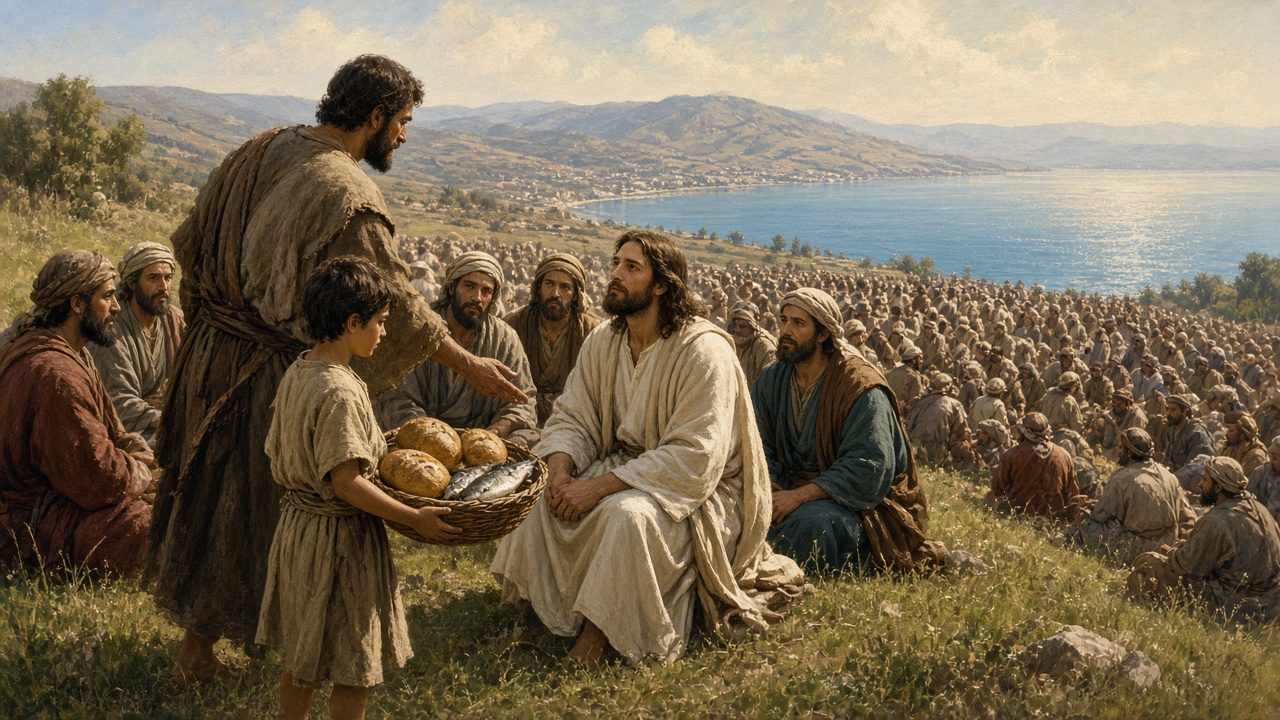
8Ipoitorʉ ton tonpa pe te'sen, Anturu, Saiman Pi'ta akon uya ta'pʉ ipɨ', 9“Mɨrɨ yau warawo' mʉre man, 5 kaisa rɨ pʉreti mɨrɨ awonsi'kɨ asa'ron kon aiko ton moro' amʉ' esi ipiyau. Mɨrɨ e'tane ɨ'rɨ pʉ'kʉ pona itɨ tu'kan kon ewekʉ pɨ'?” ta'pʉ iya.
10“Ka'pon amʉ' ereutato' pe iku'tɨ',” ta'pʉ Sises uya. (Mɨrɨ yau, wana' e'kwa pe pata esi'pʉ.) 5,000 kaisaron kon ka'pon amʉ' ereutapɨtʉ'pʉ. 11Sises uya pʉreti anʉmʉ'pʉ, mɨrɨ awonsi'kɨ tenki ta'pʉ iya, mɨrɨ awonsi'kɨ itʉpɨtʉ'pʉ iya iyereutasa' kon ka'pon amʉ' ena'. Mɨrɨ kasa rɨ marɨ moro' amʉ' kupʉ'pʉ iya.
12To' a'wetapɨ'sa' a'tai, Sises uya ta'pʉ tʉpoitorʉ ton pɨ', “Ipʉ'kʉ rʉ'pʉ ton amʉranʉ'tɨ', itonpa'pʉ uma'ta namai',” ta'pʉ iya. 13Mɨrɨ, to' uta're'tɨ'pʉ tonpa'pʉ amʉranʉkʉ'pʉ to' uya 12 kaisa rɨ pa'siki'ti amʉ' tʉpe' ke'ne. “5 kaisa rɨ pʉreti mɨrɨ awonsi'kɨ asa'rɨ moro' amʉ' esi ipiyau.”|src="CN01716B.tif" size="span" loc="JHN 6:1-13" copy="David C. Cook" ref="6:9"
14Mɨrɨ a'tai, ka'pon amʉ' serɨ eke Papa tʉrawasooi i'tuto' ipɨkɨrɨ e'kupʉ ennin nʉ'san uya ta'pʉ, “I'napai rɨ kuru rɨ pʉse rɨ esi Pu'kena' tʉuye'ton ta'pʉ ipɨ' pe,” ta'pʉ to' uya. 15Sises uya to' uya tanʉmʉ tʉmɨrɨ ta'kwarʉkai' kin pe, tukai' i'tusa' a'tai, itɨ'pʉ tikin sarɨ i'kʉrʉ pona.
Sises Usarɨ Tuna Pʉro'po
16Pata uko'mansa' a'tai, ipoitorʉ ton utɨ'pʉ parau ku'pɨri ka', 17mɨrɨpan kon ekanwa'tɨsa' utɨ'pʉ parau ku'pɨri ratoi pona Ka'paneyan winɨkʉi'. Pata ewarumankaa'pʉ, Sises uye'sa' pʉra rɨ marɨ iye'tane to' piya'. 18Pana' pe a'setun uyee'pʉ ɨsɨ pe sipa'sipa pe tuna tʉku'se. 19Ipoitorʉ ton utɨka'sa' esi'pʉ kanau yau 3 mayirʉ, 4 mayirʉ e'to' airɨ rɨ, mɨrɨ a'tai Sises uyepʉ ene'pʉ to' uya tuna pʉro'po. A'ko pe kanau piya' iyepʉ a'tai, to' etʉipɨtʉ'pʉ. 20E'tane, “Ketʉipɨ'tʉu; urɨ rɨ,” ta'pʉ Sises uya to' pɨ'. 21Mɨrɨ a'tai, to' uya ikanwa'tɨ'pʉ kanau ya', mɨrɨpan kon uya pata tʉutɨto' kon ya' eporo'pʉ inke pʉra rɨ.
Ka'pon Amʉ' Uya Sises Warinpa
22Mɨrɨ ema'sa' yau, anpisin ton parau ku'pɨri ratoi po iye'nɨnsa' kon uya tikin nan nɨken kanau utɨ'pʉ i'tu'pʉ. To' uya i'tu'pʉ Sises utɨ pʉra iyesi'pʉ kanau yau tʉpoitorʉ ton a'kɨrɨ, ipokon pe pʉra to' utɨ'pʉ. 23Tʉron nɨ ton kanau amʉ' uyee'pʉ Taipiriyas winɨpai'ne, mɨrɨpan e'te'kapɨtʉ'pʉ a'ko pe ka'pon amʉ' anpisin ton uya pʉreti ɨku'pʉ airɨ, Sises uya tenki ta tʉpo. 24Sises mɨrɨ pe pʉra ipoitorʉ ton ene tʉuya'nokon kasa pʉra, ka'pon amʉ' anpisin ton ekanwa'tɨpɨ'sa' kanau ton ya' utɨ'pʉ Ka'paneyan pona, iwarinpa pɨ'.
Sises Uko'man Nɨto' A're'
25Ka'pon amʉ' uya Sises eposa' a'tai parau ku'pɨri ratoi po, ta'pʉ to' uya ipɨ', “Rapai, ɨ'rɨ a'tai serɨ ya' ɨuyee'pʉ?” ta'pʉ to' uya.
26Sises uya to' eikʉ'pʉ, “I'napairon ekama uya ɨpɨ'nokon; uwarinpa auya'nokon, apʉne pʉra eke pe rɨ pʉreti ɨ'sa' auya'nokon pɨ' i'se ɨwe'to' kon awɨrɨ rɨ, ui'tuto' ipɨkɨrɨ ku'sa' uya to'ka'nʉ'sa' auya'nokon pɨ' pen nɨ. 27Aka'nero' rɨ kiyari pɨ' ke'tʉrawasomatʉu; e'tʉrawasomatɨ' tɨwɨrɨ rɨ ɨuko'manto' kon pe ɨku'nin kon kiyari pɨ'. Serɨ kiyari ke Ka'pon, Papa winon uya ɨrepa kon mɨrɨ. Papa, ikʉipʉnʉ uya enpoikasa' ɨyena'nokon urɨ piyau meruntɨ esi,” ta'pʉ Sises uya.
28Mɨrɨpan kon uya ekama'po'pʉ, “Ɨ'rɨ kuru ken kupʉ ina uya, Papa tʉrawasooi kupʉ pe ta auya?” ta'pʉ to' uya.
29Sises uya to' eikʉ'pʉ, “Se serɨ Papa tʉrawasooi ikupʉ auya'nokon i'se iye'to'; inennoko'pʉ apurɨtɨ',” ta'pʉ iya.
30To' uya eikʉ'pʉ, “Ɨ'rɨ eke Papa tʉrawasooi ɨi'tuto' ipɨkɨrɨ kupʉ auya ina nenton, ina uya ayapurɨto' pe? Ɨ'rɨ kupʉ auya? 31Utamokori kon uya mana tato' ɨ'pɨtʉ'pʉ rɨmono' tau, itekare iye'menukasa' nekamayai'ne', ‘To' nɨ'ton pʉreti ke to' repapɨtʉ'pʉ iya Epʉn poi,’ tukai',” ta'pʉ to' uya.
32“I'napairon ekama uya ɨpɨ'nokon; Mosi' uya ɨrepa'pʉ kon na'ne' ike esi'pʉ Epʉn poino pen nɨ; ukʉipʉnʉ nin kʉrɨ rɨ i'napairon Epʉn poino pʉreti ke ɨrepanin kon. 33Pʉreti, Papa nʉtʉrʉnʉ nin kʉrɨ rɨ Epʉn poi iu'tɨsa' pata repanin uko'man nɨto' ke,” ta'pʉ Sises uya.
34“Itepuru, tɨwɨrɨ rɨ ken si serɨ pʉreti ke ina irepapɨ'kɨ,” ta'pʉ to' uya ipɨ'.
35“Urɨ rɨ esi uko'man nɨto' a're' pe; kʉrɨ upiya' nʉye'ai'ne' e'to' oton pen nɨ iwan pe; kʉrɨ uyapurɨ pɨ' na'ne' e'to' oton pen nɨ tuna'kiri' ke. 36Sekamai ko ɨpɨ'nokon; uyenka'sa' auya'nokon e'tane uyapurɨ auya'nokon pen nɨ. 37Tanporon kon ukʉipʉnʉ urepayai'ne' ike ton uyepʉ mɨrɨ upiya'; ɨnʉ' rɨ upiya' tʉuye'sen nurunpa uya pʉra rɨ iyesi, 38apʉne pʉra uye'sa' serɨ Epʉn poi uyenno'nin nʉ'pʉ eseru ku'se'na, uyeseru ku'se'na pen. 39Kʉrɨ uyenno'nin nʉ'pʉ esi se kupʉ uya i'se; kamo urepa'pʉ iya ike ton nonka uya i'se pʉra iyesi, e'tane tanporo to' i'mʉ'sa'kato' pe uya pata weyu u'ma'sa' a'tai. 40Ukʉipʉnʉ eseru esi tanporon kon imu ennin nʉ'san mɨrɨ awonsi'kɨ apurɨnin nʉ'san uya tɨwɨrɨ rɨ uko'man nɨto' epoto' pe; to' i'mʉ'sa'kato' pe uya pata weyu u'ma'sa' a'tai,” ta'pʉ iya.
41Esuwerʉ amʉ' e'sara'tɨ'pʉ ipɨ' entarun nɨ pɨ', apʉne pʉra, “Urɨ kʉrɨ rɨ pʉreti Epʉn poi iu'tɨsa',” ta iya pɨ'. 42Mɨrɨpan kon uya, “Sises sa'ne pʉse rɨ ko, Isose' mu, pen pe'? Ikʉipʉnʉ mɨrɨ awonsi'kɨ isan uni'tunʉ kon. Nai kasa, ‘Epʉn poi u'tɨsa',’ ta iya nin si?” ta'pʉ to' uya.
43Sises uya to' eikʉ'pʉ, “Ɨyentarunto' kon e'paka'nʉ'tɨ'. 44Ɨnʉ' rɨ uyepʉ pʉra iyesi mɨrɨ upiya' ikʉipʉnʉ, uyenno'nin nʉ'pʉ uya rɨken ikɨ'ma a'tai upiya' iyepʉ rɨ; mɨrɨpan i'mʉ'sa'kato' uya oton pata weyu u'ma'sa' a'tai. 45Pu'kena' amʉ' uya imenukasa', ‘Tanporon kon nɨ ka'pon amʉ' enupato' oton Papa uya,’ tawon. Mɨrɨ pɨ', tanporon kon ikʉipʉnʉ maimu etanin nan mɨrɨ awonsi'kɨ iwinɨ tʉusenupasan uyepʉ upiya'. 46Serɨ uya, ɨnʉ' uya rɨ ikʉipʉnʉ ene'pʉ ta pen; kʉrɨ Papa winon uya rɨken ikʉipʉnʉ ene'pʉ. 47I'napairon ekama uya ɨpɨ'nokon; kʉrɨ apurɨpɨ' na'ne' uya tɨwɨrɨ rɨ uko'man nɨto' eposa'. 48Uko'man nɨto' a're' pʉreti pe esi. 49Atamokori kon amʉ' uya mana tato' ɨ'pɨtʉ'pʉ rɨmono' tau, e'tane to' eri'pɨtʉ'pʉ. 50E'tane serɨ nin si pʉreti Epʉn poi iu'tɨsa'; ɨnʉ' rɨ ɨ'nin nʉ'pʉ erikʉ pen nɨ nin. 51To'panʉ'nin pʉreti pe esi, Epʉn poi iu'tɨsa'. Ɨnʉ' uya rɨ serɨ pʉreti ɨ'sa' yau, iko'manto' oton nɨ tɨwɨrɨ rɨ. Pʉreti serɨ upun, untʉton pata uya uko'man nɨto' epoto' pe,” ta'pʉ iya.
52Serɨ uya ɨsɨ pe Esuwerʉ amʉ' e'sei'pɨtʉ tiwano' kon pe sara'tɨ'pʉ. “Nai kasa tʉpun ke uya're'tɨ iya 'nokon?” ta'pʉ to' uya.
53Sises uya to' eikʉ'pʉ, “I'napairon ekama uya ɨpɨ'nokon; Ka'pon, Papa winon pun pɨ' auta're'tɨsa' kon pʉra iyesi yau, imʉnʉ rɨ ensisa' auya'nokon pʉra iyesi yau, uko'man nɨto' pʉra rɨ iyesi mɨrɨ ayau'nokon. 54Ɨnʉ' rɨ upun pɨ' tʉuta're'tɨsen, umʉnʉ ensinin uya tɨwɨrɨ rɨ uko'man nɨto' eposa' mɨrɨ, mɨrɨpan i'mʉ'sa'kato' uya oton pata weyu u'ma'sa' a'tai. 55Upun esi pɨ' i'napairon kuru kiyari pe, umʉnʉ nɨrɨ i'napairon tensisen pe. 56Upun pɨ' tʉuta're'tɨsen nɨ, umʉnʉ ensinin nɨ uko'mamʉ mɨrɨ uyau, iyau nɨrɨ uko'mamʉ. 57Tʉuko'mansen ikʉipʉnʉ uya uyenno'sa', kʉrɨ rɨ uriya' uko'mamʉ rɨ marɨ. Mɨrɨ kasa rɨ, upɨ' tʉuta're'tɨsen uko'mamʉ mɨrɨ urɨ uriya'. 58Se si esi pʉreti Epʉn poi iu'tɨsa'. Ɨku tʉpo atamokori kon amʉ' erikʉ'pʉ na'ne' waraino pen. Kʉrɨ serɨ ɨ'nin uko'manto' oton tɨwɨrɨ rɨ,” ta'pʉ Sises uya. 59Sises uya serɨ ta'pʉ Esuwerʉ amʉ' usenupato' iwʉ' tau to' enupa tʉuya a'tai Ka'paneyan po.
Tu'kan Kon Iya'kɨron Kon Uya Sises Nɨmɨ
60Serɨ etasa' tʉuya'nokon a'tai, tu'kan kon ipoitorʉ ton uya, “Sa'man pe kuru se usenupan nɨto' man. Ɨnʉ' uya rɨ serɨ anʉmʉ?” ta'pʉ.
61Ɨnʉ' uya tʉpana'tɨi' pʉra rɨ, Sises uya tʉpoitorʉ ton entarumʉ serɨ pɨ' i'tusa' esi'pʉ, mɨrɨpan uya ta'pʉ to' pɨ', “E'nonkapai na'kɨ serɨ ɨku'atʉu? 62Ɨ'rɨ pe iyesi Ka'pon, Papa winon enuku ene auya'nokon a'tai wapiya tesi'pʉ ya'? 63Papa A'kwarʉ uya uko'man nɨto' tʉrʉ; se pe rɨ nin ka'pon meruntɨrʉ esi mɨrɨ. Main ton ayauro'kasa' uya 'nokon na'ne' ike esi, a'kwarʉ wannɨ mɨrɨ awonsi'kɨ uko'man nɨto' ku'nin. 64Mɨrɨ e'tane moro man ɨtonpa kon amʉ' apurɨnin nan pen,” ta'pʉ iya. Sises uya i'tusa' esi'pʉ iyepiya'tɨ'pʉ si'kɨrɨ, apurɨnin nan pen mɨrɨ awonsi'kɨ teparanka ton. 65Mɨrɨpan uya ta'pʉ, “Serɨ pɨ' sa'ne si kanyauro'kata'tʉi ko: ɨnʉ' rɨ uyepʉ pʉra iyesi upiya' ikʉipʉnʉ uya rɨken iye'ku'to' pe iku'sa' a'tai iyepʉ,” ta'pʉ iya.
66Mɨrɨ wʉi awonsi'kɨ, tu'kan kon nɨ ipɨkɨrɨ tʉutɨsan enna'po'pʉ, iya'kɨrɨ to' utɨ pʉra.
67Mɨrɨpan pɨ' Sises uya ta'pʉ 12 kaisaron kon tʉpoitorʉ ton pɨ', “Ɨmɨrɨ'nokon si, e'nonkapai rɨ marɨ na'kɨ me'atʉu?” ta'pʉ iya to' pɨ'.
68Saiman Pi'ta uya eikʉ'pʉ, “Uyepuru, ɨnʉ' piya' nɨrɨ ina utɨ? Ɨpiyau sa'ne Main esi mɨrɨ ko, tɨwɨrɨ rɨ uko'man nɨto' pe ku'nin. 69Ina uya i'tu mɨrɨ awonsi'kɨ ina uya apurɨ ɨmɨrɨ esi Wakʉ, Papa iwano',” ta'pʉ iya.
70Sises uya eikʉ'pʉ, “12 kaisaron kon pe' ɨmɨrɨ'nokon anʉnnin nʉ'pʉ pen urɨ? Mɨrɨ e'tane, ɨtonpa kon esi makoi pe!” ta'pʉ iya. 71(Isutas pɨ' isaurokʉ'pʉ, Saiman Eskariya' mu pɨ'. 12 kaisaron kon tonpa pe rɨ esii'ma, Isutas uya teparankato' oton pɨ'.) Sises uya serɨ ta'pʉ Esuwerʉ amʉ' usenupato' iwʉ' tau to' enupa tʉuya a'tai Ka'paneyan po.|src="CN01678B.tif" size="span" loc="JHN 6:25-71" copy="David.C. Cook" ref="6:59"
Did you know?
The Bread of Life
- In this chapter John calls the lake both the Sea of Galilee and the Sea of Tiberias. Easton's Bible Dictionary describes it as twelve and a half miles long and from four to seven and a half miles wide, with its surface 682 feet below the Mediterranean. Tiberias, on the western shore, is said to have been founded by Herod Antipas in A.D. 16 and named for the emperor Tiberius; some boats from that city landed near the place where the people had eaten the bread.Sources: the Bible text itself · Sea of Galilee · Tiberias
- That evening the disciples set out by boat for Capernaum, and the next day the crowd crossed and found Jesus there. He delivered the teaching about the bread of life in the synagogue at Capernaum. Easton's Bible Dictionary notes that the city, not mentioned in the Old Testament, became Jesus' own city after his expulsion from Nazareth and was the scene of many episodes in his ministry.Sources: the Bible text itself · Capernaum
- As the crowd drew near, Jesus asked Philip where they could buy bread, a question the narrative says was meant to test him, for Jesus already knew what he would do. Philip, like Andrew and Peter, was from Bethsaida; he answered that two hundred denarii would not buy enough for each person to have a small piece. Andrew, Peter's brother, then pointed out a boy with five barley loaves and two small fish, and Easton's Bible Dictionary, citing this exchange among other passages, says Philip seems to have held a prominent place among the apostles.Sources: the Bible text itself · Phillip the Apostle · Andrew · Simon Peter
Notes written with AI assistance from open sources (Theographic Bible Metadata, CC BY-SA 4.0; Easton’s Bible Dictionary, public domain) and reviewed before publishing.
Places in this chapter
Only places identified with high confidence are shown (90% or more according to the scholarly sources compiled by OpenBible). Period map: DARE (Digital Atlas of the Roman Empire), CC BY 4.0; modern map: © OpenStreetMap contributors; places: OpenBible.info (CC BY 4.0).
Credits and license for this translation
Wakʉ Itekare: Emenna' Pe Ekonekan Nɨto'
New Testament in Akawaio (GY:ake:Akawaio)
copyright © 2010 Wycliffe Bible Translators, Inc.
Language: Akawaio
Translation by: Wycliffe Bible Translators, Inc.
Akawaio
ake
Guyana
Copyright Information
© 2010, Wycliffe Bible Translators, Inc. All rights reserved.
This translation text is made available to you under the
terms of the Creative Commons License: Attribution-Noncommercial-No Derivative Works.
( http://creativecommons.org/licenses/by-nc-nd/3.0/ )
In addition, you have permission to port the text to different file formats, as long as you
do not change any of the text or punctuation of the Bible.
You may share, copy, distribute, transmit, and extract portions
or quotations from this work, provided that you include the above copyright
information:
You must give Attribution to the work.
You do not sell this work for a profit.
You do not make any derivative works that change any of the actual words or punctuation of the Scriptures.
Permissions beyond the scope of this license may be
available if you contact
us with your request.
The New Testament
in Akawaio
© 2010, Wycliffe Bible Translators, Inc. All rights reserved.
This translation is made available to you under the terms of the
Creative Commons Attribution-Noncommercial-No Derivatives license 4.0.
You may share and redistribute this Bible translation or extracts from it in any format, provided that:
You include the above copyright and source information.
You do not sell this work for a profit.
You do not change any of the words or punctuation of the Scriptures.
Pictures included with Scriptures and other documents on this site are licensed just for use with those Scriptures and documents.
For other uses, please contact the respective copyright owners.
2014-04-21
Source: http://ebible.org/akeNT/ · eBible.org