Acts 5
Wakʉ Itekare: Emenna' Pe Ekonekan Nɨto' · Tap a verse to see its cross-references.
Ananayas, Ino'pʉ Sa'paira
1Ananayas, ino'pʉ Sa'paira uya kanan tʉnono kon kʉrʉpo'poma'pʉ. 2Itepe'pʉ tonpa'ka'pʉ to' uya tʉno'pʉ ya' rɨ esii'ma tiwano' kon pe iye'to' pe, mɨrɨpan tonpa'pʉ nee'pʉ iya enno'sa' kon ena'. 3Mɨrɨ a'tai, Pi'ta uya ta'pʉ, “Ananayas, ɨ'rɨ pe iyesi pɨ' ɨri rɨ Se'tan ewonsa' ɨyewan ya', kasi pe rɨ Wakʉ A'kwarʉ enku'tɨ pa, mɨrɨ awonsi'kɨ itonpa rɨ kupʉ'pʉ esii'ma ɨpiyau? 4Ikʉrʉpo'poma auya wapiya pe' ɨiwano' pe iyesi'pʉ pen mɨrɨ? Mɨrɨ awonsi'kɨ ikʉrʉpo'poma tʉpo, itepe'pʉ esi'pʉ ɨiwano' pe pen nɨ pe' mɨrɨ? Ɨ'rɨ pe iyesi pɨ' tʉku'sen pen nɨ kupʉ'pʉ auya? Ka'pon amʉ' pɨ' pe' kasi pe ɨwe'sa' pe ekama auya e'tane, kasi pe ɨwe'sa' Papa pɨ',” ta'pʉ iya. 5Serɨ etasa' tʉuya a'tai, Ananayas uta'mo'ka'pʉ eke' pe, mɨrɨ awonsi'kɨ ipan pe rɨ serɨ etanin nʉ'san enari'nʉmʉ'pʉ iye'ku'sa' rʉ'pʉ pɨ'. 6Mɨrɨ tʉpo, moine ton warawo' amʉ' uyee'pʉ itekepu ontɨse'na, mɨrɨpan enpa'ka'pʉ to' uya iu'na'tɨto' pe tʉuya'nokon.
7Osorʉwau ite'kwa kʉra' emiya era'tɨsa' tʉpo'ne rɨ, ino'pʉ uyee'pʉ, ɨ'rɨ e'ku'sa' tukai' i'tu iya pʉra iyesi'pʉ. 8Pi'ta uya ekama'po'pʉ, “Serɨ rɨken pe' Ananayas ya' ɨnono kon epe'pʉ pe ɨneporo'pʉ kon?” ta'pʉ iya.
“Ewai', mɨrɨ rɨken itepe'pʉ,” ta'pʉ iya.
9Pi'ta uya ta'pʉ ipɨ', “Ɨ'rɨ pe iyesi pɨ' Itepuru A'kwarʉ i'tupɨtʉ kon pa ɨyekoneka'pʉ kon?” ta'pʉ iya. “Apʉne enkɨ, ataan'pʉ u'na'tɨnin nʉ'san nɨ marɨ esi moro mʉra'ta nau, mɨrɨ awonsi'kɨ to' uya rɨ marɨ ɨyenpa'ka mɨrɨ,” ta'pʉ iya. 10Mɨrɨ a'tai rɨ, ipiyau ita'mo'ka'pʉ eke' pe, mɨrɨpan moine ton warawo' amʉ' ewomʉ'pʉ itekepu ekare pɨ'. Itekepu arɨ'pʉ to' uya iu'na'tɨto' pe itaan'pʉ piyau rɨ. 11Mɨrɨ pɨ', ipan pe rɨ Sises apurɨnin nan mɨrɨ awonsi'kɨ tanporon kon serɨ etanin nʉ'san enari'nʉmʉ'pʉ.
Enno'sa' Kon Uya E'ne' Ton Epi'tɨ'pʉ
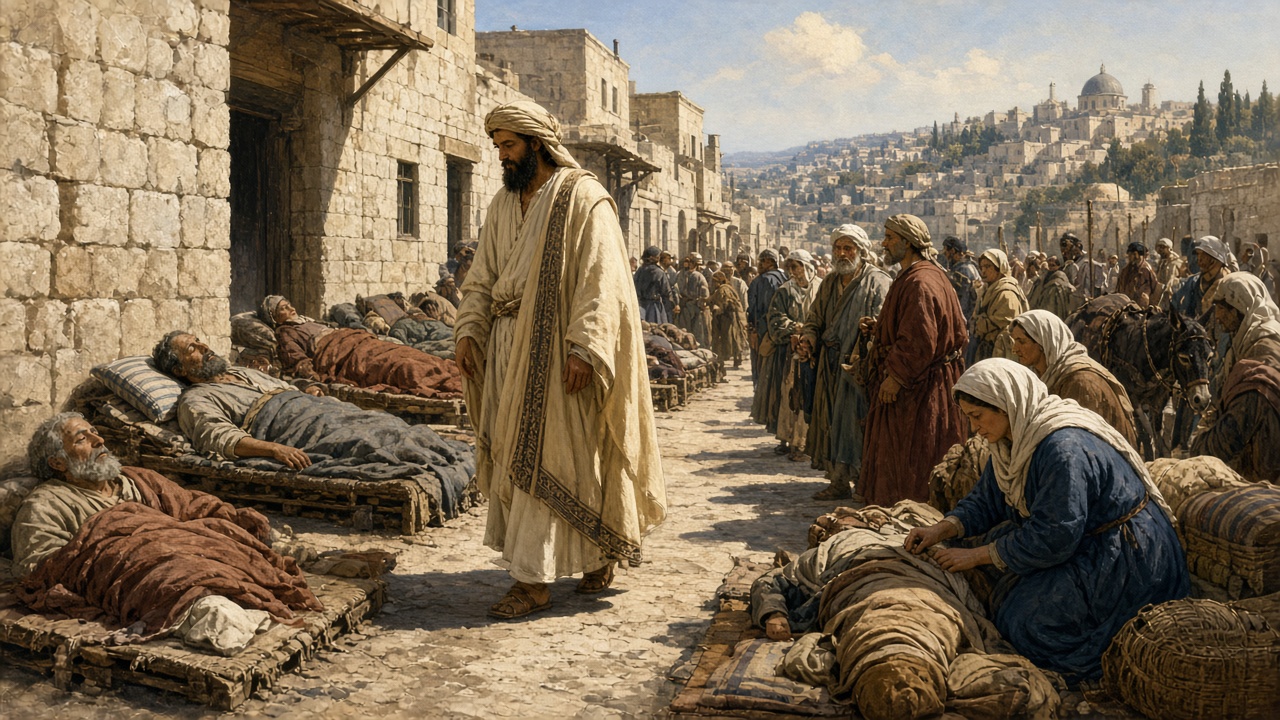
12Enno'sa' kon uya tu'kan nɨ i'tuto' ipɨkɨrɨ mɨrɨ awonsi'kɨ a'kwarʉpɨ'nin kupʉ'pʉ ka'pon amʉ' koro'tau, mɨrɨ awonsi'kɨ tanporon kon Sises apurɨnin nan pe te'san esi'pʉ pʉroroi po, Saraman Epa'kato' Iya' tato' tau. 13Tanporon kon nɨ esi'pʉ ɨpiyɨ'ke' pe to' koro'ta' enapai pʉra, ka'pon amʉ' uya ipan pe rɨ to' nama tane. 14Mɨrɨ koro'tau rɨ, tu'kan kon warawoti'si amʉ' mɨrɨ awonsi'kɨ uri'sami'si amʉ' uya rɨ Itepuru apurɨ'pʉ, mɨrɨ awonsi'kɨ to' tonpa pe to' era'tɨ'pʉ. 15Mɨrɨ pe iyesi pɨ', ka'pon amʉ' uya e'ne' ton nepʉ'pʉ, asanta ta' to' nonka'pʉ to' uya to' e'kwe' po'ne to' apon po'ne rɨ, Pi'ta utɨ a'kwarʉ'pʉ uya rɨ to' epi'tɨto' pe. 16Anpisin ka'pon amʉ' Surusiran woi tʉuko'mansan uya e'ne' ton, makoi a'kwarʉ yen ton nɨ nee'pʉ, mɨrɨpan kon usepi'tɨ'pʉ.
Enno'sa' Kon Ekota'ma'pʉ
17Mɨrɨpan Papa ena' use'man nɨto' tʉrawasomanin nan epuru mɨrɨ awonsi'kɨ tanporon kon iya'kɨrɨ te'san Satu'si amʉ' tonpa ton ɨkɨntato' esi'pʉ ipan pe to' pɨ'. 18To' uya enno'sa' kon a'si'pʉ, mɨrɨpan kon uya to' tʉrʉ'pʉ pariki'si ta'. 19E'tane ewarupɨ nau, Papa inserʉʉi uya pariki'si mʉra'taai a'koka'pʉ, mɨrɨpan uya to' enpa'ka'pʉ. 20“Esuwerʉ amʉ' use'mato', ɨpʉremato' iwʉ' ta' entantɨ', ka'pon amʉ' pɨ' tanporo serɨ main ekamatantɨ' emenna' pe uko'man nɨto' ekareei,” ta'pʉ iya. 21Pata ema'sa' a'tai, to' ewomʉ'pʉ Esuwerʉ amʉ' use'mato', ɨpʉremato' iwʉ' ta' tauro'ka'pʉ kon awɨrɨ rɨ, mɨrɨ awonsi'kɨ to' e'sara'tɨ'pʉ ka'pon amʉ' enupa pɨ'.
Papa ena' use'man nɨto' tʉrawasomanin nan epuru mɨrɨ awonsi'kɨ itonpa ton uye'sa' a'tai, Esuwerʉ amʉ' Konsʉrʉʉi ton kɨ'ma'pʉ to' uya—tanporo Esuwerʉ amʉ' epuru ton—to' amʉrato' pe. To' uya Esuwerʉ amʉ' use'mato', ɨpʉremato' iwʉ' erasu pe te'san ennoko'pʉ pariki'si ta' a'sisa' rʉ'san enpa'kase'na. 22E'tane to' utɨsa' pariki'si ta' a'tai, to' eporo to' uya pʉra iyesi'pʉ. Mɨrɨ pɨ' to' enna'po'pʉ ɨsekamase'na, 23“A'kopɨ'sa' pe kuru rɨ pariki'si eporo'pʉ ina uya iterasu ton nɨ e'soto'pɨ'sa' esi'pʉ mʉra'ta nau, e'tane ina uya a'kokasa' a'tai, ɨnʉ' pʉra iyesi'pʉ itau,” ta'pʉ to' uya. 24Serɨ tawon eta tʉuya a'tai, Esuwerʉ amʉ' use'mato', ɨpʉremato' erasu ton epuru mɨrɨ awonsi'kɨ Esuwerʉ amʉ' use'mato', ɨpʉremato' epuru ton usenu'mere'ma'pʉ mɨrɨ, “Ɨ'rɨ rɨ si e'kupʉ'pʉ serɨ ko? Ɨ'rɨ pe to' esi'pʉ?” tukai'.
25Mɨrɨpan e'tane, ka'pon uyee'pʉ, “Apʉne entɨ', pariki'si ta' ana'si'pʉ kon amʉ' e'soto'pɨ'sa' use'man nɨto', ɨpʉreman nɨto' iwʉ' tau ka'pon amʉ' enupa pɨ',” tase'na. 26Mɨrɨ a'tai rɨ, erasu ton epuru utɨ'pʉ tʉtonpa ton pokon pe enno'sa' kon ne'se'na. To' ta'kwarʉkai' to' ɨnne'pai pʉra to' esi'pʉ, apʉne pʉra ka'pon amʉ' uya tʉwɨnɨ kon tɨ' ke tukai' to' usenari'pa'pʉ.
27Enno'sa' kon nepʉ'pʉ to' uya Esuwerʉ amʉ' Konsʉrʉʉi ton piya', Papa ena' use'man nɨto' tʉrawasomanin nan epuru uya to' ekama'popɨ'to' pe. 28“E'se'ne' pe ina uya ta'pʉ ɨpɨ'nokon, ‘Sises ese' pɨ' ka'pon amʉ' kʉsenupatʉu,’ ta'pʉ e'tane rɨ, pata Surusiran emʉ' wɨsa' auya'nokon enupan nɨto' auya'nokon ike ke mɨrɨ awonsi'kɨ tʉmakooi ke ina esi pʉse rɨ mʉnʉ uriya' ta auya'nokon,” ta'pʉ iya.
29Pi'ta mɨrɨ awonsi'kɨ itonpa ton uya imaimu eikʉ'pʉ, “Papa Maimu awɨrɨ ina e'to' pe iyesi, ka'pon maimu awɨrɨ pen. 30Papa, ina tamokori ton e'to' itese' pɨ', Sises i'mʉ'sa'kanin nʉ'pʉ iyeri'sa' apai ɨnwɨnɨ'pʉ kon tʉpokapɨ'se yʉi pona. 31Papa uya i'mʉ'sa'kasa' tenwo'netʉ winɨ, iku'sa' iya esa' wannɨ pe mɨrɨ awonsi'kɨ pika'tɨnin pe, Esuwerʉ amʉ' ra'tɨnin pe, to' makooi pɨ' isentu'ma ke. 32Serɨ e'kupʉ ennin nʉ'san ina, Wakʉ A'kwarʉ uya rɨ nɨrɨ ene'pʉ, Papa nʉtʉrʉ'pʉ tʉmaimu awɨron kon ena',” ta'pʉ to' uya.
33Serɨ eta tʉuya'nokon a'tai, ipan pe rɨ to' usakorota'pʉ, mɨrɨ awonsi'kɨ to' rɨ ɨnwɨpai to' ena'pʉ, 34e'tane Pari'si, Main pɨ' enupanin nan tonpa, Kamariyerʉ itese', ka'pon amʉ' nʉnamanʉ rɨ e'soto'ka'pʉ to' piya', “Apʉne rʉ'kwɨ, kamoro warawo' amʉ' enpa'katɨ' aka'ne' pe,” ka'se'na. 35Mɨrɨpan uya to' auro'ka'pʉ, “Esuwerʉ amʉ', ɨnkupʉnʉ kon ti'tui' e'tɨ' pʉsamoro ka'pon amʉ' pɨ'. 36Pena sa'ne Tiyotas itese' ka'pon esi'pʉ ɨnʉ' pe rɨ e'kupʉ i'se. Tu'kan kon nɨ ka'pon amʉ', 400 kaisaron kon era'tɨ'pʉ ipoitorʉ pe. Iwɨnɨ'pʉ to' uya, mɨrɨpan poitorʉ ton nʉ'san e'ta'nʉkʉ'pʉ, mɨrɨ awonsi'kɨ ɨ'rɨ pʉra rɨ iyesi'pʉ. 37Kʉrɨ rɨ e'ma'pʉ ta', Isutas, Kiyarari ko' kanan esi'pʉ, ka'pon amʉ' ese' menukapɨ'to' a'tai, mɨrɨ awonsi'kɨ ka'pon amʉ' kanan anin pe iyesi'pʉ. Kʉrɨ rɨ kanan wɨnɨ'pʉ to' uya, mɨrɨpan poitorʉ rʉ'san e'ta'nʉkʉ'pʉ. 38Mɨrɨ pe iyesi pɨ', serɨ pe na'ne' pɨ' kapai e'ai' ɨpɨ'nokon: tɨwɨ pʉsamoro warawo' amʉ' nesii; tɨwɨ to' nʉtɨi. Serɨ te'ku'sen esi a'tai ka'pon eseru pe, iye'kupʉ pʉra iyesi mɨrɨ. 39E'tane Papa winon pe iyesi a'tai, ɨnʉ' uya rɨ pʉsamoro ereutanʉkʉ pʉra rɨ iyesi. Papa ewa'noma auya'nokon pe rɨ iye'to' oton,” ta'pʉ iya.
40Serɨ ta iya pɨ', “Ewai' rɨ ka'wa,” ta'pʉ to' uya. Enno'sa' kon kɨ'ma'pʉ to' uya, mɨrɨpan kon ari'po'pɨtʉ'pʉ to' uya, mɨrɨpan kon uya ta'pʉ to' pɨ', “Sises ese' yau kasauro'tʉu serɨ tʉpo,” ta'pʉ to' uya. To' utɨto' pe to' nonka'pʉ to' uya. 41Enno'sa' kon utɨ'pʉ Esuwerʉ amʉ' Konsʉrʉʉi ton piyapai. Pori' pe to' esi'pʉ, apʉne pʉra Papa pona wakʉ pe rɨ iyesi pɨ' to' ekota'ma Sises ese' wenai. 42Mɨrɨ awonsi'kɨ wʉi kaisarɨ rɨ Esuwerʉ amʉ' use'mato', ɨpʉremato' iwʉ' tau, ka'pon amʉ' iwʉ' tau'ne tereutai' pʉra rɨ, Sises pɨ' to' enupa pɨ' to' esi'pʉ, wakʉ itekare ekama pɨ' to' esi'pʉ, Sises esi Papa Nanʉmʉ'pʉ, tukai'.
Did you know?
Deceit, wonders, and the Sanhedrin
- Ananias, a member of the Jerusalem church, and his wife Sapphira, whose name means beautiful, sold a piece of land and, with her knowledge, kept back part of the price while bringing the rest to the apostles. He could have kept the property; Peter reminded him that it remained at his disposal both before and after the sale. The wrong was the lie: he professed to give it all, Sapphira confirmed the false price, and both died, she sharing his guilt and his punishment.Sources: Ananias (Husband of Sapphira) · Sapphira · the Bible text itself
- The believers gathered with one accord in Solomon’s Colonnade, where the apostles performed many signs and wonders. That colonnade probably stood on the eastern side of the temple. It is not mentioned in connection with the first temple, though Josephus refers to a porch of that name in Herod’s temple.Sources: Solomon's Portico · the Bible text itself
- When the high priest and his associates, who belonged to the party of the Sadducees, had the apostles arrested, a Pharisee named Gamaliel stood up in the Sanhedrin. He is described as a teacher of the law honored by all the people, the son of Rabbi Simeon and grandson of the famous Rabbi Hillel, and as an opponent of the Sadducees; he urged the council to leave the men alone. He pointed to Theudas, who had led an insurrection against Roman authority and, as Gamaliel told it, gathered about four hundred men before the rising came to nothing—beyond that, nothing else is known of Theudas—and to Judas the Galilean, who perished in the days of the census.Sources: Gamaliel · Theudas · the Bible text itself
Notes written with AI assistance from open sources (Theographic Bible Metadata, CC BY-SA 4.0; Easton’s Bible Dictionary, public domain) and reviewed before publishing.
Places in this chapter
- Solomon’s Portico · Today: in Jerusalem · 31.777, 35.234 · verse 12
- Jerusalem · 31.777, 35.234 · verses 16, 28
- Galilee · 32.760, 35.527 · verse 37
Only places identified with high confidence are shown (90% or more according to the scholarly sources compiled by OpenBible). Period map: DARE (Digital Atlas of the Roman Empire), CC BY 4.0; modern map: © OpenStreetMap contributors; places: OpenBible.info (CC BY 4.0).
Credits and license for this translation
Wakʉ Itekare: Emenna' Pe Ekonekan Nɨto'
New Testament in Akawaio (GY:ake:Akawaio)
copyright © 2010 Wycliffe Bible Translators, Inc.
Language: Akawaio
Translation by: Wycliffe Bible Translators, Inc.
Akawaio
ake
Guyana
Copyright Information
© 2010, Wycliffe Bible Translators, Inc. All rights reserved.
This translation text is made available to you under the
terms of the Creative Commons License: Attribution-Noncommercial-No Derivative Works.
( http://creativecommons.org/licenses/by-nc-nd/3.0/ )
In addition, you have permission to port the text to different file formats, as long as you
do not change any of the text or punctuation of the Bible.
You may share, copy, distribute, transmit, and extract portions
or quotations from this work, provided that you include the above copyright
information:
You must give Attribution to the work.
You do not sell this work for a profit.
You do not make any derivative works that change any of the actual words or punctuation of the Scriptures.
Permissions beyond the scope of this license may be
available if you contact
us with your request.
The New Testament
in Akawaio
© 2010, Wycliffe Bible Translators, Inc. All rights reserved.
This translation is made available to you under the terms of the
Creative Commons Attribution-Noncommercial-No Derivatives license 4.0.
You may share and redistribute this Bible translation or extracts from it in any format, provided that:
You include the above copyright and source information.
You do not sell this work for a profit.
You do not change any of the words or punctuation of the Scriptures.
Pictures included with Scriptures and other documents on this site are licensed just for use with those Scriptures and documents.
For other uses, please contact the respective copyright owners.
2014-04-21
Source: http://ebible.org/akeNT/ · eBible.org