Acts 4
Wakʉ Itekare: Emenna' Pe Ekonekan Nɨto' · Tap a verse to see its cross-references.
Pi'ta Mɨrɨ Awonsi'kɨ Isaan Esi'pʉ Konsʉrʉ Amʉ' Piyau
1Papa ena' use'man nɨto' tʉrawasomanin nan, Esuwerʉ amʉ' use'mato', ɨpʉremato' iwʉ' erasu ton epuru, mɨrɨ awonsi'kɨ Satu'si amʉ' uyee'pʉ, Pi'ta mɨrɨ awonsi'kɨ Isaan pokon nɨ marɨ usaurokʉ koro'tau. 2Mɨrɨ a'tai, to' usakorota'pʉ se kasa iyesi pɨ', asa'ron kon enno'sa' kon uya ka'pon amʉ' enupa esi'pʉ Sises e'mʉ'sa'ka'pʉ pɨ' teri'sa' apai. Serɨ enta', iyeri'sa' kon e'mʉ'sa'ka ekamanin pe. 3Pi'ta mɨrɨ awonsi'kɨ Isaan a'si'pʉ to' uya pariki'si ta'; pata uko'mansa' pɨ', tʉron nɨ wʉi emakʉ pʉ'kʉ pona rɨ. 4E'tane tu'kan kon ka'pon amʉ' uya itekare etaka'sa' esi'pʉ, mɨrɨpan kon uya apurɨ'pʉ, mɨrɨpan kon e'tonpa'tɨsa' esi'pʉ 5,000 kaisa rɨ.
5Mɨrɨ ema'sa' yau, Esuwerʉ amʉ' epuru ton mɨrɨ awonsi'kɨ Main pɨ' enupanin nan amʉra'pʉ Surusiran pona. 6Mɨrɨ yau, Anas, Papa ena' use'man nɨto' tʉrawasomanin nan epuru pe te'sen esi'pʉ, Kaya'pas a'kɨrɨ te'san, Isaan, Arisanta mɨrɨ awonsi'kɨ tʉron kon nɨ esi'pʉ itepuru tonpa ton pe te'san. 7Tʉpiya'nokon Pi'ta mɨrɨ awonsi'kɨ Isaan nepʉ'pʉ to' uya to' ekama'popɨ'to' pe tʉuya'nokon, “Nai kasa ikupʉ'pʉ auya'nokon? Ɨnʉ' meruntɨrʉ yau, ɨnʉ' ese' yau ikupʉ'pʉ auya'nokon?” tukai'.
8Mɨrɨ a'tai, Pi'ta, uta'kwarʉ'tɨsa' Wakʉ A'kwarʉ ke uya ta'pʉ to' pɨ', “Eke ton ka'pon amʉ' epuru ton, 9serɨ pe ina ekama'po auya'nokon ise'mesa' epi'tɨsa' ina uya pɨ', ɨ'rɨ kasa isepi'tɨsa' tukai'. 10Serɨ i'tutɨ' ɨmiyamoro ka'pon amʉ' Esuwerʉ amʉ'; Nasare' pon, Sises ese' uya pʉse rɨ warawo' epi'tɨsa' e'mʉ'sa'kasa' esi ɨpiyau'nokon. Ɨnpokapɨtʉ'pʉ kon kurusu' pona iyeri'to' pe i'mʉ'sa'kasa' Papa uya. 11Papa Maimu uya tasa' na'ne' Sises pɨ',
“‘Serɨ tɨ' ɨmɨrɨ'nokon amɨnin nan newaruma'tɨ'pʉ
enasa' man amɨnin nan uya amɨto' apon pe kuru,’
tasa'. 12Makooi apai epika'tɨn nɨto' e'seposa' Sises poro rɨken, tanporo serɨ non po ɨnʉ' rɨ Papa nʉtʉrʉ'pʉ pika'tɨnin wannɨ pe pʉra rɨ iyesi mɨrɨ,” ta'pʉ Pi'ta uya.
13Itepuru ton usewansiuka'pʉ, ɨpiyɨ'ke' pe pʉra Pi'ta mɨrɨ awonsi'kɨ Isaan ene tʉuya'nokon pɨ' sepa' nan nɨ mɨrɨ awonsi'kɨ isenupasa' kon pen nɨ, e'tane to' uya to' to'ka'nʉkʉ'pʉ Sises a'kɨron kon nʉ'san pe. 14E'tane si ka'pon to' nepi'tɨ'pʉ e'mʉ'sa'kasa' ene'pʉ to' uya to' piyau. Mɨrɨ a'tai, ɨ'rɨ rɨ tato' to' uya pʉra iyesi'pʉ Pi'ta mɨrɨ awonsi'kɨ Isaan pɨ'. 15Konsʉrʉ amʉ' uya to' enpa'ka'pʉ tiwʉ' kon tapai, mɨrɨpan kon e'sara'tɨ'pʉ usauro'nɨ pɨ' tʉtonpa kon amʉ' pokon pe, 16“Ɨ'rɨ pe to' kupʉ serɨ, tanporon kon Surusiran po tʉuko'mansan uya rɨ tanporo to' nʉkupʉ'pʉ i'tu, mɨrɨpan wapu'tɨ poken pʉra iyesi. 17E'tane serɨ ereutanʉ'pai iyesi iye'ta'nʉ'kapʉ wapiya ka'pon amʉ' koro'tawɨrɨ. To' enari'papai'nokon, mɨrɨ entakasa' auya'nokon a'tai ɨkota'ma kon mɨrɨ tukai',” ta'pʉ to' uya.
18Mɨrɨ a'tai, to' kanan kɨ'makaa'pʉ to' uya. Ta'pʉ to' uya to' pɨ', “Serɨ tʉpo ɨnʉ' rɨ kʉsauro'katʉu, kʉsenupatʉu Sises ese' pɨ',” ta'pʉ to' uya.
19E'tane Pi'ta mɨrɨ awonsi'kɨ Isaan pokon uya to' maimu eikʉ'pʉ, “Ɨmɨrɨ'nokon pe i'tutɨ', ipoken pe' ɨwesi kon Papa enu yau, amaimu kon awɨrɨ e'nɨ yau Papa Maimu tentakai'? 20Ina e'pakapʉ poken pʉra man ina nene'pʉ ton, mɨrɨ awonsi'kɨ ina neta'pʉ ekamato' tʉuya'nokon piyapai,” ta'pʉ to' uya. 21Ipan pe to' enari'pa tʉuya'nokon tʉpo, Konsʉrʉ amʉ' uya to' nonka'pʉ. Nai kasa to' kota'mato' tʉuya'nokon tukai' to' uya i'tu pʉra rɨ iyesi'pʉ, apʉne pʉra tanporon kon uya rɨ Papa apurɨpɨtʉ pɨ' iye'ku'sa' rʉ'pʉ pɨ'. 22Warawo' isepi'tɨsa' na'ne' esi'pʉ 40 kaisaron entaino rɨ iwʉipiyaai. “Serɨ tʉpo ɨnʉ' rɨ kʉsauro'katʉu, kʉsenupatʉu Sises ese' pɨ'!”|src="CN01901B.tif" size="col" loc="ACT 4:1-22" copy="David C. Cook" ref="4:18"
Pi'ta Mɨrɨ Awonsi'kɨ Isaan Pokon Ɨpʉrema'pʉ
23Tʉnonkasa' kon a'tai, Pi'ta mɨrɨ awonsi'kɨ Isaan enna'po'pʉ tʉtonpa kon amʉ' koro'ta', ekamase'na tanporon nɨ use'man nɨto' tʉrawasomanin nan epuru ton eke ton kuru mɨrɨ awonsi'kɨ itepuru ton uya ta'pʉ tʉpɨ'nokon nʉ'pʉ. 24Serɨ etasa' tʉuya'nokon a'tai, to' ɨpʉrema'pʉ ɨsewan ya' tenai' Papa pɨ'. “Itepuru, Ɨmɨrɨ nʉkoneka'pʉ Epʉn mɨrɨ awonsi'kɨ non mɨrɨ awonsi'kɨ parau mɨrɨ awonsi'kɨ tanporon nɨ mɨrɨ yawon. 25Ausaurokʉ'pʉ Wakʉ A'kwarʉ awɨrɨ ina tamokori, ɨpoitorʉ Tepi' poro rɨ, se kasa tukai':
“‘Ɨ'rɨ pɨ' Esuwerʉ amʉ' pen usakorota;
ɨ'rɨ pɨ' ka'pon amʉ' e'kama, epoton kon kasa rɨ?
26Kin amʉ' e'kama,
mɨrɨ awonsi'kɨ non esanon nɨ amʉra ɨsipokon pe,
Papa, Itepuru mɨrɨ awonsi'kɨ inanʉmʉ'pʉ, Kʉrai ewa'nomase'na,’
tukai'. 27I'napai rɨ Era' mɨrɨ awonsi'kɨ kopʉna Ponsiyas Paire' pokon amʉra'pʉ Esuwerʉ amʉ' pen ka'pon amʉ' Esuwerʉ pon kon pokon pe serɨ pata yau, wakʉ ayapiyo' Sises ananʉmʉ'pʉ ewa'noma pɨ' te'to' kon pe ekonekai'. 28To' amʉrasa' tanporon nɨ ɨmeruntɨrʉ mɨrɨ awonsi'kɨ ɨyeseru awɨrɨ iye'ku'to' pe ɨnkupʉ'pʉ ku'se'na. 29Mɨrɨpan, serɨ pe si enkɨ, Papa: ina enari'pa to' uya; ina, ɨpoitorʉ ton iku'kɨ wakʉ pe, tepiyɨ'se pʉra amaimu ekamato' pe ina uya. 30Ɨyemiyatʉ tɨnkai' rɨ usepi'tɨn iku'kɨ, tɨwɨ i'tuto' ipɨkɨrɨ mɨrɨ awonsi'kɨ a'kwarʉpɨ'nin nɨrɨ iku'kɨ, wakʉ ɨpoitorʉ Sises ese' yau,” tukai' to' ɨpʉrema'pʉ.
31Tʉwɨpʉrema kon tʉpo, to' e'nonkasa' a'tai, to' e'to' yau usi'ki'ma'pʉ. Tanporo to' uta'kwarʉ'tɨ'pʉ Wakʉ A'kwarʉ ke, mɨrɨpan kon uya Papa Maimu ekama'pʉ tepiyɨ'se pʉra.
Sises Apurɨnin Nan Esi'pʉ Amʉre' Ton Pen
32Sises apurɨnin nan esi'pʉ tikin nɨ rɨ isenuminkato', tikin nɨ rɨ itewan. Ɨnʉ' uya rɨ uiwano' serɨ ta pʉra rɨ, e'tane tiwano' kon ke rɨ te'repasan pe to' esi'pʉ. 33Meruntɨ pe kuru esii'ma enno'sa' kon uya Itepuru Sises e'mʉ'sa'ka'pʉ terikʉ'pʉ apai ekama'pʉ, mɨrɨpan kon pona eke pe rɨ wakʉ nonkasa' tanporo to' pona. 34Ɨnʉ' rɨ tekota'masen kuru rɨ pʉra iyesi'pʉ to' koro'tau, kamoro tʉmainarʉ ke, tiwʉ' ke rɨ te'san uya ikʉrʉpo'pomapɨtʉ'pʉ, mɨrɨpan epe'pʉ rʉ'pʉ ne'pɨtʉ'pʉ to' uya 35enno'sa' kon ena', mɨrɨpan ekanpɨtʉ'pʉ to' uya to' kaisa rɨ ipʉra kuru to' esi pɨ' tense.
36Mɨrɨ kasa si, Isose' esi'pʉ mɨrɨ, Ripai pa rʉ'pʉ pe te'sen, Sai'pʉras po iyentusa' rʉ'pʉ, Panapas tukai' enno'sa' kon nesakʉnʉ (Pori'mapɨ'nin ta e'kwa pe). 37Tʉmainarʉ kʉrʉpo'poma'pʉ iya, mɨrɨpan epe'pʉ nee'pʉ iya enno'sa' kon ena'.
Did you know?
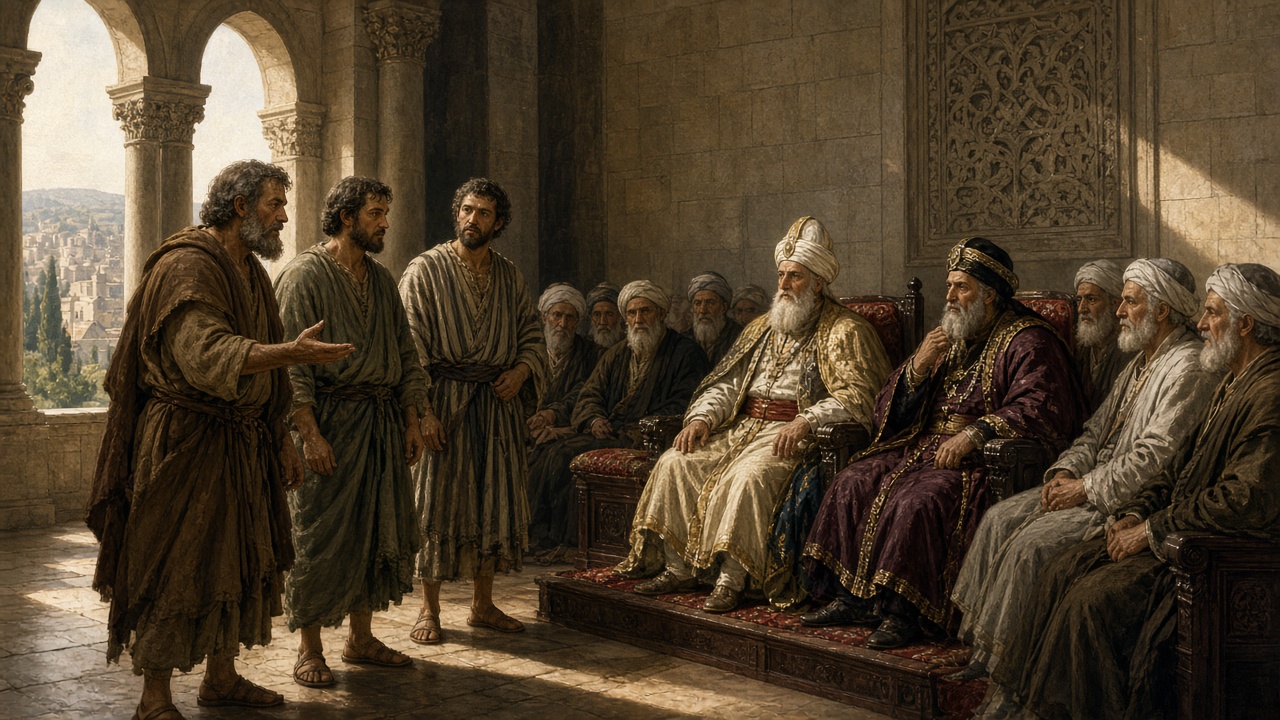
Peter and John before the Sanhedrin
- The priests, the captain of the temple guard, and the Sadducees seized Peter and John because they were teaching the people and proclaiming in Jesus the resurrection of the dead. Caiaphas, who sat with the assembly the next day, belonged to the Sadducees.Sources: the Bible text itself · Caiaphas
- Annas, called high priest here, had held that office from A.D. 7 to 14 until a Roman procurator deposed him. Caiaphas, who had married Annas's daughter, was raised to the office in A.D. 25; even so, some Jews may still have regarded Annas as the legal high priest, since Mosaic law treated the office as lifelong, and Annas was probably president or deputy of the Sanhedrin. John and Alexander, relatives of the high priest and otherwise unknown, sat with them.Sources: the Bible text itself · Annas · John (Relative of the High Priest) · Alexander (Son of Simon)
- Peter, a fisherman from Bethsaida, and John, also a fisherman and a son of Zebedee, were brought before the rulers, elders, and scribes. The council marveled at their boldness when it realized that they were unschooled, ordinary men, and took note that they had been with Jesus.Sources: the Bible text itself · Simon Peter · John the Apostle
Notes written with AI assistance from open sources (Theographic Bible Metadata, CC BY-SA 4.0; Easton’s Bible Dictionary, public domain) and reviewed before publishing.
Places in this chapter
- Jerusalem · 31.777, 35.234 · verses 5, 16
- Nazareth · 32.702, 35.298 · verse 10
- Cyprus · 35.000, 33.000 · verse 36
Only places identified with high confidence are shown (90% or more according to the scholarly sources compiled by OpenBible). Period map: DARE (Digital Atlas of the Roman Empire), CC BY 4.0; modern map: © OpenStreetMap contributors; places: OpenBible.info (CC BY 4.0).
Credits and license for this translation
Wakʉ Itekare: Emenna' Pe Ekonekan Nɨto'
New Testament in Akawaio (GY:ake:Akawaio)
copyright © 2010 Wycliffe Bible Translators, Inc.
Language: Akawaio
Translation by: Wycliffe Bible Translators, Inc.
Akawaio
ake
Guyana
Copyright Information
© 2010, Wycliffe Bible Translators, Inc. All rights reserved.
This translation text is made available to you under the
terms of the Creative Commons License: Attribution-Noncommercial-No Derivative Works.
( http://creativecommons.org/licenses/by-nc-nd/3.0/ )
In addition, you have permission to port the text to different file formats, as long as you
do not change any of the text or punctuation of the Bible.
You may share, copy, distribute, transmit, and extract portions
or quotations from this work, provided that you include the above copyright
information:
You must give Attribution to the work.
You do not sell this work for a profit.
You do not make any derivative works that change any of the actual words or punctuation of the Scriptures.
Permissions beyond the scope of this license may be
available if you contact
us with your request.
The New Testament
in Akawaio
© 2010, Wycliffe Bible Translators, Inc. All rights reserved.
This translation is made available to you under the terms of the
Creative Commons Attribution-Noncommercial-No Derivatives license 4.0.
You may share and redistribute this Bible translation or extracts from it in any format, provided that:
You include the above copyright and source information.
You do not sell this work for a profit.
You do not change any of the words or punctuation of the Scriptures.
Pictures included with Scriptures and other documents on this site are licensed just for use with those Scriptures and documents.
For other uses, please contact the respective copyright owners.
2014-04-21
Source: http://ebible.org/akeNT/ · eBible.org