Acts 6
Godɨndɨ Hoafɨ · Tap a verse to see its cross-references.
Hoafɨ sowandümo homo-rundeimbɨmbo fehefembo nindou 7 kafoaru hɨnɨŋgɨmarupurɨ
1Ranɨ-sɨmboanɨ süŋgurɨhindeimbɨ ranai afɨndɨ hamɨndɨ tükümehindɨ. Ranɨyo asu süŋgurundeimbɨ Grik hoafɨ hoafümbɨ ai Aram hoafɨ hoafümbɨ ranahamumbo ŋgɨnɨndɨmarundürɨ. Ai yaru hoafɨyomondühɨ yahomoya, “Muŋguambo si sehündɨ nindou sesɨkoate-yeimbɨ ranaheimbo farɨhehindürɨ arɨhündɨ, ŋga nɨmorehɨ kai rohündɨ ranaheimbo ana moai farɨhehindürɨ rɨhündɨ,” mehomo. 2Ranɨyo hoafɨ sowandümo homo-rundeimbɨ 12 ranai muŋguambo süŋgurɨhindeimbɨ mborai yahomo hürɨhoundürɨ houmbo hoafɨyomondühɨ yahomoya, “Asu ro Godɨndɨ hoafɨ bokarɨhefe ra hɨnɨŋgɨfe hefe sesɨ yimbufe ana, aboedɨ hamɨndɨyopoanɨ. 3Ranɨmboane wandafɨ mamɨ se sɨheiambeahɨndɨ nindou 7 ndofe fɨfɨrɨfe hohoanɨmo asu Yifiafɨ Aboedɨ ahamundɨ fiambe nɨmarɨpureimbɨ kaboadu hɨnɨŋgɨndüpurɨ. Rananɨmbo sɨhɨrɨ ranɨ ratüpurɨ ra hɨfandɨmbo ahamumbo hɨnɨŋgɨndɨhu-purɨmboane. 4Rananɨmbo asu ro nindoumbo Godɨndɨ hoafɨ yamundɨfe asu dɨdɨbafɨfe ra randɨhumboane,” mehomo.
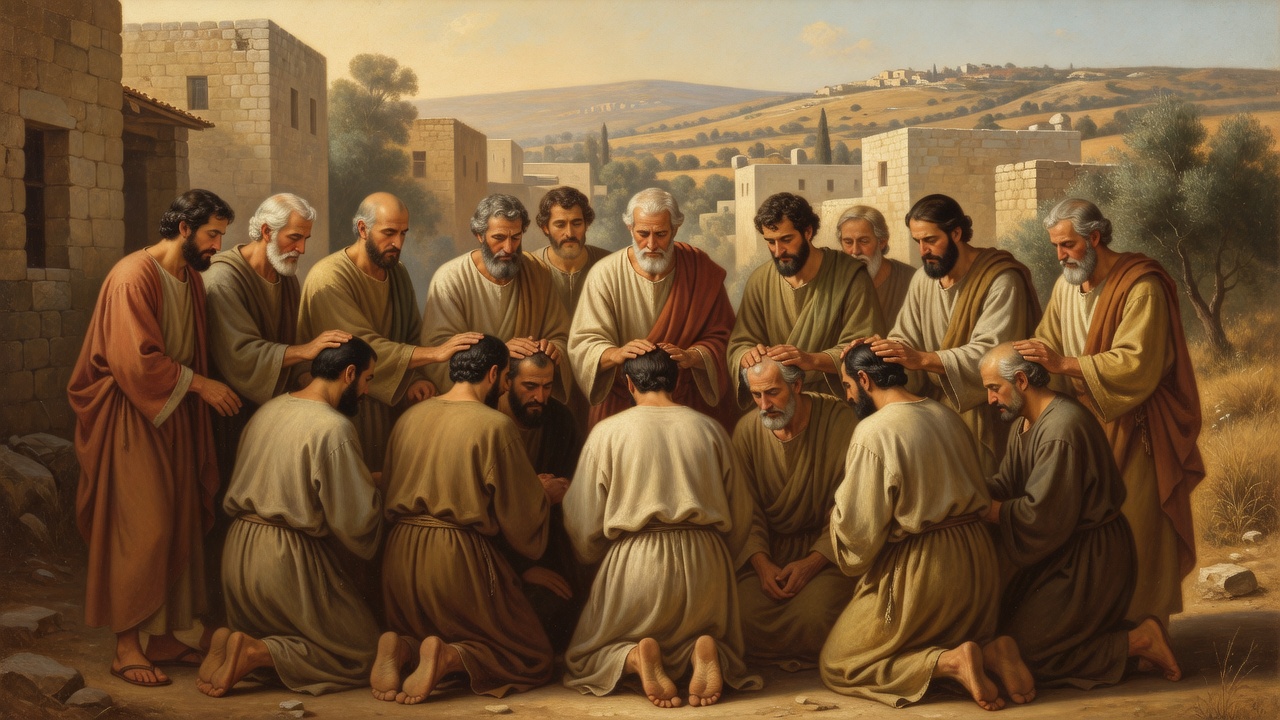
5Muŋguambo nindou ranai ranɨ hohoanɨmo ranahambo yifirɨmayei. Ranɨyo Stifen ŋgɨnɨndɨ anɨhondümbore haya Yifiafɨ Aboedɨ ahandɨ fiambe adükarɨ nɨmaroweimbɨyu, Firip, Prokorus, Nikanor, Timon, Parmenas asu Nikoras Suda-yafe ndɨfohündɨ ahei rotu süŋgureandeimbɨyu. 6Nindou ranahamumbo hoafɨ sowandümo homo-rundeimbɨ-yomondɨ hɨmboahü hɨnɨŋgɨmarupurɨ. Ranɨyo ranɨ ratüpurɨ ra refembohünda kafoefe hɨnɨŋgɨfembo ahamundɨwamɨ warɨ nandu houmbo dɨdɨbafɨmefundɨ. 7Ranɨyo Godɨndɨ hoafɨ ranai muŋguambo hɨfɨ hoahoaŋgohü Serusaremɨhü nindou süŋgurɨhindeimbɨ ranai adükarɨ tükümehindɨ. Ranɨyo asu Godɨmbo sɨhou-rundeimbɨ afɨndɨ ranai hoafɨ ra hɨmborɨyomondühɨ anɨhondümbo-marundɨ.
Suda ai Stifenɨmbo papɨ-hoafɨmarurɨ
8Stifenɨmbo God ai aboedɨ-aboedɨrirühɨ ŋgɨnɨndɨ masagadowa nɨmorehɨ nindowenihɨyei mbusümo hepünɨfeimbɨ moatükunɨ yare marandɨ. 9Asu Suda-yafe rotu, moanɨ ratüpurambeahɨndɨ aboedambomehindɨ sei arɨhündɨ ranambeahɨndɨ nindou bɨdɨfɨrɨ ranai tüküyafu Stifen babɨdɨmbo hoafɨnambo sɨmborɨ hoafɨ-memo. Aiana Sairini, Areksandria ŋgoafɨ asu Sisiria, Esia profens hündɨ-yomo. 10Ŋga asu Yifiafɨ Aboedɨ ranai Stifenɨmbo farɨherühɨ ahandɨ hoafɨ ranai ŋgɨnɨndɨyo haya ndorɨhoeimbɨ-mayoa moai ai-babɨdɨmbo hoafɨnambo sɨmborɨ-sɨmborɨ-yomo.
11Ranɨyomo nindou bɨdɨfɨrambo dɨbo hüti-hüti-marüpurɨ ho hoafɨyowohüya, “Ro hɨmborɨyefanɨ Stifen ai Moses asu Godɨmbo tɨrɨfoefe hoafɨmayu,” yahombo. 12Ramehomo-ndamboyo Suda-yafe boboagorɨ, ahɨnümbɨ hohoanɨmo yamundu-rundeimbɨ asu nindou muŋguambo aheimbo ŋgusüfoambe moaruwai-marandürɨ. Ranɨyo homo Stifenɨmbo kɨkɨhɨrundümo houmbo Suda-yafe boboagorɨ-yomondɨ fandɨfe hoafɨ fɨfɨrɨfe ranambe sowaründümo mahɨfomo. 13Ranɨyo nindou bɨdɨfɨrɨ sowapurɨndümo hɨnɨŋgɨmarupurɨ tɨkefehefe Stifenɨmbo wosɨhoaforɨyuhüya, “Nindou ndanai ana Godɨndɨ worɨ asu Mosesɨndɨ ahɨnümbɨ hohoanɨmo ranahambo tɨrɨfoefe hoafɨmayu. 14Ro hɨmborɨyefanɨ ai hoafɨyuhü yahuya, ‘Sisas Nasaretɨhündɨ ai worɨ nda bɨrɨboade mbunda asu Mosesɨndɨ hohoanɨmo horombo sɨhefɨmbo masendɨ ra ŋgorü-süŋgundeambui,’ mehu,” mehomo. 15Muŋguambo nindou hoafɨ fɨfɨrɨfembo gugurɨmefundɨ ranai Stifenɨndɨ ŋgusümboarambe hoeirundane, ahandɨ ŋgusümboarɨ ranai sünambeahɨndɨ nendɨ-yomondɨ ŋgusümboarɨ nahuraimayo.
Did you know?
The Seven and the Trial of Stephen
- Tension arose between Greek-speaking and Hebraic Jews over the daily distribution of food to widows, prompting the apostles to appoint seven respected men to oversee the task. Notably, all seven men named—including Nicolas, a proselyte from Antioch—carried Greek names.Sources: the Bible text itself · Nicolas
- Jews from across the Roman world had their own community synagogues in Jerusalem, such as the Synagogue of the Freedmen and gatherings for people from Cyrene, Alexandria, Cilicia, and the province of Asia. Members of these regional groups were the first to formally debate Stephen regarding his teachings.Sources: the Bible text itself · Cilicia · Asia
- When opponents failed to refute Stephen's arguments, they brought him before the Sanhedrin under charges of speaking against the temple and the law of Moses. As the council members examined him during these accusations, they observed that his face appeared like that of an angel.Sources: the Bible text itself · Stephen
Notes written with AI assistance from open sources (Theographic Bible Metadata, CC BY-SA 4.0; Easton’s Bible Dictionary, public domain) and reviewed before publishing.
Places in this chapter
- Antioch · Today: Antioch on the Orontes · 36.227, 36.172 · verse 5
- Jerusalem · 31.777, 35.234 · verse 7
- Alexandria · 31.183, 29.896 · verse 9
- Asia · 38.400, 28.300 · verse 9
- Cilicia · 36.913, 34.892 · verse 9
- Cyrene · 32.821, 21.851 · verse 9
- Nazareth · 32.702, 35.298 · verse 14
Only places identified with high confidence are shown (90% or more according to the scholarly sources compiled by OpenBible). Period map: DARE (Digital Atlas of the Roman Empire), CC BY 4.0; modern map: © OpenStreetMap contributors; places: OpenBible.info (CC BY 4.0).
Credits and license for this translation
Godɨndɨ Hoafɨ
The New Testament in the Angor language of Papua New Guinea
Nupela Testamen long tokples Angor long Niugini
Copyright © 2001 The Bible Society of Papua New Guinea
Language: Angor
Contributor: Wycliffe Bible Translators
This translation is made available to you under the terms of the
Creative Commons Attribution-Noncommercial-No Derivatives license 4.0.
You may share and redistribute this Bible translation or extracts from it in any format, provided that:
You include the above copyright and source information.
You do not sell this work for a profit.
You do not change any of the words or punctuation of the Scriptures.
Pictures included with Scriptures and other documents on this site are licensed just for use with those Scriptures and documents.
For other uses, please contact the respective copyright owners.
2013-01-07
Source: http://png.bible/agg/ · eBible.org