Acts 5
Godɨndɨ Hoafɨ · Tap a verse to see its cross-references.
Ananaias asu Safaira yɨfɨmayafe
1Nindou mamɨ, ahandɨ ndürɨ Ananaias, ai ahandɨ nɨmorehɨ Safaira-dɨbo hɨfɨ bɨdɨfɨrɨ nindou ŋgorümbo kakɨfihɨmbo masabɨnando. 2Ai kakɨ ra ahambohünda bɨdɨfɨrɨ masɨhenda nɨmorehɨ ai-amboanɨ fɨfɨreandɨ. Ŋga asu bɨdɨfɨrɨ yaŋgɨrɨ semündü hu hoafɨ sowandümo homo-rundeimbɨmbo masagapurɨ.
3Asu Pita ai hoafɨyundowohü yahuya, “Ananaias, nɨmboe Satan ai sɨhafɨ hohoanɨmoambe nɨmarümbo Yifiafɨ Aboedɨ ranahambo wosɨhoaforɨ-randühɨ kakɨ hɨfɨ-hündɨ masowandɨfɨ ra bɨdɨfɨrɨ dɨbonapɨ-marowanda? 4Se hɨfɨ masawandɨ ra sɨhafɨ hohoanɨmo yaŋgorɨyo, asu kakɨ masowandɨfɨ ra se nɨnɨ-moatükunɨ refemboayafɨ ra sɨhafɨ hohoanɨmo yaŋgɨrɨyo. Ŋga asu nɨmboe se rasüŋgu-marowanda? Yɨhoefɨmbo-yopoanɨ wosɨhoafɨ hoafɨmayafɨ, ŋga Godɨmboyo wosɨhoafɨ hoafɨmayafɨ.”
5Pita ai hoafɨmayuwa Ananaias ai hɨhɨmborɨ-yuhündamboyu yɨfɨ pɨmayuwa akohoandɨ nɨmorɨ ai ahandɨ fi-nɨmoko ra hoearɨnambo hɨmondɨwurɨ sowarɨndümo homo dɨbonapɨmarüwurɨ. Ranɨyo nindou afɨndɨ ranai ranɨ hoafɨ ra hɨmborɨyei hehi yɨhɨmbomayei. 7Ahandɨ nɨmorehɨ ai ranɨ-moatükunɨ ramefeyo ra moai fɨfɨreandɨ, ranɨyo ŋgɨmɨ awa hohayamboyowane, ai asükai maho. 8Pita ai ranahambo düdureandühɨ yahuya, “Se hoafɨyafɨndɨrɨ, hɨfɨ-hündɨ kakɨ masowandɨfe ra ndearamboyowai?” mehuamboyo. Asu sɨmborɨ Safaira ai hoafɨyowohü yahoya, “Yɨnɨ, ra ndearɨyo,” mehoamboyu. 9Asu Pita ai ahambo sɨmborɨ hoafɨyundowohü yahuya, “Se nɨmboe sɨhafɨ nindowenihɨ-dɨbo Adükarɨndɨ Yifiafɨ ranahambo refe hoeifembo hoafɨ fɨmarɨnandɨfea? Hoeiro, nindou sɨhafɨ nindowenihambo hɨfɨkamarüwurɨ ranai yipurɨkɨmɨ anɨŋgomo. Asu sɨhambo amboanɨ ndowandümonɨnɨ ŋgomo hɨfɨ kandunɨnɨmboemo,” mehuamboyo. 10Hoafɨ nɨŋgoambe Safaira ai Pitandɨ yirɨkɨmɨ peyo yɨfɨmayo. Ranɨyo nindou akohoandɨ ranai sɨfomo hoeirunda yɨfɨmayowamboyo sowandümo homo ahandɨ nindowenihandɨ fikɨmɨ hɨfɨ kamarundɨ. 11Ranɨyo Kraisɨndɨ nendɨ-yei asu amurɨ bɨdɨfɨrɨ ranɨyei ranɨ hoafɨ ra hɨmborɨyei hehi yɨhɨmbomayei.
Hoafɨ sowandümo homo-rundeimbɨ ai hepünɨfeimbɨ moatükunɨ ramarundɨ
12Hoafɨ sowandümo homo-rundeimbɨ ai nindou-yei mbusümo hepünɨfeimbɨ moatükunɨ ramarundɨ. Ranɨyo anɨhondümbo-rɨhindeimbɨ nindou ranai Godɨndɨ worambe Soromonɨndɨ Yibadɨ sei arɨhündɨ ranɨhü gugurɨmehindɨ. 13Nindou bɨdɨfɨrɨ ranai moai ai-babɨdɨmbo fandɨhindɨ, ŋga ai aheimbo ahɨnɨmayei. 14Ranɨyo nɨmorehɨ nindowenihɨ afɨndɨ hamɨndɨ ranai Adükarɨmbo anɨhondümbo-rɨhindühɨ, asu weaŋgurühɨ anɨhondümbo-rɨhindeimbɨ manɨboadei aheifihɨ pamarɨhindɨ.
15Ranɨmbo-hündamboyo nindou ranai aŋgünümbɨ nendɨ fufurɨhümü-ndindürɨ hei nafɨ hohü fondɨwamɨ asu hoaparɨ foasɨhi hehi kurɨmarɨhindürɨ. Ai hohoanɨmo-yeihɨya, Pita ai ŋgu ŋgasündeandanɨ hüfɨhamɨndɨnambo ahandɨ hüfɨhamɨndɨhündɨ yifiafɨ ranai boakɨmbɨfoareanda sei hehi. 16Serusarem ŋgoafɨkɨmɨ ŋgoafɨ adaburo ranɨhündambo nindou afɨndɨ ranai aŋgünümbɨ asu moaruwai nendɨ nɨmareimbɨ fufurɨhümü-ndindürɨ tükümehindɨ. Ranɨyo nindou muŋguambo ranai aboedɨmehindɨ.
Suda-yafe bogorɨ ai hoafɨ sowandümo homo-rundeimbɨmbo yowanɨ mehomopurɨ
17Hoafɨ sowandümo homo-rundeimbɨ ai ranɨ-moatükunɨ ra ramarunda Godɨmbo sɨhou-rundeimbɨ ai Sadyusi-babɨdɨmbo ŋgɨnɨndɨ-memo. 18Ranɨyo ahamumbo kɨkɨhɨrɨpundümo mburumbo karabusambe hɨnɨŋgɨmarupurɨ. 19Ŋga asu nɨmbokoanɨ Adükarɨndɨ sünambeahɨndɨ nendɨ ai karabus worɨ yipurɨ ra sübüdɨmarɨhenda tükümefundɨ. Ranɨyo sünambeahɨndɨ nendɨ ranai hoafɨyuhü yahuya, 20“Ŋgomo Godɨndɨ worambe nɨŋgomombo nɨmorehɨ nindowenihɨmbo sɨmborɨ hohoanɨmo ranahambo wataporɨmbo-ndundürɨ,” mehupurɨ. 21Ranɨyo hoafɨ sowandümo homo-rundeimbɨ ranai ranɨ hoafɨ ra hɨmborɨ-yomo houmbo Godɨndɨ worɨna siambe hondü homo nɨmorehɨ nindowenihɨmbo yamundɨ-marundürɨ.
Godɨmbo sɨhai-randeimbɨ ai ahandɨ wandafɨ-babɨdɨmbo tüküyafundühɨ-yomo Suda-yei kansɨr asu bogorɨ hondü ahamumbo gugurɨfe wataporɨmbo hoafɨmemo. Ranɨyo nindou bɨdɨfɨrɨ hoafɨ sowandümo homo-rundeimbɨmbo karabus worambeahɨndɨ sepurɨmɨndɨmbo koamarɨ-houpurɨ. 22Ŋga asu nindou ranai homo hɨmboyomondane, hoafɨ sowandümo homo-rundeimbɨ ranai karabusɨ worambe moai nɨmarɨmo. Ranɨyo hɨhɨrɨyafu homo Suda-yei bogorɨ ranahamumbo hoafɨmemopurɨ. 23Ai homo hoafɨyomondühɨ yahomoya, “Karabus worɨ yipurɨ ra paru mburumbo karabus hɨfandɨru-rundeimbɨ ai yipurɨ hɨfandu manɨŋgomo. Ŋga asu yipurɨ sübüdɨhoehü hɨmboyefane, worɨ yaŋgɨrɨ mafondaro,” mehomo. 24Karabus worɨ hɨfandɨru-rundeimbɨ-yomondɨ bogorɨyu asu Godɨmbo sesɨ sɨhou-rundeimbɨ-yomo ai ranɨ-moatükunɨ ranahambo nünüŋgufemboyo yahomo houmbo afɨndɨ hohoanɨmo-memo.
25Nindou mamɨ ranai sünɨ hoafɨyupurühɨ yahuya, “Hɨmborɨyomo, nindou se karabusɨmarüpurɨ ranana Godɨndɨ worambe nɨmorehɨ nindowenihɨmbo yamundundürühɨ mbanɨŋgomo,” mehu. 26Ranɨyo bogorɨ-mayu ranai ratüpurɨyomo-rundeimbɨ sepurɨmündü haya homo hoafɨ sowandümo homo-rundeimbɨ ra masɨwapundümo. Ŋga asu nindou yamundɨmarundürɨ ranaheimboya, “Yɨhoefɨmbo nɨmoeinambo ndɨhümunɨmboyei,” yahomo houmbo moai nɨnɨ nünüŋgurüpurɨ.
Hoafɨ sowandümo homo-rundeimbɨ ranai yɨhombokoate-kansɨrɨmbo Godɨndɨ hoafɨ wataporɨmbo-marundɨ
27Karabus hɨfandɨrundeimbɨ nindou ranai sowapurɨndümo homo gugurɨyafu wataporɨmbo-marundɨ ranambe Suda-yei bogorɨ-yomondɨ hɨmboahü wagabe hɨnɨŋgɨmarupurɨ. Godɨmbo sɨhai-randeimbɨ ai düdureapurühɨ yahuya, 28“Ro sɨhamumbo nɨmorehɨ nindowenihɨmbo nindou ranahandɨ ndürɨ ranahambo wataporɨmbo yowanɨ masefɨ. Ŋga se wataporɨmbo marunda muŋguambo nindou Serusarem ŋgoafɨhü ranai sɨhamundɨ hoafɨ ra hɨmborɨmayei. Ran-ane se yɨhoefɨmboya, se-rurɨ nindou ranahambo hɨfokoamarüwurɨ yahomo houmbo papɨhoafarɨmunɨ,” mehomondamboyu. 29Asu Pita ai hoafɨ sowandümo homo-rundeimbɨ bɨdɨfɨrɨ-babɨdɨmbo nɨŋgomombo sɨmborɨ hoafɨyupurühɨ yahuya, “Ro Godɨndɨ hoafɨ yaŋgɨrɨ anɨmbo süŋgundɨhumboyefɨ, ŋga ŋgɨrɨ hɨfɨ ndanɨhündambo nindou-yei hoafɨ ana süŋgundɨhundɨ. 30Se Sisasɨmbo nɨmɨ keimbɨ karɨhendeimbɨfihɨ tɨkoründümo parüwurɨ mburümbo hɨfokoa-marüwurɨyosɨ. Ŋga sɨhefɨ amoao-yei God ranai yɨfɨhündɨ botɨmarirɨ. 31God ai sünambe serümündɨ hafu ahandɨ warɨhondü waranɨ nindou sɨhefɨmbo aboedambofembo bogorɨmborirɨ hɨnɨŋgɨrira anüŋgu. Ahandɨ süŋgu anɨmbo muŋguambo Suda ai moaruwai hohoanɨmo hɨnɨŋgɨ-ndɨhindühɨ aboedɨ hohoanɨmo süŋgundɨhinda ahei moaruwai hohoanɨmo ra amboawi mbüsümbui. 32Ranɨ-moatükunɨ God ai ramareandɨ ra hoeirɨhu hoahu anɨhond-ane sefɨ wataporɨmborɨhu arɨhundɨ. Asu Yifiafɨ Aboedɨ ai-amboanɨ anɨhond-ane yaho arandɨ. Asu muŋguambo nindou dɨdɨyei Godɨndɨ hoafɨ süŋgurɨhinda ranaheimbo Yifiafɨ Aboedɨ sagadürɨ arandɨ,” mehu.
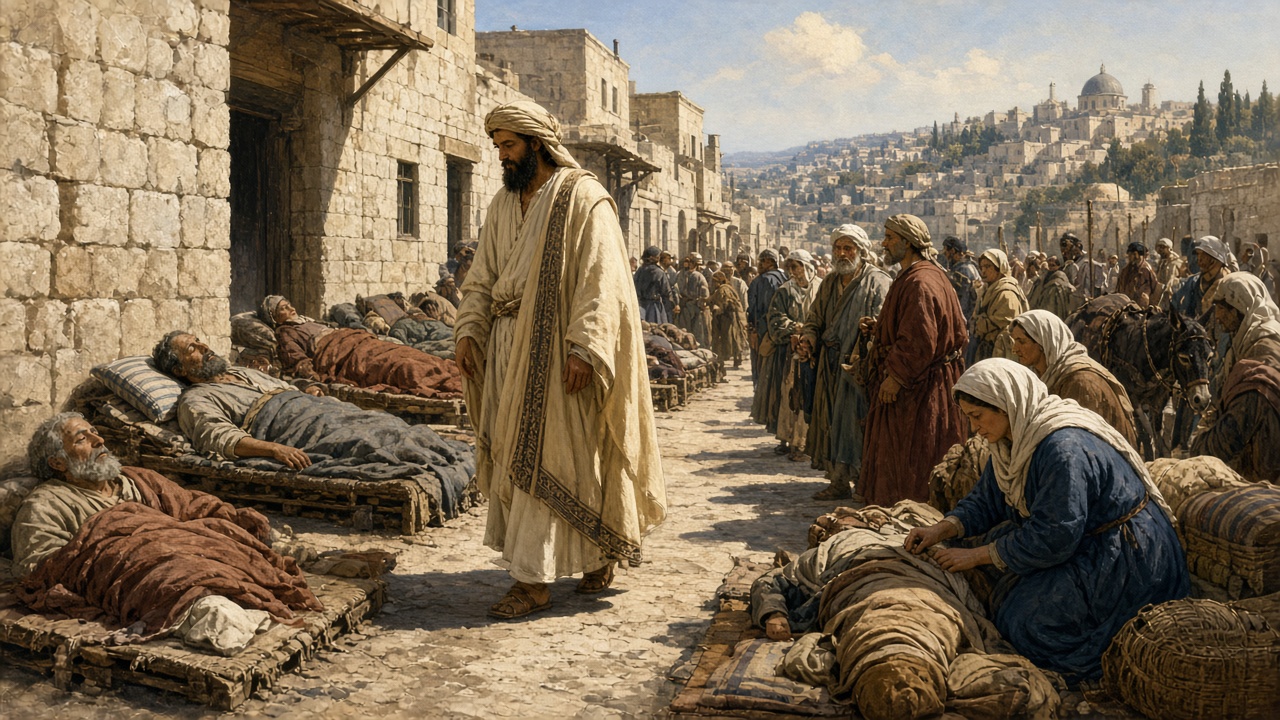
Gamarier ai kansɨrɨmboya hoafɨ sowandümo homo-rundeimbɨmbo hɨnɨŋgɨrou-safɨndüpurɨ mehu
33Pita ai ranɨ hoafɨ ra hoafɨmayuwa Suda-yei bogorɨ nindou ranai ŋgɨnɨndɨyomondühɨ hoafɨ sowandümo homo-rundeimbɨ ranahamumbo hɨfokoefepurɨmbo hohoanɨmo-memo. 34Ŋga gugurɨyafu wataporɨmbo-marundɨ ranambe ahɨnümbɨ hohoanɨmo yamunde-randeimbɨ nindou Farisihündɨ mamɨ ahandɨ ndürɨ Gamarier ahambo ahɨnɨyei rɨhündeimbɨ manüŋgu. Ranɨyu hoafɨ sowandümo homo-rundeimbɨ ranahamumbo gugurɨyafu wataporɨmbo-marundɨ ranambeahɨndɨ akɨdou tükümbeafundɨ mehu. 35Hoafɨ sowandümo homo-rundeimbɨ ranai botɨyafu houmbo homondane Gamarier ai kansɨr ranahamumbo haofɨyupurühɨ yahuya, “Israer nindou se ranɨ-moatükunɨ ra hohoanɨmondɨmo hoeindundühɨ anɨmbo randundɨ mehupurɨ. 36Se Tadius tüküfi manüŋgu ra fɨfɨrundai. Ai hoafɨyuhü yahuya, ‘Ro adükarɨ bogorɨ nindou-anahɨ,’ mehua 400 nindou ahambo süŋgumarurɨ. Ŋga ahambo gafman ai hɨfokoamarɨwura ahambo süŋgururü-rundeimbɨ ai fefondühɨ ahamundɨ ratüpurɨ ra hɨnɨŋgɨmarundɨ. 37Asükai süŋgunambo gafman ai ndürɨ semɨndambe Garirihündɨ nindou mamɨ ahandɨ ndürɨ Sudas amboanɨ gafmanɨ-babɨdɨ yifiarɨmbo nindou bɨdɨfɨrɨ masepurɨmündu. Ai ahambo süŋgururü-rundeimbɨ masepurɨmündu, ŋga ahambo hɨfokoa-marɨwuramboyo ahambo süŋgururü-rundeimbɨ ranai mafefoundɨ. 38Ranɨmboane ro haponda sɨhamumbo hoafehapurɨ, Se nindou ndanahamumbo nɨnɨ nünüŋgu-fepurɨpoanɨ. Ranɨ-moatükunɨ ai rawarundɨ ra hɨfɨ ndanɨhündambo nindou-yomondɨ ratüpurayo ana, ŋgɨrɨ aboedɨndo. 39Asu ranɨ-moatükunɨ ra Godɨndɨ-mayoayo ana, se ŋgɨrɨ yowanɨ mbɨsɨmo kɨkɨhɨ-ndüpurɨndümo. Rawarundɨ ana, se God-babɨdɨmbo-anemo yifiar-ayomo,” mehuamboemo.
40Suda-yafe bogorɨ ranai Gamarierɨndɨ hoafɨ süŋgurundühɨ hoafɨ sowandümo homo-rundeimbɨmbo mɨŋgɨyomo hürɨhoupura mahomondamboyo buburupurɨ mburumbo moanɨ koarɨhoupurühɨ yahomoya, “Se yowanɨ nɨmorehɨ nindowenihɨmbo Sisasɨndɨ ndürɨ ranahambo wataporɨmbo-yondürɨpoanɨ,” mehomopurɨ.
41Ranɨyo hoafɨ sowandümo homo-rundeimbɨ ranai hɨhɨf-hɨhɨfɨ kapeihɨ mahomo. Sapo God ai ahamumbo Sisasɨndɨ süŋguna tɨŋɨrɨfo masagapurɨ ranɨmbo. 42Ranɨyo muŋguambo si Godɨndɨ worambe asu nindou-yei worambe homo aboedɨ hoafɨ yamundɨ-rundürühɨ nindou ranaheimboya, Sisas Krais ranana God ai ahandɨ nendambo aboedambo-fendürɨmbo kafoarirɨ hɨnɨŋgɨ-marir-ani, mehomo.
Did you know?
Deceit, wonders, and the Sanhedrin
- Ananias, a member of the Jerusalem church, and his wife Sapphira, whose name means beautiful, sold a piece of land and, with her knowledge, kept back part of the price while bringing the rest to the apostles. He could have kept the property; Peter reminded him that it remained at his disposal both before and after the sale. The wrong was the lie: he professed to give it all, Sapphira confirmed the false price, and both died, she sharing his guilt and his punishment.Sources: Ananias (Husband of Sapphira) · Sapphira · the Bible text itself
- The believers gathered with one accord in Solomon’s Colonnade, where the apostles performed many signs and wonders. That colonnade probably stood on the eastern side of the temple. It is not mentioned in connection with the first temple, though Josephus refers to a porch of that name in Herod’s temple.Sources: Solomon's Portico · the Bible text itself
- When the high priest and his associates, who belonged to the party of the Sadducees, had the apostles arrested, a Pharisee named Gamaliel stood up in the Sanhedrin. He is described as a teacher of the law honored by all the people, the son of Rabbi Simeon and grandson of the famous Rabbi Hillel, and as an opponent of the Sadducees; he urged the council to leave the men alone. He pointed to Theudas, who had led an insurrection against Roman authority and, as Gamaliel told it, gathered about four hundred men before the rising came to nothing—beyond that, nothing else is known of Theudas—and to Judas the Galilean, who perished in the days of the census.Sources: Gamaliel · Theudas · the Bible text itself
Notes written with AI assistance from open sources (Theographic Bible Metadata, CC BY-SA 4.0; Easton’s Bible Dictionary, public domain) and reviewed before publishing.
Places in this chapter
- Solomon’s Portico · Today: in Jerusalem · 31.777, 35.234 · verse 12
- Jerusalem · 31.777, 35.234 · verses 16, 28
- Galilee · 32.760, 35.527 · verse 37
Only places identified with high confidence are shown (90% or more according to the scholarly sources compiled by OpenBible). Period map: DARE (Digital Atlas of the Roman Empire), CC BY 4.0; modern map: © OpenStreetMap contributors; places: OpenBible.info (CC BY 4.0).
Credits and license for this translation
Godɨndɨ Hoafɨ
The New Testament in the Angor language of Papua New Guinea
Nupela Testamen long tokples Angor long Niugini
Copyright © 2001 The Bible Society of Papua New Guinea
Language: Angor
Contributor: Wycliffe Bible Translators
This translation is made available to you under the terms of the
Creative Commons Attribution-Noncommercial-No Derivatives license 4.0.
You may share and redistribute this Bible translation or extracts from it in any format, provided that:
You include the above copyright and source information.
You do not sell this work for a profit.
You do not change any of the words or punctuation of the Scriptures.
Pictures included with Scriptures and other documents on this site are licensed just for use with those Scriptures and documents.
For other uses, please contact the respective copyright owners.
2013-01-07
Source: http://png.bible/agg/ · eBible.org