Matthew 2
YISASINI KAMA VAYA · Tap a verse to see its cross-references.
Ofu Ma Afova Varan Banta Kayo Ano Ma Ena Vara Fáké Erein Baya Ino
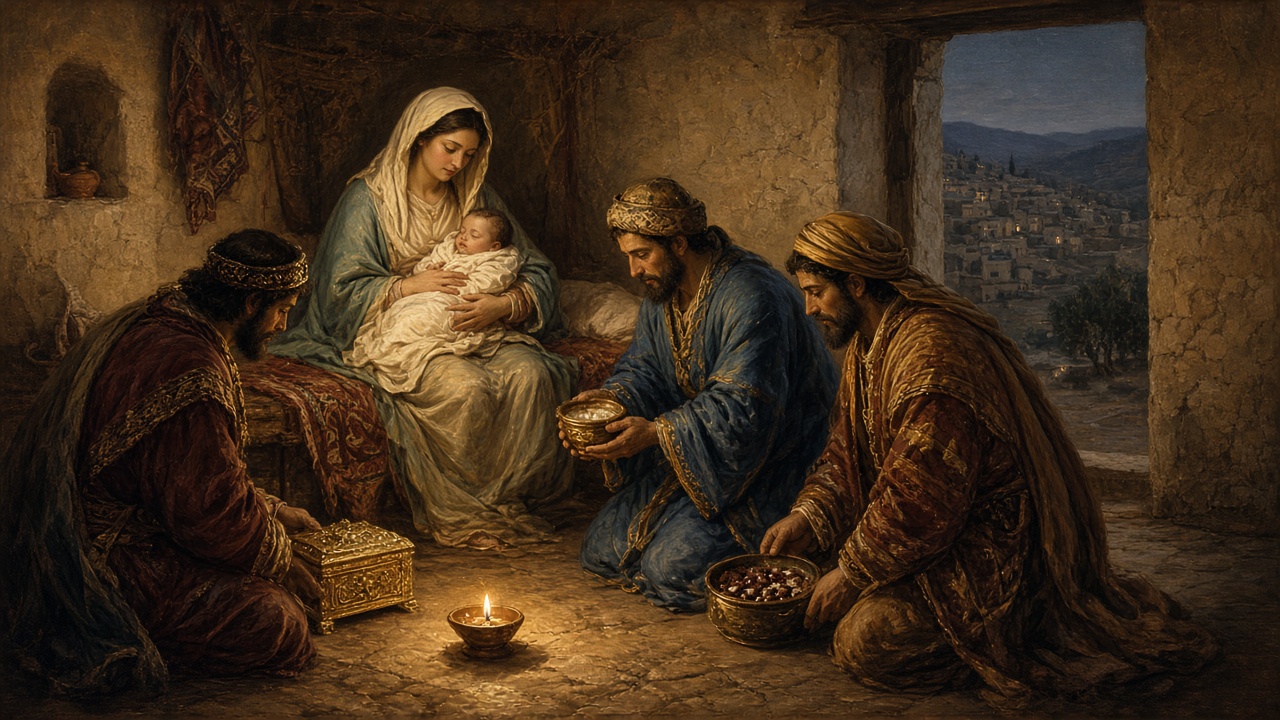
1Yudiá barafin ma Eroti kiní ukhein damú Betariamú barufá Maria ano Yisasin kain bákan áau e uní páké manáa afova vanta kéká ano Yerusaremí barurá eriven 2máa sen inaemí, “Mana iyampon ma Yutan kayoi kin afoká ukhein mai intefasá ban nafino. Tetí ankan áau e uní páké onékun béin ma aníin ofu édaví ódaréi ventá monó teno van eriyá tiféuno.” “Mana iyampon ma Yutan kayoi kin afoká ukhein mai intefasá ban nafino.|alt="wise men ask for King of Jews" src="CN01630b.tif" size="span" ref="MAT 2.2"
3Máa sen ina íkan Erotin má minó Yerusaremí barurá ma varé ein nanin banta vá ano mai vaya iníden maen kokhon ineine en oreraen mino. 4Máan tiyákan Eroti ano vanasii monó ánon banta vá man baya ma afová ukhein banta kayo vá aran e átaru uvin betí ankan inaemí, “Mai ma Tiyarafenu ano ma aní ukhein banta inte varurasá afoká intéin ná sakhanampa vanta kayo ano sikharen nafino.” 5Máa síkan betí ankan evaránen béin tiamemí, “Béi Betariamú barurái Yudiá barafá afoká inten ne,” sikharen mino. Para vara seyo, sakhanampa vanta ano máa sen Tiyarafenui vompon dókifin uvantaren mino,
6“‘Yudiá bara fintena varu Betariamu oe,
Yudiá barafin ma aví bain baru kayoi oyampá éi ída va ono.
Mai fara vara seyo, éin pinté mana ánon banta e afoká uven maen
béi anon tenti Isareri nanin bantai yafisiní inten mino.’” Mai 5:2
7Máa sen tiamin Eroti iníden áau e uní páké ma afova vanta kéká erikhá ein aúpáké aran béi vaintá eríkan mai ofu ma afoká ein damusan betí ankampin avovéen ina uren afova varen mino. 8Afová uren betí ankan tiantan Betariamú oriyákan temí, “Tiretí ankan ore vá mai iyampon nan mo kamaeya yosire ma véin ódante vá ovaráne séin me sisimesirá ten má dere oresá mo ventá monó teno.”
9Máa síkan betí ankan kini vaya iníden mairá me ampen oriyan maen mai ma áau e uní páke ma onein ofu ano vetin an uanten oriyaren mai iyampon ma vain namun amontá o kharemen mino. 10O kharemíkan betí ankan mai ofu oniyáken moéken amusin en mino. 11Máan turen mai afova vanta kéká ano mai namumpin un pében onákan mai iyampon mano ve anóe Marian má baréin betí ankan mun aron kan durafúden barará mátimen mai iyampontá monó tiren betíi unan máden oté uren kori vá kama auna iyain uveri vá irafin ma sádan kama aunka iyain uveri vá máden mai iyampon amusin amen mino. 12Amiren bakháin Tiyarafenu ano kaimpin betí ankan tiamen ída vá evaráne Eroti vaintá orono síkan betí ankan iniren mai aa me ifá uren ena aa sáké betíi varufá oren mino.
Yosepin Má Be Aná Akhá Bá Ma Isipí Barafá Karan Orein Baya Ino
13Afova vanta kayo ma orivíkan maen Bafani enisori ano kaimpin Yosepin avorá afoká uven máa semí, “E mantaveya iyampon má be anóen má avíare Isipí karan ore o varé esí ma séi siamenuna yamusá ovaráneya ereno. Mai fara vara seyo, Eroti ano mai iyampon dosiré arono van iyan mino.” Bafani enisori ano kaimpin Yosepin avorá afokáen mino.|alt="angel warns Joseph to flee" src="CN01634b.tif" size="col" ref="MAT 2.13" 14Máa siran Yosepi e mantaaren iyampon má be anóen má avíaren mai inuran mana Isipí oren mino. 15O van baren Eroti ma fúbíkan Bafan mano ma sakhanampa vanta oo ráké uaren tiyáken, “Isipíkena se sanin aré uno,” ma sikhá ein baya fura sen afoká en mino. Ose 11:1
16Eroti ma afová en áau e uní páke afova vanta kéká ano semi mákasen mino siren moéken aranan en mino. Máan turen afova vanta kéká ano ma siamiyan ofu ma afokáí oné tiferuna mai kan oranan orikhen mino ma sikhá ein nan bei aruvin banta kayo siantan Betariamú baru akhempá ma kákan baru vá tító baru vá ma vain pimpá oriyáken kan orana aránaópá ma vain ain iyampon kayo máa minó aruan puren mino. 17Minó ma yanasinta ma afoká ein mai Tiyarafenu anon sakhanampa vanta Yeremaiyan pinté uaren máa sikharéin mino:
18“Ifí baya Ramá barufin inékun
ifisana yariyan kákan arun bariyá iné uno.
Resori maen be akhafana van arunaná bariyan
ará kusiantan baya ma siyain ída inen mino.
Para va ino, minó iyampon mi fúan kípakhan mino.” Yer 31:15
Yosepi Ma Ve Aná Akhá Bá Evaránen Nasaretí Barurá Orein Baya Ino
19Eroti ma fúbin maen Bafani enisori ano kaimpin Yosepin avorá Isipí afoká uven máa sen 20béin tiamemí, “Éi e mantaveya iyampon má be anóen má aviare evaráne Isarerí barafá orono. Mai iyampon ma aruan purono van iyaré ein banta kayo inka furen mino.”
21Máa síkan Yosepi esé ana e manten iyampon má be anóen má avíaren evaránen Isarerí barafá oren mino. 22Oriven iníkan Erotin anin Arkerausi ano ve afóeni varu varen Yudiá kayoi kiní ukheimpin Yosepi mai akhempá orin nan péden mai ma ena khaimpin Tiyarafenu ano véin tiamikhá einí en Kariri varafá oren mino. 23Orein mano Nasaretí barurá o varen mino. Máan ma ein manon sakhanampa vanta kayo ano ma siyáken béin nan Nasaretí banta ino sen aranten mino ma sikhá ein pura sen afoká en mino.
Did you know?
Magi, Herod, and Nazareth
- The King Herod of this chapter is Herod the Great. His son Archelaus, by Malthace, a Samaritan woman, inherited a third of the kingdom: Idumea, Judea, and Samaria. Until a few days before Herod's death another son, Antipas, had been named successor, but in his last moments Herod named Archelaus; for fear of him, Joseph turned aside from Judea and withdrew to Galilee.Sources: Archelaus · the Bible text itself
- Matthew links the deaths of the boys in Bethlehem to words spoken through the prophet Jeremiah: a voice in Ramah, Rachel weeping for her children. Rachel, one of Jacob's wives, died giving birth to Benjamin and was buried by the wayside on the road to Ephrath, that is Bethlehem, directly north of the town. Her sepulchre is regarded with great veneration by the Jews.Sources: the Bible text itself · Rachel · Bethlehem
- Bethlehem, in the hill country of Judah, was earlier called Ephrath and was also known as the city of David; under the Romans it lay in Judea, the southernmost of the three divisions of Palestine. Joseph and Mary went instead to Nazareth in Galilee, their home, a town not mentioned in the Old Testament. The name Nazareth is generally supposed to come from the Hebrew netser, a shoot or sprout, though some connect it with a word for guarding or watching.Sources: Bethlehem · Judea · Nazareth · the Bible text itself
Notes written with AI assistance from open sources (Theographic Bible Metadata, CC BY-SA 4.0; Easton’s Bible Dictionary, public domain) and reviewed before publishing.
Places in this chapter
- Bethlehem · 31.704, 35.208 · verses 1, 5, 6, 8, 9, 16
- East · Today: region around Amman · 31.955, 35.934 · verses 1, 2, 9
- Jerusalem · 31.777, 35.234 · verses 1, 3
- Judea · Today: Judea 1 · 31.777, 35.234 · verses 1, 5, 22
- Egypt · 30.129, 31.308 · verses 13, 14, 15, 19
- Galilee · 32.760, 35.527 · verse 22
- Nazareth · 32.702, 35.298 · verse 23
Only places identified with high confidence are shown (90% or more according to the scholarly sources compiled by OpenBible). Period map: DARE (Digital Atlas of the Roman Empire), CC BY 4.0; modern map: © OpenStreetMap contributors; places: OpenBible.info (CC BY 4.0).
Credits and license for this translation
YISASINI KAMA VAYA
The New Testament in the Agarabi language of Papua New Guinea
Nupela Testamen long tokples Agarabi long Niugini
Copyright © 2010 The Bible Society of Papua New Guinea
Language: Agarabi
Translation by: Wycliffe Bible Translators
This translation is made available to you under the terms of the
Creative Commons Attribution-Noncommercial-No Derivatives license 4.0.
You may share and redistribute this Bible translation or extracts from it in any format, provided that:
You include the above copyright and source information.
You do not sell this work for a profit.
You do not change any of the words or punctuation of the Scriptures.
Pictures included with Scriptures and other documents on this site are licensed just for use with those Scriptures and documents.
For other uses, please contact the respective copyright owners.
2013-01-07
Source: http://png.bible/agd/ · eBible.org