Genesis 8
Adzera Baibel · Tap a verse to see its cross-references.
Mpui Furan Tsiraꞌ Iriꞌ Sib
1Da bitsintaꞌ Anutu maran rufur Noa da apu santan rungꞌ mpada madzung igi da itangin manis irunt da igufi mpui tsiraꞌ igi da isasariꞌ iruꞌ. 2Da Anutu itsungin mpui bampun mingꞌa intap warangꞌ da mingꞌa gunungun wagungꞌ da gamiꞌ intap ruan. 3Gubuꞌ 150 nanga i ntsupan da mpui isasariꞌ iruꞌ isangꞌ madzung iba mpa iyab mamai mangan mingꞌa Ararat da ukam 7 gubuꞌ gan 17. 5Mpui rungꞌ isasariꞌ iruꞌ da waꞌa ukam 10 gubuꞌ gan 1 da mamai fain gudzun iwaꞌ.
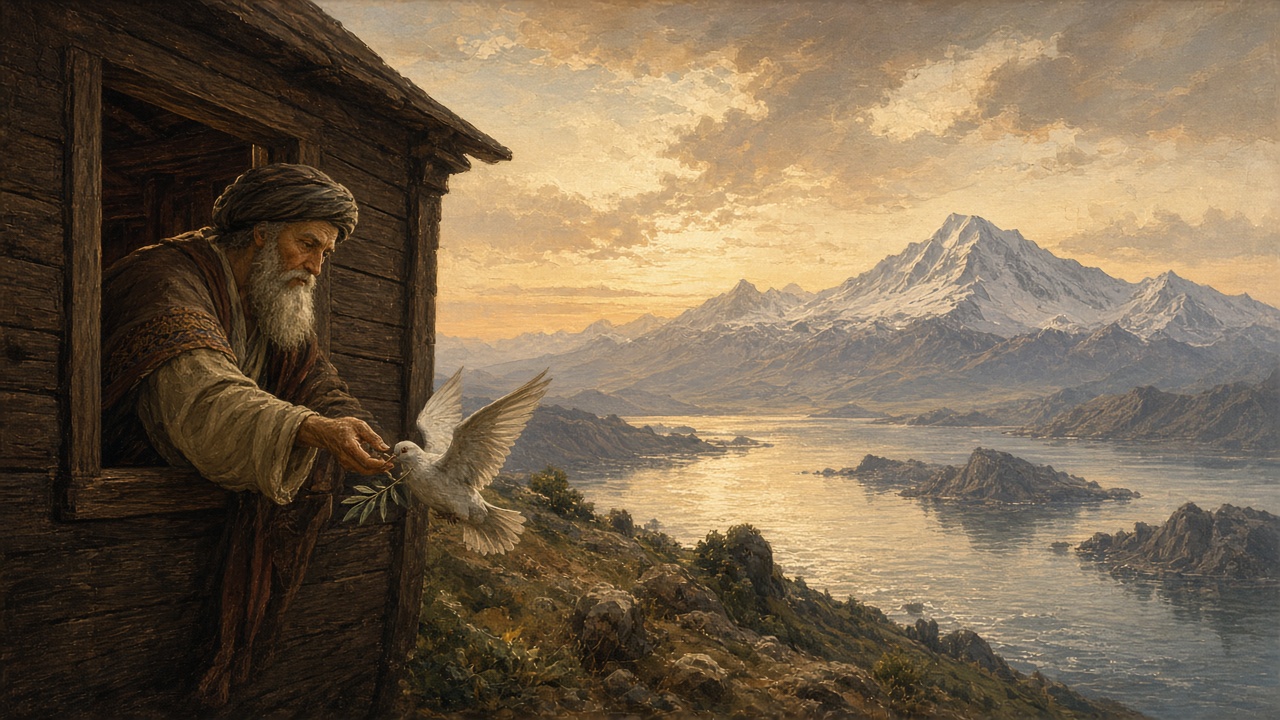
6Mamai fain gudzun iwaꞌ sib da gubuꞌ 40 mangan ntsupan da Noa itus muantsi isiꞌ mangan mingꞌa wagungꞌ 7da itangin ngampuaꞌ mangan idzuf ifan. Da ngampuaꞌ igi idzuf iyung ifa iba isangꞌ mpui riꞌan da intap waꞌan. 8Da Noa itip itangin ngasabusir ifan i tsanganda bida mpui iriꞌ iruꞌ sib, ma imaꞌ. 9Da bitsintaꞌ mpui rungꞌ imunti, ibinigi da ngasabusir isau gan mpada gin, da itip idzuf iba madzung da Noa yintsi bangin iwaꞌ ifan da iyu apu arangan yatangꞌ ifan. 10Arangan itip impa isangꞌ gubuꞌ 7 fada sib da itip itangin ngasabusir ifan. 11Nam nufan da ngasabusir itip iba da Noa. Hai, mingꞌa ngasabusir nifun da Noa itsanga gai oliv yafan faꞌ, da arangan isruꞌ gin ibi mpui iruꞌ sib wa. 12Da arangan itip impa isangꞌ gubuꞌ 7 fada sib da itangin ngasabusir itip ifan. Da gubuꞌ igi da ngasabusir watip idzuf iba da Noa u.
13Noa udzufan ibawaꞌ 601 sib. Da atupa udzuf faꞌ ukaman 1 da gubuꞌ gan 1 da mpui iriꞌ sib. Noa iraꞌ i buari i nam buafira madzung gudzun gin da irarab nam santan iruꞌ da itsangan ibi mpui iriꞌ sib da intap iwaꞌ. 14Da waꞌa ukam 2 gubuꞌ gan 27 da intap itsaraꞌ sib.
15Ida Anutu ini da Noa ibiani, 16“Watangin madzung rai da warut fininggam da narum rusam da gan finin rusan nawaꞌ. 17Wayu apu mara maran santan, apu dzufan da yungan da sruakan, ruta agu mpadan igi nawaꞌ manaꞌ i rima narun rusan da utusa i ruan da mpada sangꞌa intap santan.” 18Ibinigi da Noa itangin madzung da irut fininggan da narun rusan da narun rusan finin rusan impruꞌ ruan waꞌan. 19Apu mara maran yunga intap da dzufan impruꞌ ruan i utup utupan da itangin madzung rai da iwaꞌ.
Noa Itsara Nam da Yawe
20Noa yantungꞌ tauf isu mumai mararam tsarada nam da Yawe gin. Da arangan iyu apu fain imingꞌ apu mara maran yungan da dzufan Anutu maran aridagin i rima dangki rutin, da itai isu dangki ifan da Yawe. 21Yawe itungis Noa dangki gan riman igi da gauntan iwaꞌ ngarubini iyus, da Arangan ini i unggan ibiani, “Dzi wasangꞌ i tipa wayada intap i garam gar nanggan maisan mungaꞌ gan u. Nan nidzun, mingꞌa ribarangan marafaꞌ gan da maran ifur nam maisan iyus angu, da bitsintaꞌ dzi wasangꞌ i tipa siata nam marantaꞌan sib angu bida dzi nangan ugu u, imaꞌ.
22“Da gubuꞌ intap rungꞌ mingꞌan,
da bungꞌ awaꞌ gubuꞌ ntanga nam gadan
da gubuꞌ yunga nam gadan,
gubuꞌ rangarang da gubuꞌ sasus,
gubuꞌ fus da gubuꞌ gamiꞌ,
nam idziang da gubuꞌ pisan.
Gubuꞌ mara maran gubuꞌ gan bida nigi
wasangꞌ i ntsupan.”
Did you know?
The Waters Recede
- The ark came to rest on the mountains of Ararat, a name meaning “sacred land” or “high land” for a country on whose mountains the ark settled after the flood. Easton's Bible Dictionary (1897) suggests those mountains were probably the Kurdish range of southern Armenia, though the name is also commonly applied to a high, almost inaccessible peak rising from the plain of the Araxes. In 2 Kings 19:37 and Isaiah 37:38 the Authorized Version renders the name “Armenia” and the Revised Version “land of Ararat,” while Jeremiah 51:27 uses it for central or southern Armenia.Sources: Ararat · the Bible text itself
- Noah’s Hebrew name means “rest,” and in this chapter the ark itself comes to rest as the waters go down. He was the son of Lamech and the grandson of Methuselah, and the father of Shem, Ham, and Japheth. Easton's Bible Dictionary describes him as the connecting link between the old world and the new, and as a second great progenitor of the human family.Sources: Noah · the Bible text itself
- Chronological notes place the Great Flood in 2347 BC, lasting one year; the subsiding of the waters in 2346 BC, over 220 days; and the leaving of the ark in 2346 BC, as a single day. In the chapter itself, the waters have gone down after 150 days and the ark rests on the seventeenth day of the seventh month; on the first day of the first month of Noah’s six hundred and first year the waters have dried up, and by the twenty-seventh day of the second month the earth is fully dry.Sources: The Great Flood · The flood subsides · Leaving the Ark · the Bible text itself
Notes written with AI assistance from open sources (Theographic Bible Metadata, CC BY-SA 4.0; Easton’s Bible Dictionary, public domain) and reviewed before publishing.
Places in this chapter
- Ararat · Today: Urartu · 39.703, 44.300 · verse 4
Only places identified with high confidence are shown (90% or more according to the scholarly sources compiled by OpenBible). Period map: DARE (Digital Atlas of the Roman Empire), CC BY 4.0; modern map: © OpenStreetMap contributors; places: OpenBible.info (CC BY 4.0).
Credits and license for this translation
Adzera Baibel
Portions of the Holy Bible in the Adzera Language of Papua New Guinea
Hap Buk baibel long tokples Adzera long Niugini
copyright © 2009-2022 Wycliffe Bible Translators, Inc.
Language: Adzera
Translation by: Wycliffe Bible Translators
This translation is made available to you under the terms of the
Creative Commons Attribution-Noncommercial-No Derivatives license 4.0.
You may share and redistribute this Bible translation or extracts from it in any format, provided that:
You include the above copyright and source information.
You do not sell this work for a profit.
You do not change any of the words or punctuation of the Scriptures.
Pictures included with Scriptures and other documents on this site are licensed just for use with those Scriptures and documents.
For other uses, please contact the respective copyright owners.
2026-10-02
Source: http://png.bible/adz/ · eBible.org