John 12
I 'utz laj tzij re i dios · Tap a verse to see its cross-references.
U cojic i cunbal muy che i rakan i Jesus
1Wakib ʼij chuxeʼ li nimaʼij páscua, xa ʼe chic i Jesus pa Betánia, pa jekel wi i ma Lázaro chi walijsam chic rumal i Jesus are xcam teʼek. 2Are xupon chila, xqui ʼan jun nim laj waʼim cojbal u ʼij i Jesus. I ati Márta ca tijin chi qui tzukic; i ma Lázaro, xak juban chic achiab, je cul chi mexa ruʼ i Jesus. 3I ati Mariy rucʼam jun lamet cunbal lic muy, ʼantal che jun ʼes, nárdo u bi, pakal rajil. Xu coj i cunbal muy che i rakan i Jesus, y xu chakijsaj ruʼ u wi. I u muyal i cunbal, lic xa ʼe ruxlab paja.
4I ma Júdas Iscarióte, chi u cʼojol i mam Simon, n-xu ya tu wach che, wach i xu ʼan i ixok. Ire are jun chique i u tijoxelab i Jesus, chi xak xu cʼayij i Jesus xoʼon panok. 5Ire xu bij:
—I cunbal muy-le, ʼutz we tene xu cʼayij y cu cʼam li mer que u tobej que i nibaʼib, man ile, rajil tres ciéntos quetzales —xu bij i ma Júdas.
6Péro n-are ti tobal-que i nibaʼib xu chʼobo; ire xa iliʼom, craj crelʼaj i mer. Man ire, aj cʼolol mer chiquij i rachiʼil; ʼolic queje coʼon che i mer chi qui molom, xa crelʼaj. 7Teʼuri i Jesus xu bij che i ma Júdas:
—Ma yaj i ixok-i. Ire ʼax u cʼolom wi i cunbal muy-le, cu bacbej re in chʼacul, yij-bal-we che in mukic. 8I nibaʼib, nic are wi je ʼo iwuʼ, pachique ʼij quiwaj qui ya chique, ʼis ʼutz. Péro yin n-quin najtin ta chic iwuʼ —xu bij i Jesus che.
Xqui tzucuj u camsaxic i ma Lázaro
9Je qʼui chique i aj Israel winak xqui ta rason chi Jesus ʼo pa Betánia. Xe ʼe chila, n-xui ta rumal cacaj rilic i Jesus, xak cacaj rilic i ma Lázaro chi walijsam chiquixol i camnak rumal i Jesus. 10Rumal-i, i ajwab sacerdóte xqui bij chiquiwach chi ma Lázaro xak quiqui camsaj na. 11Queje xqui chʼob ile, man rumal re i ma Lázaro je qʼui i aj Israel winak xqui cuba qui cʼux che i Jesus; xqui mayij can u cojic qui tzij i ajwab sacerdóte.
I u cʼulaxic i Jesus cumal i winak pa Jerusalen
12Chucab ʼij i Jesus xel pa Betánia y xu maj u be pa Jerusalen. Je qʼui i winak je upon-nak pa Jerusalen chi rilic i nimaʼij páscua. Ique xqui ta rason chi Jesus cupon na chila pa tinimit Jerusalen. 13Rumal-i, xqui tzucuj u xak pálma, y xe ʼe chu cʼulaxic i Jesus. Are que tijin chi be, xe siqʼuin chu bixquil i tzij-i:
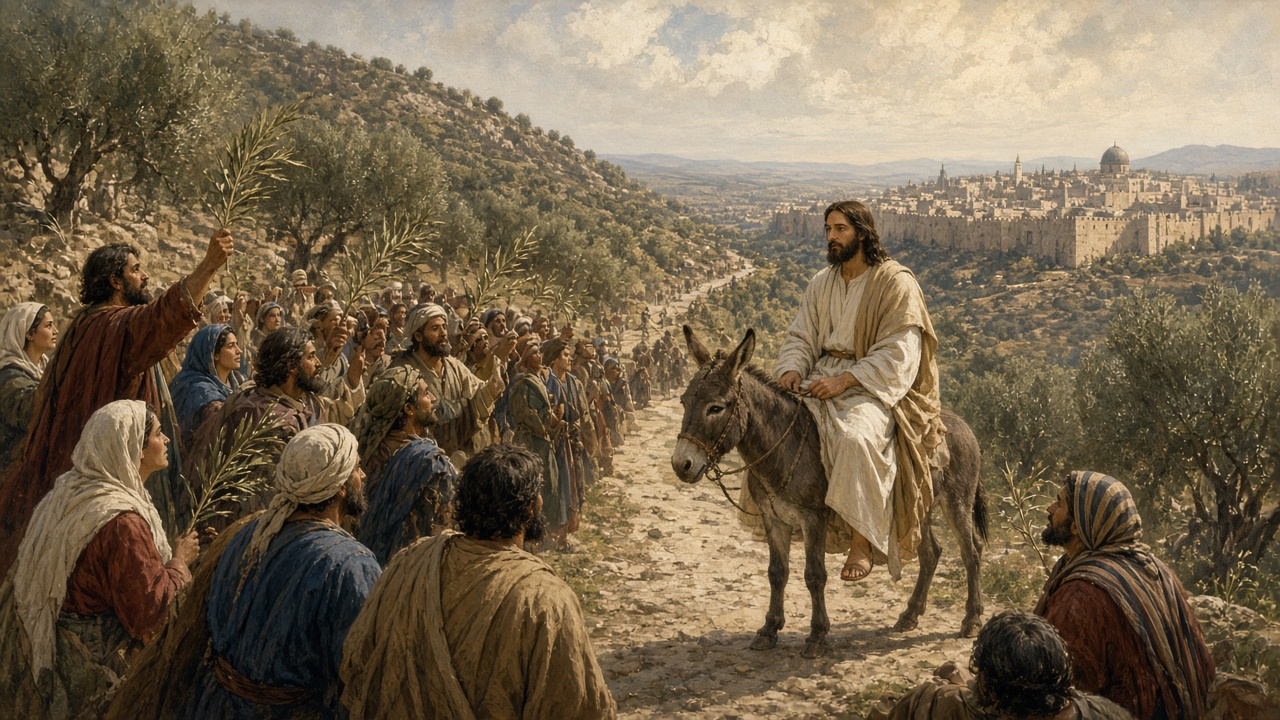
—¡Hosánna! ¡Nim u ʼij i Dios! ¡Dios chu ya ni ʼutz puwi i jun-i chi u takom na lok! ¡Chu ya ni ʼutz puwi i jun-i chi ka ʼAtol Tzij yoj oj aj Israel winak! —xe cha.
14I Jesus xu rik jun buru, y xa ʼan chirij. Xeʼelok pacha i tzʼibtal chupam i wuj ujer, man i Dios u bim canok:
15Mi xij iwib yix chi ix aj Sion;
chiwilapeʼ, ya xcʼun i ʼAtol Tzij yix ʼan-nak chirij jun ral buru.
(Queje ile tzʼibtal ujer chupam i wuj re i Dios.)
16I u tijoxelab i Jesus, are xquil ile, n-xqui ta tu be wach usucʼ. Xoʼon panok, are xocsax u ʼij u chomal, teʼuri xcʼun chi qui cʼux chi are i xeʼelok pacha i tzʼibtal can ujer.
17I winak chi quilom wach i u ʼanom i Jesus che i ma Lázaro, xqui paxsaj rason wach i quilom: chi Jesus xu siqʼuij i ma Lázaro pa i muktal wi, y xu cʼunsaj sak chuwach. 18Rumal-i, je qʼui i winak xe walij chu cʼulaxic i Jesus; ique qui tom rason wach i milágro xoʼon che i ma Lázaro. 19Are ʼuri i Fariséo xqui bij chiquiwach:
—Ya xiwilo, lic n-ta queʼel wi wach i caka ʼano. Chiwilapeʼ, conojel i winak que terej chirij —xqui bij.
ʼO i aj Griégo winak xqui tzucuj i Jesus
20Je qʼui i je upon-nak pa Jerusalen ca ʼe qui cojbej u ʼij i Dios chupam i nimaʼij-le. Chiquixol ique je ʼo juban aj Griégo winak. 21Ique-le xe tejeb ruʼ i ma Felípe chi aj pa tinimit Betsáida re i Galiléa, y xqui bij che:
—Nim laj winak, cakaj cakil u wach i Jesus —xe cha.
22I ma Felípe xa ʼe chu bixquil che i ma Andres. Teʼuri che queb, xe ʼe chu bixquil che i Jesus chi je ʼo i aj Griégo winak quiqui chʼob rakan. 23Teʼuri i Jesus xu bij chique:
—Ya xu rik i ʼij ca ʼalijinsax in ʼij yin chi in Achi aj Chicaj —xcha.
24(Teʼuri i Jesus xu bij jun tijojbal tzij cumal i aj Griégo:)
—Pacha coʼon ija re i trígo are ca tiquic: jun ija, we cu ya u wach, nabe ʼo u chac ca mukic. We n-ca muk taj, n-tu wach cu yaʼo. We xmukic, calax tan chic y cu ya u qʼuial u wach. (Queje coʼon ile chwe yin are quin muktajic.) 25(Queje ile coʼon i ka cʼaslemal.) Pachin jun toʼ cʼax cu na u cʼaslemal waral chuwach i jyub taʼaj, cu sach u wach u cʼaslemal chila chicaj. Péro we ʼo jun, n-cʼax ta cu na u cʼaslemal waral chuwach i jyub taʼaj, are cu chʼac u cʼaslemal ʼuri chi n-ca qʼuis ta chic. 26We ʼo jun craj cu ʼan in chac, cha terej chwij, man pa in ʼo wi yin, xak chila ca qʼuiji wi i wajchac. We ʼo jun cu ʼan in chac yin, in Kajaw cu coj na ʼuri u ʼij.
I Jesus xu bij wach i camic quicʼaw wi
27Woʼor lic ca cʼachir in cʼux. ¿Wach quin ʼan ʼut? ¿Xataba quin bij che in Kajaw: “Chin awesaj chuwach i camic chi ca pe chwij,” quin cha? N-quin bij taj, man xa rumal ile xin cʼun chuwach i jyub taʼaj —xcha.
28Teʼuri xu bij:
—Ta, cha cʼutu li a choʼab, quiqui cojbej ni a ʼij i winak —xu bij. Are ʼuri xtataj jun tzij chi xchʼaw li chicaj:
—Ya in ʼanom chic, y quin ʼan tan chic —xu bij i tzij.
29I winak chi je ʼo chila, are xqui ta i tzij chi xchʼaw li chicaj, xqui bij chi are ray xchʼawic. Xak ʼo xqui bij:
—Jun ángel xchʼaw li che —xe cha.
30I Jesus xu bij chique:
—Are i chʼawbal xi ta, n-rumal taj we quin ta yin, xa iwumal yix (man quiwetambej-re in pachin yin). 31Ya xu rik i ʼij chi Dios cu ʼan ʼatbal tzij puwi i jyub taʼaj; ya xu rik i ʼij chi quelsax itzel chi ʼatol tzij re i jyub taʼaj. 32Yin, are quin yactaj ʼanok, are ʼuri conojel i winak quin ʼan chique chi que cʼun wuʼ —xu bij. 33Are i tzij xu bij-le, are tabal-re chique wach u ʼonquil i camic quicʼaw wi. 34Are ʼuri i winak xqui bij che:
—Yoj ka tom chic wach cu bij i tzij chupam u wuj i Dios; cu bij chi Crísto, n-tu qʼuisic u cʼaslemal. ¿Wach u chac ʼuri ca bij yet chi cat yactaj ʼanok (cat camsax chuwach cruz), we yet at i Achi aj Chicaj? ¿Pachin ʼuri i Achi aj Chicaj-le? —xqui bij che.
35Teʼuri i Jesus xu bij chique:
—Xa queb oxib ʼij chic ʼo i sak iwuʼ (chi are yin). Chix binok, tzʼakat cʼo i sak iwuʼ, mokxa ca pe i ʼekumal piwi. Are i ca bin pa ʼekumal n-retaʼam taj pa ca ʼe wi. 36Chi cuba i cʼux chwe tzʼakat in ʼo iwuʼ; quix eʼel ʼuri ix wacʼal.
I Jesus, are xbitaj ile rumal, xel chiquixol; n-xquetamaj taj pa i xa ʼe wi.
37I winak, tupu qʼui i milágro u ʼanom i Jesus chiquiwach, mi ne ruʼ ile n-quiqui cuba ta qui cʼux che. 38Queje ile queʼelok pacha xu bij i mam Isaías ujer. Xu bij:
Kajwal, ¿pachin nawi coj cojowic, wach i ka bim?
¿Pachin nawi quiqui ta u be i nimak tak ʼanic chi u ʼanom i Dios?
(Queje ile tzʼibtalic.)
39Rumal-i, n-xqui coj taj, man i qui nojbal queje pacha u tzʼibam i mam Isaías ujer. Xu bij:
40I Dios xoʼon mawach che i qui nojbal; xak xoʼon chique n-xcaj tu cʼamic u tzij piqui cʼux;
queje ile xoʼon chique man n-quiquil tu be usucʼ, xak n-quiqui ta tu be piqui cʼux,
xak n-que cʼun ta wuʼ, col qui cunbej quib.
41I mam Isaías xu bij i tzij-i are xril u wach u chomal i Crísto pu wach. Man i tzij chi xu bij-i, xu lapbej re i Jesus.
42Katzij pacha i xu bij i mam Isaías ujer; ʼo i n-xe cojon taj, xui-ri, je qʼui i aj Israel winak xqui cojo, xak ʼo i je qui wi qui jolom xe cojowic. Péro n-quiqui ʼalijinsaj taj, man quiqui xij quib chique i aj Fariséo; ique we xquetamaj, n-que qui cʼulaj ta chic cuʼ pa qui molbalʼib. 43N-xqui ʼalijinsaj taj, man mas quiqui tzucuj u cojbal qui ʼij cumal i winak chuwach u tzucuxic u cojbal qui ʼij rumal i Dios.
Ca pe tojbal mac piquiwi i n-que cojon ta che i u tzij i Jesus
44I Jesus co xchʼawic, y xu bij:
—Are i cu cuba u cʼux chwe yin, queʼelok n-xui ta chwe yin cu cuba wi u cʼux, xak cu cuba u cʼux che i Ta chi in takawnak lok. 45Are i quin u takej, xak cu takej i xin takaw lok. 46In cʼun-nak chuwach i jyub taʼaj pacha i sak re i paʼij. Rumal-i, pachin jun cu cuba u cʼux chwe yin, n-ca qʼuiji ta pa ʼekum. 47We ʼo jun cu ta in tzij quin bij, y n-cu cuba tu cʼux chwe, ʼo ni tojbal-re che, péro n-yin ta quin ʼanaw ʼuri che. Man yin xin cʼun chuwach i jyub taʼaj, n-in ti aj yol tojpen chiquij i winak, man are in chac yin, are ʼelsabal-que chi sak. 48Pachin n-cu cuba tu cʼux chwe, y xak n-cu coj ta in tzij, ʼo chic ʼuri ca ʼataw tzij puwi. Are in tzij chi in bim che, are ca ʼataw tzij puwi are cu rik i qʼuisbal ʼij. 49Man niʼpa i tzij chi quin bij, n-in nojbal ti yin. I Ta chicaj chi in takawnak lok are bin-nak chwe wach i quin bij y wach i quin cʼutu. 50Yin wetaʼam chi i tzij xin u tak li chu bixquil, pachin i xu cojo, cu rik ʼuri u cʼaslemal chi n-ca qʼuis ta chic. Niʼpa i quin bij, ʼis are quin bij pacha xin u tak li Ta chu bixquil —xu bij i Jesus chique.
Did you know?
The Anointing at Bethany and the Entry into Jerusalem
- Bethany, where Jesus arrived six days before the Passover, lay about two miles east of Jerusalem on the southeastern slope of the Mount of Olives, along the road to Jericho, and took its name from the palm trees that grew there. It was the home of Lazarus, whom Jesus had raised from the dead after four days in the tomb, and of his sisters Martha and Mary; the chief priests planned to kill Lazarus as well, because on his account many people were believing in Jesus.Sources: the Bible text itself · Bethany · Lazarus
- At a dinner where Martha served and Lazarus reclined at the table, Mary anointed Jesus' feet with about a pint of expensive perfume made of pure nard and wiped them with her hair, so the house was filled with the fragrance. Judas Iscariot, son of Simon, whose surname means a man of Kerioth, asked why it was not sold for three hundred denarii for the poor; he was a thief who, as keeper of the money bag, used to take from what was put into it, and he was going to betray Jesus.Sources: the Bible text itself · Judas Iscariot · Simon
- The next day the great crowd that had come for the feast took palm branches and went out to meet Jesus as he came to Jerusalem, seated on a young donkey, shouting praise to the King of Israel, as it is written of the Daughter of Zion. Zion was the southeastern hill of Jerusalem, where David built a citadel and a palace after taking it, so that it became the city of David. At first his disciples did not understand these things, but after Jesus was glorified they remembered that they had also been written about him.Sources: the Bible text itself · Zion
Notes written with AI assistance from open sources (Theographic Bible Metadata, CC BY-SA 4.0; Easton’s Bible Dictionary, public domain) and reviewed before publishing.
Places in this chapter
- Jerusalem · 31.777, 35.234 · verses 11, 12, 20
- Zion · Today: Jerusalem · 31.777, 35.234 · verse 15
- Galilee · 32.760, 35.527 · verse 21
Only places identified with high confidence are shown (90% or more according to the scholarly sources compiled by OpenBible). Period map: DARE (Digital Atlas of the Roman Empire), CC BY 4.0; modern map: © OpenStreetMap contributors; places: OpenBible.info (CC BY 4.0).
Credits and license for this translation
I 'utz laj tzij re i dios
New Testament in Achi (I 'utz laj tzij re i dios)
copyright © 2009 Wycliffe Bible Translators, Inc.
Language: Achi
Dialect: Cubulco
Translation by: Wycliffe Bible Translators, Inc.
Achi, Cubulco
Achi' is a Mayan language very
closely related to K'iche' (Quiché in the older orthography). It is spoken by the
Achi people, primarily in the area of Baja Verapaz in Guatemala. There are two Achi'
dialects. Cubulco Achi' is spoken by approximately 48,000 people in the Cubulco area
west of Rabinal area. Rabinal Achi' is spoken by approximately 37,000 people in the
Rabinal area.
El Nuevo Testamento
en el idioma Achí de Cubulco de
Guatemala
Ediciones anteriores
Segunda edición
©2009, Wycliffe Bible
Translators
Primera edición
Publicado por
©1984, Sociedad Bíblica
Internacional
Copyright Information
© 2009, Wycliffe Inc. All rights reserved.
This translation text is made available to you under the terms of the Creative
Commons License: Attribution-Noncommercial-No Derivative Works. ( http://creativecommons.org/licenses/by-nc-nd/3.0/ ) In addition, you have
permission to port the text to different file formats, as long as you do not change
any of the text or punctuation of the Bible.
You may share, copy, distribute, transmit, and extract portions or quotations from
this work, provided that you include the above copyright information:
You must give Attribution to the work.
You do not sell this work for a profit.
You do not make any derivative works that change any of the actual words or
punctuation of the Scriptures.
Permissions beyond the scope of this license may be available if you contact us
with your request. If you want to revise a translation, use a translation in an
adaptation, or use a translation commercially, we will consider your request.
NT:segunda edición
The New Testament
in Achi
© 2009, Wycliffe Inc. All rights reserved.
This translation is made available to you under the terms of the
Creative Commons Attribution-Noncommercial-No Derivatives license 4.0.
You may share and redistribute this Bible translation or extracts from it in any format, provided that:
You include the above copyright and source information.
You do not sell this work for a profit.
You do not change any of the words or punctuation of the Scriptures.
Pictures included with Scriptures and other documents on this site are licensed just for use with those Scriptures and documents.
For other uses, please contact the respective copyright owners.
2013-01-05
Source: http://ebible.org/acr-acc/ · eBible.org