Genesis 9
Uisneno In Kabin ma Prenat: Rais Manba'an Fe'u nok Reta' Ahun-hunut · Tap a verse to see its cross-references.
Uisneno nahakeb rais manbaꞌan nok naiꞌ Noh
1Uisneno nfee tetus-athoen neu naiꞌ Noh ma in fee-anah sin. In naꞌuab am nak, “Hi mihoniꞌ ma mimsaiꞌ he miheun pah-piin ii mtein. 2Muiꞌ fui ngguin ma koro, ikaꞌ of namtausan ki. Au ꞌnonaꞌ sin ꞌeu ki. 3Hi bole meuk muiꞌt ein naan sin siisk ein on reꞌ hi bole miah aiꞌ meuk hau fuaꞌ sin. Au ꞌfee areꞌ saaꞌ-saaꞌ ein reꞌ ia ꞌeu ki.
4Mes hi kais meuk sisi reꞌ in naaꞌ ee ka nsai npoi fa feꞌ, natuin muiꞌt ein sin aꞌmoink ein et naaꞌ naan.
5Au ꞌmoeꞌ mansian ii natuin Au huumk am Au masak, Au moeꞌk am Au taos. Es naan ate, kais amroor mansian. Karu nmuiꞌ tuaf, aiꞌ muꞌit, naꞌmaet mansian, hi ro he miꞌmaet je msaꞌ. Prenat reꞌ ia, neem naꞌko Kau. 7Hi ro he mihoniꞌ ma mimsaiꞌ, he miheun pah-piin ii mtein.”
8Uisneno ntuut In uaban naan am nak, 9“Oras ia, Au he uhakeꞌ manbaꞌan ꞌok ki tar antea hi sufam-kauꞌm ein imsaꞌ. 10Rais manbaꞌan reꞌ ia nmatoon nok areꞌ kanan amonit amsaꞌ. Esan reꞌ: muiꞌ aem, muiꞌ fui, ma koro. Paraꞌ te, apoit ein reꞌ nok ki naꞌko bnao naan in nanan. 11Au rais manbaꞌan naan, on nai: Au ka ꞌfee ꞌteniꞌ fa noe sakoꞌ he nmemun naꞌmaet areꞌ kanan amonit anbin pah-pinan ia.
12Au ꞌtao Au eons ee ꞌbi neon goe he nfain tanar. Enous naan, of namnaubaꞌ Kau ꞌeu Au rais manbaꞌan ia reꞌ ka natfeek niit fa ꞌeu ki, ꞌeu amoint ein ok-okeꞌ, ma ꞌeu pah-pinan ia msaꞌ. 14Karu nmuiꞌ nope nbi neno, rarit eons ee npoi, in of namnaubaꞌ Kau mnak: noe sakoꞌ of ka nareꞌu nteniꞌ fa areꞌ amoint ein nbin pah-pinan ia. Nok ranan naan, Au rais manbaꞌan abar-barat ia, nmafuut piut nok ki, ma nok areꞌ kanan amonit.”
Naiꞌ Noh anmauf tua min-kase
18Naiꞌ Noh in aanh ein reꞌ npoin naꞌkon abnao naan esan reꞌ: naiꞌ Sem, naiꞌ Yafet, ma naiꞌ Ham. (Naiꞌ Ham naan, es reꞌ naiꞌ Kanaꞌan in amaf). 19Mansian pah-pinan ia ok-okeꞌ, amneemk ein naꞌkon naiꞌ Noh in aan teun ein reꞌ ia.
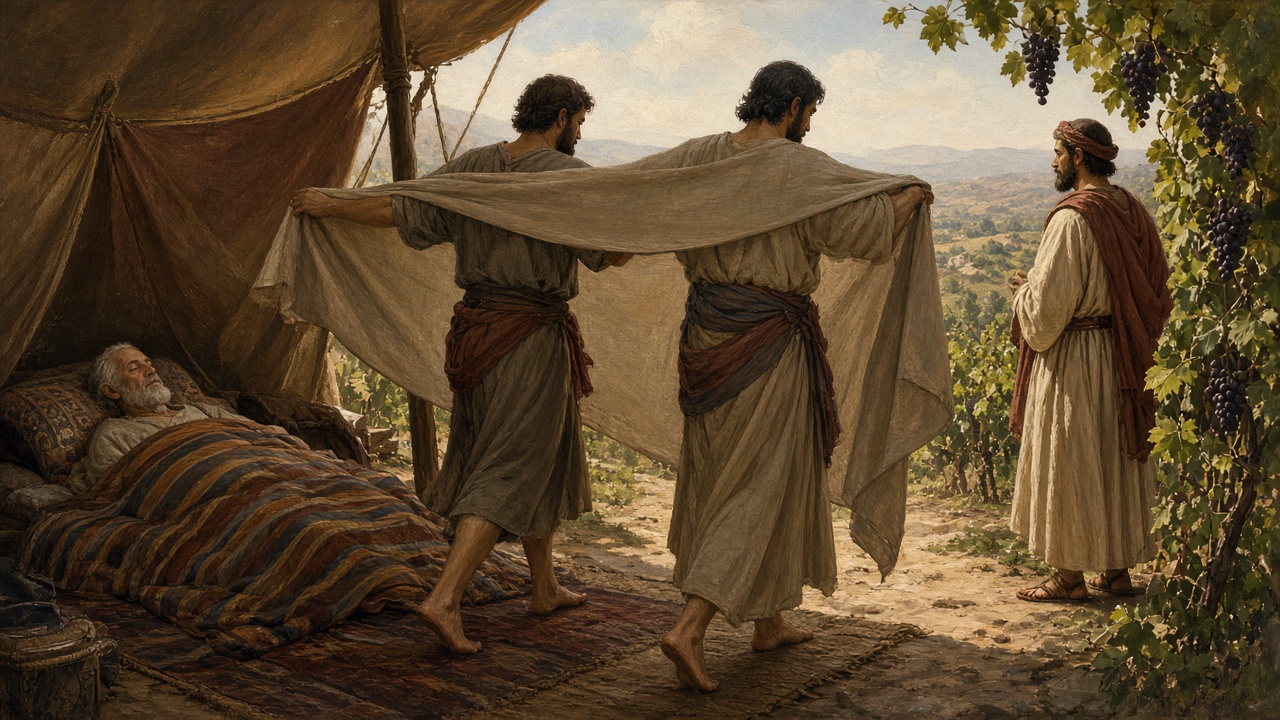
20Naiꞌ Noh naan, atoin tani. In es reꞌ aroe hau anggur ahun-hunut. 21Neot es, naiꞌ Noh niun raur anggur tar antea nmauf ka nahiin jon fa. Onaim in nhoroꞌ nain in paken, rarit in ntuup natneen af-aaf aah nbi in tenas. 22Oras naiꞌ Ham antaam ate, in niit in aamf ee ntuup aaf aah. Onaim in naen anpoi, ma nnao natonan in tataf, naiꞌ Sem ma naiꞌ Yafet. 23Rarit sin nua sin naitin tais ma npiraꞌ naꞌratan tais naan anbi sin haunk ein. Rarit sin nnaon ntet-kotin ntaman neun tenas naan, ma nkuub naan sin amaf. Sin ka niit fa sin aamf ee ꞌmaen. Rarit sin npoin nfanin.
24Oras naiꞌ Noh in mauf goe okeꞌ, in nahiin in aan moen aheit suus goe in aꞌmoꞌen. 25Rarit in naꞌuab am nak, “Hoe! Kanaꞌan amaf! Au ꞌkaas ko! Ho of amfain ate meu sin ho tataꞌ!
26Pures-boꞌis neu UISNENO, natuin naiꞌ Sem!
Mes naiꞌ Kanaꞌan anjair naiꞌ Sem in aan renuꞌ.
27Maut he Uisneno anfeons am anhainua ntein naiꞌ Yafet in pah.
Ma in suufk ein nmonin nbin mamut ma rameꞌ nok naiꞌ Sem in sufan.
Mes maut he naiꞌ Kanaꞌan anjair naiꞌ Yafet in aan rekaꞌ.”
28Anmurai naꞌko noe sakoꞌ naan anmeit, naiꞌ Noh anmoni ntein toon natun tenu mboꞌ niim (350). 29In nmaet oras in nmoin naan toon natun seo mboꞌ niim (950).
Did you know?
Noah's Covenant and the Words about His Sons
- God makes a covenant with Noah, with his descendants, and with every living creature that came out of the ark, promising never again to destroy all life by a flood. The sign is a rainbow set in the clouds, for all generations. One chronology dates this covenant to 2346 BC.Sources: the Bible text itself · God makes a covenant with Noah
- Genesis 9 says the whole earth was populated from Shem, Ham, and Japheth. Shem is explained as 'a name' or 'renown,' probably the eldest and the ancestor of the Israelites, though Japheth is also described as perhaps first by birth. Japheth means 'wide spreading,' a play on the Hebrew 'God shall enlarge Japheth,' and is linked to many tribes in the east of Europe and the north of Asia; Ham, meaning 'warm' or 'hot,' and hence the south, is called Noah's youngest son.Sources: the Bible text itself · Shem · Japheth · Ham
- Noah, a man of the soil, plants a vineyard, drinks the wine, and lies uncovered in his tent. Shem and Japheth cover him while walking backward, faces turned away, an act a dictionary calls filial piety and the occasion of the prophecy that Japheth's descendants would spread. The curse is spoken against Canaan, Ham's fourth son, because of what his father had done; one chronology dates the episode to 2345 BC.Sources: the Bible text itself · Japheth · Canaan · Noah gets drunk and Canaan is cursed
Notes written with AI assistance from open sources (Theographic Bible Metadata, CC BY-SA 4.0; Easton’s Bible Dictionary, public domain) and reviewed before publishing.
Credits and license for this translation
Uisneno In Kabin ma Prenat: Rais Manba'an Fe'u nok Reta' Ahun-hunut
Genesis and the New Testament in the Amarasi language of Indonesia
Kejadian dan Perjanjian Baru dalam bahasa Amarasi dari
copyright © 1999-2014 Unit Bahasa dan Budaya, Kupang NTT, Indonesia
Language: Amarasi
Translation by: Wycliffe Bible Translators
This translation is made available to you under the terms of the
Creative Commons Attribution-No Derivatives license 4.0.
You may share and redistribute this Bible translation or extracts from it in any format, provided that:
You include the above copyright and source information.
You do not make any derivative works that change any of the actual words or punctuation of the Scriptures.
Pictures included with Scriptures and other documents on this site are licensed just for use with those Scriptures and documents.
For other uses, please contact the respective copyright owners.
2022-03-11
Source: http://ebible.org/aaz/ · eBible.org