Genesis 21
Uisneno In Kabin ma Prenat: Rais Manba'an Fe'u nok Reta' Ahun-hunut · Tap a verse to see its cross-references.
Ain Saraꞌ nahoniꞌ naiꞌ Isak
1Rarit UISNENO nateabaꞌ neu ain Saraꞌ saaꞌ reꞌ In nbaꞌan anrair je. Naiꞌ Abraham namnais jen, mes ain Saraꞌ naꞌapuꞌ. Oras in he nahoniꞌ, naiꞌ Abraham anmoin naan toon nautn es (100). Antea in oors ate, in nahoniꞌ riꞌaan moen jes. Rarit naiꞌ Abraham nakanab riꞌanaꞌ naan, naiꞌ Isak (reꞌ in aꞌmoufn ii ‘in main’).
Rarit ain Saraꞌ naꞌuab am nak, “Uisneno nmoeꞌ kau he ꞌmain, natuin oras ia au ꞌmariin. Biak ein nateenb ein, au ka neu he uhoniꞌ fa ꞌbi oras au umnais on reꞌ ia. Te kaah, amneon ii, maski au moen je namnais reꞌ-reuꞌf een, mes au feꞌ uhoniꞌ ꞌaan ne riꞌaan es. Onaim oras ia, sekau-sekau reꞌ anneen rasi ia te, sin of anmanin on reꞌ au msaꞌ.”
Oras in nmoin naan neno faun, naiꞌ Abraham naꞌheriꞌ naiꞌ Isak, natuin Uisneno In aprenat.
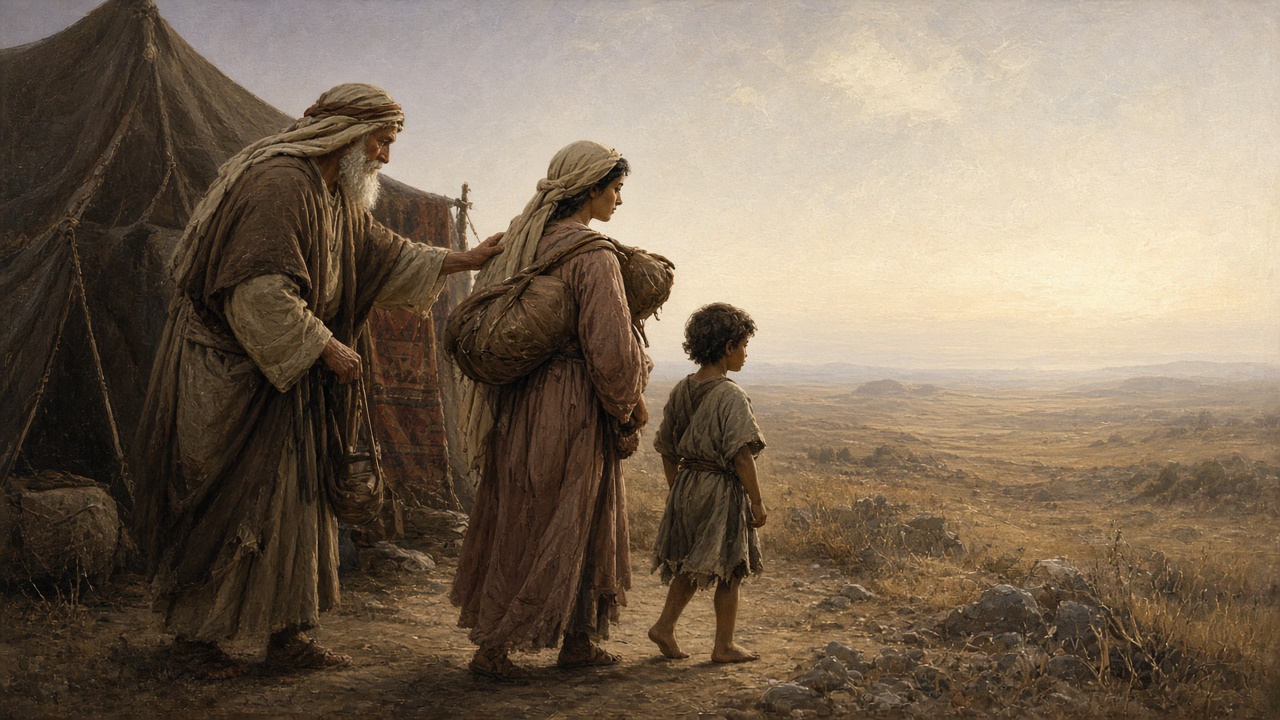
Sin nriuꞌ ain Hagar am in anah naiꞌ Ismaꞌel
8Rarit naiꞌ Isak naꞌnae. Oras sin he nsoer je te, amaf naiꞌ Abraham nmoeꞌ fesat koꞌu.
9Neot es, ain Saraꞌ nkius niit naiꞌ Abraham in fee muniꞌ ain Hagar in anah naiꞌ Ismaꞌel anmabuir nok naiꞌ Isak. Onaim ain Saraꞌ naꞌuab neu in moen je mnak, “Amriuꞌ mupoitan ate naꞌko Masir naan nok in anah! Natuin au ka ꞌroim fa he aet je in aanh ee napein pusaak saaꞌ-saaꞌ. Maut he au anah naiꞌ Isak anmees es reꞌ anpaar nain pusaak ein okeꞌ.”
11Anneen ain Saraꞌ in uaban naan ate, naiꞌ Abraham nnaben ate ka reko fa, natuin naiꞌ Ismaꞌel naan, in aanh aa msaꞌ. 12Mes Uisneno naꞌuab neu naiꞌ Abraham am nak, “Abraham! Ho kais mutenab ho fee muin aan nok in aanh aan. Mutuin ain Saraꞌ in roim naan. Natuin Au ꞌbaꞌan aꞌrair ꞌak ho of musuuf muꞌko naiꞌ Isak. 13Mes Au ꞌfee tetus amsaꞌ ꞌeu ho fee muniꞌ naan in anah. Natuin in ho sisim ho naam amsaꞌ. In suufk ein of anjarin uuf es.”
14Nokaꞌ kik-kiku on naan ate, naiꞌ Abraham nabarab oe-betiꞌ neu ain Hagar, ma nasniinb ee oe nbi baer es, reꞌ anmoeꞌ je naꞌko pasu. Rarit in nafetin bifee naan ma in anah he nnaon nmesen. Rarit sin nnaon nfuun baer ruman anpaumaak Beer Seba.
15Oras sin oe mniun ee okeꞌ te, ain Hagar nasaitan riꞌanaꞌ naan anbi hau aan es in mafon. 16Onaim in natenab am nak, “Karu in natfeek am au ꞌhak-hake te, au neek ii nsuus anmaet.” Rarit in ntet-koit, ma nnao ntook seor naꞌroo naꞌko riꞌanaꞌ naan of oniꞌ meter boꞌ niim. Rarit in nkae nmeꞌ-meꞌur.
17Uisneno nneen naiꞌ Ismaꞌel ankae msaꞌ, rarit In ameupt es neem naꞌko sonaf neno tunan, ma nhaman ain Hagar am nak, “Hagar! Nansaaꞌ am es ho msuus on reꞌ naan? Kais mumtau, Uisneno nneen anrair ho aanh ee in kaet. 18Oras ia, mfeen ma mnao mkius riꞌanaꞌ naan. Amhaan mau goe ma mhaꞌtain in nekan, natuin Au of aꞌmoeꞌ in sufan sin anjarin too uuf maꞌtain es.”
19Rarit Uisneno nfei ain Hagar in maatk ein, ma in niit oe maat es anbi naan. Onaim in neik baer oe, ma nnao nakain oe, rarit in neik je ma naꞌinuꞌ riꞌanaꞌ naan.
20Onaim naiꞌ Ismaꞌel nok in ainaf natuan nbin baer ruman Paran. Naꞌko neno neu neno, in naꞌnae, ma in njair atoin akrao reok goes. Rarit in ainf ee nasaob ee nok bifee muinf es naꞌko pah Masir. Rasin ia njarin, natuin Uisneno nok naiꞌ Ismaꞌel.
Naiꞌ Abraham ma usif Abimerek anmaraem ein nbin Beer Seba
22Oras naan, usif Abimerek, nok in meo paeꞌ makenat, naiꞌ Fikor, neman ma natefan nok naiꞌ Abraham. Usif naan naꞌuab am nak, “Abraham! Hai mihiin mak Uisneno nok ko. Etun ho mmoeꞌ saaꞌ-saaꞌ aah, ro he njarin on naan. 23Onaim oras ia, au ꞌtoit ko he msuup ambi Uisneno In matan, mak ho of ka mputa-kriu kau fa, ꞌok au anah-upuf sin ok-okeꞌ. Natuin au ꞌmoeꞌ reko ꞌok ko, es naan ate ho ro he mmoeꞌ reko mok kau nbi pah ia msaꞌ.”
24Onaim naiꞌ Abraham nataah am nak, “Reko, tua! Au ꞌsuup.”
25Mes rarit naiꞌ Abraham natraak neu usif naan am nak, “Aam usiꞌ, ho too ngguin nasiik naan au oe maat hain es.”
26Anneen on naan ate, usif naan nataah am nak, “Ahh! Au feꞌ aꞌneen rasi ia. Nansaaꞌ am es ho ka mutoon fa naꞌko af-afi naa? Au ka uhiin fa neu sekau es anmoeꞌ on reꞌ naan.”
27Rarit naiꞌ Abraham ma naiꞌ Abimerek nmoꞌen rasi tfekaꞌ. Naiꞌ Abraham nait bijae ma ꞌbib-kase ma nfee sin neu usif. Rarit in npiir intein ꞌbib-kaes tipuꞌ manaꞌ hiut. 29Rarit uisf ee nataan ee mnak, “Nansaaꞌ am es ho mmoeꞌ on naan?”
30On nai te, naiꞌ Abraham natoon am nak, “Aam usiꞌ. Amtoup aꞌbib-kaes tiup ein ia, he njarin tanar nak aam usiꞌ ho mmanakuꞌ mak au es aꞌhain oe haniꞌ reꞌ ia.”
31Natuin sin nua sin nmoꞌen nrarin rasi tfekaꞌ nbin bare naan, es naꞌ sin nakanab bare naan Beer Seba. In aꞌmoufn ii nak ‘Oe ꞌHain Supat’.
32Sin nsupan nrarin on naan ate, usif naiꞌ Abimerek nok in meo paeꞌ je nfanin on sin pah Filistin. 33Rarit naiꞌ Abraham nseen hau tamareska uuꞌ goes nbi Beer Seba. Anmurai naꞌko oras naan, hau naan anjair tanar amnaubaꞌ neu naiꞌ Abraham, nak in naꞌbees neu UISNENO reꞌ Amonit Nabar-baar anbi bare naan. 34Rarit naiꞌ Abraham natua on reꞌ anao-amnemat tar aꞌroo nbi atoin Filistinas sin pah.
Did you know?
Isaac’s birth, Hagar’s departure, and Beersheba
- Abraham was a hundred years old when Sarah bore him Isaac, their only son together, and he circumcised the child at eight days old, as God had commanded. Sarah said that God had made her laugh, and that everyone who heard of this would laugh with her. Easton's Bible Dictionary (1897) notes that a great feast was held when Isaac was weaned, probably when he was about two years old.Sources: the Bible text itself · Isaac
- Hagar, whose name is explained as “flight” or, according to others, “stranger,” was an Egyptian and Sarah’s handmaid, whom Sarah gave to Abraham as a secondary wife. After Isaac’s birth, Abraham sent Hagar and their son Ishmael into the Wilderness of Beersheba with bread and a skin of water. Ishmael later settled in the Wilderness of Paran, a desert tract in the northeastern Sinai Peninsula between the Arabah on the east and the wilderness of Shur on the west, became a great archer, and his mother got him a wife from Egypt.Sources: the Bible text itself · Hagar · Paran
- Beersheba, “well of the oath” or “well of seven,” was named when Abraham and Abimelech swore an oath there over a well that Abraham said he had dug; he set apart seven ewe lambs as a witness, and the two made a covenant. Phicol, chief captain of the army of Abimelech, the Philistine king of Gerar, entered that alliance with Abraham. Abraham then planted a tamarisk at Beersheba and lived for a long time in the land of the Philistines.Sources: the Bible text itself · Beersheba · Phichol
Notes written with AI assistance from open sources (Theographic Bible Metadata, CC BY-SA 4.0; Easton’s Bible Dictionary, public domain) and reviewed before publishing.
Places in this chapter
Only places identified with high confidence are shown (90% or more according to the scholarly sources compiled by OpenBible). Period map: DARE (Digital Atlas of the Roman Empire), CC BY 4.0; modern map: © OpenStreetMap contributors; places: OpenBible.info (CC BY 4.0).
Credits and license for this translation
Uisneno In Kabin ma Prenat: Rais Manba'an Fe'u nok Reta' Ahun-hunut
Genesis and the New Testament in the Amarasi language of Indonesia
Kejadian dan Perjanjian Baru dalam bahasa Amarasi dari
copyright © 1999-2014 Unit Bahasa dan Budaya, Kupang NTT, Indonesia
Language: Amarasi
Translation by: Wycliffe Bible Translators
This translation is made available to you under the terms of the
Creative Commons Attribution-No Derivatives license 4.0.
You may share and redistribute this Bible translation or extracts from it in any format, provided that:
You include the above copyright and source information.
You do not make any derivative works that change any of the actual words or punctuation of the Scriptures.
Pictures included with Scriptures and other documents on this site are licensed just for use with those Scriptures and documents.
For other uses, please contact the respective copyright owners.
2022-03-11
Source: http://ebible.org/aaz/ · eBible.org