2 Timothy 4
Xwɨyí̵á Gorɨxoyá Sɨŋí̵pɨrɨnɨ · Tap a verse to see its cross-references.
“Xwɨyɨ́á Gorɨxoyápɨ wáɨ́ urɨrɨ xɨxenɨ erɨ éɨrɨxɨnɨ.” urɨŋɨ́ nánɨrɨnɨ.
1Kiraisɨ Jisaso nɨweapɨrɨ ámá nɨyonɨ sɨŋánɨ nɨwimónɨmáná mɨxɨ́ ináyɨ́nɨŋɨ́ nerɨ ámá xɨ́oyáyɨ́ xwioxɨ́yo mɨmeámɨ́ erɨ pegɨ́áyoranɨ, sɨnɨ sɨŋɨ́ nimónɨrɨ ŋweagɨ́áyoranɨ, womɨ womɨ pɨ́á nɨméra urɨ enɨ́á eŋagɨ nánɨ o tɨ́nɨ Gorɨxo tɨ́nɨ awaú sɨŋwɨ́ anɨgɨ́íe dánɨ xwɨyɨ́á apimɨ joxɨ wiárɨ́ mɨmúropaxɨ́ imónɨŋɨ́ rɨpɨ orɨrɨmɨnɨ. 2Xwɨyɨ́á Gorɨxoyápɨ wáɨ́ urɨ́ɨrɨxɨnɨ. “Arɨ́á owianeyɨ.” wimónarɨŋagɨ nɨwɨnɨrɨ́náranɨ, “Arɨ́á mɨwipa oyaneyɨ.” wimónarɨŋagɨ nɨwɨnɨrɨ́náranɨ, wáɨ́ urɨrɨ nánɨ ipɨmónɨ́ɨrɨxɨnɨ. Ámá Gorɨxoyá imónɨgɨ́áyɨ́ sɨpí yarɨŋagɨ́a nɨwɨnɨrɨ́ná wigɨ́ yarɨgɨ́ápɨ nánɨ ayá owudunɨnɨrɨ mɨxɨ́ urɨrɨ “Pɨ́nɨ wiárɨ́poyɨ.” urɨrɨ éɨrɨxɨnɨ. Jisasomɨ píránɨŋɨ́ ouxɨ́dɨ́poyɨnɨrɨ eŋɨ́ rɨrémɨxɨ́ wíɨrɨxɨnɨ. Apɨ apɨ nerɨ aí apaxɨ́ mé naŋɨ́ mimónarɨŋagɨ́a nɨwɨnɨrɨ́ná wikɨ́ tɨ́nɨ murɨ́ awayinɨ nuréwapɨya úɨrɨxɨnɨ. 3Ayɨ́ rɨpɨ nánɨ rɨrarɨŋɨnɨ. Xwɨyɨ́á eŋwɨpeárɨnɨŋɨ́pɨ ámá paimɨmɨ́ nɨwiro arɨ́á mɨwí epɨ́rɨ́íná rɨxa aŋwɨ erɨnɨ. Ayɨ́ apɨ arɨ́á mɨwí re epɨ́rɨ́árɨnɨ. Xwɨyɨ́á xegɨ́ bɨ imónɨŋɨ́pɨnɨ arɨ́á owianeyɨnɨrɨ wigɨ́ wimónarɨŋɨ́pɨ tɨ́nɨ xɨxenɨ uréwapɨyarɨgɨ́áyɨ́nɨ nɨmearo awí eámeámɨ́nɨŋɨ́ epɨ́rɨ́árɨnɨ. 4Xwɨyɨ́á nepaxɨŋɨ́ imónɨŋɨ́pɨ rɨ́wɨ́mɨnɨ nɨmamoro pɨyɨŋɨ́ ikayɨ́wɨ́yo arɨ́á nɨwiro xɨ́danɨro nánɨ epɨ́rɨ́árɨnɨ. 5Ayɨ́ e epɨ́rɨ́á eŋagɨ aí joxɨ dɨŋɨ́ naŋɨ́nɨ nɨmorɨ xɨxenɨ irɨ́niɨ́ éɨrɨxɨnɨ. Pí pí símeáɨ́pɨ sa xwámámɨ́ wirɨ ámáyo xwɨyɨ́á yayɨ́ neainarɨŋɨ́pɨ wáɨ́ urɨmemɨnɨrɨ erɨ Kiraisoyá xɨnáíxɨ́nɨŋɨ́ nimónɨrɨ omɨŋɨ́ wiirɨ́a nánɨ imónɨŋoxɨ ámáyo e wiíwɨnɨgɨnɨrɨ imónɨŋɨ́pɨ tɨ́nɨ xɨxenɨ erɨ éɨrɨxɨnɨ. 6Ayɨ́ rɨpɨ nánɨ rɨrarɨŋɨnɨ. Gorɨxo nánɨ naŋwɨ́ rɨdɨyowá nerɨ́ná ápiáwɨ́ xwé owenɨrɨ iniɨgɨ́ wainɨ́ iwayɨmoarɨgɨ́ápánɨŋɨ́ nionɨ gɨ́ ragɨ́ rɨxa iwayɨmoanɨro yarɨŋoɨ. Nionɨ nɨpɨkipɨ́rɨ́e aŋwɨ ayo eŋagɨ nánɨ rarɨŋɨnɨ. 7Nionɨ Kiraisomɨ nuxɨ́dɨrɨ́ná ámá “Xɨ́o xopɨrárɨ́ ninɨrɨ́enɨŋoɨ?” nɨyaiwinɨrɨ eŋɨ́ neánɨrɨ eŋɨ́ menarɨgɨ́ápánɨŋɨ́ yárɨ́áonɨrɨnɨ. Ámá yamɨyamúrónɨgɨ́ ninɨróná yoparɨ́ e múroarɨgɨ́ápánɨŋɨ́ yárɨ́áonɨrɨnɨ. Xwɨyɨ́á nene dɨŋɨ́ ɨkwɨ́roarɨŋwápɨ wí mɨmɨwiáró xaíwɨ́ ɨ́á nɨxɨra úáonɨrɨnɨ. 8Ayɨnánɨ ámá yamɨyamúrónɨgɨ́ ninɨróná xámɨ múróomɨ yayɨ́ wimoarɨgɨ́ápa nionɨ nánɨ enɨ rɨxa imónárɨnɨŋɨ́pɨ, ayɨ́ rɨpɨrɨnɨ. Ámɨnáo —O ámáyo pɨ́á nɨmerɨ́ná xɨxenɨ wigɨ́ yarɨgɨ́ápɨ tɨ́nɨ wiiarɨŋorɨnɨ. O yayɨ́ nɨnimorɨ Kiraiso eŋɨ́pimɨ dánɨ “Wé rónɨŋoxɨrɨnɨ.” nɨrárɨnɨ́ápɨrɨnɨ. Apɨ nionɨ nánɨnɨ mimónɨnɨ. Ayɨ́ ámá gɨyɨ́ gɨyɨ́ Kiraiso negɨ́ sɨŋwɨ́ anɨŋwaé weapɨ́wɨnɨgɨnɨrɨ wimónarɨgɨ́áyɨ́ nánɨ enɨ imónɨnɨ.
“Nionɨ tɨ́ŋɨ́ e nánɨ aŋɨ́nɨ bɨ́ɨrɨxɨnɨ.” urɨŋɨ́ nánɨrɨnɨ.
9Timotioxɨ sɨnɨ mé nionɨ tɨ́ŋɨ́ e nánɨ bɨrɨ́a nánɨ anɨŋɨ́ minɨ́ éɨrɨxɨnɨ. 10Ayɨ́ rɨpɨ nánɨ rɨrarɨŋɨnɨ. Dimaso amɨpí ámá Gorɨxomɨ mɨxɨ́darɨgɨ́áyɨ́ yarɨgɨ́ápɨ nánɨ wimónɨ́agɨ nɨniepɨsamoárɨmɨ aŋɨ́ Tesaronaikayo nánɨ úɨnigɨnɨ. Kɨresenɨso enɨ Garesia pɨropenɨsɨ́yo nánɨ úɨnigɨnɨ. Taitaso enɨ Darɨmesia pɨropenɨsɨ́yo nánɨ úɨnigɨnɨ. 11Ruko xegɨ́ xewɨnɨ nionɨ tɨ́nɨ ŋweaŋwiɨ. Ayɨnánɨ joxɨ Makomɨ nɨwirɨmeámɨ bɨ́ɨrɨxɨnɨ. O saŋɨ́ nɨrónaropaxɨ́ imónɨŋo eŋagɨ nánɨ rɨrarɨŋɨnɨ. 12Nionɨ Tikikaso rɨxa aŋɨ́ Epesasɨyo nánɨ urowárɨ́árɨnɨ. 13Joxɨ nɨbɨrɨ́ná gɨ́ iyɨ́á nɨpánoyɨ́ aŋɨ́ yoɨ́ Tɨrowasɨyo Kapasoyá aŋiwámɨ pɨ́nɨ wiárɨŋáú tɨ́nɨ bɨkwɨ́ tɨ́nɨ nɨmeáxa bɨ́ɨrɨxɨnɨ. E nerɨ́ná “Bɨkwɨ́ sipɨsipɨ́ wará tɨ́nɨ imɨxɨnɨŋɨ́pɨ, apɨ aŋɨpaxɨ́rɨ́anɨ?” nɨyaiwirɨ apɨ enɨ nɨmeáxa bɨ́ɨrɨxɨnɨ.
Arekɨsadao nánɨ urɨŋɨ́ nánɨrɨnɨ.
14Amɨpí ainɨxɨ́ tɨ́nɨ imɨxarɨŋɨ́ Arekɨsadao, o aga sɨpí nikárɨŋɨnigɨnɨ. E nikárɨ́agɨ aí Ámɨnáo xɨ́o nikárɨŋɨ́pɨ tɨ́nɨ xɨxenɨ pɨrɨ́ umamonɨ́árɨnɨ. 15O aga sɨpí nikárɨŋɨ́ eŋagɨ nánɨ joxɨ enɨ ámá omɨ sɨŋwɨ́ nɨwɨnaxɨ́dɨrɨ éɨrɨxɨnɨ. O none uréwapɨyemearɨŋwápɨ mɨmɨwiaíkɨ́ emɨnɨrɨ nánɨ mɨ́rɨmɨ́rɨ́ niaxɨ́dɨŋɨ́ eŋagɨ nánɨ rarɨŋɨnɨ.
“Ámá nɨniepɨsamoárɨmɨ úagɨ́a aí Gorɨxo éɨ́ nɨmímɨnɨŋɨ́rɨnɨ.” urɨŋɨ́ nánɨrɨnɨ.
16Iwamɨ́ó xwɨrɨxɨ́ nɨmearɨ́ná nionɨ wákwínɨmɨnɨrɨ xwɨyɨ́á urarɨ́ná ámá wo sopɨŋɨ́ mɨnó nɨ́nɨ nɨniepɨsamoárɨmɨ úɨ́awixɨnɨ. “E níɨ́ápɨ nánɨ Gorɨxo xwɨyɨ́á bɨ mumearɨpa éwɨnɨgɨnɨ.” nimónarɨnɨ. 17Ayɨ́ nɨniepɨsamoárɨmɨ úagɨ́a aiwɨ Ámɨnáo wí mɨniepɨsamó eŋɨ́ sɨxɨ́ nímɨxɨŋɨ́ eŋagɨ nánɨ nionɨ aŋɨ́ xwɨrɨxɨ́ niarɨgɨ́iwámɨ dánɨ xwɨyɨ́á nionɨ wáɨ́ rɨmearɨŋápɨ urarɨ́ná émáyɨ́ aŋɨ́ amɨ gɨmɨ dáŋɨ́yɨ́ arɨ́á nigɨ́árɨnɨ. Ai, maŋɨ́ nionɨ umónɨŋápimɨ dánɨ Ámɨnáo éɨ́ nɨmímɨnɨŋɨ́rɨnɨ. 18Ayɨnánɨ nionɨ nɨjɨ́árɨnɨ. Nionɨ sɨnɨ xwɨ́á tɨ́yo ŋweaŋáná pí pí Poromɨ sɨpí owikáraneyɨnɨrɨ níɨ́ápɨ Ámɨnáo ananɨ éɨ́ nɨnɨmímɨnɨ́ɨsáná aŋɨ́namɨ xɨ́oyá xwioxɨ́yo oŋweanɨrɨ yeáyɨ́ nɨyimɨxemeanɨ́árɨnɨ. Ayɨnánɨ omɨ íníná seáyɨ e numɨ́eyoáa úwanɨgɨnɨ. Apɨ e éwanɨgɨnɨ.
Yayɨ́ nɨwiowárɨrɨ́ná urɨŋɨ́pɨ nánɨrɨnɨ.
19Joxɨ Pɨrisiraímɨ tɨ́nɨ Akwiraomɨ tɨ́nɨ ayaúmɨ tɨ́nɨ Onesiporasepówamɨ tɨ́nɨ ámá ayo “Poro yayɨ́ seaiwárénapɨŋoɨ.” urɨ́ɨrɨxɨnɨ. 20Re nánɨ nɨbɨrɨ́ná Erasɨtaso aŋɨ́ Korinɨyo urɨ́nɨŋɨ́rɨnɨ. Tɨropimaso sɨmɨxɨ́ yarɨŋagɨ aŋɨ́ Mairitasɨyo wárɨŋárɨnɨ. 21Rɨ́wɨpí yarɨŋíná sɨnɨ mimónɨŋáná sɨnɨ mé aŋɨ́nɨ bɨ́ɨrɨxɨnɨ. Yubiuraso tɨ́nɨ Pudenɨso tɨ́nɨ Rainaso tɨ́nɨ Kɨrodiao tɨ́nɨ yegɨ́ nɨrɨxɨ́meá re ŋweagɨ́áyɨ́ nɨ́nɨ tɨ́nɨ yayɨ́ siowárénaparɨŋoɨ. 22Ámɨnáo wá rɨwianɨrɨ dɨŋɨ́ rɨkɨkayorɨ éwɨnɨgɨnɨ. Apɨrɨnɨ.
Did you know?
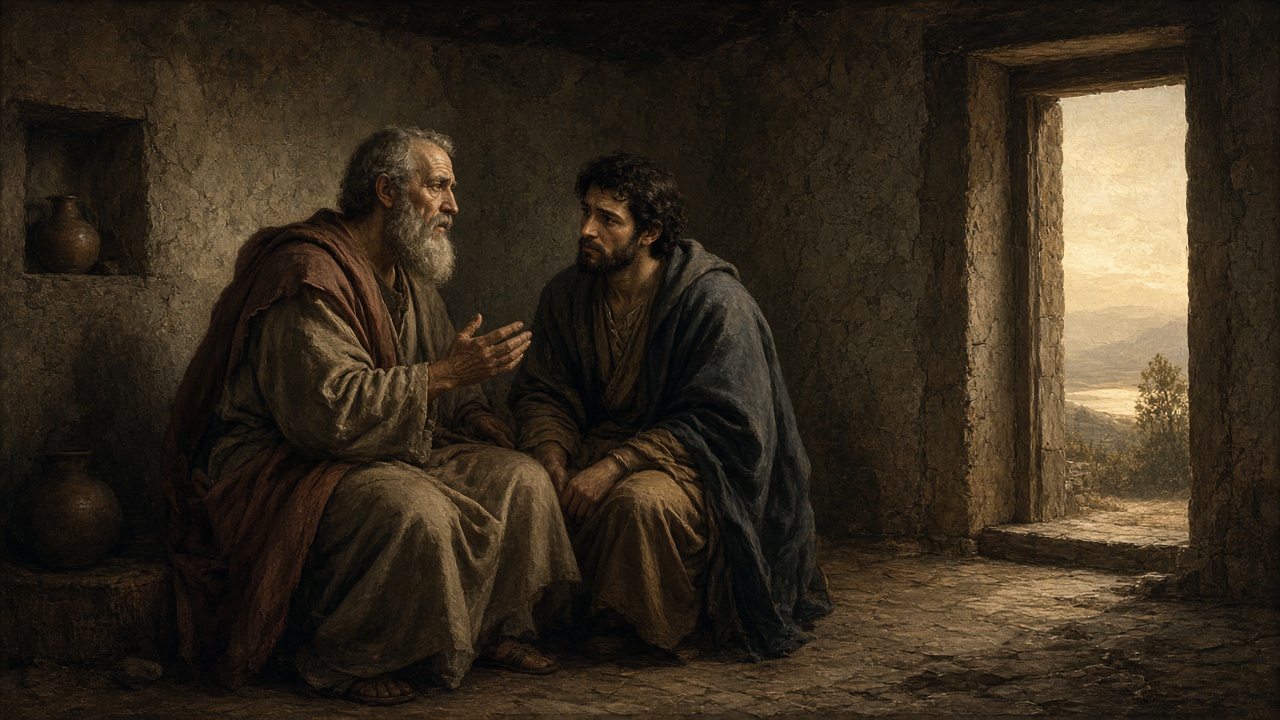
Paul's Final Charge and Farewell
- Paul urges Timothy to come quickly. Demas, whom Easton's Bible Dictionary (1897) describes as a companion and fellow worker during Paul's first imprisonment at Rome, has deserted him out of love for this world and gone to Thessalonica, a large city on the Thermaic bay and the capital of one of Macedonia's four Roman districts. Crescens has gone to Galatia and Titus to Dalmatia, a mountainous country on the eastern shore of the Adriatic and part of the Roman province of Illyricum; Paul has sent Tychicus to Ephesus, and only Luke remains with him.Sources: Demas · Thessalonica · Dalmatia · the Bible text itself
- Easton's Bible Dictionary (1897) identifies Alexander the coppersmith as a man who, with Hymenaeus and others, taught certain views about the resurrection, and says that Paul excommunicated him. In this chapter Paul writes that Alexander did him great harm, tells Timothy to beware of him because he vigorously opposed our message, and says the Lord will repay him according to his deeds.Sources: Alexander · the Bible text itself
- Paul asks Timothy to bring the cloak he left with Carpus at Troas, together with his scrolls, especially the parchments, and to arrive before winter. Troas was a city on the coast of Mysia, in the northwest of Asia Minor, named after ancient Troy, which lay about four miles to the north.Sources: Troas · the Bible text itself
Notes written with AI assistance from open sources (Theographic Bible Metadata, CC BY-SA 4.0; Easton’s Bible Dictionary, public domain) and reviewed before publishing.
Places in this chapter
- Dalmatia · 43.813, 16.219 · verse 10
- Galatia · 39.267, 32.983 · verse 10
- Thessalonica · Today: Thessaloniki · 40.638, 22.946 · verse 10
- Ephesus · 37.939, 27.341 · verse 12
- Troas · Today: Alexandria Troas · 39.752, 26.159 · verse 13
- Corinth · 37.906, 22.879 · verse 20
- Miletus · 37.531, 27.276 · verse 20
Only places identified with high confidence are shown (90% or more according to the scholarly sources compiled by OpenBible). Period map: DARE (Digital Atlas of the Roman Empire), CC BY 4.0; modern map: © OpenStreetMap contributors; places: OpenBible.info (CC BY 4.0).
Credits and license for this translation
Xwɨyí̵á Gorɨxoyá Sɨŋí̵pɨrɨnɨ
The New Testament in the Ankave language of Papua New Guinea
Nupela Testamen long tokples Angave long Niugini
copyright © 1990 Wycliffe Bible Translators, Inc.
Language: Angave (Ankave)
Translation by: Wycliffe Bible Translators
This translation is made available to you under the terms of the
Creative Commons Attribution-Noncommercial-No Derivatives license 4.0.
You may share and redistribute this Bible translation or extracts from it in any format, provided that:
You include the above copyright and source information.
You do not sell this work for a profit.
You do not change any of the words or punctuation of the Scriptures.
Pictures included with Scriptures and other documents on this site are licensed just for use with those Scriptures and documents.
For other uses, please contact the respective copyright owners.
2012-10-03
Source: http://png.bible/aak/ · eBible.org