2 Timothy 3
Xwɨyí̵á Gorɨxoyá Sɨŋí̵pɨrɨnɨ · Tap a verse to see its cross-references.
“ ‘Jisasomɨ oxɨ́dɨmɨnɨ.’ yaiwiarɨŋagɨ aí ámá sɨpí xɨxegɨ́nɨ epɨ́rɨ́a nánɨ saŋɨ́ runɨnɨ́árɨnɨ.” urɨŋɨ́ nánɨrɨnɨ.
1Joxɨ rɨpɨ nánɨ dɨŋɨ́ iróneɨ. Sɨ́á yoparɨ́ imónɨŋɨ́yɨ́ tɨ́ŋíná Jisaso weapɨnɨ́áyi sɨnɨ mimónɨŋáná “Omɨ anɨŋɨ́ ouxɨ́daneyɨ.” yaiwiarɨgɨ́áyo saŋɨ́ wunɨpaxɨ́ imónɨŋɨ́pɨ wímeanɨ́árɨnɨ. 2Ayɨ́ ámá sɨpíyɨ́ rɨpɨ rɨpɨ epɨ́rɨ́á eŋagɨ nánɨ rarɨŋɨnɨ. Wiwanɨŋɨ́nɨ dɨŋɨ́ sɨpí inɨro nɨgwɨ́ nánɨ íkɨ́nɨŋɨ́ sɨpí inɨro mɨxɨ́ meakɨ́nɨnɨro wárɨxa imónɨro ikayɨ́wɨ́ rɨro xɨnáíxaneyo aríkwɨ́kwɨ́ wiro ámá amɨpí naŋɨ́ bɨ wíagɨ́a aí yayɨ́ mɨwipa ero pí pí ŋwɨ́á imónɨŋɨ́pɨ wɨwiɨ́á rɨrómɨ́ ero 3úrɨxɨ́meáyo dɨŋɨ́ sɨxɨ́ muyipa ero sɨ́mɨsɨ́ neainɨróná pɨyɨ́á mɨwɨ́rɨnɨpaxɨ́ imónɨro sɨpí owímeanɨrɨ mɨmayɨ́ó rɨro pí pí ɨ́eapá winarɨŋɨ́pɨ mɨwiaíkipaxɨ́ imónɨro pí pípɨ oyaneyɨnɨrɨ neróná ímɨ́ tɨ́nɨ ero pí pí naŋɨ́ imónɨŋɨ́pɨ nánɨ wikɨ́ ónɨro 4wigɨ́ wínɨyɨ́ aí nánɨ mɨyɨ́ urɨro pasá umero ayá nepeárɨmáná úrapí ero wiwanɨŋɨ́yɨ́ nánɨ “Seáyɨ e mimónɨpa reŋwɨnɨ?” yaiwinɨro amɨpí nerɨ́ná Gorɨxo yayɨ́ winarɨŋɨ́pɨ nánɨ íkɨ́nɨŋɨ́ sɨpí bɨ mɨwí wiwanɨŋɨ́yɨ́ yayɨ́ winarɨŋɨ́pɨnɨ nánɨ íkɨ́nɨŋɨ́ sɨpí wiro epɨ́rɨ́árɨnɨ. 5Mimónɨ́ xwɨyɨ́á nɨrɨro “Gorɨxomɨ píránɨŋɨ́ xɨ́danɨro rɨ́a yarɨŋoɨ?” oneaiaiwípoyɨnɨrɨ nero aiwɨ oyá eŋɨ́ eánɨŋɨ́ xɨ́omɨ xɨ́dɨpɨ́rɨ́a nánɨ wimɨxɨpaxɨ́ imónɨŋɨ́pimɨ rɨ́wɨ́ umopɨ́rɨ́árɨnɨ. Ámá e yarɨgɨ́áyɨ́ tɨ́ŋɨ́ e yarɨ́róɨrɨxɨnɨ. 6Ayɨ́ ámá ayɨ́yá wí rɨpɨ yarɨgɨ́á eŋagɨ nánɨ “Ayɨ́ tɨ́ŋɨ́ e yarɨ́róɨrɨxɨnɨ.” rɨrarɨŋɨnɨ. Wigɨ́ xwɨyɨ́á pɨyɨpɨyɨ́ urarɨgɨ́ápimɨ dánɨ aŋɨ́ ákɨŋáyo nɨpáwiro apɨxɨ́ wigɨ́ ɨ́wɨ́ éɨ́ápimɨ dánɨ ayá udunarɨŋíwamɨ —Íwa dɨŋɨ́ nɨpɨkwɨnɨ mɨmaxɨrɨgɨ́íwarɨnɨ. Wigɨ́ mɨŋɨ́ winarɨŋɨ́pimɨ dánɨ sɨpí oyaneyɨnɨrɨ nipemeánɨmɨ warɨgɨ́íwarɨnɨ. Nɨjɨ́á oimónaneyɨnɨrɨ anɨŋɨ́ minɨ́ néwapɨ́nɨrɨ aí xwɨyɨ́á nepaxɨŋɨ́ imónɨŋɨ́pɨ tɨ́nɨ xɨxenɨ nɨjɨ́á mimónarɨgɨ́íwarɨnɨ. Íwamɨ yapɨ́ wíwapɨyarɨ́ná arɨ́á nɨwiro nánɨ gwɨ́yónɨŋɨ́ nikɨrɨpeaánɨrɨ ŋweaŋoɨ. 8Eŋíná Janiso tɨ́nɨ Jaboriso tɨ́nɨ awaú Mosesomɨ maŋɨ́ pɨ́rɨ́ wiaíkímɨ́ yanɨri nánɨ egɨ́ípa ámá sɨpí ayɨ́ —Ayɨ́ dɨŋɨ́ rɨ́á xeyánɨgɨ́áyɨ́ eŋagɨ nánɨ dɨŋɨ́ nɨpɨkwɨnɨ mɨmoarɨgɨ́áyɨ́rɨnɨ. Xwɨyɨ́á nepa imónɨŋɨ́pimɨ dɨŋɨ́ mɨkwɨ́roarɨŋagɨ́a nánɨ Gorɨxo rɨ́wɨ́ umoŋɨ́yɨ́rɨnɨ. Ayɨ́ enɨ awaú egɨ́ípa axɨ́pɨ xwɨyɨ́á nepaxɨŋɨ́ imónɨŋɨ́pɨ pɨ́rɨ́ wiaíkímɨ́ yanɨro yarɨgɨ́árɨnɨ. 9Eŋíná yegɨ́ Isɨrerɨyɨ́ wigɨ́ awaú Mosesomɨ maŋɨ́ pɨ́rɨ́ wiaíkímɨ́ owiaiyɨnɨrɨ yarɨgɨ́ípɨ sɨŋwɨ́ nɨwɨnaxɨ́dɨróná “Majɨmajɨ́á nikárɨnɨri rɨ́a yarɨŋiɨ?” yaiwiagɨ́ápa agwɨ ríná enɨ ámá nɨ́nɨ sɨpí yarɨgɨ́áyɨ́ wigɨ́ yarɨgɨ́ápɨ sɨŋwɨ́ mí nómɨxɨróná “Majɨmajɨ́á nikárɨnɨro rɨ́a éɨ́awixɨnɨ?” yaiwipɨ́rɨ́á eŋagɨ nánɨ xwɨyɨ́á nepaxɨŋɨ́ imónɨŋɨ́pɨ pɨ́rɨ́ wiaíkímɨ́ yanɨro yarɨgɨ́ápɨ sɨpúrúrɨ́ epɨ́rɨ́árɨnɨ.
“Nionɨ rɨréwapɨyiŋápɨ xaíwɨ́ ɨ́á xɨrɨ́ɨrɨxɨnɨ.” urɨŋɨ́ nánɨrɨnɨ.
10Joxɨ nionɨ tɨ́nɨ nemerai sɨŋwɨ́ nanaxɨ́dagoxɨ eŋagɨ nánɨ nionɨ ámáyo uréwapɨyemeagápɨranɨ, nemerɨ́ná yagápɨranɨ, e oemɨnɨrɨ yagápɨranɨ, Gorɨxomɨ dɨŋɨ́ nɨwɨkwɨ́róa wagápɨranɨ, wikɨ́ mɨwónɨpa nerɨ awayinɨ yagápɨranɨ, ámá nánɨ wá nunagɨ́pɨranɨ, xeanɨŋɨ́ xwámámɨ́ wiagápɨranɨ, apɨ nɨpɨnɨ yagápɨ nánɨ joxɨ nɨjɨ́árɨnɨ. 11Nionɨ aŋɨ́ Adiokɨyɨ rɨnɨŋɨ́pimɨ tɨ́nɨ Aikoniamɨyɨ rɨnɨŋɨ́pimɨ tɨ́nɨ Risɨtɨraɨ rɨnɨŋɨ́pimɨ tɨ́nɨ aŋɨ́ apiaú apimɨ wáɨ́ urɨmearɨ́ná xeanɨŋɨ́ nikárɨ́agɨ nánɨ rɨ́nɨŋɨ́ nímeaŋɨ́pɨ nánɨ enɨ joxɨ nɨjɨ́á imónɨŋɨnɨ. Xeanɨŋɨ́ rɨ́á tɨ́ŋɨ́ nikárayíagɨ́a aí xwámámɨ́ wiŋárɨnɨ. Apɨ nɨpimɨnɨ dánɨ Ámɨnáo éɨ́ nɨmímɨnɨŋɨ́rɨnɨ. 12Ai, ámá Kiraisɨ Jisaso tɨ́nɨ nawínɨ ikárɨnɨgɨ́á eŋagɨ nánɨ omɨ píránɨŋɨ́ oxɨ́daneyɨnɨrɨ yarɨgɨ́á nɨyonɨ enɨ xeanɨŋɨ́ wímeanɨ́árɨnɨ. 13Ámá sɨpí yarɨgɨ́áyɨ́ tɨ́nɨ mimónɨ́ yarɨgɨ́áyɨ́ tɨ́nɨ wigɨ́ sɨpí yarɨgɨ́ápɨ sayá nimɨxa nuróná wíyo yapɨ́ wíwapɨyiro wiwanɨŋɨ́yɨ́ oboyá dɨŋɨ́yo dánɨ yapɨ́ éwapɨ́nɨro epɨ́rɨ́árɨnɨ. 14E epɨ́rɨ́á eŋagɨ aí xwɨyɨ́á joxɨ rɨréwapɨyiŋápimɨ dánɨ nɨjɨ́á imónɨrɨ “Apɨ nepaxɨŋɨ́ imónɨŋɨ́pɨrɨ́anɨ?” yaiwiárɨrɨ eŋɨ́pɨ wí arɨ́á mikeamó xaíwɨ́ ɨ́á xɨrɨ́ɨrɨxɨnɨ. Ayɨ́ rɨpɨ nánɨ rɨrarɨŋɨnɨ. Joxɨ nene xwɨyɨ́á apɨ rɨrɨŋwaéne nánɨ “Ayɨ́ dɨŋɨ́ ŋwɨrárɨpaxɨ́yɨ́rɨ́anɨ?” nɨyaiwirɨ píránɨŋɨ́ nɨjɨ́á imónɨrɨ 15oníná dánɨ rɨ́wamɨŋɨ́ Gorɨxoyá nɨrɨnɨrɨ eánɨŋɨ́pɨ nánɨ nɨjɨ́á imónɨrɨ eŋagɨ nánɨ rɨrarɨŋɨnɨ. Rɨ́wamɨŋɨ́ nɨrɨnɨrɨ eánɨŋɨ́ apɨ joxɨ ɨ́á nɨrorɨŋɨ́pimɨ dánɨ dɨŋɨ́ émɨ́ saímɨ́ moŋɨ́pɨ morɨ́a nánɨ sɨwánɨŋɨ́ sipemearɨ Kiraisɨ Jisasomɨ dɨŋɨ́ wɨkwɨ́róɨ́pimɨ dánɨ yeáyɨ́ rɨyimɨxemeanɨ́a nánɨ sɨwánɨŋɨ́ sipemearɨ epaxɨ́rɨnɨ. 16Gorɨxoyá rɨ́wamɨŋɨ́ nɨrɨnɨrɨ eánɨŋɨ́ nɨpɨnɨ xɨ́oyá kwíyɨ́pimɨ dánɨ nɨrɨro eagɨ́ápɨrɨnɨ. Nepa imónɨŋɨ́pɨ nánɨ nearéwapɨyipaxɨ́ imónɨrɨ xeŋwɨ́ yarɨŋwápɨ nánɨ sɨwá neaipaxɨ́ imónɨrɨ ayɨyumɨ́ neaipaxɨ́ imónɨrɨ wé rónɨŋɨ́ imónɨŋɨ́pɨ yanɨ́wá nánɨ yayɨ́wɨ́ neamepaxɨ́ imónɨrɨ eŋɨ́pɨrɨnɨ. 17Xwɨyɨ́á apɨ ámá Gorɨxoyá imónɨgɨ́áyɨ́ rɨpiaú epɨ́rɨ́a nánɨrɨnɨ. Xɨ́o “E éɨ́rɨxɨnɨ.” wimónarɨŋɨ́pɨ epɨ́rɨ́a nánɨ eŋɨ́ sɨxɨ́ eánɨro pí pí naŋɨ́ imónɨŋɨ́pɨ epɨ́rɨ́a nánɨ ipɨmónɨro epɨ́rɨ́a nánɨrɨnɨ.
Did you know?
Hard times and opposition to the truth
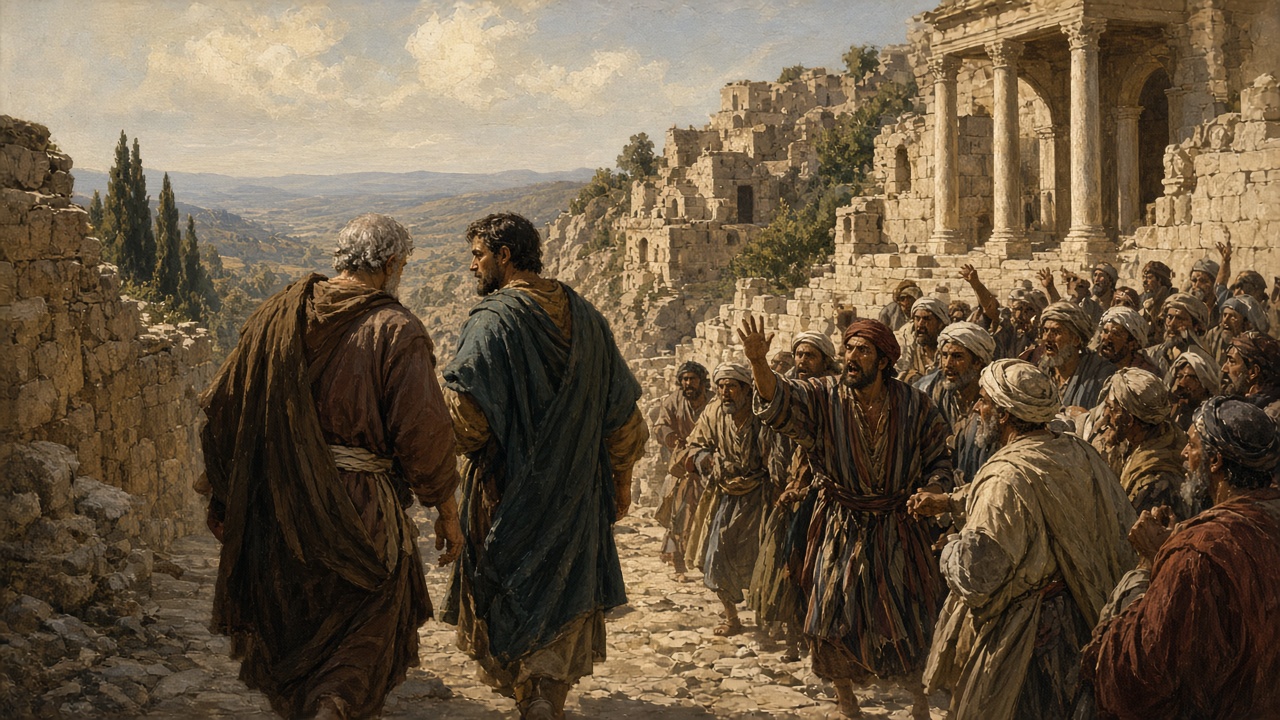
- This chapter compares people who oppose the truth with Jannes and Jambres. A Bible dictionary identifies Jannes as one of the Egyptians who withstood Moses, and Jambres as one of those who opposed Moses in Egypt. The letter says that, like them, these opponents are depraved in mind and disqualified from the faith, and that their folly will be plain to everyone.Sources: Jannes · Jambres · the Bible text itself
- Paul recalls the persecutions and sufferings that came upon him in Antioch, Iconium, and Lystra, and says the Lord rescued him from all those persecutions. On the first missionary journey with Barnabas, Jews in Antioch, in the extreme north of Pisidia, stirred up violent opposition, and the two had to leave; in Iconium they were persecuted by the Jews and fled to Lystra. Iconium was the capital of ancient Lycaonia; Lystra was a town of Lycaonia in Asia Minor, in a wild district.Sources: Antioch (Pisidia) · Iconium · Lystra · the Bible text itself
Notes written with AI assistance from open sources (Theographic Bible Metadata, CC BY-SA 4.0; Easton’s Bible Dictionary, public domain) and reviewed before publishing.
Places in this chapter
- Antioch · Today: Antioch in Pisidia · 38.306, 31.189 · verse 11
- Iconium · Today: Konya · 37.872, 32.492 · verse 11
- Lystra · Today: Tel Lystra · 37.602, 32.338 · verse 11
Only places identified with high confidence are shown (90% or more according to the scholarly sources compiled by OpenBible). Period map: DARE (Digital Atlas of the Roman Empire), CC BY 4.0; modern map: © OpenStreetMap contributors; places: OpenBible.info (CC BY 4.0).
Credits and license for this translation
Xwɨyí̵á Gorɨxoyá Sɨŋí̵pɨrɨnɨ
The New Testament in the Ankave language of Papua New Guinea
Nupela Testamen long tokples Angave long Niugini
copyright © 1990 Wycliffe Bible Translators, Inc.
Language: Angave (Ankave)
Translation by: Wycliffe Bible Translators
This translation is made available to you under the terms of the
Creative Commons Attribution-Noncommercial-No Derivatives license 4.0.
You may share and redistribute this Bible translation or extracts from it in any format, provided that:
You include the above copyright and source information.
You do not sell this work for a profit.
You do not change any of the words or punctuation of the Scriptures.
Pictures included with Scriptures and other documents on this site are licensed just for use with those Scriptures and documents.
For other uses, please contact the respective copyright owners.
2012-10-03
Source: http://png.bible/aak/ · eBible.org