Apocalipse 3
Deftera Lfiɗa Dzratawi · Toque num versículo para ver as referências cruzadas.
Tsgha ta lwi ŋa Igliz ma luwa Sardis
1«Vinda ŋa duhwala Lazglafta ta nzakway ka ŋa Igliz ma luwa Sardis.
«Wya skwi mna mndu ta ŋanata Sulkumha ndəfáŋ ka ŋa Lazglafta nda tekwatsaha ndəfáŋ. Kaʼa mantsa: Nda sna yu ta inda slnaha gha. Nda hafu ma iʼi ka ka ta gray, tsaw nda mta ka. 2Sliʼavaksliʼa, mbra ta gwal ta nda hafu ma həŋ sliʼef sliʼefa makəɗ həŋ da kɗivta. Ta nghə yu ta slna gha ta kəma Lazglafta ɗa ná, kɗanak a ka wa. 3Havakhava gha tama ka kinawu mutsafta ka ta skwi taghaghaf lu nda ya ka ka snaŋta. Snasna ka mbəɗanafta ka ta nzakwa gha. Ka si va a ka ta snata wu, dzaʼa laghala yu manda ghali ksaghaghata, snaŋta a ka, ka ta wati luwa dzaʼa lagha yu wa. 4Nziya nza tsi, mamu sanlaha ma mnduha gha, ma va tsa luwa Sardis ya kul ŋriŋta lguta taŋ. Tsahaya, dzaʼa sliʼi həŋ kawadaga nda iʼi nda suɗata lguta ŋusliŋ, kabga raŋra ta həŋ.
5«Mantsa ya dzaʼa suɗanavata lu ta lguta ŋusliŋ ta mndu dzaʼa zata ghwa. Haɗ yu dzaʼa walaŋta hərɗiŋta hgani ma deftera ya vindam lu ta hga gwal nda hafu ŋa kɗekedzeŋ wa. Dzaʼa mnaŋmna yu ta hgani ta kəma Da ɗa, nda ya ta kəma duhwalhani kazlay: Ŋa ɗa həŋ kəʼa.
6«Ka mamu mndu nda sləməŋa snay, ka sna tsi ta skwi ta mnə Sulkum ŋa Igliz,» kaʼa.
Tsgha ta lwi ŋa Igliz ma luwa Filadelfi
7«Vinda ŋa duhwala Lazglafta ta nzakway ka ŋa Igliz ma luwa Filadelfi.
«Wya gwaɗa ta mnə mndu ya nda ghuɓa. Tsatsi kahwathwata, tsatsi ta ŋanata makuɓla mgham Dawuda. Ka guna guna tsi, haɗ wa mndu ka hafta wa. Ka hafha tsi guli, haɗ wa mndu ka gunata guli wa. 8Kaʼa mantsa: Nda sna yu ta inda slnaha gha. Nda sna yu guli kazlay: Nda hta mbrakwa gha kəʼa. Kulam nda va tsaya tani, ŋanaŋa ka ta gwaɗa ɗa. Ta mna a ka kazlay: Sna a yu ta kagha wu kəʼa nda iʼi wa. Tsaya tama, ta gunagha guna yu ta watgha. Haɗ mndu dzaʼa hafta wa. 9Wya skwi dzaʼa yu magay ŋa guyata ghəŋa mnduha halaway ta mnay kazlay: La Yahuda aŋni kəʼa, kul nzakway manda tsaya. Tsakalawi ta tsakalə həŋ. Dzaʼa tiŋwaftiŋwa yu ta həŋ ŋa lagha da tsəlɓu ta kəma gha ka vla glaku ŋa gha, ŋa snaŋta taŋ kazlay: Ɗvuɗva yu ta kagha kəʼa. 10Manda va ya ŋana kagha ta gwaɗa ɗa ka gɗavata mida ya, dzaʼa ŋa gha ŋa iʼi ta kagha guli ma ghuya ɗaŋwa dzaʼa dəɗanaghatá inda ghəŋa haɗik ŋa dzəghaŋtá həŋ ya. 11Ndusa yu ka lagha. Ŋanaŋa nda mbraku ta tsa skwi da kagha ya, kada kwala sani ma mndu klugudughusta nisəla zata ghwa gha.
12«Dzaʼa nanafna yu ta mndu ta zata ghwa ka guguɗi ma həga Lazglafta ɗa. Haɗ dzaʼa walaŋta sabi mida wa. Dzaʼa vindafvinda yu ta hga Da ɗa nda hga luwa Da ɗa tani tida. Tsa luwa ya ná, lfiɗa Ursalima ya dzaʼa saha ta luwa, ghunaf Lazglafta. Dzaʼa vindafvinda yu guli tida ta lfiɗa hgu ya mutsaf yu.
13«Ka mamu mndu nda sləməŋa snay, ka sna tsi ta skwi ta mnə Sulkum ŋa Igliz,» kaʼa.
Tsgha ta lwi ŋa Igliz ma luwa Lawdikiya
14«Vinda ŋa duhwala Lazglafta ta nzakway ka ŋa Igliz ma luwa Lawdikiya.
«Wya gwaɗa ta mnə mndu ta hgə lu ka Amin. Mndu ya ta nzakway ka vərɗa tughwani nda kahwathwatani. Nda ma tsatsi magafta Lazglafta ta inda skwi demdem. 15Kaʼa mantsa: Nda sna yu ta inda slna gha. Nda sna yu kazlay: Ləŋləŋa a ka wu, ghwitaktaka a ka wu kəʼa. 16Ma ta dər nzakwa gha ləŋləŋa ka ghwitaktaka a tsi. Dzaʼa vnihigiŋvniha yu ta kagha ma wa ɗa. 17Ka kagha ta mnay na: Ka gadghəl yu, nda na yu ka gadghəl, “haɗ sana skwi ta pɗu yu wu,” ka ka. Tsaw sna a ka kazlay: ɗaŋwa ŋa gha, ta ksaku ka ka hiɗahiɗa kəʼa wa. Ka pɗu ka, ka fərdiʼu ka, nda ghulpa ka guli. 18Hiɗaku ya ta vlə yu ŋa gha ná, skwa da iʼi ta dasu ya sluwap lu ma vu, ka da nzakwa ka, ka gadghəl. Skwa guli ta lguta ŋusliŋ ŋa suɗavata gha, ka bukwanatá hula nzakwa gha ka fərdiʼu. Skwa ta ghwana skwi ta iri ŋa ta ira gha, kada nghaŋta ka ta vli. 19Gwal ta ɗvaf yu ná, ta dvay yu ta həŋ, ta zlahay yu ta həŋ. Mantsa ya, ŋavaŋa ka payanata ka ta tva gha. 20Wana yu ta sladu ta watgha ka dza watgha. Ka snaŋsna mndu ta lwa ɗa ka gunihata wa tgha, dzaʼa lamla yu da taŋ, dzaʼa zay yu ta skwa zay kawadaga nda tsi, dzaʼa zay tsatsi kawadaga nda iʼi guli.
21«Mndu ya dzaʼa zata ghwa, dzaʼa nzanafnza yu kawadaga nda iʼi ta dughurukwa ɗa, manda va ya za iʼi ta ghwa ka nzaftá yu kawadaga nda Da ɗa ta dughurukwani ya.
22«Ka mamu mndu nda sləməŋa snay, ka sna tsi ta skwi mnə Sulkum ŋa Igliz,» kaʼa.
Você sabia?
Cartas a Sardes, Filadélfia e Laodiceia
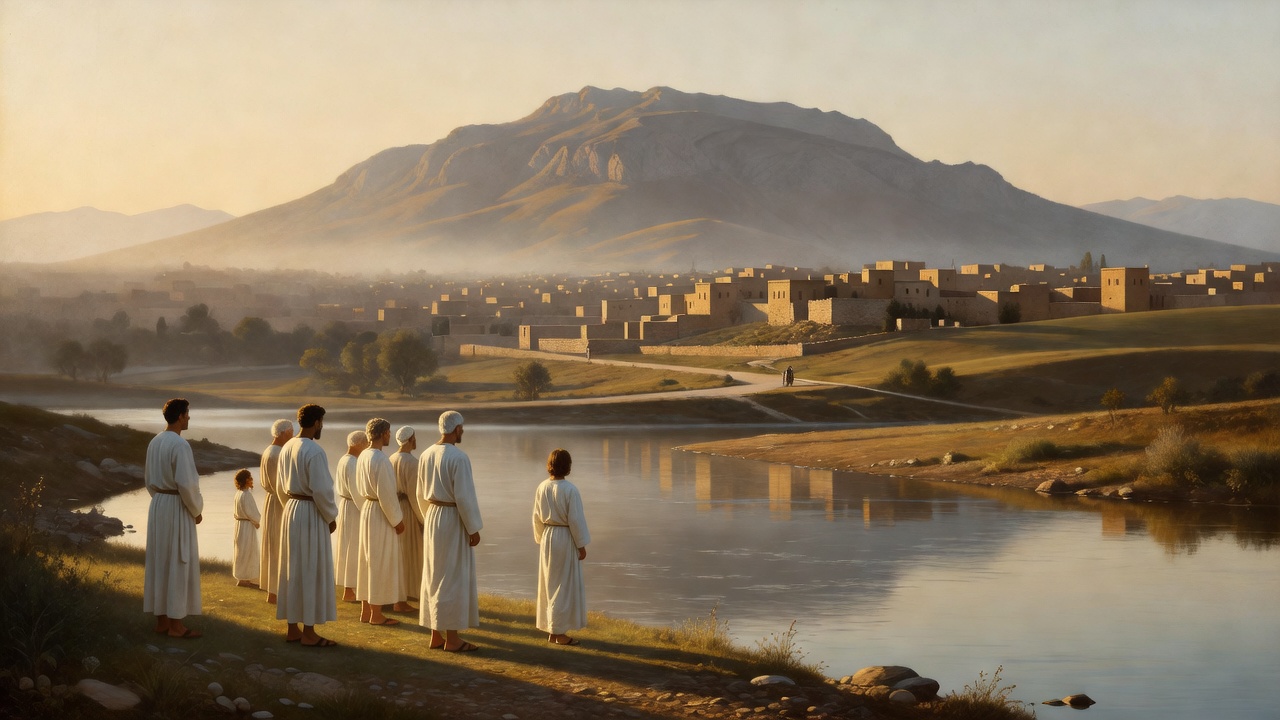
- O capítulo 3 do Apocalipse reúne cartas a igrejas de três cidades da Ásia Menor. Sardes, a metrópole da Lídia, ficava à beira do rio Pactolo, ao pé do monte Tmolo. Filadélfia, nome que significa “amor fraternal”, ficava a cerca de vinte e cinco milhas a sudeste de Sardes; Laodiceia ficava junto ao Lico, onde a Frígia e a Lídia se encontram, a cerca de quarenta milhas a leste de Éfeso.Fontes: Sardis · Philadelphia · Laodicea · o próprio texto bíblico
- Laodiceia chamou-se primeiro Dióspolis e depois Roas. Mais tarde recebeu o nome de Laodiceia por causa de Laódice, esposa de Antíoco II, rei da Síria, que a reconstruiu. O Easton's Bible Dictionary (1897) a apresenta como uma das cidades mais importantes e prósperas da Ásia Menor e como um antigo centro de destaque do cristianismo; na carta, diz-se que essa igreja afirma ser rica, ter enriquecido e não precisar de nada.Fontes: Laodicea · o próprio texto bíblico
- A carta a Filadélfia fala de uma “sinagoga de Satanás” e de pessoas que se dizem judias, mas a quem ela chama de mentirosas. Satanás significa “adversário” ou “acusador”, e no Novo Testamento o nome é usado de modo intercambiável com o diabo.Fontes: Satan · o próprio texto bíblico
Notas escritas com auxílio de IA a partir de fontes abertas (Theographic Bible Metadata, CC BY-SA 4.0; Easton’s Bible Dictionary, domínio público) e revisadas antes de publicar.
Lugares deste capítulo
- Sardis · 38.488, 28.040 · versículos 1, 4
- Philadelphia · Hoje: Alaşehir · 38.350, 28.517 · versículo 7
- Jerusalem · 31.777, 35.234 · versículo 12
- Laodicea · Hoje: Laodicea on the Lycus · 37.836, 29.108 · versículo 14
Só aparecem lugares com identificação de alta confiança (90% ou mais segundo as fontes acadêmicas reunidas pelo OpenBible). Mapa da época: DARE (Digital Atlas of the Roman Empire), CC BY 4.0; mapa atual: © colaboradores do OpenStreetMap; lugares: OpenBible.info (CC BY 4.0).
Créditos e licença desta tradução
Deftera Lfiɗa Dzratawi
New Testament in Hdi
copyright © 2013 Wycliffe Bible Translators, Inc.
Language: Hdi
Translation by: Wycliffe Bible Translators
Contributor: Wycliffe Bible Translators, Inc.
Copyright Information
© 2013, Wycliffe Bible Translators, Inc. All rights reserved.
This translation text is made available to you under the
terms of the Creative Commons License: Attribution-Noncommercial-No Derivative Works.
( http://creativecommons.org/licenses/by-nc-nd/3.0/ )
In addition, you have permission to port the text to different file formats, as long as you
do not change any of the text or punctuation of the Bible.
You may share, copy, distribute, transmit, and extract portions
or quotations from this work, provided that you include the above copyright
information:
You must give Attribution to the work.
You do not sell this work for a profit.
You do not make any derivative works that change any of the actual words or punctuation of the Scriptures.
Permissions beyond the scope of this license may be
available if you contact
us with your request.
The New Testament
in Hdi
© 2013, Wycliffe Bible Translators, Inc. All rights reserved.
This translation is made available to you under the terms of the
Creative Commons Attribution-Noncommercial-No Derivatives license 4.0.
You may share and redistribute this Bible translation or extracts from it in any format, provided that:
You include the above copyright and source information.
You do not sell this work for a profit.
You do not change any of the words or punctuation of the Scriptures.
Pictures included with Scriptures and other documents on this site are licensed just for use with those Scriptures and documents.
For other uses, please contact the respective copyright owners.
2015-03-18
Fonte: http://ebible.org/xed/ · eBible.org