Atos 7
Etulo NT · Toque num versículo para ver as referências cruzadas.
Elodzɛ mgbi iStivin mbi okwakye
1Nɛ okwukwo inggisɛ ofifɛ byun gbɛɛ, <<Odzɛ ntonɛ li otsitsii?>>
2IStivin nu uka gbɛɛ: <<Emi ongwunani yi emi otsani, gadɔ mbi ani na! Imgbasho mgbi okwɔkwɔ tɔ tu otseyi Abrahan ngwi o ka dzɛ iMesopotamia mani, duuse o wa dzɛ iHaran. 3Imgbasho gbɛɛ, <Dzita ɛsɛ mgbi abu yi emidabu, lu ikpɛsɛ ngwi ani ka tso abu mani.>
4<<Nghanɛ o dzita ikpɛsɛ mgbi emi iCadia lu ka sɔ iHaran. Ngwi otsɔn wa kwulu nyɛ nɛ, Imgbasho dɔn esɔ ba ikpɛsɛ ngwi ema todzɛ ele onɛnɛ nɛni. 5Imgbasho nun okwudɛ onyi mmɛnɛ ba, atafɔ ikpɛsɛ onyi kpaa ba. Nghaduu Imgbasho zondu yan gbɛɛ ongwu yi etɔ mgban ka yɛɛ otsungwɔ ikpɛsɛ nɛni, nghataa gyegwu. Mi onɔ na Abrahan dzɛ yi ongwɛ waba. 6Li odzɛ ngwi Imgbasho gbɔ yan aani: <Etɔ mgbi ema ka li ingyoga mi ɛsɛ ngwi li mgbi ama ba, a ka kwu ma ofyɛɛ di nu ma adzɛ mi onova ideli enɛ. 7Imgbasho gbɛɛ, nghaduu ani ka kwo ɛsɛ ngwi a to ele dafi ofyɛɛ ma adɔ, ngyɛduu a ka tasɛ mi ɛsɛ na wa sunu ani mi imbe nɛni.> 8Nɛ o nu Abrahan ondu odzɛɛdzɛ mgbi ikyɛ okyɛ-kyɛ. Man Abrahan yɛɛ otsɔ Adziki di kyan ikyɛ ngwi a mban nyɛ egbe egyata mani. Adziki wa yɛɛ otsɔ iJeko, iJeko di wa yɛɛ otsɔ iwyodefa emi otsikyeyi ntonani.
9<<Ikyegbɛɛ emi otsikyeyi ntona di iJose tanyi nɛ, a kyon gya dafi ofyɛɛ lu Igyibiti. Nghaduu Imgbasho dzɛyan 10di dulun tɔ mi okakewo mgban duu. Imgbasho nu iJose ozoyeye di yan abɔ nu untsɛ osuse dɔn mbi iFaro utɔ mgbi emi Igyibiti; nghanɛ o non yɛɛ inggisɛ ogbe emi Igyibiti teyi yi udɛ mgbi ongwu duu.
11<<Nɛ omani wa dɔ mi Igyibiti yi iKana duu, kye adzɛ kpakpa ba, emi otseyi si tu ungwogye wuba. 12Onɔ ngwi iJeko fwo gbɛɛ ungwogyowe dzɛ Igyibiti nɛ, o dɔ emi otseyi esɔ kɛ ele ababɔ. 13Mi okɛɛkɛ mgbi ama ongwu fan ma, iJose nya emi ongwunɔn inggisɛ ngwu ongwu dzɛ mani, man iFaro si ye odzɛ etɔ mgbi iJose. 14Ngwi ungwɔnɛ nyɛ nɛ, iJose dɛsɔ mbi otsɔn iJeko yi etɔ mgban duu, a li ngwuseta dɔn iwyo diwyeda duudu. 15Nɛ iJeko si lu Igyibiti, li mi imbe na ngwi ama duu ka kwulu aali. 16A yile ikwɔ mgbi ama luba iShekɛn wa ndzi mi endzi ngwi Abrahan gya nose mi abɔ mgbi emi ongwɛ iHamɔ mi awuya mani.
17<<Ngwi onɔ wa mba ngwi Imgbasho ka mbwo ondu odzɛɛdzɛ yi Abrahan nɛ, mmbwo mgbi emideyi mi Igyibiti she kpakpa. 18Nɛ utɔ ofufɛ, ngwu ye unkonyi mi odzɛ mgbi iJose ba, yɛɛ utɔ mgbi Igyibiti. 19O ngwunu emideyi di si emi otsikyeyi, gbɛɛ nu ma gbe engwengyulɔ eyeyi ngwuta adzi nu ma kwulu.
20<<Mi onɔ na a mba iMose, ma o li nngwadza mi inɛ mgbi Imgbasho. A gbɛwɛ byun mi udɛ otsɔn ofyia eta. 21Ngwi a kyon tɔ dzata udɛ nɛ, ongwɛ iFaro ongwu ongyaa kyon si byun dafi ongwan mani. 22A tso iMose ozoyeye mgbi emi Igyibiti tsatsa, o diyɛ datu mi elodzɛ yi okyɔɔkyɔ.
23<<Onɔ ngwi iMose li onova ngwusefa ma, itukwu kyɛɛ lon oka kpadi emi Israi emidan. 24O di onyi mi ele ngwu inggisɛ Igyibiti le nun adzɛ, nghanɛ o kɛ oka tobyun di kpumkpa ikyon mi okyi ngwɔlu inggisɛ Igyibiti nani. 25IMose tsɛwɛ gbɛɛ, emidongwu ka difwi gbɛɛ Imgbasho kye ongwu le kyidɔ ikye odulu ma tɔ, nghaduu kpaa a difwi ba. 26Tegblifan iMose wa kpatsɛ yi emi Israi nghi efa tole gblibe. O fya oyile ma gyiide mi ogbɛɛ, <Engyulɔ, ema li engwunɔ ewe kyɔsinɛ ngwi ema mina ota ewema mmya?>
27<<Nghaduu ongwu nle kyɔ yi oka timbi ma tsamu iMose lu enggengga si gbɛɛ, <Li emɛ nu abu mfye okye eyi teyi di gbɔ eyi ikwɔ? 28I mina abu ongwɔ ani dafi abu ngwɔ inggisɛ Igyibiti edɛdɛ naa?> 29Ngwi iMose fwo odzɛ nɛ nɛ, o tsinya lu iMidian, imbe ngwi o ka dzɛ ingyoga di kye ongyaa mba ɛngbɛ efa.
30<<Ngwi i wa nyɛ onova ngwusefa nɛ, ongyesɔ mblegba tu iMose mi ambɛ mgbi oshɛ ogyola mi imbe okplagada kwɛkwɛ yi Unggwɔ iSinai. 31Ngwi iMose di ungwɔnɛ nɛ, i kwulun ewo. Ngwi o gbo kɛ kwɛkwɛ oka di saan nɛ, o fwo ela mgbi Otsɛ Imgbasho gbɛɛ: 32<Ani li Imgbasho mgbi emi otsabu, Imgbasho mgbi Abrahan, Adziki yi iJeko.> IMose tsaatsa yi imio di yagba kye inɛ byi ola na wuba.
33<<Nɛ Otsɛ Imgbasho si nyan gbɛɛ, <Kyi dulu okpafɔ mgbi abu; ikyekyɛ imbe ngwi abu kwudzɛ nɛ li imbe osaan. 34Ani di adzɛ mgbi emidani mi Igyibiti wa. Ani fwo andu omama mgbi ama di ba esɛ owa shɛ ma adi ta. Ba onɛnɛni, n ka dɔ abu esɔ yɛ kɛ Igyibiti.>
35<<Nɛnɛ li iMose ngwu a teyi fwan yi elodzɛ gbɛɛ, <Li emɛ nu abu li inggisɛ ogbe eyi teyi di gbɔ eyi ikwɔ?> Li iMose nɛ kpɔɔ ngwu Imgbasho nyɛ mbi ongyesɔ mblegba tun ngwi oshɛ le gyola mani. Dɔn esɔ no ka li inggisɛ ogbe ma teyi di dulu ma tɔ. 36O gbe ma tasɛ mi Igyibiti di kyungwɔ ama okwulewo yi emi ambɛ okwulewo mi Igyibiti, mi ekyoo omuma okwukwo yi imbe okplagada mi onova ngwusefa.
37<<Nɛnɛ li iMose ngwu nya emi Israi gbɛɛ, <Imgbasho ka kye oyegbɔ ndzɛ dafi ani mi idzidzɛ ema dɛsɔ nu ema mani.> 38O wodzɛ okwakye mi imbe okplagada, yi ongyesɔ ngbɔdzɛ yan mi Unggwɔ ongwi iSinai, bɛyi emi otseyi; o di gbɛ elodzɛ oshishe okye wa gbɔ nya eyi.
39<<Nghaduu emi otsikyeyi gbela yan ba. A fwan, di mina gbɛɛ ama ki yɛ lu Igyibiti. 40A nya Eron gbɛɛ, <Mɛ eyi Imgbasho ama nka kye eyi teyi mani. Lubana iMose ngbe eyi tɔ mi Igyibiti nɛ, eyi ye ungwɔ nkyɔn ba!> 41Nana li onɔ nose ngwi a mɛ adagyɛ mi odzɛɛdzɛ mgbi ongwumnda mani. A gbe ifɛ ofɛ-fɛ ba ele di kyɔ oga osunu ungwɔ ngwi ama mɛ mi abɔ mgbi ama. 42Nghanɛ Imgbasho fashi iyikpa tsɛ ma yile osusunu mgbi ama nu mcɛ mi esho. Ungwɔnɛ kwokyi yi ungwɔ ngwi a lɔ mi Afɛ mgbi ama ogbɛɛsɛ gbɛɛ:
<< <Emi Israi! Li ani ngwu ema ngwɔ ifyungwɔ
di fifɛ nu mi onova ngwusefa mi imbe okplagadaa?
43Emi adagyɛ ngwi ema mɛ osunu nani,
ema kyile udɛ angwula ongwi iMoleki esho yi mcɛ
mgbi Imgbasho mgbi ema iRefanu.
Nghanɛ n ka lɔ ema onya lu anɔ oka>
nyɛ-nyɛ iBabyilon kpaa.
44<<Emi otsikyeyi dzɛ yi iTabenako obwɛndɛ yi ama mi oshɛ. A man dafi Imgbasho tso iMose mi odzɛɛdzɛ ngwi o di mani. 45Dafi a kyi gbɛlu iTabenako nɛ, emi otseyi kyi kyelu byi yi ama, mi onɔ ngwi iJoshua kye ma teyi kaka ɛsɛ ngwi Imgbasho kyi gbɛlu nu ma nani. I tila dzɛ ikpɛsɛ na nghataa ba onɔ mgbi iDevedi, 46ngwu ikyese mgbi Imgbasho dɔn, o di bɔn ibɔ gbɛɛ ni ongwu mbɛ imbe ngwi Imgbasho mgbi iJeko ka dzɛ nani. 47Kpaa li iSolomu mbaan ozu nani.
48<<Nghaduu, onghaangha na, li la ozu ngwi inggisɛ mbɛ ba. Dafi oyegbɔ gbɔgbɛɛ:
49<< <Esho li esutɔ mgbi ani,
ɛsɛ li imbe mgbi ani ogbe afɔ dɔ.
Li ali itɔ ozu ngwi abu ka mbɛ ani ele?
Li ngha Imgbasho gbɔ aali.
Naadi li mi ole ngwi imbe
mgbi ani otonya ka dzɛ?
50Li abɔ mgbi ani mɛ
ungwɔ ntonɛ duu baa?>
51<<Ema ama ndɔto ibiba dzɔgbɔ di kyiikyɛ mi itukwu yi adɔ ba nɛni! Ema to yɛyɛ dafi emi otsema mani: Ema li kye afɔ twɛsɛ yi Onodzi Osaan alonɔ duu! 52Oyegbɔ teyi dzɛma ngwu emi otsikyema nose nun isɔ baa? A kye ngwɔlu ama ngbɔ obaaba mgbi ongwu nle saan na kpaa. Ma onɛnɛ ema kyon gya di ngwɔn wa. 53Ema ama ngbɛ ola ngwi nyɛ abɔ ongyesɔ mgbi Imgbasho kpaa kyɔ mi ele ba nɛni.>>
A tsɛ iStivin akwutsɛ
54Ngwi emi okwakye fwo odzɛ nɛ mi ondu mgban nɛ, a nyɛ yi itingga di kwolu inɛ ikye yan. 55Kpaa iStivin, mbwo yi Onodzi Osaan, o ndinɛ kɛ esho si di okwɔkwɔ mgbi Imgbasho yi iYesu kwudzɛ abugye mgbi Imgbasho. 56O gbɛɛ, <<Dika, ani di esho kwulu Ongwɛ Inggisɛ di kwudzɛ abugye mgbi Imgbasho.>>
57Mi odzɛ nɛ a kye abɔ tukwu adɔ mgbi ama, le kwu ela mi ela okwukwo, ama duu kyɛɛ tukwun, 58kwon tasɛ mi ogalu si wita otsan akwutsɛ. Nghanɛ, emi obwɛndɛ gbe angwuto mgbi ama wa tokɛ iyayi mgbi ongwɛ mmafa ngwu a li kwun di iSol nani.
59Ngwi a le tsan akwutsɛ nɛ, iStivin bibɔ gbɛɛ, <<Otsɛ iYesu, kyi gbɛlu onodzi mgbi ani.>> 60Nɛ o gbe akwafɔ kwokɛ esɛ makwɔ tɔ esɛ gbɛɛ, <<Otsɛ, ka wɛ alobube nɛ ikye ma ba.>> Ngwi o gbɔdzɛ nɛ mata, o si yulu.
Você sabia?
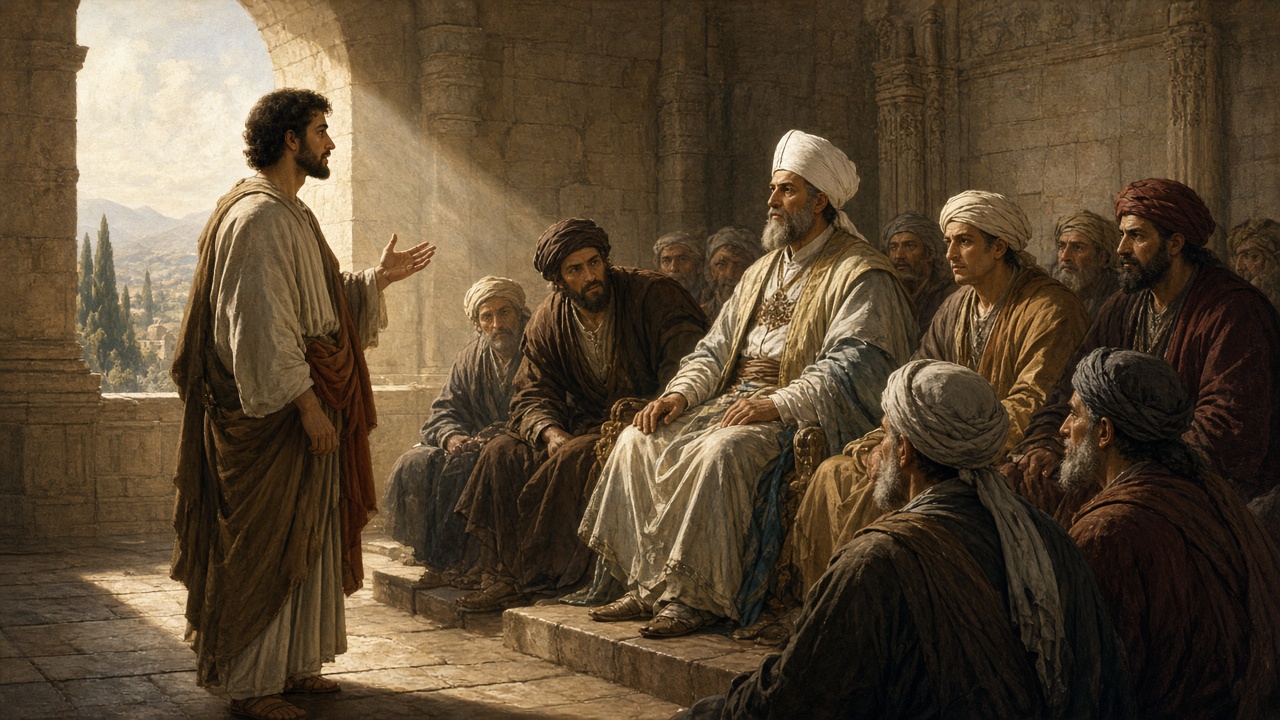
Estêvão reconta a história de Israel
- Estêvão abre o discurso com Abraão ainda na Mesopotâmia, antes de se estabelecer em Harã, quando recebeu a ordem de deixar sua terra e seus parentes. Mesopotâmia — em hebraico Aram-naharaim, “Síria dos dois rios” — era o nome que gregos e romanos davam à região entre o Eufrates e o Tigre; no Antigo Testamento ela também se chama Padan-aram, “a planície de Arã”, e o norte desse planalto foi o lar antigo dos antepassados dos hebreus. O Easton's Bible Dictionary (1897) observa que esse primeiro chamado não aparece no Antigo Testamento, embora Gênesis 12 o deixe implícito, e que Abraão saiu de Ur, na Caldeia, e percorreu cerca de 300 milhas ao norte, até Harã.Fontes: o próprio texto bíblico · Mesopotamia · Abraham
- Estêvão afirma que os ossos de Jacó e dos pais foram levados de volta a Siquém e depositados no túmulo que Abraão comprara aos filhos de Hamor. O Easton's Bible Dictionary (1897) identifica Hamor como um heveu cujo nome significa “jumento”, nota que em Atos 7:16 ele é chamado Emmor e diz que Jacó lhe comprou o terreno de Siquém em que José foi sepultado mais tarde. O verbete acrescenta que Siquém, filho de Hamor, fundou a cidade que recebeu o seu nome.Fontes: o próprio texto bíblico · Hamor
- Estêvão localiza a sarça ardente no deserto, perto do monte Sinai, e diz que Moisés recebeu ali palavras vivas da parte do anjo que lhe falou no monte. O Easton's Bible Dictionary (1897) trata Sinai — nome ligado a Sin, um deus da lua — como o mesmo distrito montanhoso também chamado Horebe. Segundo o verbete, os hebreus chegaram a essa região no terceiro mês após o Êxodo, depois de uma viagem de cerca de 150 milhas desde o mar Vermelho, com todas as voltas do caminho, e ficaram acampados cerca de um ano.Fontes: o próprio texto bíblico · Mount Sinai
Notas escritas com auxílio de IA a partir de fontes abertas (Theographic Bible Metadata, CC BY-SA 4.0; Easton’s Bible Dictionary, domínio público) e revisadas antes de publicar.
Lugares deste capítulo
- Haran · Hoje: Harran · 36.864, 39.033 · versículos 2, 4
- Mesopotamia · Hoje: Aram-naharaim · 36.864, 39.033 · versículo 2
- Chaldea · 30.962, 46.104 · versículo 4
- Egypt · 30.129, 31.308 · versículos 9, 10, 11, 12, 14, 15, 17, 18, 34, 36, 39, 40
- Canaan · 32.767, 35.333 · versículo 11
- Shechem · Hoje: Tell Balatah · 32.214, 35.282 · versículo 16
- Nile · Hoje: Nile River · 31.465, 30.367 · versículo 19
- Midian · 28.495, 35.012 · versículo 29
- Babylon · 32.543, 44.422 · versículo 43
Só aparecem lugares com identificação de alta confiança (90% ou mais segundo as fontes acadêmicas reunidas pelo OpenBible). Mapa da época: DARE (Digital Atlas of the Roman Empire), CC BY 4.0; mapa atual: © colaboradores do OpenStreetMap; lugares: OpenBible.info (CC BY 4.0).
Créditos e licença desta tradução
Etulo NT
Portions of the Holy Bible in the Etulo language of Nigeria
copyright © 2024 Initiative for the Translation and Development of African Languages
Language: (Etulo)
Contributor: The Seed Company
This translation is made available to you under the terms of the
Creative Commons Attribution Share-Alike license 4.0.
You have permission to share and redistribute this Bible translation in any format and to make reasonable revisions and adaptations of this translation, provided that:
You include the above copyright and source information.
If you make any changes to the text, you must indicate that you did so in a way that makes it clear that the original licensor is not necessarily endorsing your changes.
If you redistribute this text, you must distribute your contributions under the same license as the original.
Pictures included with Scriptures and other documents on this site are licensed just for use with those Scriptures and documents.
For other uses, please contact the respective copyright owners.
Note that in addition to the rules above, revising and adapting God's Word involves a great responsibility to be true to God's Word. See Revelation 22:18-19.
2025-07-09
Fonte: http://ebible.org/utr/ · eBible.org