Lucas 24
Tupã Je'ẽha · Toque num versículo para ver as referências cruzadas.
Jesu kwera katu uhem ame'ẽ rehe har
1Nomin pytuniwe te rahã, itakwar keruhũ pe kũjã ta oho. Puhã pihe ame'ẽ ke matyr. Ame'ẽ ke a'eta raho. 2Hukwen ngi ita kyndaha ke amõ mujere mu'am. Ame'ẽ ke rehe a'eta usak. 3A'erehe ixe oho. Anĩ. Jesu rete ke rehe usak ym. Jesu riki jandema'e sawa'e te. Hete ke rehe kũjã ta usak ym. 4A'ep a'eta pu'am u'am. Myja ym ukwa. Pe, pahar mokõi sawa'e ta uhem. Hake pu'am u'am. Ima'e mundeha hendy hendy hũ. 5Kũjã ta jumukahem hũ a'eta ngi. Ywy koty te'e ma'ã. Sawa'e ta pandu:
—Ixuwe katu ame'ẽ ke pekekar pexo tipe. Ame'ẽ ke kangwerupa rupi pekekar rahã, katu ym tiki. 6Ko Jesu nixói te. Kwera katu uhem oho. Amukwehe Ngariréi ywy pe ixo rahã, pandu katu pehẽ pe. Ame'ẽ panduha rehe pekwa pekwa pe'am apo. 7Kuja: “Awa ihẽ tĩ. Tupã je'ẽha rupi ajur. Pesarahã! Sawa'e katu ym ame'ẽ ta pe ihẽ ke amõ raho ta kỹ. Pe, myra ngã mupia ame'ẽ ke rehe ihẽ ke amõ ta jukwa ta. Mokõi aker rahã, ihẽ akwera katu ta ahem tĩ” aja Jesu pandu — aja sawa'e ta pandu.
8Pe, Jesu panduha ke kũjã ta ukwa ukwa u'am tĩ.
9Pe, itakwar keruhũ ngi a'eta jywyr oho. Upa usak ame'ẽ ke jumu'eha ta pe a'eta pandu tipe, awa py peteĩ jumu'eha ta pe. Amõ ta namõ ixo, ame'ẽ ta pe pandu tipe tĩ. (Anĩ. Kũjã ta panduha rehe jurujar ym.) 10Kuja kũjã ta rer. Ko Mari Mandare. Amõ Joa. Amõ Mari. Tian mãi a'e. Ame'ẽ ta namõ amõ kũjã ta ixo. Upa ame'ẽ ta riki Jesu mondo ame'ẽ ta pe pandu tipe. Upa usak ame'ẽ ke pandu tipe. 11Anĩ. Kũjã ta riki ka'u te'e, aja Jesu mondo ame'ẽ ta ukwaha naĩ. A'erehe kũjã panduha rehe jurujar ym. 12Pe, Petu pu'am rahã, itakwar keruhũ pe usak ujan oho. Uhyk rahã, jumumbe ma'ã rahã, hete pukeka ke te'e usak. Ame'ẽ jõ usak. Hete nixói te. Pe, hok pe jywyr oho. Jupandu jupe:
—Mã! My ihon my? — aja jupe.
Emau ok ta pe oho ame'ẽ ta rehe har
13Ame'ẽ 'ar rahã, mokõi sawa'e ta wata oho ixo. Jesu kotyhar ta ke ame'ẽ ta. Emau ok ta pe oho ixo. Jerusarẽ ok ta ngi ame'ẽ pepaite we. Awa py peteĩ kiro met tate pepaiteha. 14Ame'ẽ mokõihar ta pandu pandu a'eta jupe. Jesu manõ, ame'ẽ rehe har pandu pandu a'eta jupe. Aja rahã, Jesu te'e hake uhem u'am. A'eta namõ a'e wata oho ixo tĩ. 16A'eta usak ehe. Anĩ. Ehe har ukwa ym we rĩ. 17Pe, Jesu pandu:
—Pehẽ pewata pexo rahã, ma'e pepandu pandu pehẽ jupe my? — aja sawa'e ta pe.
A'eta pyta. Pyai u'am. 18Pe, mokõihar ngi peteĩ pandu. Her Kereo. Kuja:
—Mã! Nde erekwa ym my? Jerusarẽ ok ta pe har ta ngi har ne jõ riki ma'e ke nde erekwa ym my? A'ep amõ amõ wera rahã, ma'e ixo ame'ẽ ke nde erekwa ym my? — aja Jesu pe.
19A'e pandu:
—Myja ame'ẽ my? — aja Jesu.
A'eta pandu:
—Jesu rehe har. Nasare ok ta pe har a'e. A'e pe ma'e uhyk ame'ẽ ke. A'e riki Tupã je'ẽha pandu ame'ẽ ke a'e. Pyrãtãha namõ ma'e katu ame'ẽ ke a'e ma'ema'e, aja upa ngã ukwa. Tupã aja tĩ. Ukwa katu tĩ. Jesu je'ẽha te reko, aja upa ngã ukwa katu tĩ. Ma'e ke pandu katu tĩ, aja upa ngã ukwa tĩ. Tupã aja tĩ. Ukwa katu tĩ.
20—Pirat pe a'e ke jandema'e pa'ihu ta raho. Tamũi ta aja tĩ. Raho tĩ. Jukwaha ke Pirat jõ pandu katu, a'erehe pa'ihu ta raho. Pe, myra ngã mupia ame'ẽ ke rehe a'e ke amõ ta jukwa. 21A'e ke kapitã keruhũ aja Tupã mu'am ta, aja jakwaha naĩ. Pe, jundéu awa ta ke poir ta, aja jakwaha naĩ. Jande ruwajan ta ngi poir ta tipe. Anĩ riki. A'e manõ. (A'erehe jande ruwajan ta ngi poir ym.) Mokõi jaker apo.
22—Jande ngi har kũjã ta muka'u te'e hũ jande ke ixo. Pytuniwe te rahã, itakwar keruhũ pe a'eta oho. 23Jesu rete rehe usak oho tipe. Mahem ym. Jywyr oho rahã, a'eta pandu: “Tupã je'ẽha rahoha ta rehe jasak. ‘Jesu ixuwe katu’ aja jande pe a'eta pandu” aja kũjã ta pandu. 24A'erehe itakwar keruhũ rehe amõ ta usak tipe oho tĩ. Kũjã ta pandu, aja a'eta usak tĩ. Usak ym ehe, Jesu rehe — aja mokõi sawa'e ta pandu.
25Pe, mokõi sawa'e ta pe Jesu pandu:
—Mã! Pehẽ ãkã tiha we. Upa amõ ta pandu ame'ẽ ke rehe pejurujar ym. Tupã je'ẽha pandu ame'ẽ ke rehe pejurujar ym tĩ. 26Tupã muwyr ame'ẽ ke amõ ta mupyrara ta me'ẽ te'e. Pe, ma'e katu te ha ke Tupã me'ẽ ta ipe tĩ — aja Jesu pandu.
27Tupã je'ẽha rehe panduha ihĩ. Upa juehe har pandu ame'ẽ ke Jesu mujekwa. Mokõi sawa'e ta pe mujekwa. Yman Moise mupinim. Ame'ẽ rehe Jesu rehe har panduha ihĩ. Ame'ẽ ke upa mujekwa py. Yman Tupã je'ẽha ke pandu ame'ẽ ta mupinim tĩ. Ame'ẽ rehe Jesu rehe har panduha ihĩ tĩ. Ame'ẽ ke upa mujekwa tĩ. Juehe har mujekwa.
28Ok ta pe a'eta oho ixo. Ame'ẽ pe uhyk tate rahã, Jesu pandu: “Asa we ta aho” aja.
29—Anĩ. Se eker rĩ. Warahy ka'aruk te oho. Pytun tate — aja Jesu pe pandu hũ.
A'erehe a'eta namõ pyta oho.
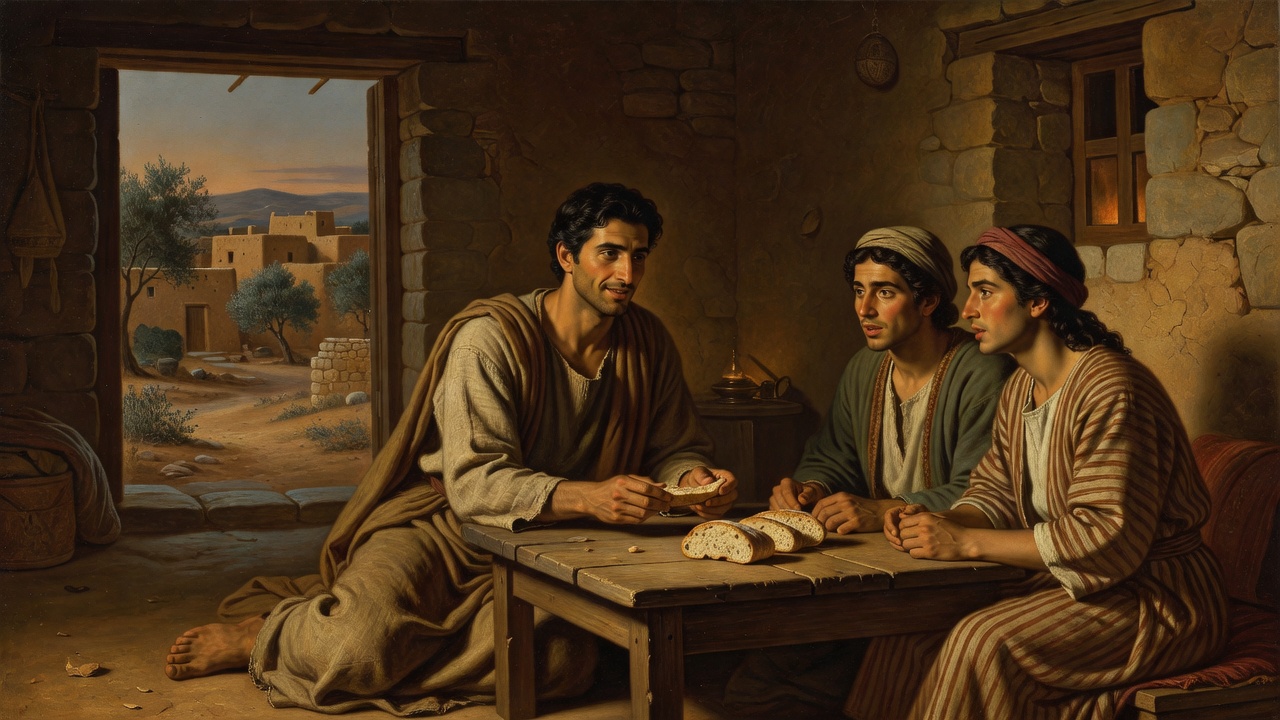
30A'eta namõ wapyk. Ma'e u'uha renda pe wapyk. Mbeju ke pyhyk. Pe, Tupã pe pandu: “Ne jõ riki katu te me'ẽ ke. Jande mi'u ke jande pe nde eremuwyr katu” aja. Pe, mopok mopok. Ame'ẽ ke a'e me'ẽ mokõi sawa'e ta pe. 31Arahã ehe har Tupã mujekwa. Mokõi sawa'e ta pe mujekwa. Pe, mokõihar ukwa katu. “Ko Jesu” aja ukwa katu. Arahã pahar Jesu kanim oho. 32Pe, pandu a'eta jupe:
—Pe rupi jande jajur rahã, Tupã je'ẽha ke mujekwa katu jande pe. Arahã jande rury katu te jande jaxo — aja a'eta jupe.
33Pahar a'eta pu'am. Pe, Jerusarẽ ok ta pe jywyr oho. A'ep jumu'eha ta rehe uhyk oho. Awa py peteĩ hetaha ta rehe uhyk oho. A'eta jy'ar uĩ. Heta amõ ta jy'ar uĩ tĩ. 34Ame'ẽ ta pe mokõi sawa'e ta pandu:
—A'e ty. Jandema'e sawa'e te kwera katu uhem riki. Simã usak ehe — aja uhyk ramõ ame'ẽ ta pandu.
35Ame'ẽ ta pe mokõi sawa'e ta pandu pandu. Pe rupi oho ixo rahã, Jesu uhyk uwyr a'eta rehe. Ame'ẽ rehe har upa pandu pandu. Pe, mbeju ke mopok rahã, ehe har a'eta ukwa. Ame'ẽ rehe har upa pandu pandu tĩ.
Jesu rehe jumu'eha ta usak tĩ
36Upa ma'e ke mokõi sawa'e ta pandu pandu u'am rahã, pahar Jesu uhem u'am. Ame'ẽ ta pyter pe uhem u'am. Pe, a'eta pe pandu:
—Mã peja pehẽ py'a ke Tupã muhury katu — aja Jesu.
37A'eta mukahem te hũ ingi. Awa'ã rehe a'eta usak, aja ukwaha naĩ. 38Pe, a'e pandu:
—Pemukahem ym ihẽ ngi. “Awa ko my?” aja ym pepandu tĩ. 39Ihẽ po rehe pesak katu. Ihẽ py rehe pesak katu tĩ. Itapywa rape rehe pesak. Ihẽ atu ko. Ihẽ rehe pehẽ po pemujar. Ihẽ pirer kohĩ. Ihẽ te ko. Pepyhyk katu ihẽ ke. Awa'ã aja ym ihẽ. Pesak katu — aja Jesu.
40Upa pandu rahã, a'eta pe ipo ke mujesak. Ipy ke mujesak tĩ. Itapywa rape ke mujesak tĩ. 41A'eta jurujar ym we rĩ. “Mã!” aja a'eta. Hury katu te tĩ. Pe, a'eta pe Jesu pandu:
—Pehẽ mi'u pehĩ my? — aja.
42Pira ka'ẽ ra'yr ke a'eta me'ẽ ipe. 43Ame'ẽ ke pyhyk rahã, a'eta ruwa koty u'u. (Aja rahã, Jesu te aja a'eta ukwa katu.)
44Pe, a'eta pe Jesu pandu:
—Pehẽ namõ ihẽ axo rahã, ma'e ke ihẽ apandu pehẽ pe. Kuja. Ihẽ rehe har Moise mupinim. Aja upa ihẽ rehe uhyk ta me'ẽ te'e. Tupã je'ẽha pandu ame'ẽ ta mupinim tĩ. Upa ihẽ rehe har mupinim tĩ. Aja upa ihẽ rehe uhyk ta me'ẽ te'e tĩ. Saumo rehe amõ panduha ihĩ. Aja upa ihẽ rehe uhyk ta me'ẽ te'e tĩ — aja a'eta pe pandu.
45Pe, Tupã je'ẽha rehe panduha ihĩ. Ame'ẽ ke upa katu te Jesu mujekwa katu. 46A'e pandu:
—Kuja amõ ta mupinim. Kirisutu ke amõ ta mupyrara hũ ta me'ẽ te'e. Pe, jukwa. Mokõi ukwer rahã, a'e ke Tupã mukwera katu ta muhem. 47Pe, upa awa ta pe myrandu ke pepandu pandu ta me'ẽ te'e. Kuja amõ ta pe pepandu: “Ma'e peka'u te'eha pema'ema'eha ke pehijar. Pe, pehẽ py'a ke Tupã koty pemuruwak pemondo. Aja rahã, pehẽ rehe Tupã ipy'a jywyr ta” aja amõ ta pe pepandu. Ihẽ je'ẽha rupi pepandu peho. Jerusarẽ ok ta pe pepandu py. Pe, amõ amõ ok ta pe pepandu peho. 48Upa pesak, ame'ẽ rehe har pepandu pandu katu. 49“Tupã'ã ke pehẽ pe ihẽ amondo ta” aja ihẽ pái pandu katu pehẽ pe. Ame'ẽ ke ihẽ riki pehẽ pe amuwyr ta. Pesarahã! Pehẽ pe pyrãtãha ke Tupã muwyr ta. Ame'ẽ rehe peharõ pexo rahã, se pepyta we rĩ. Jerusarẽ ok ta pe pepyta we rĩ — aja Jesu pandu jumu'eha ta pe.
Ywa pe Jesu ke Tupã mujywyr raho ame'ẽ rehe har
50Pe, Jerusarẽ ok ta ngi uhem oho. Inamõ ixo ame'ẽ ta ke a'e raho. Mbeta ok ta pe uhyk tate. A'ep pyta u'am. A'eta 'ar pe mokõi ijywa ke mupuku. Pe, a'e pandu:
—Mã peja pehẽ rehe Tupã usak katu — aja Jesu.
51A'e pandu u'am rahã, a'eta ngi oho. Ywa pe a'e ke Tupã mujywyr raho. 52Pe, ipy'a ke a'eta moĩ moĩ ehe, Jesu rehe. Pe, Jerusarẽ ok ta pe jywyr oho. A'eta hury katu ixo. 53Tupã rehe ngã jumu'eha renda keruhũ pe a'eta ohoho. Tupã rehe har katu a'eta pandu.
—Ne jõ riki katu te me'ẽ ke — aja ngã pandu.
Upa.
Você sabia?
A manhã da ressurreição e o caminho de Emaús
- Lucas descreve Emaús como uma aldeia a cerca de sete milhas de Jerusalém. O Easton's Bible Dictionary (1897) cita essa distância como sessenta furlongs e registra duas identificações: el-Kubeibeh, a mais de sete milhas a noroeste de Jerusalém, cujo nome, 'pequena cúpula', vem dos restos de uma igreja dos cruzados que ainda se encontram ali, e Khurbet Khamasa, 'as ruínas de Khamasa', a cerca de oito milhas a sudoeste, onde também há ruínas dos cruzados.Fontes: Emmaus · o próprio texto bíblico
- Maria Madalena, Joana, Maria, mãe de Tiago, e outras mulheres que iam com elas foram quem contou aos apóstolos o que havia acontecido no túmulo. Maria Madalena recebe o nome de Magdala, sua terra natal, e o Easton's Bible Dictionary (1897) considera um equívoco identificá-la com a mulher chamada 'pecadora' em Lucas 7. Joana, esposa de Cuza, administrador de Herodes Antipas, tetrarca da Galileia, era uma das mulheres que serviam a Jesus, e o mesmo dicionário diz que ele lhe apareceu depois da ressurreição.Fontes: Mary Magdalene · Joanna · o próprio texto bíblico
- Um dos dois discípulos no caminho chama-se Cléopas, forma abreviada de Cleópatros. O Easton's Bible Dictionary (1897) diz que nada se sabe de certo sobre ele e que não é seguro que fosse o Clopas de João 19:25 nem o Alfeu de Mateus 10:3, embora possa ter sido.Fontes: Cleophas · o próprio texto bíblico
Notas escritas com auxílio de IA a partir de fontes abertas (Theographic Bible Metadata, CC BY-SA 4.0; Easton’s Bible Dictionary, domínio público) e revisadas antes de publicar.
Lugares deste capítulo
- Galilee · 32.760, 35.527 · versículo 6
- Jerusalem · 31.777, 35.234 · versículos 13, 18, 33, 47, 49, 52
- Nazareth · 32.702, 35.298 · versículo 19
Só aparecem lugares com identificação de alta confiança (90% ou mais segundo as fontes acadêmicas reunidas pelo OpenBible). Mapa da época: DARE (Digital Atlas of the Roman Empire), CC BY 4.0; mapa atual: © colaboradores do OpenStreetMap; lugares: OpenBible.info (CC BY 4.0).
Créditos e licença desta tradução
Tupã Je'ẽha
New Testament in Kaapor (BR:urb:Kaapor)
copyright © 2012 Wycliffe Bible Translators, Inc.
Language: Kaapor
Translation by: Wycliffe Bible Translators, Inc.
Copyright Information
© 2012, Wycliffe Bible Translators, Inc. All rights reserved.
This translation text is made available to you under the
terms of the Creative Commons License: Attribution-Noncommercial-No Derivative Works.
( http://creativecommons.org/licenses/by-nc-nd/3.0/ )
In addition, you have permission to port the text to different file formats, as long as you
do not change any of the text or punctuation of the Bible.
You may share, copy, distribute, transmit, and extract portions
or quotations from this work, provided that you include the above copyright
information:
You must give Attribution to the work.
You do not sell this work for a profit.
You do not make any derivative works that change any of the actual words or punctuation of the Scriptures.
Permissions beyond the scope of this license may be
available if you contact
us with your request.
The New Testament
in Kaapor
© 2012, Wycliffe Bible Translators, Inc. All rights reserved.
This translation is made available to you under the terms of the
Creative Commons Attribution-Noncommercial-No Derivatives license 4.0.
You may share and redistribute this Bible translation or extracts from it in any format, provided that:
You include the above copyright and source information.
You do not sell this work for a profit.
You do not change any of the words or punctuation of the Scriptures.
Pictures included with Scriptures and other documents on this site are licensed just for use with those Scriptures and documents.
For other uses, please contact the respective copyright owners.
2014-04-27
Fonte: http://ebible.org/urbNT/ · eBible.org