1 Coríntios 2
Tupã Je'ẽha · Toque num versículo para ver as referências cruzadas.
Myra ngã mupia ame'ẽ ke rehe Kirisutu manõ
1Ihẽ mu ta! Pehẽ rehe ihẽ ahyk rahã, Tupã je'ẽha ke ihẽ apandu pehẽ pe kwe. Jetehar te ke ame'ẽ. Yman mujekwa ym ngã pe a'e rĩ. Apo mujekwa katu 'y. Ame'ẽ pehẽ pe ihẽ apandu rahã, je'ẽha pandu katu te ha namõ ihẽ apandu ym riki. Amõ ukwa katu te ha namõ ihẽ apandu ym tĩ. 2Pehẽ namõ ihẽ axo rahã, ihẽ ajupandu ihẽ jupe:
—Jesu Kirisutu rehe har jõ ihẽ apandu ta. Myra ngã mupia ame'ẽ ke rehe a'e manõ. Ame'ẽ jõ ihẽ apandu ta. Amõ ma'e ke apandu ym ta — aja ihẽ jupe.
3Pe, pehẽ namõ ihẽ axo rahã, akyjeha ihẽ kangwer ym aja axo. Aryrýi ihẽ tĩ. Tupã putar aja ym ihẽ apandu my, ame'ẽ rehe ihẽ ajumupyai. A'erehe akyjeha ihẽ kangwer ym aja axo. Aryrýi ihẽ tĩ. 4A'erehe myrandu ihẽ apandu pandu pehẽ pe rahã, amõ ukwa katu te ha namõ ihẽ apandu my? Anĩ. Aja ym. Ihẽ apandu rahã, pyrãtãha namõ marã ka ym amõ ma'eha, ame'ẽ ke Tupã'ã ma'ema'e katu. Ame'ẽ ke rehe pesak. A'erehe ihẽ apandu ame'ẽ ke jetehar te ke aja pekwa. (Tupã ihẽ namõ ixo, aja pekwa katu tĩ.) 5A'erehe Jesu rehe pejurujar katu. Amõ ukwa katu te ha namõ ihẽ apandu, a'erehe pejurujar katu ehe my? Anĩ. Aja ym. Tupãma'e pyrãtãha ke rehe pesak, a'erehe pejurujar katu ehe.
Tupã ukwa katu te a'e
6Tupã'ã rehe hendu katu te ame'ẽ ta pe jõ amõ ukwa katu te ha namõ ihẽ apandu pandu. Tupã rehe ipy'a ym ame'ẽ ta ukwa katu te. Ame'ẽ ukwa katu te ha namõ aja ym ihẽ apandu. Kapitã ta ukwa katu te tĩ. Ame'ẽ ukwa katu te ha namõ aja ym ihẽ apandu tĩ. Anĩ. Kuja riki. Tupã ukwa katu te, ame'ẽ ukwa katu te ha namõ ihẽ apandu pandu. Kapitã tama'e pyrãtãha ke Tupã muputu'u ta. Tupã ukwa katu te ame'ẽ ke a'e. Yman kome'ẽ ywy keruhũ a'e mujã ym rahã we a'e ukwa katuha ke a'e mujekwa. A'erehe a'e jupandu jupe:
—Ihẽ kotyhar ta ihẽ namõ ixo ta. Katu te hũ ta — aja Tupã.
Yman ame'ẽ je'ẽha a'e mujekwa ym rĩ. Apo a'e mujekwa katu 'y. Ame'ẽ je'ẽha ke ihẽ apandu pandu ngã pe. 8Ame'ẽ Tupã ukwa katu te ha ke kapitã ta ukwa ym. Kome'ẽ ywy keruhũ pe ixo ame'ẽ tama'e kapitã ta ukwa ym. A'eta ukwa katu rahã, jandema'e sawa'e te ke a'eta jukwa ym ta tipe. Myra ngã mupia ame'ẽ ke rehe jukwa ym ta tipe. Jandema'e sawa'e te riki katu te ame'ẽ ke a'e. 9Kuja Tupã je'ẽha rehe amõ mupinim:
“Ma'e ke Tupã moĩ katu. Ame'ẽ ke ipy'a katu ehe ame'ẽ ta pe a'e me'ẽ katu.
Ame'ẽ ke rehe usak ym we awa rĩ. Ame'ẽ ke rehe har hendu ym tĩ.
Ame'ẽ rehe har ipy'a pe ukwa ukwa ym awa tĩ.
Ame'ẽ ke ipy'a katu ehe ame'ẽ ta pe a'e me'ẽ katu” aja amõ mupinim.
Tupã rehe har Tupã'ã mujekwa katu
10(Ma'e katu ame'ẽ ke ipy'a katu ehe ame'ẽ ta pe Tupã me'ẽ katu.) A'erehe Tupã ukwa katu te ha ke kome'ẽ ywy keruhũ pe ixo ame'ẽ tama'e kapitã ta ukwa ym. Ame'ẽ ke jande pe Tupã mujekwa katu. Yman mujekwa ym ngã pe rĩ. Apo a'e mujekwa katu 'y. I'ã jande pe a'e muwyr. A'e riki mujekwa katu jande pe 'y. Upa katu te ma'e ke I'ã ukwa katu. Tupã putar ame'ẽ ke ngã ukwa ym. Ame'ẽ ke upa katu te I'ã riki ukwa katu tĩ. Ma'erehe ma'e ke Tupã ma'ema'e my? Ame'ẽ ke ngã ukwa ym. I'ã anĩ. Ukwa katu a'e. 11Amõ ipy'a pe ukwa ukwa ixo ame'ẽ ke a'e jõ ukwa katu. Amõ anĩ. Ukwa ym. Aja Tupã rehe har amõ ukwa ym tĩ. I'ã jõ ukwa katu. 12A'erehe ehe har jande pe I'ã mujekwa. Tupã rehe ipy'a ym ame'ẽ ta ma'e ukwa. Aja ukwaha namõ jande jaxo ym. Anĩ. I'ã ke jande pe Tupã muwyr, a'erehe ehe har jande pe I'ã mujekwa. Ma'e katu ame'ẽ ke jande pe Tupã me'ẽ, ame'ẽ rehe har upa katu te jande pe I'ã mujekwa.
13Amõ ukwa katuha namõ ma'e ke mu'e, ame'ẽ ke japandu pandu ym. Tupã'ã mujekwa ame'ẽ ke jõ japandu pandu katu. Ame'ẽ ke ipy'a rehe I'ã ihĩ ame'ẽ ta ke jande jamu'e mu'e katu. 14Ipy'a rehe Tupã'ã ihĩ ym rahã, a'e mu'e ame'ẽ ke marã ka ym a'e ukwaha. “Ma'e puki my?” aja a'e pandu. Ukwa ym a'e. Tupã'ã ihĩ ym ehe, a'erehe ukwa ym. “Mã ka'u” aja a'e pandu tĩ. Ma'e ke Tupã'ã mujekwa, ame'ẽ ke ipy'a rehe Tupã'ã ihĩ ame'ẽ ta jõ ukwa katu. 15Ipy'a rehe Tupã'ã ihĩ rahã, upa ma'e ke ukwa katu. “Ko katu. Peme'ẽ ihẽ pe katu” aja upa ukwa katu. Pe, Tupã'ã ihĩ ehe, ame'ẽ rehe har amõ ukwa ym. “Mã ka'u te'e a'e” aja Tupã'ã ihĩ ym ehe ame'ẽ ukwaha naĩ. 16Aja Tupã rehe har a'e ukwa ym tĩ. Aja kuja Tupã je'ẽha rehe panduha ihĩ:
“Tupã ukwa ukwa uĩ, ame'ẽ ke ukwa ym awa. Tupã ke marã ka ym amõ mu'eha” aja panduha ihĩ.
Aja rahã, Tupã rehe har Tupã'ã ihĩ ym ehe ame'ẽ ta ukwa ym te, aja mujekwa katu. A'erehe Tupã'ã ihĩ ehe ame'ẽ rehe har ukwa ym tĩ. Jande anĩ. Tupã'ã jande py'a rehe ihĩ katu, a'erehe Kirisutu ma'e ukwa ukwa uĩ, ame'ẽ ke jande jakwa. (Tupã'ã mujekwa jande pe, a'erehe jakwa. Aja rahã, Tupã ukwa ukwa uĩ, ame'ẽ ke jande jakwa tĩ.)
Você sabia?
Cristo crucificado e a sabedoria do Espírito
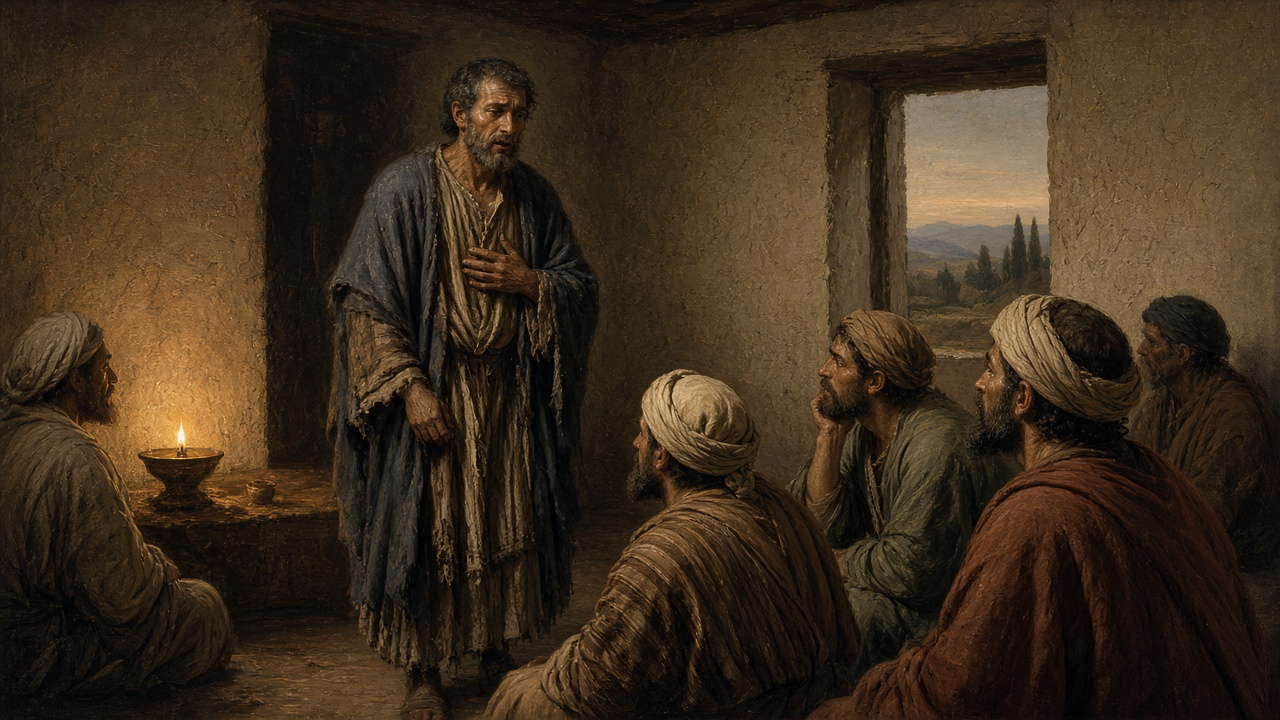
- Quem escreve diz que não veio com eloquência nem com sabedoria ao anunciar o testemunho de Deus. Havia resolvido nada saber enquanto estava com eles, a não ser Jesus Cristo e este crucificado, e veio em fraqueza, temor e grande tremor, para que a fé deles se apoiasse no poder de Deus e não na sabedoria humana.Fontes: o próprio texto bíblico
- A sabedoria falada entre os maduros não é a sabedoria desta era nem a dos seus governantes, que caminham para o nada. Ela é chamada de sabedoria misteriosa e oculta de Deus, destinada à glória antes do início dos tempos; esses governantes não a compreenderam, senão não teriam crucificado o Senhor da glória.Fontes: o próprio texto bíblico
- O capítulo diz que Deus revelou pelo Espírito o que está além da vista, da audição e da imaginação humanas. Só o próprio espírito de uma pessoa conhece os pensamentos dela, e só o Espírito de Deus conhece os pensamentos de Deus. A pessoa natural não aceita o que vem do Espírito, trata isso como loucura e não consegue entendê-lo, porque isso se discerne espiritualmente.Fontes: o próprio texto bíblico
Notas escritas com auxílio de IA a partir de fontes abertas (Theographic Bible Metadata, CC BY-SA 4.0; Easton’s Bible Dictionary, domínio público) e revisadas antes de publicar.
Créditos e licença desta tradução
Tupã Je'ẽha
New Testament in Kaapor (BR:urb:Kaapor)
copyright © 2012 Wycliffe Bible Translators, Inc.
Language: Kaapor
Translation by: Wycliffe Bible Translators, Inc.
Copyright Information
© 2012, Wycliffe Bible Translators, Inc. All rights reserved.
This translation text is made available to you under the
terms of the Creative Commons License: Attribution-Noncommercial-No Derivative Works.
( http://creativecommons.org/licenses/by-nc-nd/3.0/ )
In addition, you have permission to port the text to different file formats, as long as you
do not change any of the text or punctuation of the Bible.
You may share, copy, distribute, transmit, and extract portions
or quotations from this work, provided that you include the above copyright
information:
You must give Attribution to the work.
You do not sell this work for a profit.
You do not make any derivative works that change any of the actual words or punctuation of the Scriptures.
Permissions beyond the scope of this license may be
available if you contact
us with your request.
The New Testament
in Kaapor
© 2012, Wycliffe Bible Translators, Inc. All rights reserved.
This translation is made available to you under the terms of the
Creative Commons Attribution-Noncommercial-No Derivatives license 4.0.
You may share and redistribute this Bible translation or extracts from it in any format, provided that:
You include the above copyright and source information.
You do not sell this work for a profit.
You do not change any of the words or punctuation of the Scriptures.
Pictures included with Scriptures and other documents on this site are licensed just for use with those Scriptures and documents.
For other uses, please contact the respective copyright owners.
2014-04-27
Fonte: http://ebible.org/urbNT/ · eBible.org