Salmos 22
Bibiri Kuyie Nnɑ́ɑǹtì Pɑ́tíri · Toque num versículo para ver as referências cruzadas.
Kuyie ndɛ̀ yĩ́mɛ kɑ̀ɑ n yóu?
1Bɛdèmbɛ̀ kóo kótì dìèmmɛ̀ Dɑfiti yɛ̀nfɛ̀ bɛ̀ dìè nfɛ̀ nɛ̀ mɛtɑndɑɑmɛ̀.
2Áú Kuyie! Áú Kuyie!
Dɛ̀ yĩ́mɛ kɑ̀ɑ n yóu?
Kɛ̀ n kuɔ̀ nkɛ kuɔ̀ mbɑ́ ɑ í n dɛɛrí?
3Kuyie, nh ɔ̃ ntṹṹ nkɛ kuɔ̀mmu kɑ̀ɑ dò nyúó,
kɛ̀ nní nyié nkɛ kuɔ̀ mbɑ́ n yí ompu.
4Kɛ̀ fɔ̃́ɔ̃̀ nɛ́ tú wèè dò mpɑ́íí,
kɛ kɑri ɑ kpɑ̀ɑ̀tìkɑ̀rì kɛ̀ Isidɑyɛɛribɛ dɑ sɑ̃ntí.
5Ti yɛmbɛ̀ do duɔ́ nfɔ̃́ nwe bɛmɑ́ɑ̀,
bɛ̀ do búɔ́ fɔ̃́ nwe kɑ̀ɑ bɛ̀ dɛɛrí.
6Bɛ̀ do ɔ̃ɔ̃ kuɔ́nnɛ̀ fɔ̃́ nwe kɑ̀ɑ bɛ̀ dɛɛtɛ́.
Bɛ̀ do ĩkú fɔ̃́ɔ̃̀ ĩ́nkɛ̀ kɑ̀ɑ bɛ̀ dènnìnko ifɛi.
7Mí n nɑɑ́ ndibɛù ndi!
N tɛ̃́nkɛ í tú onìtì,
bɛnìtìbɛ̀ bɛmɔu sɑ̃̀ɑ̃́ mmí nwe,
kubotí kumɔu sènkɛ̀rì mí nwe.
8Bɛnìtìbɛ̀ bɛmɔu n yɑ̀u kɛ dɑúmu,
kɛ cɔ̃́ṹ kɛ́héunko bɛ yɔ.
9Kɛ nɑ́ɑ́ n kpɛ́í nkɛ tú:
Ò yɛ̃ nhò duɔ́ nhomɑ́ɑ̀ ndi Kuyie,
kuù tũntɛ o kpɛti,
ò yɛ̃ nkù ò dɔ́mu,
kù tũ nhò dɛɛtɛ́.
10N Yiɛ̀ nKuyie nfɔ̃́ɔ̃̀ n dènnɛní n yɔ̃ pɔutì miɛkɛ,
fɔ̃́ɔ̃̀ n duɔ́ nho miɛ̀.
11Bɛ̀ m pɛitɛ́ kɛ n duɔ́ fɔ̃́ nwe,
nɛ̀ m pɛitɛ́nímɛ̀, Kuyie nfɔ̃́ɔ̃̀ ǹ te.
12Mɛyɛǹcɑɑ̀rìmɛ̀ mɛɛ̀ ǹ tɔ́kɛ́nɛ̀, ɑ bɑ́ n dɛ́tɛ́nɛ̀,
òmɔù í bo wèè bo n tee.
13Yɛnɑɑdɑkɛ̀ pɛ́u yɛɛ̀ ǹ fitɛ́,
Bɑsɑ̃ɑ̃ nɑɑdɑkɛ̀ yɛɛ̀ n cɛ̃̀tinɛ̀.
14Yɛ̀ ɑ̀ɑ̀tɛ tinùùtì nti kɛ bo m pĩ́,
kɛ dò ndicìrícìrì dìì pĩ nkɛ kontí.
15N wɛ̃rímú muù sũ̀ɔ̃̀too mɛniɛ mbɛ̀ còúmmɛ̀ kɛtenkɛ̀ mɛ kɔ̃mɛ,
kɛ̀ n kṹɔ̃̀ bɔ̀kíí,
kɛ̀ n kɔ̃m̀bùɔ̀tì yìɛ̀tɛ mɛkùɔ̀ nkɔ̃mɛ.
16N níí kuù kpeí tiyɑɑ̀kpetì kɔ̃mɛ,
kɛ̀ n nɔ́ndɛnfɛ̀ dɑ̀ri n dɑ́ɑndɑɑkù.
A n dɔú nkufɔ̃ti bɛ̀nnì ndi.
17Simɔɔ́ siì n cɛ̃̀ɛ̃̀tɛ kɛ bo n cɑ́ɑ́kɛ́,
bɛnitiyɛibɛ bɛɛ̀ n dií kɛ bo m pĩ́,
kɛ dùùtɛ n nɑɑ̀cɛ̀i nɛ̀ n nɔu.
18N yɔ̀kɛ̀ mɛdiɛ̀ mmɛ kɛ̀ n kṹɔ̃̀ feitɛ́.
N dootitɔbɛ̀ n wùómmu kɛ m pɑkɛ́,
19kɛ totí n yɑ̀ɑ̀tì,
kɛ tɑ̃ũ tɛ́tɛ́ n yɑɑ̀bòrì.
20Fɔ̃́ nKuyie, nhɑ bɑ́ n dɛ́tɛ́nɛ̀,
fɔ̃́ɔ̃̀ tu n wɛ̃rímú,
cokɛ́ní mɛcɑ̃ɑ̃ kɛ́ n teennɛ̀.
21N dɛɛtɛ́nɛ̀ dikpɑ̀rìsiè,
kɛ́ n dɛɛtɛ́nɛ̀ yɛmɔnìì.
22N dɛɛtɛ́nɛ̀ dicìrícìrì nùù,
kɛ́ n dɛɛtɛ́nɛ̀ yɛpɑɑnɑɑdɑyìè.
A n teemmu,
23m bo nnɑ́ɑ́ nhɑ kpɛ́í n kɔbɛ cuokɛ̀,
m bo ndɑ sɑ̃ntí ditĩ̀nnì cuokɛ̀.
24Díndi bɛ̀ɛ̀ dé Kuyie, nsɑ̃ntínɛ̀ kù,
díndi Sɑkɔbu yɑɑ̀bí dimɔu, ndɛ́úkùnkonɛ̀ ku yètìrì.
Díndi Isidɑyɛɛri yɑɑ̀bí dimɔu, nkpeutínɛ̀ ku ììkɛ̀.
25Kù ɔ̃ɔ̃ í n wúónko mɛsémmɛ̀ yiɛ̀ nho sémmɛ̀ miɛkɛ,
kù í ò yetírí,
kù ɔ̃ɔ̃ í nhò bùtínnɛ́,
kòò kù kuɔ́nnɛ̀ kù ɔ̃ɔ̃ kéntɛ́mu.
26M bo ndɑ sɑ̃ntí ditĩ̀nnì diɛrì cuokɛ̀,
kɛ́dɔɔ̀ bɛ̀ɛ̀ dɑ dé bɛ cuokɛ̀ m bɛ́i ntì.
27Bɛcĩ̀rìbɛ̀ yóó dimu kɛ́nsɑ̀nnɛ̀,
bɛ̀ɛ̀ wɑɑ̀ nKuyie nkɛ̀ bɛ̀ nkù sɑ̃ntí,
kɛ́nfòù kɛ́mɔntɛ.
28Itemmɑ̀nkɛ imɔu kɔbɛ yóó dentɛnɛ̀mu Kuyie nkpɛ́í,
bɛ̀ wɛ̃tinímu ku borɛ̀,
ibotí imɔu kɔbɛ yóó nínkúmu ku ììkɛ̀.
29Kɛ yɛ̃́ ti Yiɛ̀ nKuyie nkuù tumɛ̀ okpɑ̀ɑ̀tì,
kuù bɑkɛ́ ibotí imɔu.
30Bɛ̀ɛ̀ duɔ́ kɛtenkɛ̀ miɛkɛ bɛmɔu bɛ̀ yóó kɔ̃nkɛmu ku ììkɛ̀,
bɛ̀ɛ̀ kó dimɑ̀ɑ̀ tɑti kudɔnkù bɛ̀ bo nínkú ku ììkɛ̀.
Mí n fòù Kuyie nkpɛ́í nkɛ,
31kɛ̀ n yɑɑ̀bí yó nkù ntũ̀,
kɛ́nɑ́kɛ́ ku kpɛ́í mbɛ bí,
32kɛ̀ ìi nɑ́kɛ́ bɛ yɑɑ̀bí kù dɔ̀ɔ̀ dɛ̀
kɛ dɛɛtɛ́ ku kɔbɛ.
Você sabia?
Lamento, livramento e louvor universal
- O cabeçalho do Salmo 22 orienta que o cântico seja entoado com a melodia 'A Corça da Manhã'. O poema começa com um doloroso clamor de desamparo, mas se transforma de maneira marcante em uma ação de graças pública diante da comunidade reunida.Fontes: o próprio texto bíblico
- O salmista compara seus ferozes adversários a 'fortes touros de Basã'. Basã era uma região fértil que se estendia de Gileade ao monte Hermom, destinada à meia tribo de Manassés e famosa por seus rebanhos fortes.Fontes: o próprio texto bíblico · Bashan
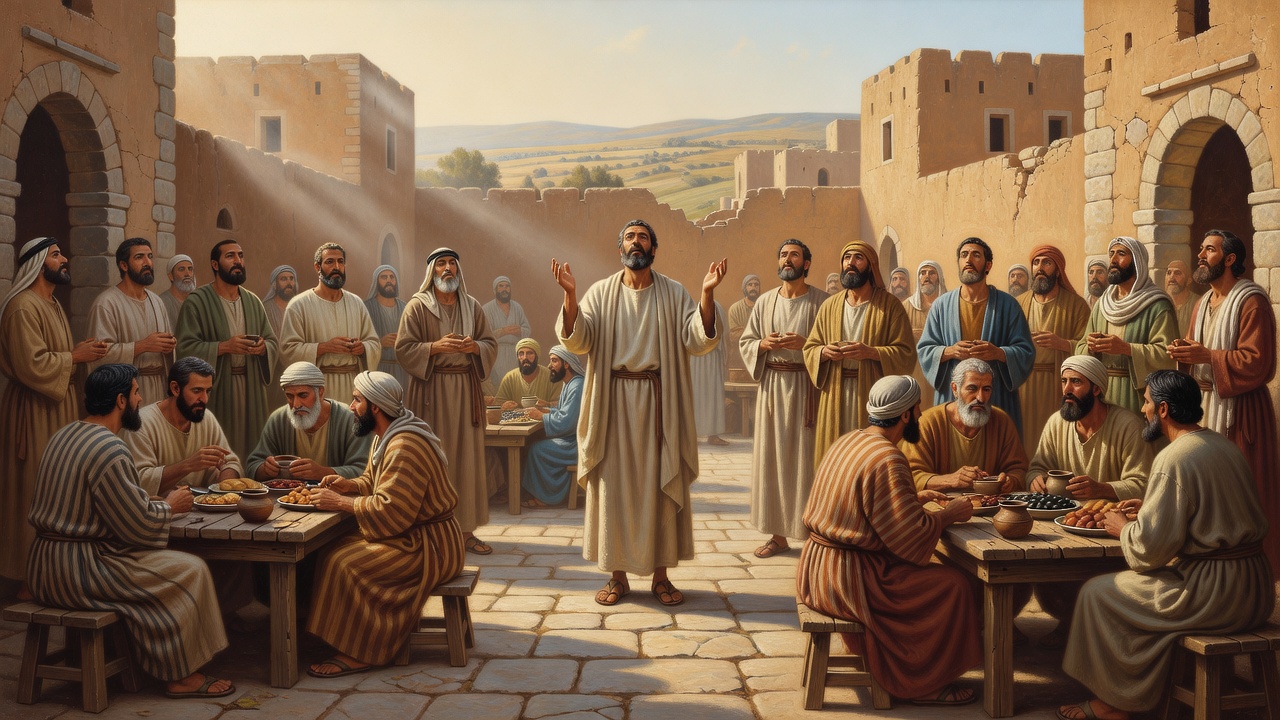
- A segunda parte do salmo retrata o cumprimento de votos na 'grande congregação', onde uma refeição comunitária é repartida para que os aflitos comam e se fartem, anunciando os feitos de Deus às futuras gerações.Fontes: o próprio texto bíblico
Notas escritas com auxílio de IA a partir de fontes abertas (Theographic Bible Metadata, CC BY-SA 4.0; Easton’s Bible Dictionary, domínio público) e revisadas antes de publicar.
Lugares deste capítulo
- Bashan · 32.781, 35.935 · versículo 12
Só aparecem lugares com identificação de alta confiança (90% ou mais segundo as fontes acadêmicas reunidas pelo OpenBible). Mapa da época: DARE (Digital Atlas of the Roman Empire), CC BY 4.0; mapa atual: © colaboradores do OpenStreetMap; lugares: OpenBible.info (CC BY 4.0).
Créditos e licença desta tradução
Bibiri Kuyie Nnɑ́ɑǹtì Pɑ́tíri
The Holy Bible in the Ditammari language of Benin
copyright © 2001 SIM International
Language: Ditammari
Translation by: SIM
This translation text is made available to you under the
terms of the Creative Commons License: Attribution-Noncommercial-No Derivative Works.
( http://creativecommons.org/licenses/by-nc-nd/3.0/ )
In addition, you have permission to port the text to different file formats, as long as you
do not change any of the text or punctuation of the Bible.
You may share, copy, distribute, transmit, and extract portions
or quotations from this work, provided that you include the above copyright
information:
You must give Attribution to the work.
You do not sell this work for a profit.
You do not make any derivative works that change any of the actual words or punctuation of the Scriptures.
Permissions beyond the scope of this license may be
available if you contact
us with your request.
This translation is made available to you under the terms of the
Creative Commons Attribution-No Derivatives license 4.0.
You may share and redistribute this Bible translation or extracts from it in any format, provided that:
You include the above copyright and source information.
You do not make any derivative works that change any of the actual words or punctuation of the Scriptures.
Pictures included with Scriptures and other documents on this site are licensed just for use with those Scriptures and documents.
For other uses, please contact the respective copyright owners.
2022-05-31
Fonte: http://ebible.org/tbzsim/ · eBible.org