Provérbios 30
Bibiri Kuyie Nnɑ́ɑǹtì Pɑ́tíri · Toque num versículo para ver as referências cruzadas.
Akuu kó tinɑ́ɑǹtì
1Akuu Sɑkee birɛ nɑ̀kɛ́ tìì nɑ́ɑǹtì Itiyɛɛdi nɛ̀ Ukɑɑdi.
2N tú kuyɛìnkù nku kɛ pɛ̃ɛ̃tɛ́ bɛnìtìbɛ̀ bɛmɔu, n yí mɔkɛ mɛniticiì.
3N yí mɔkɛ mɛciì n nɛ́ mɔkɛmu mɛciì mmɛ̀ɛ̀ bo nte kɛ̀ n yĩ́ɛ̃́tɛ́ Kuyie.
4We ndèkɛ kɛĩ́nkɛ̀ kɛ wɛ̃̀tɛní?
We mpikú kuyɑɑkù nɛ̀ o nɔ̀ùtɛ̀?
We mpɔ̃ṹ mmɛniɛ nnɛ̀ kuyɑ̀ɑ̀kù?
We nhɑ̃nnɛ́ itemmɑ̀nkɛ?
Dɛ yiɛ̀ nyètìrì tu bɑ?
O birɛ kpɛri tú bɑ? N nɑ́kɛ́ ti.
5Kuyie nnɑ̀kɛ́ tì timɔu tu timɔ́mmɔnti nti, kuù kɑ̃nkɛ́ bɛ̀ɛ̀ bo ku bo dɛ̀ kudɔpìkù kɔ̃mɛ. 6Bɑ́ɑ́ yíɛ́ tìmɑtì ku nɑ́ɑǹtì miɛkɛ, kù yɑ̀ɑ̀ bo dɑ kpetínnɛ́ kɛ́bɛnkɛ ɑ túmɛ̀ siyɑ́ɑ̀bìsí yiɛ̀.
7Kuyie, n dɑ mɔ́ú dɛ̀mɑrɛ̀ dɛ̀dɛ́rɛ̀ ndɛ n fòmmu miɛkɛ, bɑ́ɑ́ dɛ̀ nni nyetɛnɛ̀. 8N dɛ́tinnɛ̀ siyɑ́ɑ̀bìsí, nɛ̀ mɛciìmmɛ̀, ɑ bɑ́ɑ́ yóu kɛ̀ n dɔkɛ nɑɑ́ nfɛdɑwɑnfɛ̀ yoo n dɔkɛ kpɑrìkɛ̀, nni nduɔ̀ m bo nyo mù kɛ fòùnɛ̀. 9Kɛ̀ n dɔ̀kɛ kpɑ̀rìkɛ̀ n yɑ̀ɑ̀ bo dɑ yetɛ kɛ dɔ̀: We ntu Kuyie? Kɛ̀ mmɛ n dɔ̀kɛ nɑɑ́ nfɛdɑwɑnfɛ̀ n yɑ̀ɑ̀ bo yúúkú kɛ́cɑkɛ ɑ yètìrì.
10Bɑ́ nwɑ́tìrì otɔ̃ntì wèè ò duɔ́ mmutɔ̃mmú ò ììkɛ̀ ò yɑ̀ɑ̀ bo dɑ bɔntɛ́ kusĩ̀nkù kɑ̀ɑ tɔ mɛyɛi.
11Bɛ̀mɑbɛ̀ bomu kɛ sɑ̃́ɑ̃́ mbɛ cicɛbɛ̀ bɑ́ bɛ̀ í nɑ́ɑ́ mbɛ yɔ̃bɛ̀ kó mɛsɑ̀ɑ̀.
12Bɛ̀mɑbɛ̀ bomu kɛ̀ bɛ yɛ̀mmɛ̀ dò mbɛ̀ wenni kɛ̀ bɛ̀ nɛ́ ɑ̃ mɛyɔ̃́ɔ̃̀.
13Kɛ̀ bɛtɔbɛ̀ bo kɛ senku bɛnìtìbɛ̀ kɛ bɛ̀ séenko inuɔ.
14Bɛ̀mɑbɛ̀ bomu kɛ̀ bɛ nìì ndò ntiseuti, kɛ̀ bɛ yɛ̀ì ndò nyɛse, kɛ kɔù bɛsénnìbɛ̀, kɛ deu bɛcĩ̀rìbɛ̀.
Dɛ̀ɛ̀ yóù mubɑntímù
15Bɛ̀mɑbɛ̀ bomu kɛ ɔ̃ ntú: M pɑ̃, m pɑ̃. Bɛ̀ dònnɛ̀ inɑcɑ́kpɛi nyi kɛ yɑ̃ɑ̃́ mbɛtɔbɛ̀ yĩ̀ĩ̀, dɛ̀mɑrɛ̀ bo dɛ̀tɑ̃ɑ̃ti ndi dɛ̀ɛ̀ ɔ̃ɔ̃ í nsɑ̀nnɛ̀, kɛ̀ dɛ nɑɑnnɛ̀ bo dɛ̀ɛ̀ í diɛ̀.
16Kudɔnkù nɛ̀ tɛhɑ̃ũntɛ,
nɛ̀ kɛtenkɛ̀ kɛ̀ɛ̀ í diɛ̀ mmɛniɛ,
nɛ̀ muhɑ̃ɑ̃́ mmùù cɔ̀ú nkɛ í diɛ̀.
17Kòo nìtì sɑ̃̀ɑ̃́ nho cicɛ, kɛ sènkɛ̀rì o yɔ̃, yɛbɑnkɛte yɛɛ̀ yóó dokɛ́ o nuɔ, kɛ̀ itúúkɛ́ ò cɑ̀ɑ́kɛ́.
18Dɛ̀mɑrɛ̀ bo dɛ̀tɑ̃ɑ̃ti ndi dɛ̀ɛ̀ pɛ̃ɛ̃tɛ́ n ciì, dɛ̀nɑ̀ɑ̀ ndi ketíkɛ n yí nɑ kɛ bɑntɛ́ dɛ̀:
19Fɛtúúfɛ̀ kó kucɛ kɛĩ́nkɛ̀,
fɛwɑ̀ɑ̀fɛ̀ kɔku ditɑ̃́rì ĩ́nkɛ̀,
bɑ̀tóò cɛ dɑ̀mɛ́ɛ̀rì miɛkɛ,
dɛ̀ɛ̀ yũɔ̃ nhonitidɔ̀ù osɑpɑ̀ɑ̀ mbíɛ́kɛ̀.
20Ntɛ onitipòkù wèè dɔuti dɔutinɛ̀ bɛnitidɑɑbɛ̀ o borimɛ dòmmɛ̀, ò ɔ̃ɔ̃ di kɛ́deè kɛ́ũtɛ́ o nùù ndi kɛ dɔ̀ ò í dɔ̀ɔ̀ mɛyɛi mmɑmɛ̀.
21Dɛ̀mɑrɛ̀ bo dɛ̀tɑ̃ɑ̃ti ndi bɛnìtìbɛ̀ kɔ̃m̀bùɔ̀tì duò dɛ̀ kɛ dò nkɛtenkɛ̀ ɔ̃ɔ̃ ɑɑ́mɛ̀, dɛ̀ bo dɛ̀nɑ̀ɑ̀ ndi ketíkɛ kɛtenkɛ̀ yĩ̀ɛ̃̀kù dɛ̀.
22Kudɑɑkù bo nɑɑ́mmɛ̀ okpɑ̀ɑ̀tì
nɛ̀ kuyɛìnkù kùù yo nkɛ sɑ̀nnɛ̀,
23nɛ̀ tɛpodɔ̀ntɛ̀ bo nyeḿmɛ̀
nɛ̀ kunitipodɑɑkù bo cɔutɛ́mɛ̀ ocɛ̃́pokù fɔ̃̀tìrì.
24Dɛsĩ́ntɛ́kpɛrɛ bo titɔ̃ntì tìnɑ̀ɑ̀ ndi kɛtenkɛ̀ ĩ́nkɛ̀, dɛ̀ɛ̀ kɛ̃ńnì kɛ̀ dɛ ciì nnɛ́ dɛu.
25Sikɛ̃ṹ sìì kpɑ muwɛ̃rímú, kɛ nɛ́ ɔ̃ɔ̃ wɑɑ́ nsi diitì kudisɛ̃ĩkù mɔ̀nnì.
26Nɛ̀ yɛyíì yɛ̀ɛ̀ kpɑ muwɛ̃rímú kɛ nɛ́ keù yɛ fɔ̃ti yɛtɑ̃rɛ̀ miɛkɛ.
27Nɛ̀ fɛcofɛ fɛ̀ɛ̀ í mɔkɛ okpɑ̀ɑ̀tì kɛ ɔ̃ɔ̃ yɛ̀ yɛtĩ̀rɛ̀ yɛtĩ̀rɛ̀.
28Nɛ̀ yɛmɔnkɛ ɑ bo nɑ kɛ́pĩ́ nyɛ̀ nɛ̀ ɑ nɔ̀ùtɛ̀ kɛ̀ yɛ̀ nɛ́ ɑ̃ sikpɑ̀ɑ̀tìcɛ̃́ĩ miɛkɛ.
29Dɛnɛnnɛ̀ bo dɛ̀tɑ̃ɑ̃ti ndi, dɛ̀nɑ̀ɑ̀ ndi ketíkɛ dɛ̀ɛ̀ cèmmu wenni.
30Dicìrícìrì dikpɑ́ɑ̀ kóo kpɑ̀ɑ̀tì dìì í dé òmɔù,
31nɛ̀ tɛkpɑ̀rìsɑ̃ntɛ̀,
nɛ̀ dibɔdɑɑ̀,
nɛ̀ okpɑ̀ɑ̀tì wèè nɛínɛ̀ o ɑ̃ɑ̃pɔ̀mbɛ̀.
32Kɑ̀ɑ mɔ̀kɛ tɛyɛinfentɛ̀ ntɛ kɛ fontí, kɛ bɑntɛ́, pĩ́ nhɑ nùù. 33Kɑ̀ɑ pokɛ́ mɛnɑɑmiɛ̀ mɛnɑɑ̀nkùɔ̀ mɛɛ̀ ɔ̃ɔ̃ yɛ̀nní, kɑ̀ɑ potɛ́ diɔ̃nnì mɛyĩ̀ĩ̀ mɛɛ̀ ɔ̃ɔ̃ yɛ̀nní, kɑ̀ɑ miɛkɛ yɛ̀nní ɑ ɔ̃ɔ̃ cé nyɛkpɑ̀rɛ̀ nyɛ.
Você sabia?
Os Ditos de Agur
- Provérbios 30 é atribuído a Agur, filho de Jaque, que dirigiu suas palavras a Itiel e Ucal. Além do que está registrado neste capítulo, nada mais se sabe sobre a vida de Agur ou de seu pai.Fontes: Agur · Jakeh · Ucal · o próprio texto bíblico
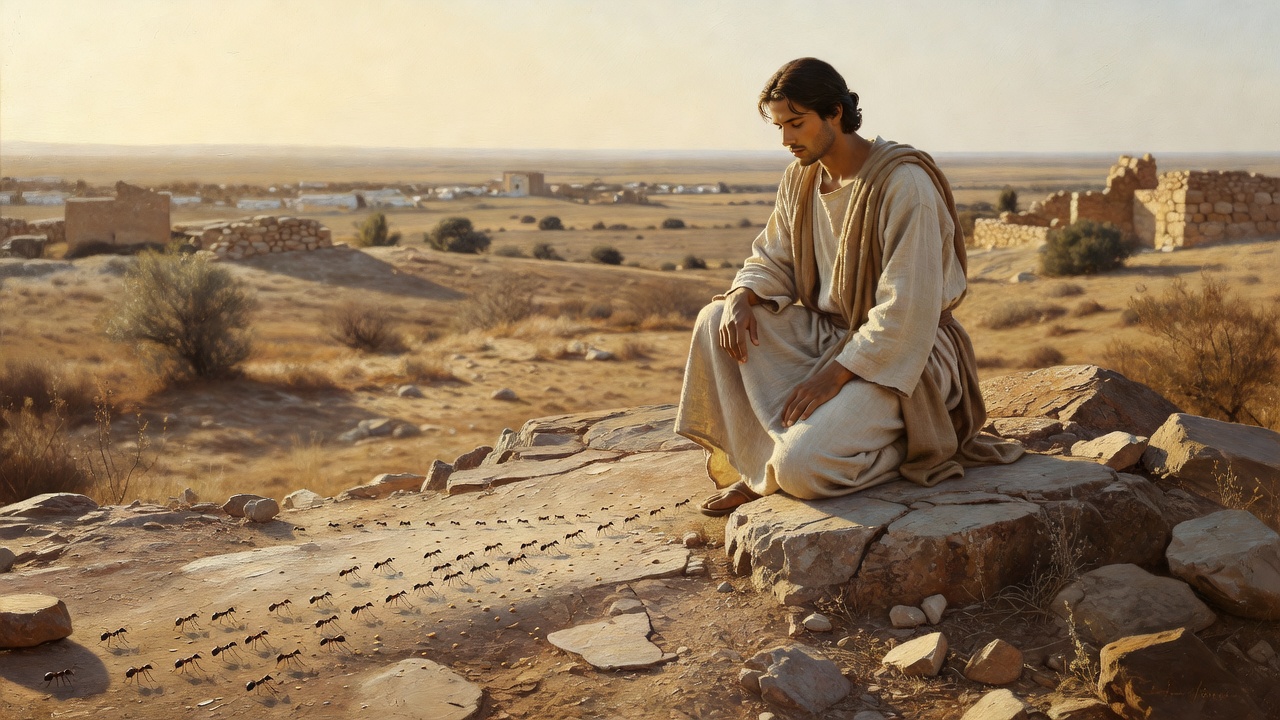
- O capítulo utiliza frequentemente um padrão numérico graduado ('três coisas... quatro que...') para agrupar observações sobre a natureza e o comportamento humano. Agur aplica essa estrutura a maravilhas da criação, perturbações sociais, seres de porte imponente e quatro pequenas criaturas que exibem notável sabedoria: formigas, lebres-das-rochas, gafanhotos e lagartos.Fontes: o próprio texto bíblico
- Agur faz um pedido específico de duas partes, suplicando que não receba nem pobreza nem riquezas, mas apenas a sua porção diária de pão. Ele explica que ter em excesso poderia levar alguém a negar o Senhor, enquanto a extrema pobreza poderia induzir a pessoa a furtar.Fontes: o próprio texto bíblico
Notas escritas com auxílio de IA a partir de fontes abertas (Theographic Bible Metadata, CC BY-SA 4.0; Easton’s Bible Dictionary, domínio público) e revisadas antes de publicar.
Créditos e licença desta tradução
Bibiri Kuyie Nnɑ́ɑǹtì Pɑ́tíri
The Holy Bible in the Ditammari language of Benin
copyright © 2001 SIM International
Language: Ditammari
Translation by: SIM
This translation text is made available to you under the
terms of the Creative Commons License: Attribution-Noncommercial-No Derivative Works.
( http://creativecommons.org/licenses/by-nc-nd/3.0/ )
In addition, you have permission to port the text to different file formats, as long as you
do not change any of the text or punctuation of the Bible.
You may share, copy, distribute, transmit, and extract portions
or quotations from this work, provided that you include the above copyright
information:
You must give Attribution to the work.
You do not sell this work for a profit.
You do not make any derivative works that change any of the actual words or punctuation of the Scriptures.
Permissions beyond the scope of this license may be
available if you contact
us with your request.
This translation is made available to you under the terms of the
Creative Commons Attribution-No Derivatives license 4.0.
You may share and redistribute this Bible translation or extracts from it in any format, provided that:
You include the above copyright and source information.
You do not make any derivative works that change any of the actual words or punctuation of the Scriptures.
Pictures included with Scriptures and other documents on this site are licensed just for use with those Scriptures and documents.
For other uses, please contact the respective copyright owners.
2022-05-31
Fonte: http://ebible.org/tbzsim/ · eBible.org