Jó 8
Bibiri Kuyie Nnɑ́ɑǹtì Pɑ́tíri · Toque num versículo para ver as referências cruzadas.
Suɑɑ ɛì kou Bididɑɑ bɛ́i ntì
1Kɛ̀ Bididɑɑ Suɑɑ ɛì kou bɛ́i nkɛ dɔ̀:
2Dɛ̀ yó nkɑ̃́ɑ̃́kɛ́ dɛ kɑ̀ɑ yóu ɑ bo nnɑ́ɑ́mmɛ̀ tiì mbotí?
Ɔ̃̀mmɔ̀nnì ndi ɑ nɑ́ɑǹtì yóó yóumɛ̀ ti bo nyiɛ̀nímɛ̀ kuyɑɑkperíkù kɔ̃mɛ?
3Kuyie mbo nɑ kɛ́di onìtì muwɛ̃rímɑ́ɑ̀?
Muwɛ̃rímú mumɔu yiɛ̀ mbo dɔɔ̀ dɛ̀ɛ̀ í síɛ́ɑ̀?
4A nyɛ̃́ kɛ dò nhɑ bí dɔ̀ɔ̀ mɛyɛi mmɛ,
dɛɛ̀ te kɛ̀ kù bɛ̀ yietí bɛ yɛi mmɑ̀nnɛ̀ tìì yeti.
5Kɛ̀ fɔ̃́ nkó fɛnɔ̀nfɛ̀ bo ku bíɛ́kɛ̀,
kɑ̀ɑ kù bɑ̀ɑ́ kunku muwɛ̃rímú mumɔu yiɛ̀,
6Kɑ̀ɑ tu onitisɑ̀ù kɛ wetí,
dɛ mɔ̀nnì kù yóó ndɑkɛmu ɑ kpɛ́í,
kɛ́ dɑ cónnɛ́ ɑ fɔ̃̀tìrì só.
7A borimɛ mɛketimɛ̀ yó ntú mɛsɑ́m̀pɔ́mɛ̀ mmɛ.
Mɛdɛ́rímɛ̀ yóó mɛ̀ dɛutɛ́nɛ̀mu mɛdiɛ̀.
8Bekɛ bɛ̀ɛ̀ do bo nɛ̀ dimɔ̀nnì kɛ̀ bɛ̀ dɑ nɑ́kɛ́,
kéntɛ́ mɛsɑ̀ɑ̀ nkɛ̀ bɛ̀ dɑ nɑ́kɛ́ bɛ yɛmbɛ̀ do yɛ̃́ dɛ̀.
9Kɛ yɛ̃́ ti túmɛ̀ wenkɛ kɔbɛ mbɛ ti í yɛ̃́ dɛ̀mɑrɛ̀.
Onìtì fòmmu dònnɛ̀ mɛdɛ́ɛ̀ mmɛ kɛ pɛ̃nkɛ́ kɛtenkɛ̀ ĩ́nkɛ̀.
10Bɛmbɛ bo nɑ kɛ dɑ nɑ́kɛ́,
bɛ̀ yóó dɑ tiémmu tìì bo bɛ yɛ̀mmɛ̀ miɛkɛ, bɛ̀ yɛ̃ tì.
11Tipèntì yìɛ̀mu mɛniɛ nyí borɑ̀ɑ̀?
Yɑ́ɑ̀ titɑ̀ùtì yìɛ̀mu kubooku kpɑ dɛ̀?
12Tì ɔ̃ ndò nsùòò nwe nɛ̀ mupóó mbɛ̀ tì kɔ̃ũ dìì mɔ̀nnì,
kɛ̀ mɛniɛ mmɛ ndèè tì kpeíomu kɛ̀ titieti tɛtì nkpɑɑ́ kɛ sũ.
13Onìtì wèè í yɛ̃́ Kuyie nhò kpɛrɛ ɔ̃ mmɛ ndò,
oyɛiwe ĩkú dɛ̀ɛ̀ ĩ́nkɛ̀ ɔ̃ɔ̃ mɛ ndentɛnɛ̀.
14Ò do bɑɑ dɛ̀ dèumu,
kòo do ĩkú tìì ĩ́nkɛ̀ɛ cĩtɛ tinɑ́tì dòmmɛ̀.
15Kòò níí pĩ́ nho cĩ́ɛ̃̀tɛ̀ kɛ̀ tɛ̀ɛ sɑ̃ntɛ̀,
kòò pĩ nkumɑrí kùu do.
16Ò dònnɛ̀ mutie mmu mùù sɛ̀mmɛ̀ sũ,
kɛ̀ mù kòtírí bɑ́ kɛ̀ kuyie ncɔ̀ú,
mu pɑ̀ɑ̀ nní nsɛnti kɛ́pitɛ́ mù còḿmú dɛ̀.
17Kɛ̀ mucĩɛ̃ ntɑ kɛ́sɛu nyɛtɑ̃́rɛ̀,
kɛ́tɑ kɛ́fṹṹkú yɛtɑ̃́rɛ̀ miɛkɛ.
18Kɛ̀ bɛ̀ mù uutɛ́ dɛndɛ bɑ̀mbɑ̀
mu fɔ̃̀tìrìi mù nɛ̀nni kɛ dɔ̀: N yí dɑ yɛ̃́ bìtì.
19Mù do fòù kɛ yo ndìì wɛ̀ì dɛ nkɑ̃́ɑ̃́kɛ́,
kɛ̀ mutɛ̃mùu yɛ mù do cómmú kɛ̀ɛ̀ tenkɛ̀ ĩ́nkɛ̀.
20Kuyie nhɔ̃ɔ̃ í ndootóo wèè wetí bìtì,
kù mɛ nhɔ̃ɔ̃ í nyóu kɛ̀ wèè dɔ̀ɔ̀ri mɛyɛi nkòo kpɛrɛ nyíé.
21A wɛ̃ti kɛ bo dɑɑ́mu bɑ̀mbɑ̀,
fɛentìfɛ̀ yɛ̀tìnímu ɑ nùù miɛkɛ.
22Bɛ̀ɛ̀ dɑ níí nyifɛi yóó bɛ̀ pĩ̀ḿmu
bɛyɛibɛ kó sicɛ̃́ĩ í yó nkpɑɑ́ bo.
Você sabia?
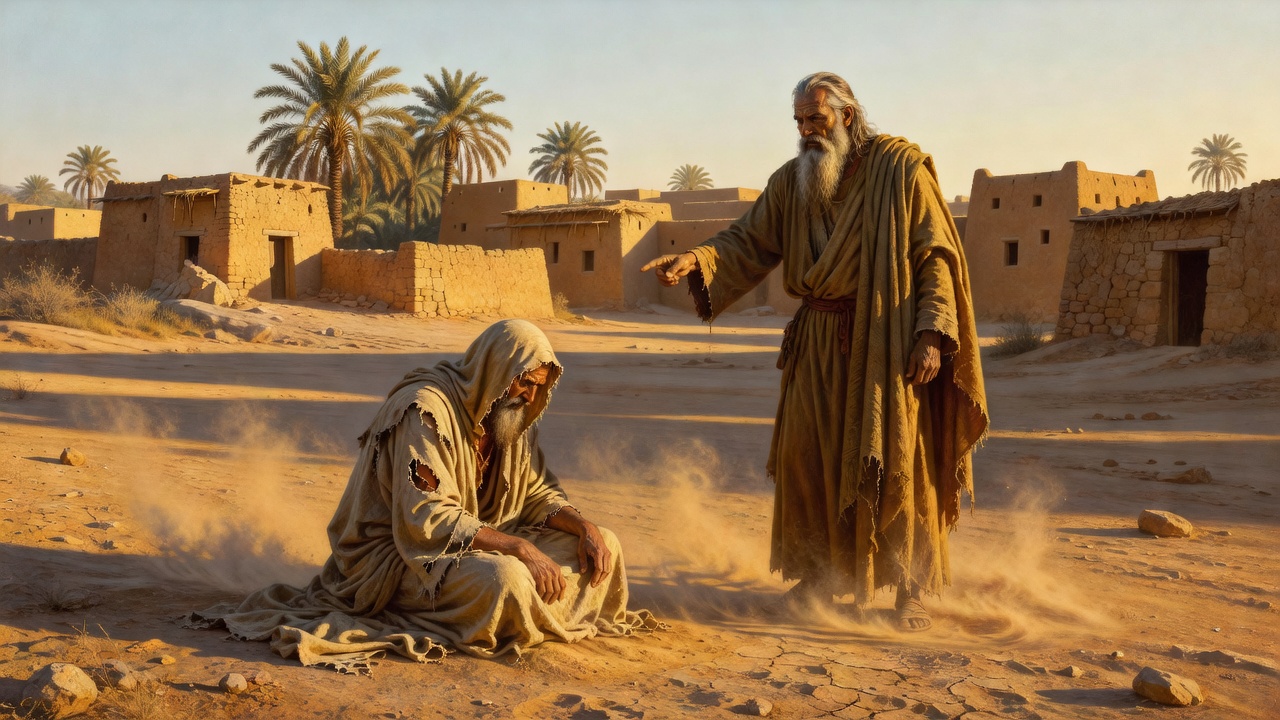
O apelo de Bildade à sabedoria antiga
- Bildade é identificado como suíta, o que provavelmente o associa a Suá, uma região árabe povoada pelos descendentes de Abraão e Quetura. Neste capítulo, ele profere o primeiro de seus três discursos severos a Jó, sustentando que a justiça divina é absoluta e inflexível.Fontes: Bildad · o próprio texto bíblico
- Em vez de se apoiar na própria experiência, Bildade apela ao conhecimento acumulado das gerações passadas, descrevendo a vida humana como breve como uma sombra. Para ilustrar a queda inevitável dos ímpios, ele emprega metáforas naturais de juncos que secam sem água e a fragilidade de uma teia de aranha.Fontes: o próprio texto bíblico
Notas escritas com auxílio de IA a partir de fontes abertas (Theographic Bible Metadata, CC BY-SA 4.0; Easton’s Bible Dictionary, domínio público) e revisadas antes de publicar.
Créditos e licença desta tradução
Bibiri Kuyie Nnɑ́ɑǹtì Pɑ́tíri
The Holy Bible in the Ditammari language of Benin
copyright © 2001 SIM International
Language: Ditammari
Translation by: SIM
This translation text is made available to you under the
terms of the Creative Commons License: Attribution-Noncommercial-No Derivative Works.
( http://creativecommons.org/licenses/by-nc-nd/3.0/ )
In addition, you have permission to port the text to different file formats, as long as you
do not change any of the text or punctuation of the Bible.
You may share, copy, distribute, transmit, and extract portions
or quotations from this work, provided that you include the above copyright
information:
You must give Attribution to the work.
You do not sell this work for a profit.
You do not make any derivative works that change any of the actual words or punctuation of the Scriptures.
Permissions beyond the scope of this license may be
available if you contact
us with your request.
This translation is made available to you under the terms of the
Creative Commons Attribution-No Derivatives license 4.0.
You may share and redistribute this Bible translation or extracts from it in any format, provided that:
You include the above copyright and source information.
You do not make any derivative works that change any of the actual words or punctuation of the Scriptures.
Pictures included with Scriptures and other documents on this site are licensed just for use with those Scriptures and documents.
For other uses, please contact the respective copyright owners.
2022-05-31
Fonte: http://ebible.org/tbzsim/ · eBible.org