Jó 4
Bibiri Kuyie Nnɑ́ɑǹtì Pɑ́tíri · Toque num versículo para ver as referências cruzadas.
Edifɑsi nɑ̀kɛ́ tì Isɔbu
1Kɛ̀ Edifɑsi Temɑɑ ɛì kou nyóó bɛ́innɛ̀ Isɔbu kòo nùù dɔ̀:
2Kɛ̀ ti sɑ̀ɑ̀ yɛ̃ nti bo dɑ bɛ́innɛ̀ dɛ̀ mɛ̀ ndɑ bimɛ̀ dɛ̀ bɑ́ɑ́ dɑ yonkɑɑ̀?
Ti mɛ nyí yóó nɑ kɛ́ncĩ́ɛ̃́kɛ́
3Fɔ̃́ nwèè do duɔ̀ mbɛnìtìbɛ̀ itié,
fɔ̃́ nwèè do teénnɛ̀ bɛ̀ɛ̀ bɑɑ̀ mbɛ̀ìtɛ̀ kɛ bɛ̀ kpénkùnko,
4fɔ̃́ nwèè nɑ́ɑǹtì do íinko bɛ̀ɛ̀ do,
fɔ̃́ nwèè do kpénkùnko bɛ̀ɛ̀ kɔ̃̀ntì bɛ̀ìtɛ̀.
5Di mmɔ̀nnì kɑ̀ɑ kó dimɔ̀nnì tùɔ̀kɛ kɑ̀ɑ yɛ̀mmɛ̀ cɑ̀ɑ̀rɛ̀.
Kuyɛ̃ĩku kuù dɑ do kɛ dɑ ɑutɛ́.
6A bɑɑ yɛ̃ nhɑ dé Kuyie nku kɛ fṹṹkú kuù ĩ́nkɑ̀ɑ̀?
A mɛ̀ nwetímɛ̀mu kɛ ĩkú kuù ĩ́nkɛ̀ ɑ bɑ́ nkù bùɔ́ɑ̀?
7Totí ɑ yɛ̀mmɛ̀, ɑ yɑ̀ diyiè mɑrì wèè í mɔkɛ mɛyɛi nkòò fɛ̃́ũ̀rɑ̀ɑ̀?
Yɑ́ɑ̀ ɑ yɑ̀ bɛnitisɑ̀ɑ̀bɛ̀ kɔ̃ ndɛ̀?
8Mí nyɛ̃́ kɛ do mbɛ̀ɛ̀ kuuti mɛyɛi
kɛ buɔtì mɛsémmɛ̀ bɛtɔbɛ̀ kpɛ́í bɛɛ̀ mɛ̀ kɔ̃ũ.
9Kuyie nhɔ̃ɔ̃ fuutɛ muyɑɑ́ kɛ̀ bɛɛ̀ kú
ku ɔ̃nnì kó muyɑɑ́ nhɔ̃ɔ̃ bɛ nnɛinɛ̀.
10Dicìrícìrì kó fɛkontìfɛ̀ nɛ̀ dimɑnnì kó fɛũntìfɛ̀
Kuyie nkuù ɔ̃ nte kɛ̀ dɛ̀ɛ cĩ́ɛ̃́kɛ́.
Kuù bɔ̀kíí yɛcìrícìrìpɑ̀ɑ̀ nkó yɛnìì.
11Dicìrícìrì ɔ̃ɔ̃ mɔ́ntɛ́mu dì bo pĩ́ ndɛ̀ kɛ́cɑ́ɑ́kɛ́ kɛ́kú,
kɛ̀ yɛcìrícìrìbɛɛ cíɛ́tɛ́.
12Tinɑ́ɑǹtì mɑtì tiì bɑ̀ńnɛ́ kɛ yɛ̃ nkɑ̃ɑ̃roo
kɛ̀ n kèè ti kó kunɑmpoo.
13Kɛyènkɛ̀ mɔ̀nnì ndi iyɛǹtotí ɔ̃ɔ̃ tuɔkɛnímɛ̀ onìtì kɛ̀ tidɔùntìi ò sɔ̃̀ńkɛ́.
Bɛnìtìbɛ̀ nuɔ ncɛ̃ɛ̃kɛ dìì mɔ̀nnì,
14dɛ mɔ̀nnì ndi kufɔ̃wɑɑ́ nni mpĩ̀ḿmɛ̀ kɛ̀ n kpeutɛ,
kɛ̀ n kṹɔ̃̀ bɔ̀ɔ́tɛ́ bɔ́ɔ́tɛ́.
15Kɛ̀ muyɑɑ́ mmɑmùu pɛ̃ɛ̃tóo n yììkɛ̀
kɛ̀ n kɔ̃̀ntì yɛ̃ nyúdùdù.
16Kòò mɔù dɛ̀ bo m mɛ nyí nɑ koò bɑntɛ́.
Kɛ̀ n nɛ́ nwúó nho fènkù n yììkɛ̀ kɛ́keè fɛyíɛ̀fɛ̀ kɛ̀ fɛ̀ tu:
17Onìtì bo nɑ kɛ dɔ̀ ò wenni Kuyie n yììkɑ̀ɑ̀?
Onìtì bo nɑ kɛ́nɑ́kɛ́ wèè ò dɔ̀ɔ̀ kɛ dɔ̀ ò do nsɛ́iɑ̀?
18Kuyie nkunku í tɑ̃ ku kó bɛtɔ̃mbɛ̀
ku tɔ̃rɛ̀ yiɛ tú ku tɔ̃rɛ̀ kɛ í kpɑ mɛyɛi!
Kɛ̀ nii bɛnìtìbɛ̀ bɛɛ̀ nɛ́ bo nwennɑɑ̀?
19Bɛmbɛ bɛ̀ɛ̀ tɑɑ̀ titɑ̃́tì miɛkɛ, kɛ ɑ̃ mutɑ̃́ɑ̃́ mmiɛkɛ
bɛ̀ ɔ̃ɔ̃ yɛ̃tɛ bɛ̀ tɛmíɛ́tɛ̀ kɔ̃mɛ.
20Bɛ̀ɛ̀ ɔ̃ɔ̃ yɛ̀nní dikṹnweńnì kɛ̀ dɛ nyóó yĩ́ kuyuoku kɛ̀ bɛ̀ í kpɑɑ́
bɛ̀ɛ̀ ɔ̃ɔ̃ kú kɛ̀ bɛ̀ ketɛ́ kɛ bɑ́ ndɑkɛ.
21Bɛ̀ɛ̀ ɔ̃ũ ɔ̃ɔ̃ tɔ̃tɛ kɛ̀ bɛ̀ɛ do,
kɛ kú bɑ́ mɛciì nyí bɛ̀ sɑ̀nnɛ̀.
Você sabia?
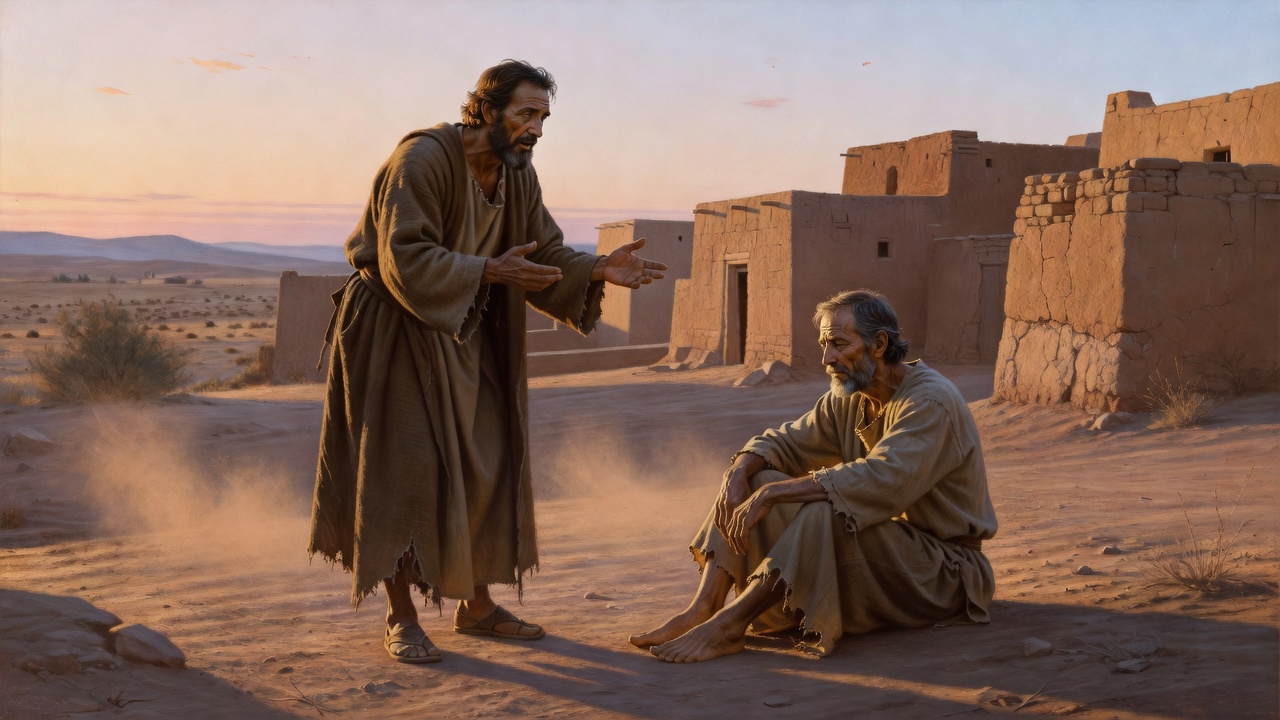
O Primeiro Discurso de Elifaz
- Elifaz, o temanita, é o primeiro dos companheiros de Jó a responder, rompendo o silêncio de sete dias. Ele reconhece a reputação passada de Jó de consolar e fortalecer os aflitos antes de questionar por que Jó não consegue aplicar essa mesma firmeza ao seu próprio sofrimento.Fontes: o próprio texto bíblico · Eliphaz
- Elifaz introduz o princípio tradicional da retribuição, argumentando que os inocentes nunca perecem e que as pessoas colhem aquilo que semeiam na vida.Fontes: o próprio texto bíblico
- Para fundamentar seu argumento teológico, Elifaz relata uma visão noturna estarrecedora na qual um espírito misterioso surgiu diante dele na escuridão, declarando que mortais frágeis, que habitam em casas de barro, não podem ser mais justos ou puros do que o seu Criador.Fontes: o próprio texto bíblico
Notas escritas com auxílio de IA a partir de fontes abertas (Theographic Bible Metadata, CC BY-SA 4.0; Easton’s Bible Dictionary, domínio público) e revisadas antes de publicar.
Créditos e licença desta tradução
Bibiri Kuyie Nnɑ́ɑǹtì Pɑ́tíri
The Holy Bible in the Ditammari language of Benin
copyright © 2001 SIM International
Language: Ditammari
Translation by: SIM
This translation text is made available to you under the
terms of the Creative Commons License: Attribution-Noncommercial-No Derivative Works.
( http://creativecommons.org/licenses/by-nc-nd/3.0/ )
In addition, you have permission to port the text to different file formats, as long as you
do not change any of the text or punctuation of the Bible.
You may share, copy, distribute, transmit, and extract portions
or quotations from this work, provided that you include the above copyright
information:
You must give Attribution to the work.
You do not sell this work for a profit.
You do not make any derivative works that change any of the actual words or punctuation of the Scriptures.
Permissions beyond the scope of this license may be
available if you contact
us with your request.
This translation is made available to you under the terms of the
Creative Commons Attribution-No Derivatives license 4.0.
You may share and redistribute this Bible translation or extracts from it in any format, provided that:
You include the above copyright and source information.
You do not make any derivative works that change any of the actual words or punctuation of the Scriptures.
Pictures included with Scriptures and other documents on this site are licensed just for use with those Scriptures and documents.
For other uses, please contact the respective copyright owners.
2022-05-31
Fonte: http://ebible.org/tbzsim/ · eBible.org