Jó 34
Bibiri Kuyie Nnɑ́ɑǹtì Pɑ́tíri · Toque num versículo para ver as referências cruzadas.
Ediu sɔkɛ́mɛ̀ kɛ sɛi nyIsɔbu
1Kɛ̀ Ediu bɑɑ nsɔkɛ́ o nɑ́ɑǹtì kɛ bɛ́i nkɛ dɔ̀:
2Díndi mɛciì nyɛmbɛ̀ keènɛ̀ n túmu,
díndi bɛ̀ɛ̀ mɔ̀kɛ mɛyɛ̀mmɛ̀ kéntɛ́nɛ̀ n nɑ́ɑǹtì.
3Ditoò bɑ̀ɑ̀tìmɛ̀ tinɑ́ɑǹtì,
dinùù mɛ mbɑɑ̀tì mudiì kó kunɑɑtí.
4Yóunɛ̀ kɛ̀ ti bɑtɛ dɛ̀ɛ̀ sìɛ́,
yóunɛ̀ kɛ̀ ti wɑmmú dɛ̀ɛ̀ wenni.
5Isɔbu mɛ ntu wenwe wennimu,
kɛ̀ Kuyie nkuù dɔ́ kóò nìńtɛ́.
6Ò tu bɑ́ nɛ̀ ò mɛ ndɔɔ̀rìmɛ̀ dɛ̀ɛ̀ sìɛ́, Kuyie nhò wùó nsiyɑ́ɑ̀bìsí yiɛ̀ nwe.
Koò potɛ́ koò kɔ̀utɛ ò mɛ nyí cɑ̀ɑ̀rɛ̀ mùmɑmù.
7We mbo dɛ̀mɑrɛ̀ kɛ dònnɛ̀ Isɔbu?
Wèè nɑ̀ɑ́ nhò dɔ́mɛ̀ kɛ í yĩɛ̃̀kù?
8Wenwe wèè dɑ̀púnɛ̀ mɛyɛi ndɔɔ̀rìbɛ̀?
Kɛ nɛitinɛ̀ bɛnitiyonkubɛ?
9Kɛ nɑ́ɑ́ nkɛ tú ò bo ntɑunnɛ̀mɛ̀ Kuyie ndɛ̀ tu dɛtetìrɛ̀ ndɛ,
dɛ̀ í mɔkɛ mucɔ̃́ntimu mɑmù.
10Díndi bɛ̀ɛ̀ mɔ̀kɛ mɛyɛ̀mmɛ̀ kéntɛ́nɛ̀ n tú mù:
Kuyie nyí tú kùù dɔ̀ri,
muwɛ̃rímú mumɔu yiɛ̀ nyí tú wèè dɔɔ̀rìmɛ̀ í síɛ́.
11Kù yietì bɛnìtìbɛ̀ bɛ dɔɔ̀rìmɛ̀ dòmmɛ mmɛ,
kù bɛ̀ fɔku bɛ dɔɔ̀rìmɛ̀ dòmmɛ̀ mmɛ.
12Kuyie nyí tú kùù dɔ̀ri bìtì,
muwɛ̃rímú mumɔu yiɛ̀ ntũ̀ ntimɔ́mmɔnti nti.
13Òmɔù weè í yɛ̃ nKuyie nni mbɑkɛ́ kutenkù,
òmɔù weè í kù bɑ̀nnɛ kutenkù.
14Kɛ̀ dɛ̀ dò nKuyie ndo dɑkɛ ku mɑ́ɑ̀ kpɛ́í nkɛ,
kɛ̀ kù dɛ̀itɛ ku yɑɑ́ nnɛ̀ ku wemmu.
15Dɛ̀ɛ̀ kó dimɑ̀ɑ̀ wei dɛ̀ nɑ nkumu dimɔ̀nnì dimɑ́ɑ̀,
onìtì nɑ nwɛ̃̀tɛmu mutɑ̃́ɑ̃́ mmiɛkɛ.
16Isɔbu kɑ̀ɑ mɔ̀kɛ mɛyɛ̀mmɛ̀ kéntɛ́ n tú mù,
keè n nɑ́ɑǹtì.
17Wèè í tũ ntimɔ́mmɔnti ò bo nɑ kɛ́bɑɑtɑ́ɑ̀?
A bo nɑ kɛ́sɛi nwèè wetí kɛ tú o kperɑ̀ɑ̀?
18Kuù mɑ́ɑ̀ ɔ̃ɔ̃ nɑ́kɛ́ okpɑ̀ɑ̀tì kɛ dɔ̀ ò tu oyɛiwe,
kɛ́nɑ́kɛ́ sikpɑ̀ɑ̀tìbìí kɛ dɔ̀ sì tu bɛnitikɔ̀ùbɛ̀.
19Kuyie nkunku í kommu sikpɑ̀ɑ̀tìbìí,
kù ɔ̃ɔ̃ í nwúó nhokpɑ̀ɑ̀tì kɛ̀ dɛ̀ pɛ̃ɛ̃tɛ́ fɛdɑwɑnfɛ̀,
kɛ yɛ̃́ kuù bɛ̀ dɔ̀ɔ̀mɛ̀ bɛmɔu.
20Bɛ̀ ɔ̃ɔ̃ kúmu dimɔ̀nnì dimɑ́ɑ̀ kɛyènkɛ̀ cuokɛ̀,
Kuyie nkuù ɔ̃ɔ̃ bɛ̀ potɛ́ kɛ́ bɛ̀ mɛ̀ɛ̀rɛ̀ kɛ̀ bɛ̀ɛ kú.
Kù ɔ̃ɔ̃ í mpotɛ́ okperì nɛ̀ muwɛ̃rímú kɛ nɛ́ ò kùɔ.
21Kuyie nwùómmu bɛnìtìbɛ̀ bɛmɔu dɔɔ̀rìmɛ̀,
kù yɛ̃́mu bɛ̀ kèrí ìì cɛ imɔu.
22Dibiìnnì diɛrì mɑrì í bo yoo kɛyensɔ̀ùkɛ̀
mɛyɛi ndɔɔ̀rìbɛ̀ bo sɔri dɛ̀.
23Dɛ̀ í békú Kuyie nkù bo wénnímɛ̀ onìtì kɛ̀ dɛ̀ɛ mɔntɛ,
kɛ̀ kù nɛ́ nɑ kóò bekɛ́nɛ̀.
24Kuyie nhɔ̃ɔ̃ í mpɑɑtɛ́ bɛkperíbɛ̀ kɛ nɛ́ nɑ kɛ́ bɛ̀ pɔ̀ntɛ,
kɛ́kɑnnɛ bɛtɔbɛ̀ bɛ fɔ̃̀tɛ̀.
25Kù yɛ̃́mu bɛ tɔ̃mmú mumɔu kɛ yóó bɛ̀ kpɛ́i,
kɛ́ bɛ̀ pɔ̀ntɛ kɛyènkɛ̀ kɛmɑ́ɑ̀.
26Kù bɛ̀ puotì bɛnitiyɛibɛ kɔ̃mɛ mmɛ,
kupììti ììkɛ̀.
27Bɛ̀ kù bùtínnɛ́ mɛ̀ɛ̀ kpɛ́í nkɛ kɛ tɛ̃́nkɛ í dɔ́ kɛ́ nkù tũ,
bɛ̀ í yie nkɛ bo bɑntɛ́ ku kó itié mmɑì.
28Bɛɛ̀ duɔ́ nkɛ̀ bɛcĩ̀rìbɛ̀ dɑbùò ndèkù ku borɛ̀,
kù kèèmu bɛsénnìbɛ̀ kuɔ̀mmɛ̀.
29Kɛ̀ kù dò nkɑ́rɛ́ we mbo kù sɛi?
Kɛ̀ kù sɔ̀nnɛ kumɑ́ɑ̀ we mbo kù yɑ̀?
Kù mɛ ndɑ̀kɛmu yɛbotɛ̀ nɛ̀ bɛnìtìbɛ̀ dɛ kpɛ́í.
30Kuyie nyí dɔ́ bɛniticiìmbɛ̀ bo mbɑkɛ́mɛ̀
bɛ̀ yɑ̀ɑ̀ bo nɑɑ́ ndidíìntɑ̃́rì kɛ́bɔ nkubotí.
31Kɛ̀ dɛ̀ dò ndɛ yiɛ̀ mbo nɑ́kɛ́ Kuyie nkɛ dɔ̀:
n yiemmu n yetímɛ̀ n tɛ̃́nkɛ bɑ́ɑ́ dɔɔ̀ mɛyɛi.
32N cɑ̀ɑ̀rɛ̀ dɛ̀ kɛ̀ mu nyí yɛ̃́,
ɑ dɛ̀ nni mbɛnkɛ n tɛ̃́nkɛ bɑ́ɑ́ dɛ̀ yìɛ́.
33A yɛ̀mmɛ̀ dò nkuù ò potɑ́ɑ̀?
A í mɛ̀ nyiemmɛ̀ kù tɑ̃ɑ̃tɛ́ tì,
fɔ̃́ɔ̃̀ mɛ̀ nyɛ̃́mɛ̀ kù dò nkɛ́dɔɔ̀ tì,
ɑ tũ nnɑ́kɛ́ ti.
34Bɛ̀ɛ̀ mɔ̀kɛ mɛyɛ̀mmɛ̀ bɛ̀ yóó bɛ́immu,
mɛciì nyɛmbɛ̀ bɛ̀ɛ̀ n kèḿmú bɛ̀ bo yĩ́:
35Isɔbu í yɛ̃́ ò tu mù,
o nɑ́ɑǹtì í mɔkɛ tì co kɛ̀ɛ̀ bíɛ́kɛ̀.
36Isɔbu nɑ́ɑǹtì mɛ ndònnɛ̀ bɛyɛibɛ kpɛti nti.
Mɛbennímɛ̀ nsɔkɛ́ koò tùɔ̀kùní.
37Ò sɔkɛ́mu kɛ dɔkɛ cɑɑ̀ri kɛ kérí,
ò í yie nkɛ bo bɑntɛ́ o cɑɑ̀rìmɛ̀,
kɛ sṹũnko tinɑ́ɑǹtì kɛ sɑ̃́ɑ̃́ nKuyie.
Você sabia?
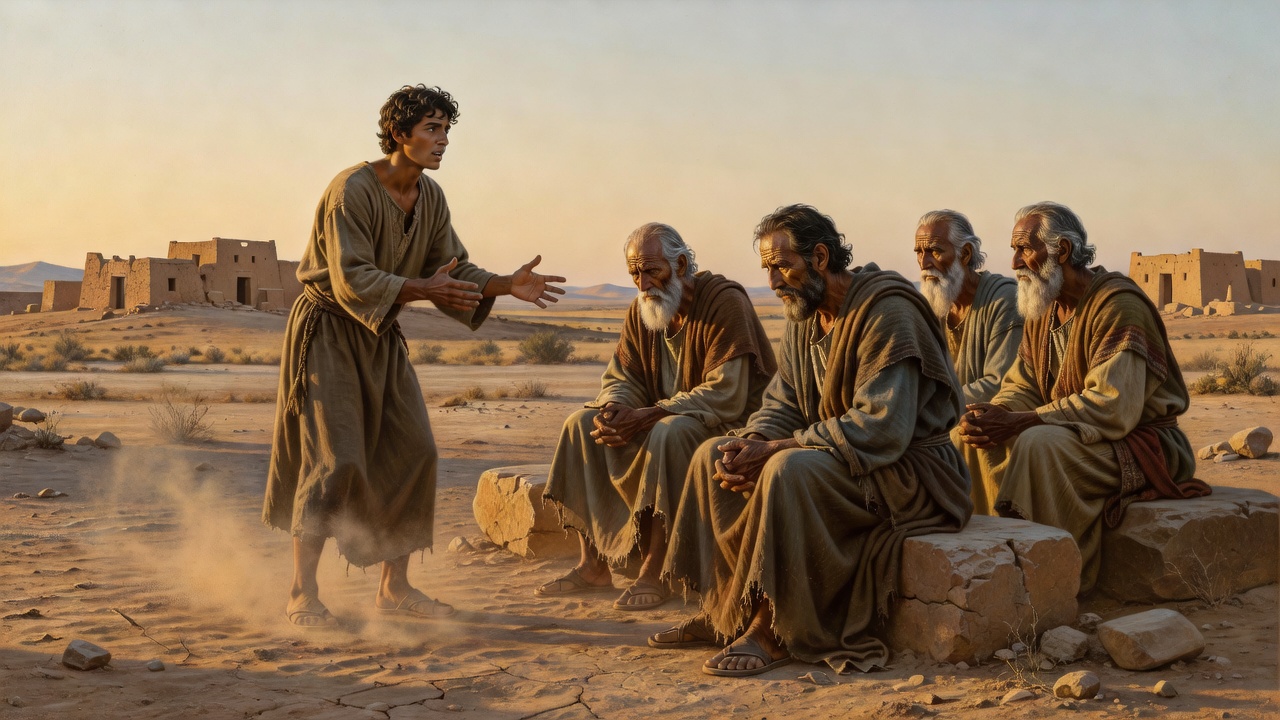
Eliú defende a justiça de Deus
- Eliú, filho de Baraquel, o buzita, entrou no diálogo depois que o debate entre Jó e seus três amigos terminou, apresentando sua própria avaliação da crise ao longo dos capítulos 32 a 37.Fontes: Elihu · o próprio texto bíblico
- No capítulo 34, Eliú apela diretamente aos ouvintes e homens sábios presentes, convidando-os a avaliar seu raciocínio assim como o paladar prova a comida, enquanto defende a absoluta imparcialidade de Deus para com reis, nobres e pobres.Fontes: o próprio texto bíblico
Notas escritas com auxílio de IA a partir de fontes abertas (Theographic Bible Metadata, CC BY-SA 4.0; Easton’s Bible Dictionary, domínio público) e revisadas antes de publicar.
Créditos e licença desta tradução
Bibiri Kuyie Nnɑ́ɑǹtì Pɑ́tíri
The Holy Bible in the Ditammari language of Benin
copyright © 2001 SIM International
Language: Ditammari
Translation by: SIM
This translation text is made available to you under the
terms of the Creative Commons License: Attribution-Noncommercial-No Derivative Works.
( http://creativecommons.org/licenses/by-nc-nd/3.0/ )
In addition, you have permission to port the text to different file formats, as long as you
do not change any of the text or punctuation of the Bible.
You may share, copy, distribute, transmit, and extract portions
or quotations from this work, provided that you include the above copyright
information:
You must give Attribution to the work.
You do not sell this work for a profit.
You do not make any derivative works that change any of the actual words or punctuation of the Scriptures.
Permissions beyond the scope of this license may be
available if you contact
us with your request.
This translation is made available to you under the terms of the
Creative Commons Attribution-No Derivatives license 4.0.
You may share and redistribute this Bible translation or extracts from it in any format, provided that:
You include the above copyright and source information.
You do not make any derivative works that change any of the actual words or punctuation of the Scriptures.
Pictures included with Scriptures and other documents on this site are licensed just for use with those Scriptures and documents.
For other uses, please contact the respective copyright owners.
2022-05-31
Fonte: http://ebible.org/tbzsim/ · eBible.org