Jó 15
Bibiri Kuyie Nnɑ́ɑǹtì Pɑ́tíri · Toque num versículo para ver as referências cruzadas.
Edifɑsi nɑ̀kɛ́mɛ̀ Isɔbu kucɛ mɛdɛ́rímɛ̀
1Kɛ̀ Edifɑsi Temɑɑ ɛì kouu yíɛ́ kɛ́bɛ́innɛ̀ Isɔbu kɛ dɔ̀:
2Mɛciì nyiɛ̀ nhɔ̃ɔ̃ sɔ̃́ntɛ́mu kɛ́pĩɛ̃too tinɑ́ɑǹtɑ̀ɑ̀?
Ò ɔ̃ɔ̃ sɔ̃́ntɛ́ kɛ́bɛ́inkomu dɛtetìrɑ̀ɑ̀?
3Kɛ sɔ̃́ntɛ́ kɛ́nnɑ́ɑ́ ndɛtetìrɛ̀ kó tinɑ́ɑǹtì kɛ wɑnti bɛ̀ɛ ò duɔ́ nkunɑɑtɑ́ɑ̀?
Yɛtɑnnɔ̀ yɛ̀ɛ̀ í yóó ò teennɛ̀ tìmɑtɑ̀ɑ̀?
4A í dé Kuyie,
A pɑɑ̀nko bɛnìtìbɛ̀ mbɛ bɛ yɛ̀mmɛ̀ bo mbomɛ̀ Kuyie mbíɛ́kɛ̀.
5A nɑ́ɑǹtì bɛnkúmu ɑ túmɛ̀ oyɛiwe,
kɑ̀ɑ nɛ́ ti cií,
6ɑ nùù diì nɑ̀ɑ́ nhɑ cɑ̀ɑ̀rɛ̀mɛ̀, dɛ̀ í tú míì mɛ nyɛ̃,
ɑ nɑ́ɑǹtì tiì dɑ bekùnɛ̀.
7Ti yɑ̀ɑ̀rì ketiwè bɑ́ ntú fɔ̃́ nwe?
A do yó mbo kɛ̀ yɛtɑ̃rɛ̀ mu nyí bo yɑ́ɑ́bɑ?
8A bɑ́ nkɔkɛ́mu Kuyie nkó dikotitĩ̀nnì miɛkɛ?
A bɑ́ ndɛ mpɛ̀tɛ́ní mɛciì?
9A yɛ̃́ ɔ̃̀nti kɛ̀ ti í tì yɛ̃́?
A bɑntɛ́ ɔ̃̀nti kɛ̀ ti bɑ́ɑ́ nɑ kɛ́ tì bɑntɛ́?
10Ti miɛkɛ tiyùpɛ́ítì yɛmbɛ̀ bomu nɛ̀ bɛdɑkótíbɛ̀,
bɛ̀ɛ̀ bie nsũnɛ̀ ɑ cicɛ kpɛyɛ.
11Yɑ́ɑ̀ ɑ yɛ̀mmɛ̀ dò nhɑ pɛ̃ɛ̃tɛ́mu Kuyie mmɛ̀ ndɑ duɔ́ nyìì tié nyíe,
Ti mɛ ndɑ nɑ́ɑ́ nyì nɛ̀ yɛtɑnnɔ̀ yɔɔ̀nyɛ̀?
12A miɛkɛ pɛikɛ nɛ̀ bɑ?
Dɛ̀ dòmmɛ kɑ̀ɑ ti wetiri inuɔ?
13Kɛ tùùtɛnɛ̀ Kuyie,
kɛ nɑ́ɑ́ mmiɛ mbotí?
14Onìtì tu we kɛ bo nwenni pɑ́íí,
Onìtì pɛitɛ́ wè bo yĩ́mɛ kɛ́nwetí?
15Kuyie nkunku í tɑ̃́ ku tɔ̃rɛ̀,
kɛĩ́nkɛ̀ í ku wenni kɛ sɑ̀nnɛ̀,
16kòo nìtì nɑ̀kɛ́ wèè cɑ̀kɛ kɛ í dò nkɛ́tɔ́ɔ́nnɛ̀,
wèè dɔ̀ɔ̀ri mɛyɛi mbɛ̀ yɔ̃̀mmɛ̀ mɛniɛ weè nɛ́ bo nwennɑɑ̀?
17N yó ndɑ duɔ̀ nyitié nyì, ɑ́ ì kèńtɛ́,
n yóó dɑ nɑ́kɛ́ n yɑ̀ dɛ̀ ndɛ.
18Mɛciì nyɛmbɛ̀ bɛɛ̀ tì nɑ̀kɛ́,
bɛ̀ tì cɔutɛ́ bɛ yɛmbɛ̀ borɛ̀ kɛ̀ tì dòmmɛ̀ bɛ̀ mɛ ntì nɑ̀kɛ́.
19Bɛɛ̀ do te dihɛì bɛmɑ́ɑ̀,
opɔ̀ɔ̀ mɔù mu ndo í kɔɔrɛ bɛ miɛkɛ.
20Dɛ kó itié nyiì tu:
Oyɛiwe ɔ̃ɔ̃ í mmɔkɛ mɛom̀pùmɛ̀ o fòmmu mumɔu miɛkɛ,
o kó yɛwe ò yóó dɔɔ̀ yɛ̀ ɔ̃ ntú yɛyɛiyɛ nyɛ.
21Ò ɔ̃ nyo tì ɔ̃ ntú kufɔ̃wɑɑ́ nkpɛti nti sɑ̃́ɑ̃̀,
ò ɔ̃ nkɑri kɛ í yĩɛ̃̀kù kɛ́ nyóó dɑɑtɛní kòo kɔ̀ùtì ò dɛ̀ɛ́tɛ́,
22Ò tɛ̃́nkɛ ɔ̃ɔ̃ í ntɑ̃́ kɛ dò nhò bo nɑ kɛ́yentɛ́nɛ̀ dibiìnnì,
mudoò muù ɔ̃ nhò kɛ́tìrì sɑ̃́ɑ̃̀.
23Ò ɔ̃ nhɑ̃́ɑ̃́ nkɛ wɑnti mudiì mmu,
ò yɛ̃́mu kɛ dò mmu kṹṹ mmuù ò bɑ̀ɑ.
24Mɛyɛǹcɑɑ̀rìmɛ̀ nɛ̀ mɛhɑ́ɑ́rìmɛ̀ kɛ̀ dɛ̀ duò o kɔ̃m̀bùɔ̀tì,
kɛ buríní o kpɛ́í okpɑ̀ɑ̀tì ɔ̃ɔ̃ bɑ́ɑ́tímɛ̀ kɛ́ndoti dihɛì.
25Kɛ yɛ̃́ ò dɑ́nnìmɛ̀ Kuyie nku,
ò dɑ̀ɑ́tí kɛ wɛ̃̀ńtɛ́ muwɛ̃rímú mumɔu yiɛ̀ nwe.
26Ò bunnɔ́ɔ kɛ bo kũntɛ Kuyie nku,
kɛ kɑ̃ɑ̃́ nhomɑ́ɑ̀ tidɔpììtì ticɛ̃́ɛ̃́tì.
27Kòo ììkɛ̀ pìɛ́kɛ́,
kòo kɑ ɛ̃rí mɛkùɔ̀.
28Kòo yó nkɑtì yɛhɛkɛ̀ bɛ̀ pɔ̀ntì yɛ̀,
sicɛ̃́ĩ sìì í dò nkɛ́nhɑ̃, sìì kɔ̀ri kɛ bo nɑɑ́ ntidobontì.
29Dɛ yiɛ̀ mbotí tɛ̃́nkɛ bɑ́ɑ́ kpɑrìkɛ̀,
o kpɑ̀tì bɑ́ɑ́ mɔntɛ,
o mɔ̀ɔ̀tì bɑ́ɑ́ sṹṹ nkɛ́pitɛ́ kutenkù.
30Dɛ yiɛ̀ nhò bɑ́ɑ́ nɑ kɛ́yentɛ́nɛ̀ mukṹṹ nkó dibiìnnì,
muhɑ̃ɑ̃́ mbo cɔ́útɛ́ o bí,
kɛ̀ Kuyie nnùù kó kuyɑɑkùu ò nɛinɛ̀.
31Ò tɑ̃́ tì tu dɛtetìrɛ̀ ndɛ,
ò soú nhomɑ́ɑ̀ ndi,
dɛ̀ í yóó ò teennɛ̀ tìmɑtì,
o cɔ̃́ntimu tu dɛtetìrɛ̀ ndɛ.
32Dɛ̀ yóó dɔɔ̀mu kòo we mú nyí dèè,
bɑ́ o bɑkɛ bɑ́ɑ́ puku.
33Kòo yotɛ fínyĩ̀ kó yɛbɛ bɛ́nyɛ̀ kɔ̃mɛ,
odìfíè kó mupórímù kɔ̃mɛ.
34Dɛ kó fɛyɑnfɛ̀ ɔ̃ɔ̃ nɑɑ́ ntɛhɑ̃ũntɛ ntɛ,
bɛnìtìbɛ̀ bɛ̀ɛ̀ cɔú ticuuti muhɑ̃ɑ̃́ mmuù ɔ̃ɔ̃ cɔ́útɛ́ bɛ cɛ̃́ĩ.
35Ò pùó ndɛyɛirɛ ndɛ, kɛ pɛitɛ́ mɛyɛi,
ò pùó mmɛsoùmmɛ̀ kó dibii ndi.
Você sabia?
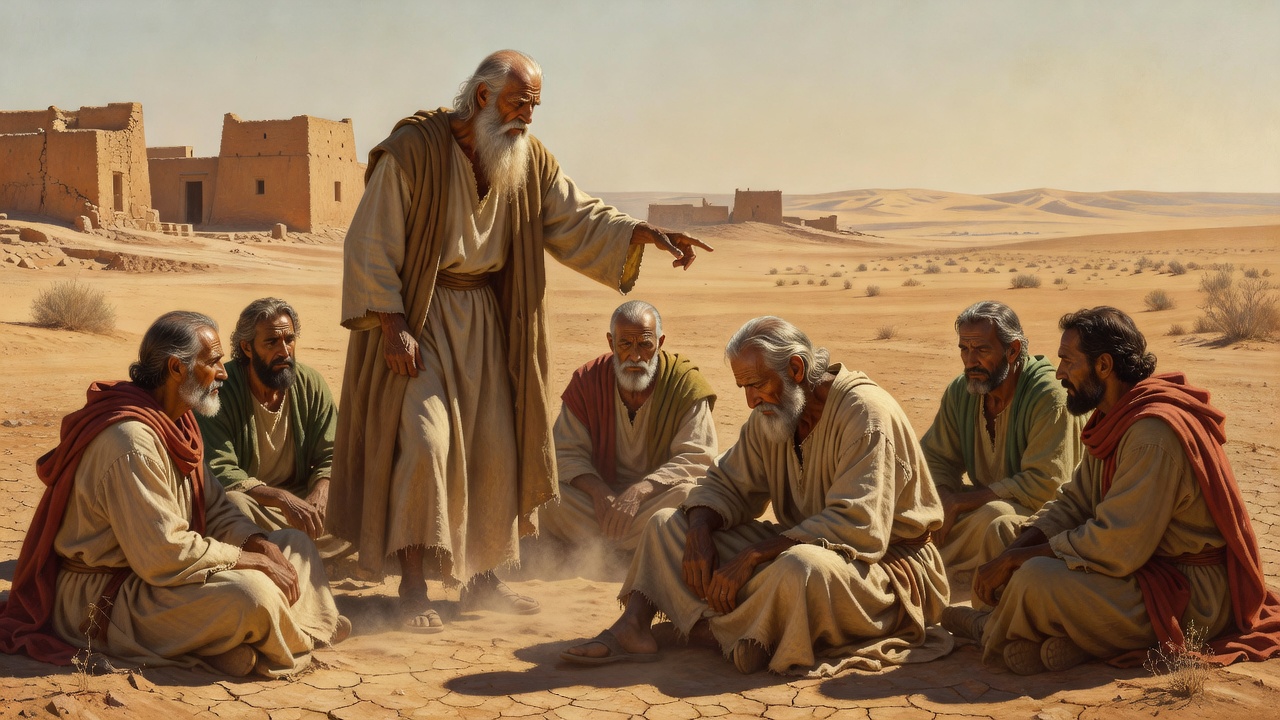
O segundo discurso de Elifaz e a sabedoria ancestral
- Elifaz acusa Jó de encher o ventre com o vento oriental, recorrendo a uma conhecida metáfora do antigo Oriente Próximo para o vento seco e abrasador do deserto, que destrói a vegetação e causa ruína em vez de sustento.Fontes: o próprio texto bíblico
- Para defender sua tese de que os ímpios inevitavelmente enfrentam a desgraça, Elifaz apela à autoridade de sábios idosos e a tradições antigas preservadas desde uma época anterior a influências estrangeiras na terra.Fontes: o próprio texto bíblico · Eliphaz
Notas escritas com auxílio de IA a partir de fontes abertas (Theographic Bible Metadata, CC BY-SA 4.0; Easton’s Bible Dictionary, domínio público) e revisadas antes de publicar.
Créditos e licença desta tradução
Bibiri Kuyie Nnɑ́ɑǹtì Pɑ́tíri
The Holy Bible in the Ditammari language of Benin
copyright © 2001 SIM International
Language: Ditammari
Translation by: SIM
This translation text is made available to you under the
terms of the Creative Commons License: Attribution-Noncommercial-No Derivative Works.
( http://creativecommons.org/licenses/by-nc-nd/3.0/ )
In addition, you have permission to port the text to different file formats, as long as you
do not change any of the text or punctuation of the Bible.
You may share, copy, distribute, transmit, and extract portions
or quotations from this work, provided that you include the above copyright
information:
You must give Attribution to the work.
You do not sell this work for a profit.
You do not make any derivative works that change any of the actual words or punctuation of the Scriptures.
Permissions beyond the scope of this license may be
available if you contact
us with your request.
This translation is made available to you under the terms of the
Creative Commons Attribution-No Derivatives license 4.0.
You may share and redistribute this Bible translation or extracts from it in any format, provided that:
You include the above copyright and source information.
You do not make any derivative works that change any of the actual words or punctuation of the Scriptures.
Pictures included with Scriptures and other documents on this site are licensed just for use with those Scriptures and documents.
For other uses, please contact the respective copyright owners.
2022-05-31
Fonte: http://ebible.org/tbzsim/ · eBible.org